6 Early Signs of Kidney Failure in Cats You Shouldn’t Ignore
When I first noticed that my cat, Bella, was drinking more water than usual, I brushed it off. She was getting older, after all, and I thought maybe it was just part of aging. But then, she started losing weight and seemed a little off. That’s when I learned something every cat parent should know—these could be early signs of kidney failure. It broke my heart to realize how easy it is to miss the small things that matter most. If your cat is showing subtle changes in their habits, it might be their way of asking for help.
Kidney failure in cats—also known as renal failure—is common, especially in older cats. It happens when the kidneys can no longer filter toxins and waste from the blood effectively. The sooner you spot the symptoms, the better the chances of managing it and keeping your feline friend comfortable. Here are six signs you should never ignore.
1. Increased Thirst and Urination
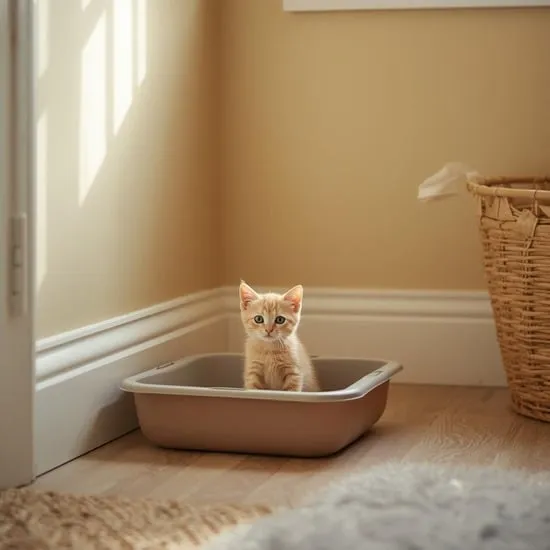
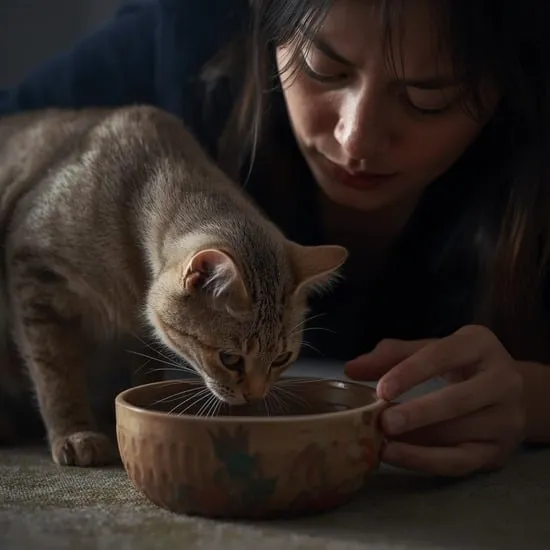
One of the first signs of kidney failure in cats is a noticeable increase in thirst and urination. You might see your cat visiting the water bowl more frequently or spending extra time in the litter box. It’s the kidneys’ way of trying to flush out toxins as they start to lose function. You may also notice larger clumps in the litter box, which can be a telltale sign something’s not right.
If your cat has always been private about their bathroom habits, keeping track of litter box changes can be tricky—but paying attention here could make a life-saving difference.
2. Weight Loss and Reduced Appetite
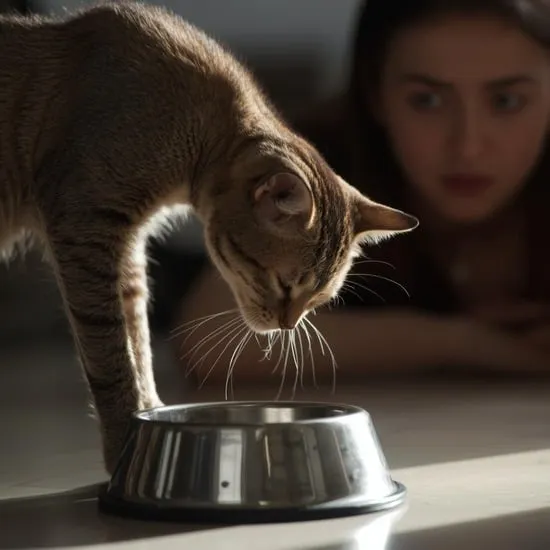
When your cat’s kidneys aren’t working properly, they begin to lose muscle mass and appetite. They might start skipping meals or only nibble at food they used to love. Over time, this leads to visible weight loss and a thinner frame. I remember how Bella stopped eating her favorite chicken treats, and that was my wake-up call to take her to the vet.
Loss of appetite can also come with nausea or vomiting, since toxins are building up in their body. This is a serious sign that should never be ignored.
3. Bad Breath or a Metallic Smell
A strong, unpleasant odor coming from your cat’s mouth can be another sign of kidney failure. As waste products accumulate in their bloodstream, it can cause uremic breath—a smell often described as metallic or like ammonia. While dental issues can also cause bad breath, the scent from kidney problems is distinct and persistent.
If you lean in to give your kitty a kiss and notice that foul smell, it’s worth scheduling a vet visit right away. Their breath might be trying to tell you more than you think.
4. Lethargy and Weakness
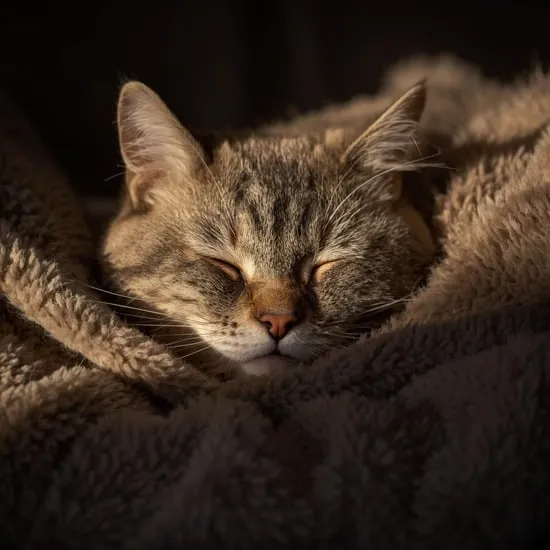
Cats are experts at hiding pain, but kidney failure can make them feel constantly tired or weak. You may notice your usually playful cat sleeping more, avoiding their favorite toys, or just seeming “off.” They might stop jumping onto furniture or prefer staying in quiet corners of the house. This fatigue comes from anemia and toxin buildup in their body, which affects their energy levels.
5. Poor Coat Condition
Has your cat’s coat lost its usual shine? Cats with kidney disease often have dry, dull fur that looks messy or greasy. Because they don’t feel well, they groom less frequently, and dehydration can also make their skin and fur appear rough. When I brushed Bella and noticed her once-silky coat had turned coarse, I knew something was wrong.
Regular grooming can help them feel better, but this symptom usually signals an underlying issue that needs veterinary care.
6. Vomiting and Dehydration
Frequent vomiting is a common symptom of kidney failure. You might also notice signs of dehydration—like sunken eyes, dry gums, or your cat’s skin staying “tented” when you gently lift it. Their body is trying to rid itself of toxins, but without enough fluids, it only worsens the problem. If your cat seems sick more often or vomits frequently, it’s a red flag that shouldn’t be ignored.
What You Can Do
If you suspect kidney problems, don’t wait—schedule a vet appointment as soon as possible. A simple blood and urine test can confirm kidney function. Early diagnosis can make all the difference. Your vet might recommend a special kidney diet, hydration support, or medications to help slow the progression.
For older cats, regular checkups (every six months) are essential. Prevention and early care can extend your cat’s life and give them the comfort they deserve.
Final Thoughts: Listening to the Signs
As cat parents, we know our furry friends better than anyone. Sometimes, the smallest changes—like drinking more water or sleeping a bit longer—carry the biggest meaning. Recognizing the signs of kidney failure in cats can save their life. It’s heartbreaking to think how many cats suffer in silence simply because their humans didn’t notice the signs.
When I look back, I’m grateful I listened to my instincts with Bella. With the right care, she lived comfortably for years after her diagnosis. So, trust your gut, observe closely, and always act with love. Because they’d do the same for you.