Can Dogs Eat Gooseberries? Risks, Symptoms & Safe Alternatives

As a pet parent, you want the best for your dog, including keeping them safe from foods that could harm them. One common question many dog owners ask is: Can dogs eat gooseberries? If you’ve ever found yourself wondering whether this tart fruit is safe for your furry friend, you’re not alone. Let’s dive into it and answer your question!
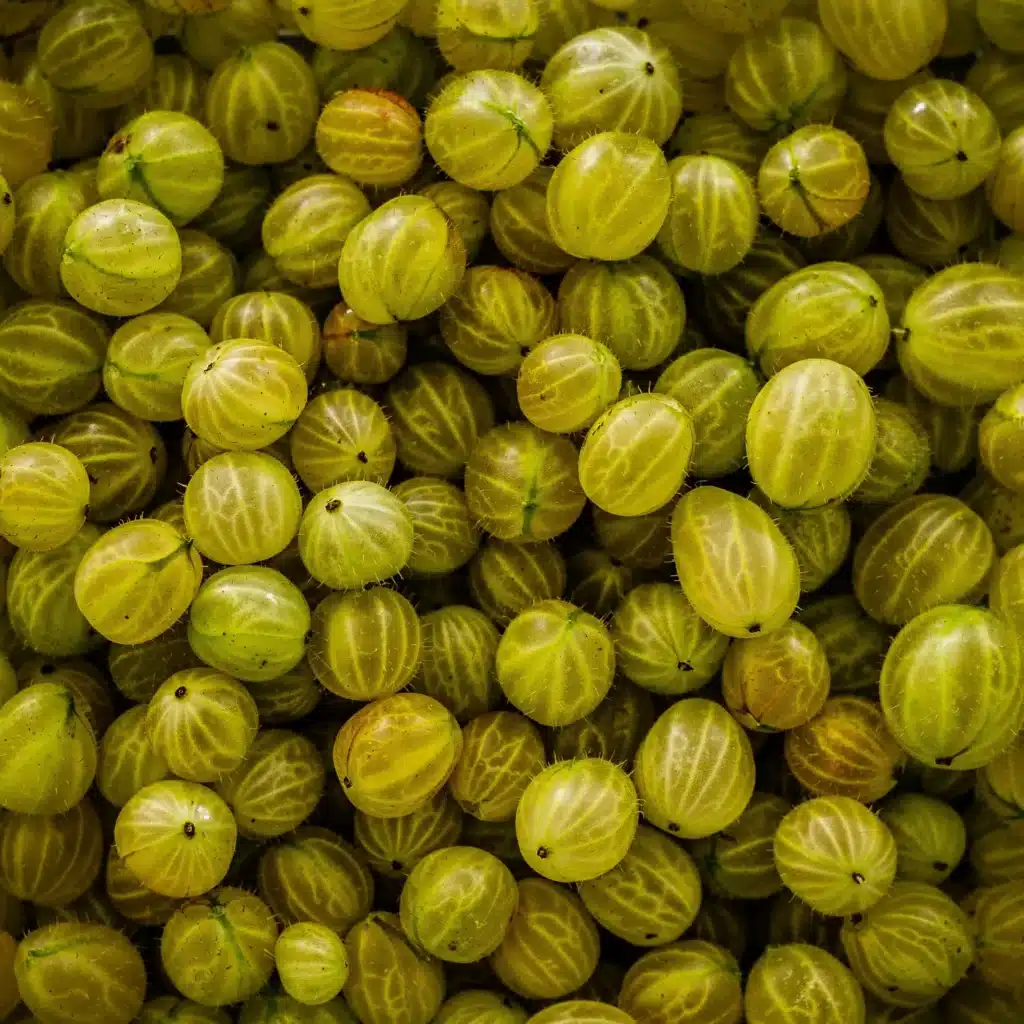
The Risk of Gooseberries for Dogs
While gooseberries may seem like a tasty treat for humans, they’re not ideal for dogs. These little berries can be toxic to dogs, especially when consumed in larger quantities. Gooseberries, like many fruits, contain compounds that can cause serious health problems for your dog. Whether fresh or dried, it’s better to keep them out of your pet’s reach.
Some gooseberries, particularly the unripe or wild varieties, contain solanine, a naturally occurring toxin that can be harmful to dogs. Ingesting this toxin can lead to symptoms like nausea, vomiting, and diarrhea. It might even cause more severe reactions, such as abdominal pain or lethargy. Your dog may not always show symptoms right away, so it’s essential to monitor them closely if they’ve eaten gooseberries.
Did your dog eat a gooseberry by accident? Don’t panic just yet. Most dogs won’t experience severe symptoms from a small amount, but it’s still crucial to be cautious. If you notice anything unusual like vomiting or sluggish behavior, a visit to the vet might be necessary to rule out any serious health concerns.
Why Gooseberries Are Dangerous for Dogs
Gooseberries are packed with organic acids, which are harmful to a dog’s digestive system. These acids can irritate their stomach and intestines, leading to discomfort. Additionally, gooseberries have small seeds that could pose a choking hazard, especially for smaller dogs. While ripe gooseberries might not be as toxic as unripe ones, it’s always safer to avoid them altogether.
The high levels of vitamin C in gooseberries are generally beneficial for humans, but dogs produce their own vitamin C, so extra amounts aren’t necessary—and could cause digestive upset. In short, while they might be full of nutrients, gooseberries are just not worth the risk for your dog.

What Happens If My Dog Eats Gooseberries?
If your dog has already eaten gooseberries, it’s important to watch for symptoms like:
- Vomiting
- Diarrhea
- Abdominal discomfort
- Lethargy
In most cases, if your dog eats just one or two berries, they may experience mild gastrointestinal upset, but nothing too concerning. However, if they’ve consumed a larger amount or you’re unsure of the type of gooseberry, it’s better to consult with your vet. A quick call can help ease your worries and ensure your dog gets the care they might need.
If you’re wondering, “What should I do if my dog eats gooseberries?” or “How do I know if it’s safe for dogs to eat gooseberries?”, the best advice is to consult a veterinarian if symptoms persist or seem severe. It’s always better to be cautious.
Can Dogs Eat Gooseberries—The Bottom Line
It’s best to err on the side of caution and avoid giving gooseberries to your dog. While the occasional nibble might not lead to major issues, it’s not worth the potential risks. Stick to dog-safe fruits like apples, blueberries, and watermelon—fruits that are not only tasty but also safe and beneficial for your dog.
Your dog’s health and happiness are your priority, and sometimes, keeping them away from certain foods is the best way to show you care. And hey, we get it: it’s hard to resist those adorable puppy eyes, but some things are better left off the menu.
Pro Tip: If you’re ever unsure about what foods are safe for your dog, make sure to consult your vet. They’ll provide the best advice tailored to your dog’s specific needs, ensuring that every treat is safe and enjoyable for them!

What Should I Do If My Dog Ate Gooseberries?
If your dog has eaten gooseberries and you’re worried, stay calm and assess the situation. Sometimes, all they need is a bit of extra water and rest. But don’t hesitate to get professional advice if anything seems off. Your vet might recommend monitoring for a while or bringing your pup in for a checkup.
If you’re wondering about the symptoms of gooseberry poisoning in dogs, keep an eye out for signs like vomiting, diarrhea, and sluggishness. This could indicate that your dog has ingested something toxic. While the occasional consumption of gooseberries isn’t likely to lead to major issues, knowing the signs of gooseberry toxicity is key for ensuring your dog’s safety.
Remember, as much as we love our dogs and want to share everything with them, some foods are just too risky. It’s a good feeling to know what’s safe and what’s not, so we can keep our pets safe and healthy.
Stay tuned for more tips available at lancedogs on keeping your dog happy and healthy, and always keep those toxic foods out of reach! Your furry best friend will thank you for it.