Can Dogs Have Down Syndrome? The Truth About Special Dogs
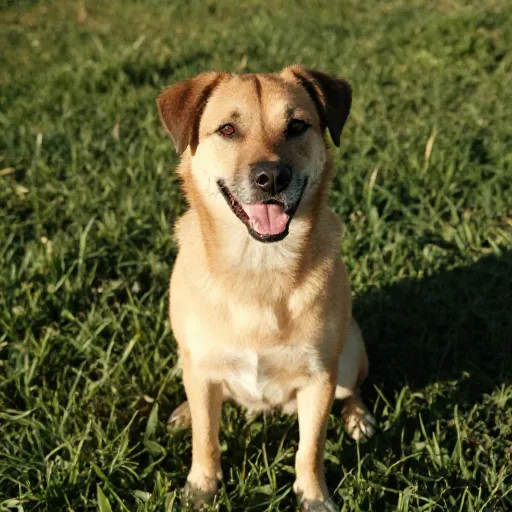
I remember the first time a friend showed me a photo of her dog and asked, “Do you think he has Down syndrome?” His face was sweet, with a wide-set gaze and a slightly oversized tongue. It’s a question that pops up all the time in dog lover circles. We see those adorable, unique faces and our minds jump to what we know in humans.
But the short answer is no—dogs cannot have Down syndrome in the same way people do. Down syndrome is caused by an extra copy of chromosome 21. Dogs have 39 pairs of chromosomes (we have 23), so that specific genetic duplication doesn’t happen. However, dogs can have a range of other conditions that look very similar. Let’s explore what’s really going on with these special pups.
What Down Syndrome Actually Is
Down syndrome, or Trisomy 21, is a genetic condition where a person has an extra full or partial copy of chromosome 21. This causes specific physical traits and developmental delays. In dogs, the chromosomal structure is completely different. They don’t have a chromosome 21, so they can’t have Trisomy 21.
That said, dogs can have other chromosomal abnormalities. But these are rare and usually fatal early in development. So when you see a dog that looks “Down syndrome-like,” it’s almost always something else.

The “Down Syndrome Look” in Dogs: Pituitary Dwarfism
The most common condition that mimics Down syndrome in dogs is pituitary dwarfism. This happens when the pituitary gland doesn’t produce enough growth hormone. Puppies with this condition stay very small, have a short snout, a large head, and often a protruding tongue.
- They often have a soft, puppy-like face well into adulthood.
- Their coat might be thin or patchy.
- They may have delayed tooth eruption.
This condition is most common in German Shepherds, but can happen in other breeds too. It’s not Down syndrome, but it does create that sweet, unique look.
Congenital Hypothyroidism: The Slow and Sweet Pup
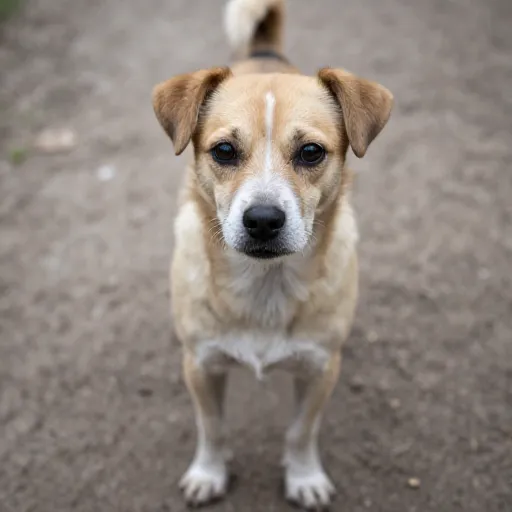
Another condition that creates a similar appearance is congenital hypothyroidism. When a puppy is born without enough thyroid hormone, their growth and development slow down dramatically. These pups often have a large head, short neck, and a thick, puffy coat.
- They can be lethargic and less responsive.
- Their tongue might hang out.
- They often have a “dull” expression that people mistake for cognitive delay.
The good news? This is treatable with daily thyroid medication, and many dogs go on to live happy, normal lives.
Brachycephalic Breeds: Built That Way on Purpose
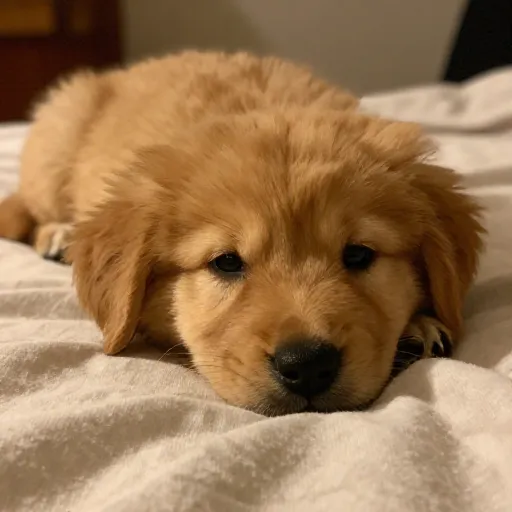
Sometimes, the “Down syndrome look” is just a breed standard. Flat-faced breeds like French Bulldogs, Pugs, and English Bulldogs naturally have wide-set eyes, a short muzzle, and a slightly wrinkled face. These are normal traits for those breeds.
People often see a Pug’s face and think something is “off,” but that’s just how they’re supposed to look. The confusion happens when we project human conditions onto dog anatomy. A flat face isn’t a syndrome—it’s a breed trait.
Portosystemic Shunt: The Hidden Liver Issue
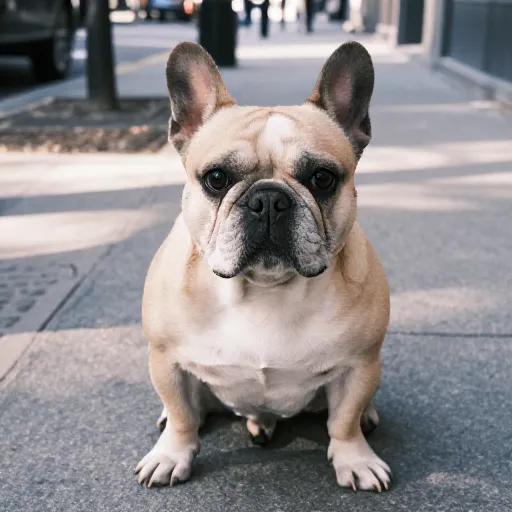
This is a serious condition that can cause neurological symptoms in dogs. A portosystemic shunt means blood bypasses the liver, so toxins build up in the bloodstream. Puppies with this condition may seem confused, clumsy, or have a blank stare.
- They might circle or press their head against walls.
- They can have seizures.
- Their growth is often stunted.
This condition requires surgery or special diet management. It’s not Down syndrome, but it can create behavior that looks like a cognitive issue.
Hydrocephalus: Water on the Brain
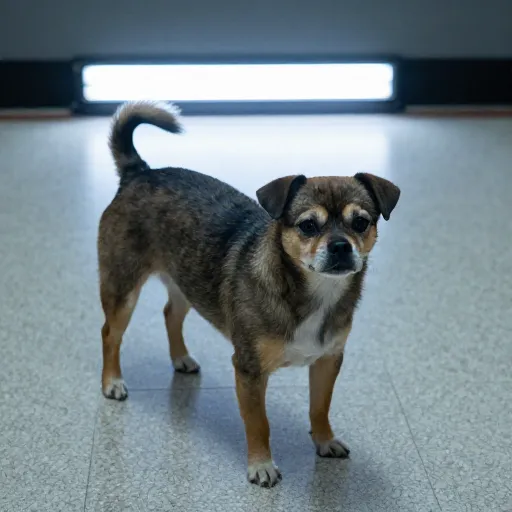
Hydrocephalus, or “water on the brain,” is another condition that can cause a dome-shaped head, wide-set eyes, and developmental delays. Small breed puppies, like Chihuahuas and Pomeranians, are most at risk.
These puppies may have trouble learning, bump into things, or seem unusually sleepy. In mild cases, they can live a good life with medication. In severe cases, the outlook is poor. Either way, it’s not Down syndrome.
What About Behavior? The “Slow” Dog
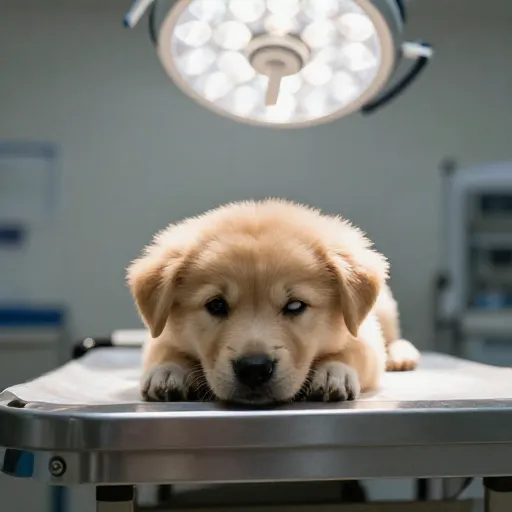
Some dogs just learn slower than others. They might not pick up potty training as fast, or they seem to have trouble understanding commands. This doesn’t mean they have a genetic syndrome. It could be due to poor breeding, lack of early socialization, or even a learning disability.
Dogs, like people, have different personalities and cognitive abilities. A “slow” dog isn’t necessarily sick. They might just need more patience and a different training approach.
When Tongues Hang Out: The Anatomy of Comfort
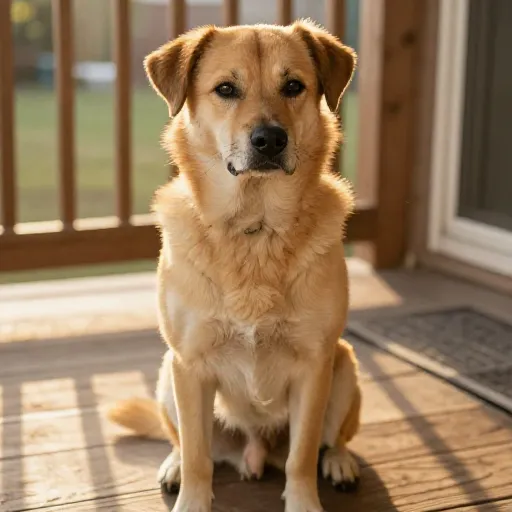
One of the most common signs people associate with Down syndrome is a tongue that hangs out. But in dogs, this is often just anatomy. Some dogs have a tongue that’s slightly too long for their mouth, a condition called macroglossia. Others have missing teeth or a misaligned jaw.
Sometimes, the tongue hangs out simply because the dog is deeply relaxed. It’s called a “blep,” and it’s usually nothing to worry about. If it’s new or accompanied by drooling, see your vet.
How to Care for a Special Needs Dog
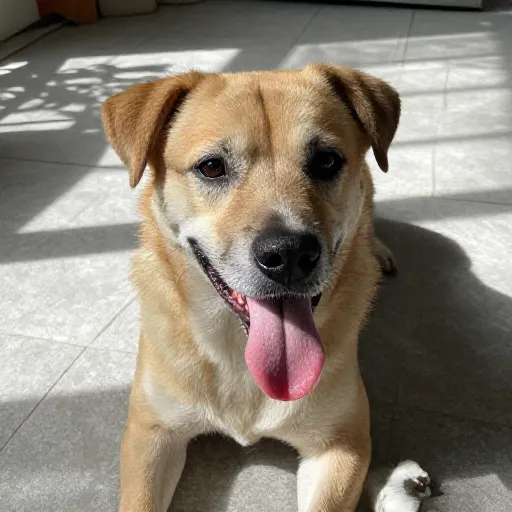
If your dog has any of these conditions, they are still a wonderful companion. Special needs dogs often teach us the most about patience and love. Here’s how to support them:
- Work closely with a vet who understands the condition.
- Keep their environment consistent—no major furniture rearrangements.
- Use positive reinforcement training only.
- Be patient with potty training and learning new skills.
- Celebrate small victories every day.
These dogs may not live as long as others, but the time you have will be rich and meaningful.
When to See a Vet: Red Flags
If you suspect your dog has a genetic or developmental issue, don’t just assume it’s Down syndrome. Look for these red flags:
- Poor growth or failure to thrive.
- Seizures or unusual behavior.
- Constant head pressing or circling.
- Difficulty breathing or eating.
- Extreme lethargy or unresponsiveness.
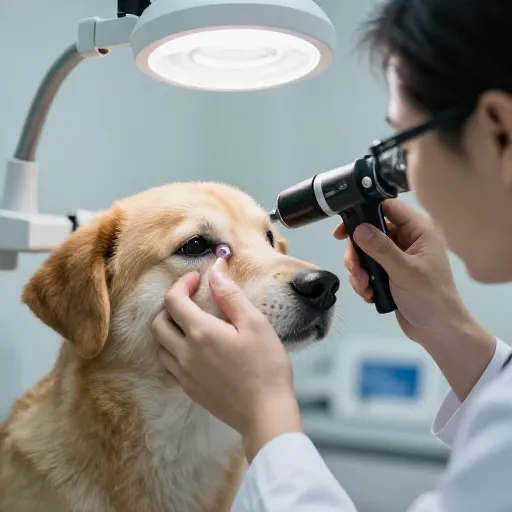
Your vet can run blood work, check thyroid levels, and even do imaging. A proper diagnosis is the first step to giving your dog the best life possible. Don’t guess—get help.
Conclusion: Love the Dog You Have
So, can dogs have Down syndrome? No, not in the human sense. But they can have a variety of conditions that make them look or act differently. The label doesn’t matter as much as the care you provide. A dog with a unique face, a slow learning pace, or a medical condition is still 100% dog—loyal, loving, and deserving of a good home.
Instead of focusing on what they don’t have, focus on what they do have: a heart full of unconditional love. That’s something no syndrome can take away.
Frequently Asked Questions
Q: Can a dog test positive for Down syndrome?
No. There is no test for Down syndrome in dogs because it’s not a canine condition. Vets test for specific issues like thyroid levels, liver function, or growth hormone.
Q: What breed of dog is most likely to look like it has Down syndrome?
German Shepherds with pituitary dwarfism often have that look. Also, brachycephalic breeds like French Bulldogs and Pugs naturally have similar facial features.
Q: Is it cruel to breed dogs that have these conditions?
Yes, if the condition is known and painful. Responsible breeders avoid breeding animals with known genetic defects. Always adopt from reputable sources.
Q: Can a dog with pituitary dwarfism live a normal life?
It depends. Some live happily with medication and extra care. Others have compromised immune systems and shorter lifespans. Each case is different.
Q: My dog has a hanging tongue and is clumsy. Should I worry?
Not necessarily, but get a vet check. It could be a dental issue, a neurological problem, or just their unique anatomy. Better safe than sorry.