How to Train Your Dog Not to Run Off

There’s nothing quite like the panic of watching your dog bolt toward the horizon. You call their name—nothing. You shake the treat bag—they don’t even glance back. I’ve been there, standing in the middle of a muddy field, feeling helpless and frustrated.
The good news is that running off isn’t a sign your dog doesn’t love you. It’s usually a mix of excitement, instinct, and a lack of practice. With the right training, you can build a reliable recall and give your dog the freedom to explore safely.
Let’s walk through ten practical steps that will help you train your dog to stay close—no yelling, no chasing, just real progress.
Start Indoors Where Distractions Are Low
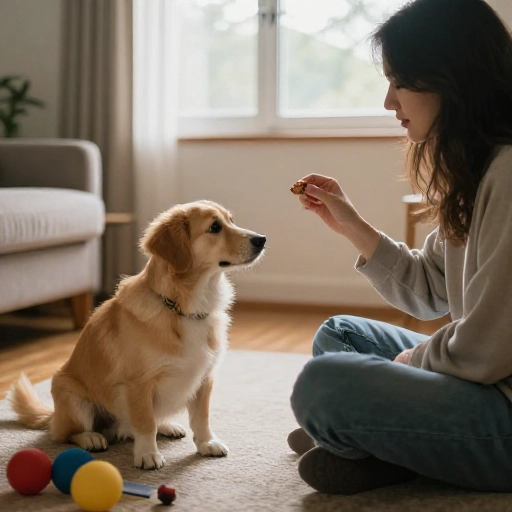
Before you even think about testing your dog off-leash in a park, start inside your home. This is the easiest place for your dog to focus on you. There are no squirrels, no smells, and no interesting people to greet.
Call your dog from across the room in a happy, excited voice. The moment they come to you, mark it with a “yes” or click, and give them a high-value treat. Do this five times, then move to a different room. You’re teaching them that coming to you is always a win.
If your dog ignores you, make yourself more interesting. Clap your hands, pat your legs, or even run the other way. Dogs love a chase game, and running away from them often triggers their instinct to follow.
Use a Long Line for Safe Practice
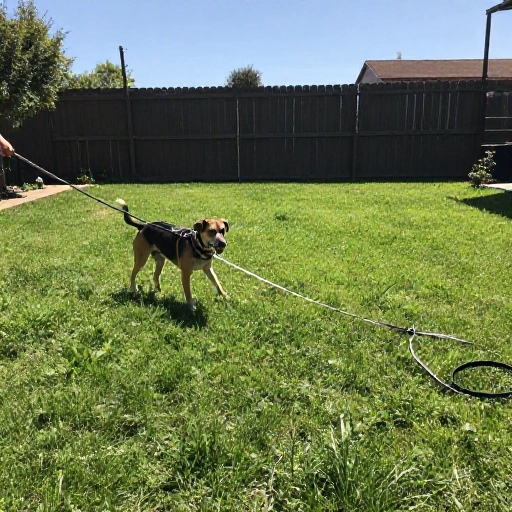
A long training line (15 to 30 feet) is your best friend during this process. It gives your dog the illusion of freedom while keeping them safe. Attach the line to a harness, not a collar, to avoid neck strain if they hit the end.
Head to a quiet, fenced area. Let your dog wander to the end of the line, then call them back. If they don’t respond, gently reel them in like a fish. Reward them generously when they reach you.
The goal here is to build a strong habit: “When I hear my name, I go back to my person and get something amazing.” Over time, you’ll use the line less and less.
Make Your Recall Cue Irresistible
The word “come” can easily get ignored if you’ve used it too often without a payoff. I like to pick a unique recall word—something like “cookie” or “here boy” that I only use when I have something truly amazing.
Never call your dog to you for something unpleasant, like leaving the park or getting a bath. Every single time you call them, make sure something good happens. A piece of chicken, a squeaky toy, or a quick game of tug—whatever your dog loves most.
If you accidentally call them and then have to do something boring, go to them instead. Keep the word sacred.
Practice the “Check-In” Game
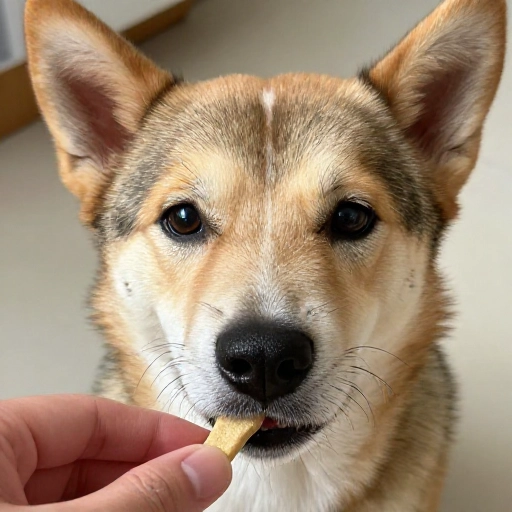
Dogs run off because they’re exploring. But you can teach them that checking in with you is more rewarding than sniffing a bush. Start in your backyard or a quiet park. Let your dog wander, and every time they look back at you, mark it and toss a treat near your feet.
At first, they’ll be confused. “Why is she throwing treats for just looking?” But soon, they’ll start glancing at you more often. That’s exactly what you want—a dog who naturally keeps an eye on you.
This builds a habit of staying close without you having to call them. It’s a quieter, more natural kind of training.
Play “Run Away” to Build Excitement
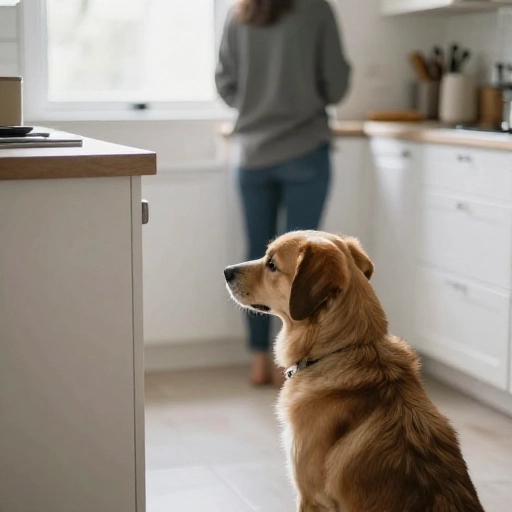
If your dog loves to run off, use that to your advantage. Instead of calling them when they’re already far away, try running in the opposite direction. Most dogs can’t resist the urge to chase you.
When you run away, call their name in a playful tone. As soon as they catch up, throw a party—treats, praise, maybe a little game of keep-away with a toy. This makes coming to you feel like the best part of the walk.
Do this several times during a walk. It turns recall into a fun game rather than a boring command.
Gradually Increase Distractions
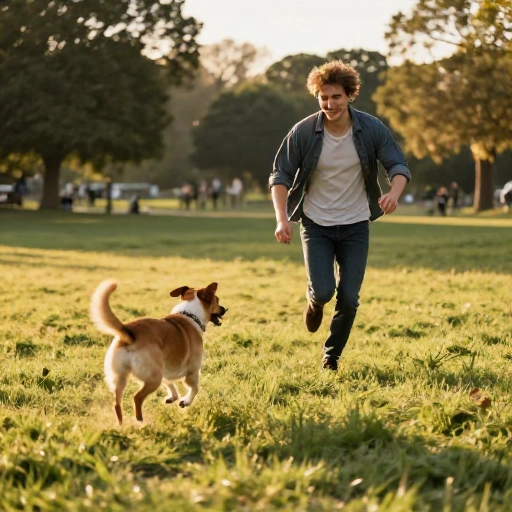
Once your dog is reliable in low-distraction areas, it’s time to level up. Move to a slightly busier spot, like a quiet trail or a park with a few people in the distance. Keep the long line on for safety.
Your dog will likely be more interested in the new smells than in you. That’s okay. Be patient and keep practicing. If they blow you off, don’t punish them—just make a note to lower the difficulty next time.
Success comes from small, manageable steps. If you jump from your backyard to a busy dog park, you’re setting both of you up for failure.
Reward with Movement, Not Just Treats
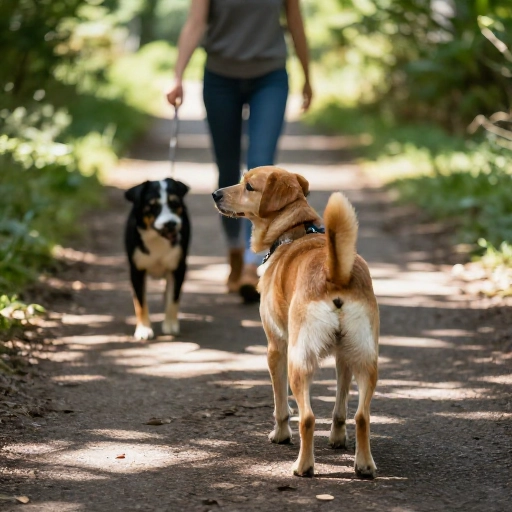
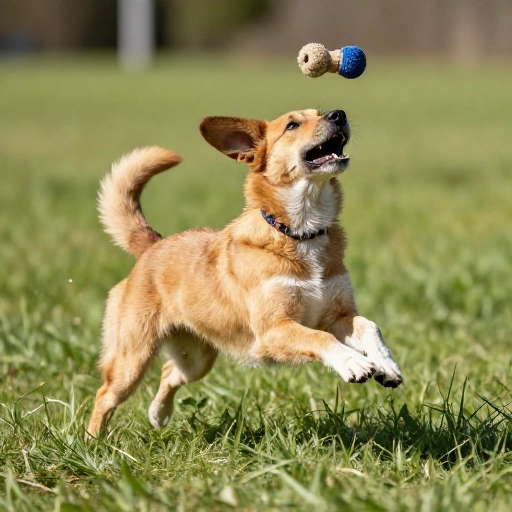
Some dogs aren’t super food-motivated, especially when they’re excited. That’s normal. For these dogs, movement can be a better reward. When they come back to you, instead of just giving a treat, start running or play a quick game of tag.
If your dog loves to fetch, toss a ball a few feet away after they check in. This teaches them that coming back doesn’t mean the fun ends—it means it continues.
Pay attention to what your dog finds rewarding. It might be a scratch behind the ears, a squeaky toy, or just your undivided attention.
Set Your Dog Up for Success with Management
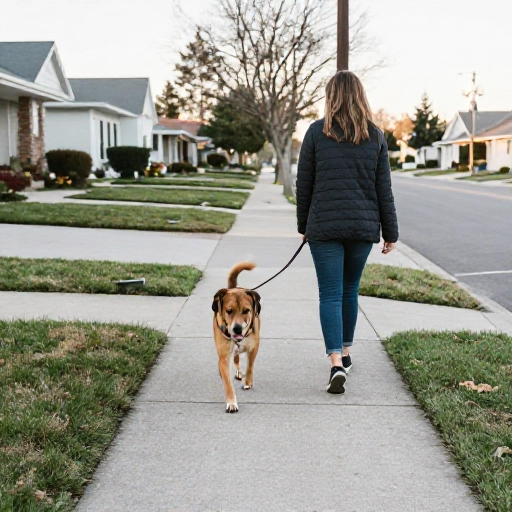
Training is important, but so is management. While you’re still working on recall, don’t give your dog too much freedom too soon. Use a long line or a secure harness. Keep them leashed in unfenced areas.
If your dog has a habit of bolting out the front door, work on a “wait” or “stay” cue before you open it. Practice with the door cracked, then closed, until they learn that running out doesn’t lead to freedom—it leads to the door closing.
It’s not about restricting your dog forever. It’s about keeping them safe while they learn the skills they need.
Never Chase Your Dog
This is the hardest rule to follow, but it’s crucial. If your dog runs off and you chase them, you’ve just turned the whole thing into a game. Most dogs think “chase me” is the best game ever.
Instead, run away from them. Or sit down and pretend to find something interesting on the ground. Dogs are curious creatures. They’ll often come over to see what you’re doing.
If you absolutely need to catch them, try calling them in a cheerful voice or making a kissy noise. Stay calm, even when you’re panicking inside.
Be Patient and Consistent
Training a dog not to run off takes time. Some dogs pick it up in a few weeks. Others, especially breeds with strong hunting instincts, need months of practice. That’s okay.
Don’t get discouraged by setbacks. Every walk is a chance to practice. Keep sessions short, fun, and positive. Your dog isn’t trying to be difficult—they’re just being a dog.
Celebrate the small wins. The first time they turn around when you call, the first time they choose you over a squirrel—that’s real progress.
Conclusion
Teaching your dog not to run off is a journey, not a one-time fix. It’s about building trust and making yourself the most interesting part of their world. With patience, consistency, and a lot of high-value treats, you’ll get there.
Your dog doesn’t need to be perfect. They just need to know that coming back to you is always, always worth it. And when that bond is strong, you’ll both enjoy your walks so much more.
[[IMG:IMG12]]
Frequently Asked Questions
Why does my dog run off even though I call them?
Most likely, the distraction is more rewarding than you are in that moment. It’s not personal. Try using higher-value treats or toys, and practice in a quieter environment to build a stronger habit.
Is it safe to let my dog off-leash in a park?
Only if you have a reliable recall and the area is legal for off-leash dogs. Even then, use a long line for safety until you’re 100% confident. Every dog has an off day.
What if my dog only listens when I have treats?
That’s actually normal! Gradually phase out treats by rewarding every other time, then every third time. But always keep some treats handy for unexpected situations.
How long does it take to train a dog not to run off?
It varies. Some dogs get it in a few weeks; others take months. Consistency is more important than speed. Focus on daily practice rather than a timeline.
My dog is older. Can I still train them not to run off?
Absolutely. Older dogs can learn new habits, though it may take a bit more patience. Keep sessions short and positive, and focus on what motivates them most.