10 Calming Animal Clinic Design Ideas That Make Pets Feel Right at Home
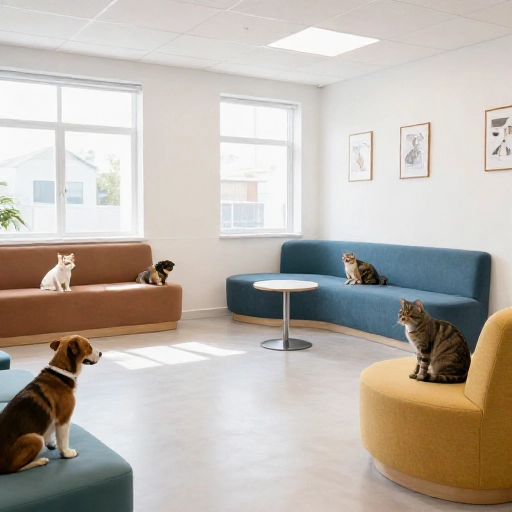
Let’s be honest—nobody loves going to the doctor, and that includes our furry family members. The smell of antiseptic, the echo of barking, and the cold stainless steel tables can make even the bravest pup nervous. If you’re designing or updating a veterinary clinic, you know that a pet’s stress level directly impacts how easy the exam is. A scared pet is harder to treat, and a stressed owner makes for a tough appointment.
The good news? You don’t need a massive budget to create a space that feels more spa than scary. Over the years, I’ve seen how small tweaks—like changing the lighting or adding a familiar scent—can completely transform a clinic’s vibe. Here are my favorite design concepts that put pets (and their humans) at ease, making your clinic the one they actually don’t dread visiting.
1. Zoned Waiting Areas for Different Species
This is the number one game changer. Imagine a tiny Chihuahua sitting next to a Great Dane—that’s a recipe for a panic attack, not a calm visit. Separating your waiting room into distinct zones for cats, dogs, and “exotics” reduces visual stress and keeps the airspace calmer.
Use half-walls, planters, or even different colored floor tiles to define the spaces. Cats should be up high or in a secluded corner, while dogs get the open floor. Always provide a visual barrier so prey animals don’t feel like they are being watched.
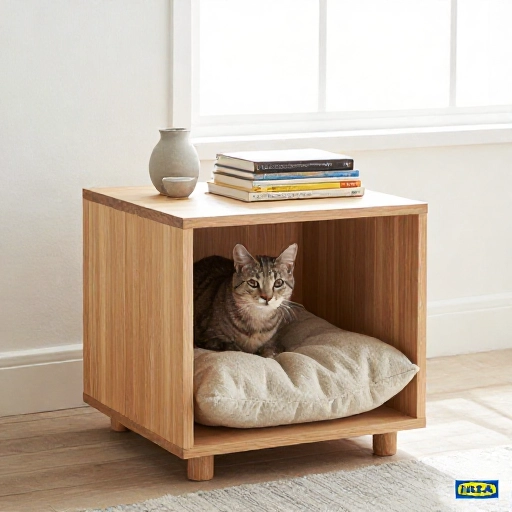
Even a simple bench with a high back can create a “safe cave” for a nervous feline. It’s about giving them a choice to hide, not just forcing them into the open.
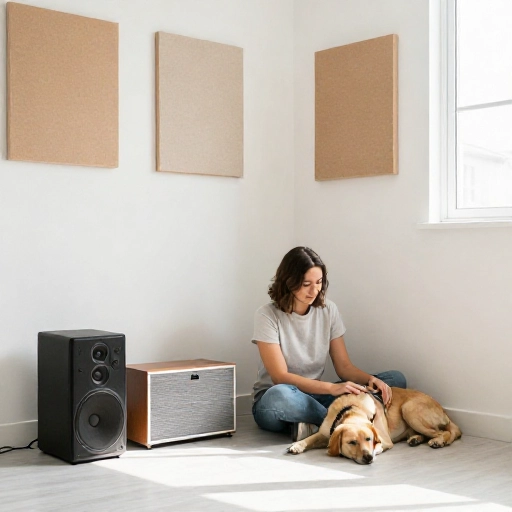
2. Soothing Soundscaping
Clinical silence is actually deafening for animals. They hear the fluorescent light hum, the water pipes, and every single footstep in the hallway. Harsh noise is a huge stress trigger. The fix isn’t silence; it’s controlled, soft sound.
Install acoustic ceiling tiles to absorb the echo of barking. Play soft, species-specific music—there are playlists made just for dogs and cats that lower their heart rates. In kennel areas, white noise machines are a lifesaver for muffling the sounds of other patients.
This is one of those design concepts that feels invisible but works overtime. A quiet clinic is a calm clinic.
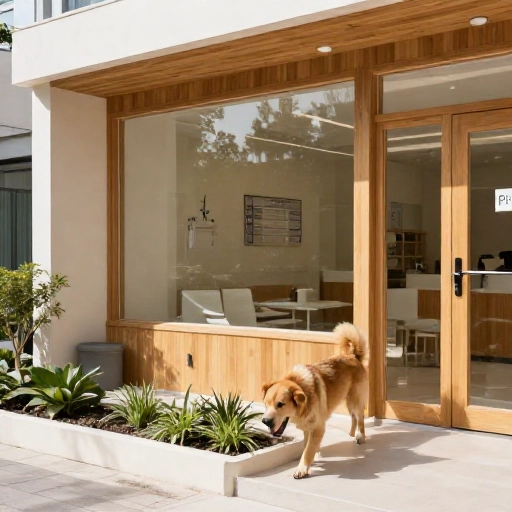
3. The Power of “Nose-First” Entry
Pets experience the world through their noses first. So, why does the front door smell like cleaning chemicals? Ditch the harsh bleach smell at the entrance. Instead, use scent-free or enzymatic cleaners that don’t linger.
Consider adding a small “sniff garden” outside the front door with calming herbs like lavender or chamomile (safe for pets). Let them sniff for a minute before they walk in. This gives them a positive “hello” instead of a chemical shock.
Inside, use pheromone diffusers (like Adaptil or Feliway) in the main areas. It’s like a gentle aromatherapy that tells their brain, “You are safe here.”
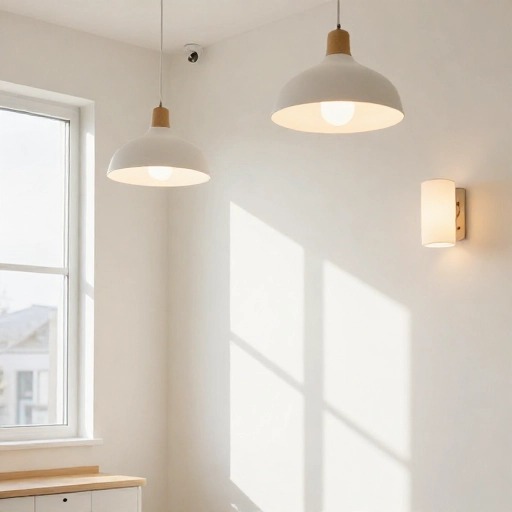
4. Adjustable Lighting (Ditch the Fluorescents)
Harsh overhead fluorescent lights are a nightmare for sensitive eyes. They flicker and cast shadows that make animals nervous. Your goal is to mimic a cozy living room, not a hospital hallway—until you need to do surgery, that is.
Use layered lighting: recessed dimmable LEDs for general light, and focused task lighting (like adjustable lamps) for exams. In waiting areas, use floor lamps and warm bulbs. You want the space to feel like a den.
If you have windows, keep the blinds open for natural light but offer shaded spots where a pet can retreat if they feel too exposed.
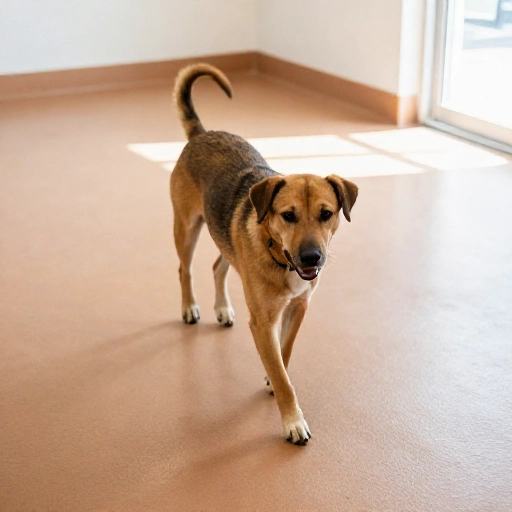
5. Slippery-Free Flooring Zones
There is nothing more terrifying for a senior dog than trying to get traction on a shiny, polished floor. Slipping causes panic and can lead to serious injuries. You need flooring that is functional for cleaning but comfortable for paws.
Use rubber flooring or luxury vinyl planks with a textured finish. In exam rooms, put down non-slip yoga mats or rubber mats on the table. This gives the pet a solid “grounding” feeling.
In kennels, avoid concrete—it’s cold and hard. Use raised beds or padded mats to keep them off the cold floor. It’s a small detail that makes a huge difference for their comfort.
6. Hidden Medical Equipment
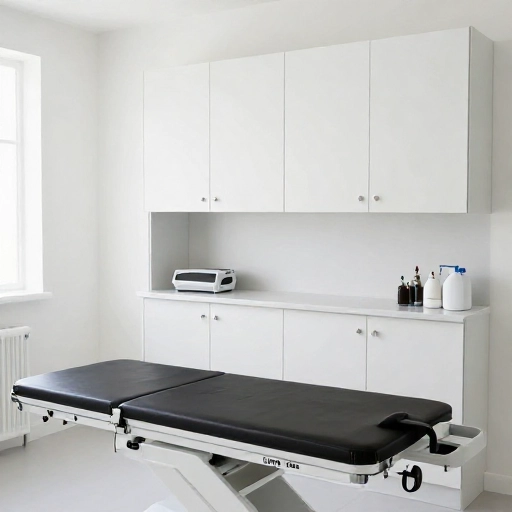
When a pet walks into a room, they are looking for danger. A scary machine with blinking lights and tubes is a red flag. The best design hides the “medical” look until it’s absolutely necessary.
Use cabinetry to conceal the anesthesia machines, monitors, and scales. Keep the exam table looking like a simple table, not a surgical station. When you do need the equipment, it can be brought out, but it shouldn’t be the first thing they see.
This “home-like” aesthetic lowers the pet’s initial guard, making the vet’s exam much smoother.
7. The “Happy Place” Treatment Room
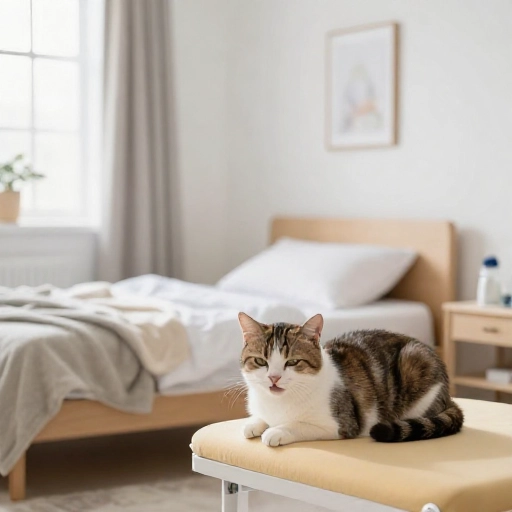
Not every room needs to be a sterile white box. If you have the space, design one “low-stress” treatment room that looks like a cozy bedroom. Use warm wood tones, soft fabrics, and even a couch for the owner to sit on.
This room is used for nail trims, ear cleanings, or just check-ups. It feels less like a doctor’s visit and more like a grooming session. It’s amazing how much easier it is to handle a nervous cat on a soft blanket on your lap than on a cold steel table.
This room builds trust. It tells the pet that not every time they come here is a scary poke-and-prod session.
8. Visual Barriers with Greenery
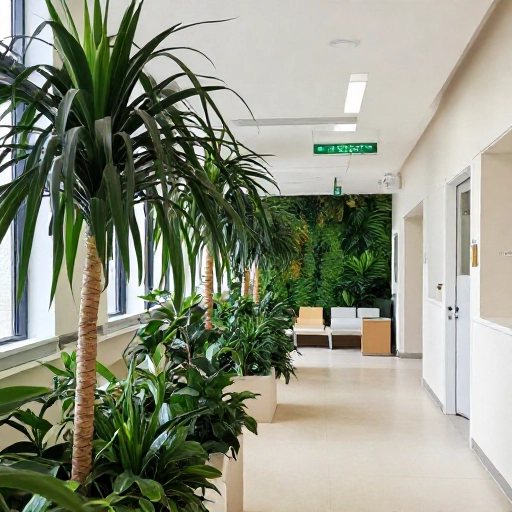
Animals feel trapped when they can see everything but can’t escape. Use tall plants (real or high-quality fake ones) to break up sightlines. This prevents your cat from staring at the dog in the other room and reduces the “fight or flight” response.
Placement is key. Put plants near the doorways so pets can’t see directly into the hallway. Use them to create a winding path instead of a straight shot into the exam room. This also adds a bit of life and warmth to the space, making it feel less sterile.
Just make sure any plants you use are non-toxic to animals.
9. Comfort-First Exam Tables
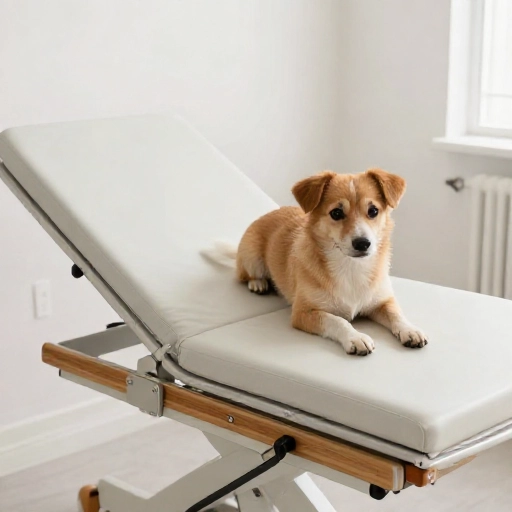
Let’s talk about the exam table itself. Cold metal is a no-go. Cover your tables with padded, washable covers or use rubber mats. Better yet, consider a “lap board” for small dogs and cats—a padded board that sits on the owner’s lap.
For larger dogs, an exam table that lowers to the floor is a godsend. It allows the dog to walk onto the scale or table without being lifted or forced up steps. This reduces anxiety for big dogs and prevents back injuries for the staff.
If you can, avoid the traditional “lift and place” method. Let the pet feel like they have some control.
10. A Fun “Exit Strategy”
The last memory a pet has of your clinic is the most important. If they remember the scary exit, they will fight the entrance next time. Make the exit positive and fun.
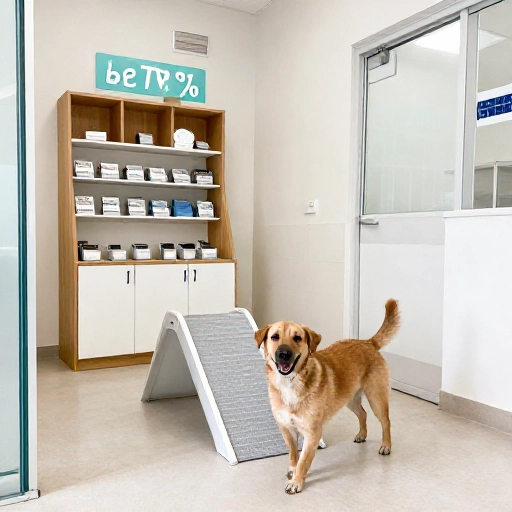
Keep a jar of treats by the front door. Have a “happy trail” leading out—maybe a ramp or a special rug they get to walk on. Have the staff say goodbye with a happy voice and a treat as they leave.
This simple concept creates a positive association. The pet learns, “If I go through that door, I get a cookie and I get to go home.” Trust me, that makes the next visit infinitely easier.
Wrapping Up Your Calm Clinic Journey
Designing a clinic that comforts pets isn’t just about looking pretty—it’s about reducing stress hormones, improving safety, and making your job easier. When a pet is calm, the vet can work faster, the diagnoses are more accurate (no false high heart rates!), and the owners feel confident recommending you to their friends.
You don’t have to do all ten of these at once. Start with the lighting—that’s a cheap fix. Then tackle the waiting room zones. Every little change you make puts you one step closer to being the clinic that pets actually walk into willingly.
Frequently Asked Questions
Q: What is the best flooring for a vet clinic to keep pets calm?
A: Go with textured rubber flooring or luxury vinyl plank. It’s softer on the joints, provides traction so they don’t slip, and is way warmer than tile or concrete.
Q: Do calming pheromone diffusers actually work in clinics?
A: Yes, they are highly effective as a baseline. They don’t work miracles, but they do create a chemical signal that helps lower anxiety. They work best when combined with other quiet design elements.
Q: How can I make my waiting room less stressful without a big renovation?
A: Simple changes like adding a “cat only” chair that is elevated, using a white noise machine, and putting up a visual barrier (like a curtain or plant) between the door and the seating area are quick wins.
Q: Should I use real plants in my animal clinic?
A: Yes, but only if they are 100% non-toxic. Great options are Areca Palms, Boston Ferns, or Spider Plants. Avoid lilies and sago palms. If you’re unsure, high-quality faux plants are just as good for breaking up sightlines.
Q: Is it worth having a separate cat entrance?
A: If your budget allows it, absolutely. It is the single best way to minimize stress for felines. If you can’t, a separate “cat alcove” or designated cat-only waiting time slot works wonders.