10 Inspiring Vet Office Decor Ideas for Happy Pets (That Owners Will Love Too)
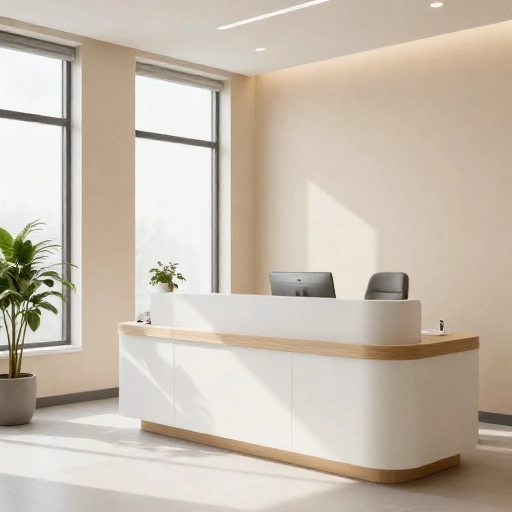
Walking into a veterinary clinic can be stressful—for the pets, sure, but also for the humans holding the leash. I’ve spent a lot of time in waiting rooms, and I know that the environment makes a huge difference in how quickly a nervous pup calms down or how anxious an owner feels.
The good news? You don’t need a massive renovation budget to create a space that feels warm, professional, and genuinely comforting. Over the years, I’ve gathered my favorite decor ideas that balance cleanliness (non-negotiable in a vet office!) with a cozy, approachable vibe. These are the touches that make tails wag just a little faster.
1. Start with a Calming, Neutral Color Palette
Forget the sterile, all-white look. It feels cold and clinical, which amps up anxiety. Instead, think soft sage greens, warm greiges, or muted blues. These colors mimic nature and have a proven calming effect on both animals and people.
You can keep the walls neutral but add warmth with wood-toned reception desks or woven baskets for storage. It creates a “spa-like” feel rather than a hospital vibe.
If you’re worried about stains (because let’s be real, accidents happen), choose washable paint with a satin finish. You get the calm color without the stress of permanent scuffs.
This simple shift in palette is the foundation for everything else you add.
2. Create a “Sniffing Station” in the Waiting Room
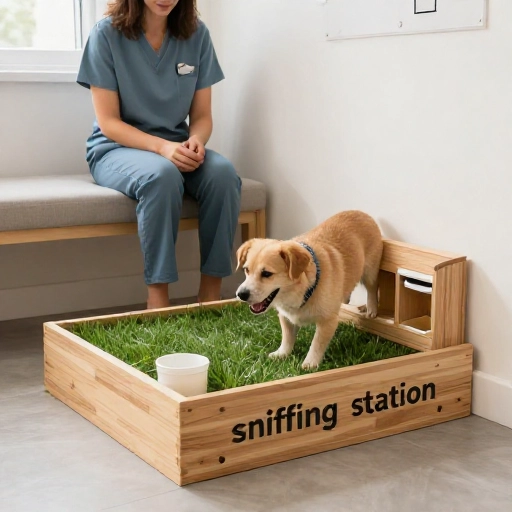
Dogs experience the world through their noses. A blank corner is a missed opportunity to distract them from the scary smells of medicine. I love the idea of a dedicated sniffing station—it’s decor that serves a purpose.
Install a low, washable artificial turf mat or a piece of slate tile. Scatter a few safe, non-toxic herbs like dried lavender or chamomile (check with your vet first!) or just let the texture do the work.
Add a small sign that says “Sniff Here!”—it’s a cute conversation starter and tells owners why it’s there. It keeps noses busy and brains happy.
It’s a tiny detail, but it completely changes the energy of the room.
3. Use Washable, Woven Baskets for Storage
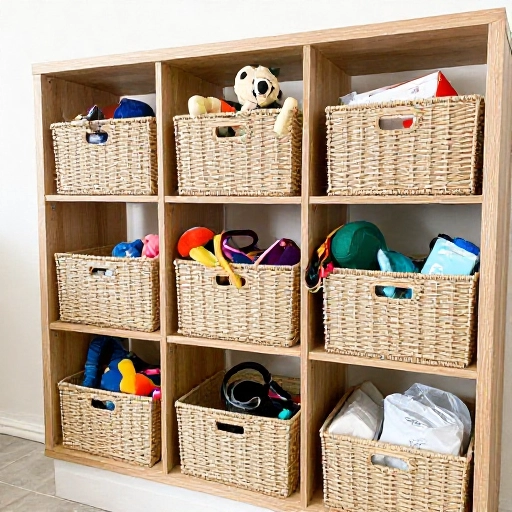
Open shelving with plastic bins screams “institutional.” Instead, use natural seagrass or rope baskets to hide leashes, brochures, and retail items. They add texture and warmth without looking cluttered.
Hang a few on the wall for vertical interest, or group them under a console table. Just make sure they are easy to wipe down and don’t have sharp edges.
This is an easy weekend swap that instantly makes the front desk feel more like a living room and less like a supply closet.
Plus, it keeps everything you need within arm’s reach for the staff.
4. Install Calming, Adjustable Lighting
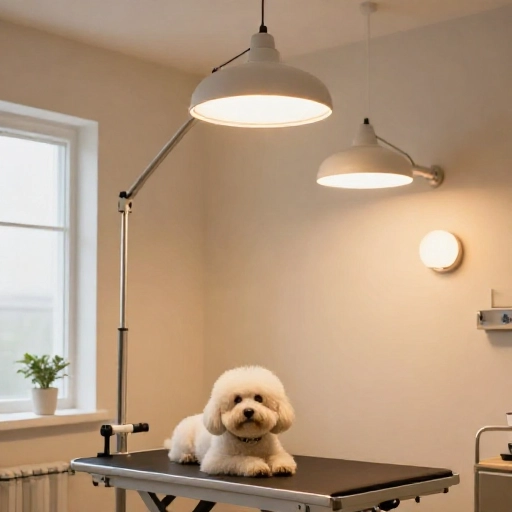
Harsh fluorescent lights are the enemy of a relaxed pet. They buzz, they flicker, and they cast an unflattering glow. If you can, swap them out for warm LED panels or dimmable recessed lights.
In exam rooms, this is crucial. A dog that is squinting under bright lights is harder to examine. Use a dimmer switch so you can lower the lights to a soft glow during procedures.
Add table lamps or floor lamps with warm bulbs in the lobby corners. It creates cozy pockets of light that feel safe.
Your eyes will thank you, and your patients will visibly relax.
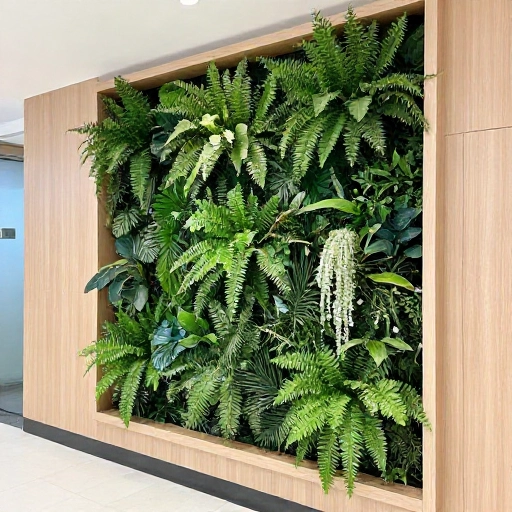
5. Add a Living Green Wall (or a Faux One)
Plants purify the air and reduce stress. But in a vet office, real plants can be knocked over, eaten, or watered messily. I recommend a vertical “green wall” using high-quality faux plants or preserved moss.
It brings a huge pop of life to a blank wall without any maintenance. It’s a stunning visual anchor that looks expensive but is actually quite affordable.
If you do want real plants, stick to hanging planters in high corners, out of reach of curious tails. Choose pet-safe varieties like spider plants or Boston ferns.
This decor piece makes your office look modern and forward-thinking.
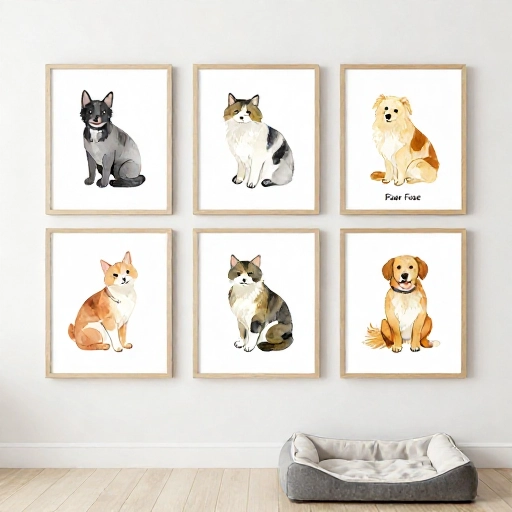
6. Design a “Fear Free” Exam Room Art Series
Blank exam room walls are boring. But standard puppy posters can feel cheesy. I love the idea of commissioning a local artist to create a series of abstract, soft-focused animal portraits.
Think watercolor washes of dogs and cats in muted tones. They are sophisticated enough for the human clients but visually interesting for the pets to look at.
Hang them at a low level, not just at human eye height. Let the pets have something to look at while they wait on the table.
It’s a unique touch that shows you care about the details.
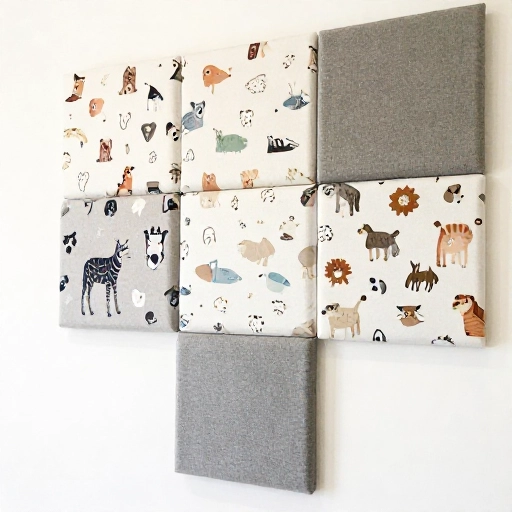
7. Use Acoustic Panels Wrapped in Fun Fabric
Vet offices are loud. Barking echoes, and the noise spikes anxiety. Acoustic panels don’t have to be ugly gray foam. You can order custom fabric-wrapped panels in fun, bold patterns—like subtle paw prints or abstract leaves.
Place them strategically on the walls of the waiting room and kennel areas. They reduce the echo and dampen the barking sounds, creating a quieter, more peaceful space.
This is a functional decor choice that has a massive impact on the overall vibe.
It’s an investment, but your staff’s ears and your patients’ nerves will appreciate it.
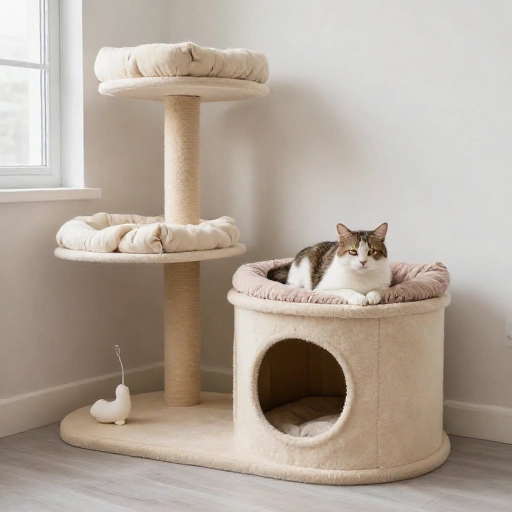
8. Build a Cozy “Cat Corner” Away from Dogs
Cats hate feeling exposed. If your lobby is a single shared space, you need to create vertical and visual barriers. Use tall shelving units or decorative room dividers to carve out a separate cat zone.
Place cat carriers on high shelves (they feel safer up high) and add a soft blanket. Spray the area with a synthetic feline pheromone diffuser.
Decorate this corner with calming, nature-inspired art—like birds or fish—to distract them. Keep the traffic flow so dogs don’t walk directly past the cats.
This thoughtful separation is one of the best decor decisions you can make.
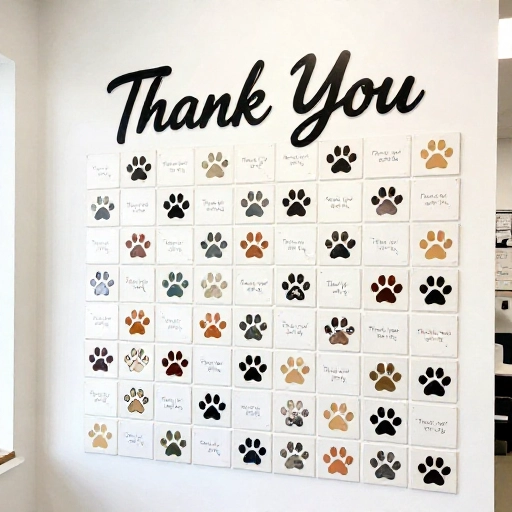
9. Create a “Thank You” Paw Print Wall
Turn your decor into a tribute to your patients. Paint a large, magnetic chalkboard wall. Invite clients to dip their pet’s paw in washable paint and stamp it on the wall, writing their pet’s name underneath.
It’s organic, ever-changing, and full of love. It becomes a community art piece that clients love to look at and find their own pet’s print.
It’s a low-cost, high-emotional-value decoration that makes your clinic feel like a family.
Plus, it gives owners a positive, happy activity to do while they wait.
10. Add Weighted Blankets and Cozy Textures
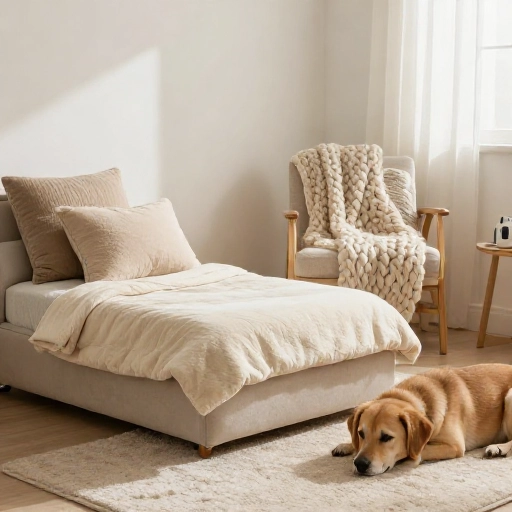
Decor isn’t just about walls and paint. The textiles you choose matter. Swap out cold, crinkly exam table paper for soft, washable fleece pads. In the waiting area, provide heavy, textured throw blankets for nervous dogs.
Weighted blankets provide deep pressure therapy, which is scientifically proven to calm anxiety. Store them in a cute, labeled bin. They will get dirty, so have a laundry rotation.
Choose fabrics in earthy tones like rust, mustard, and olive to match your color palette. It adds a homey feel that is incredibly comforting.
This is the kind of thoughtful detail that gets you five-star reviews.
Wrapping It Up
Redesigning your vet office doesn’t have to be overwhelming. Start with one or two of these ideas that speak to your space and budget. Even just switching to warmer lighting or adding a sniffing station can change the entire mood of your clinic.
Remember, your decor is a silent promise to your clients. It tells them you care about their pet’s emotional well-being as much as their physical health. A happy pet makes for a happy owner, and a happy owner becomes a loyal client for life.
Frequently Asked Questions
What is the best color to paint a vet office?
Muted greens, soft blues, and warm greiges are the best choices. They feel natural and calming. Avoid bright reds or stark whites that can increase anxiety.
How can I make a small vet waiting room feel bigger?
Use vertical storage like wall-mounted shelves and baskets. Hang mirrors to reflect light and create depth. Keep the floor clear of clutter and use light, cool colors on the walls.
Are real plants safe in a veterinary clinic?
Yes, but you must choose pet-safe varieties like spider plants, areca palms, or ferns. Avoid lilies, sago palms, and aloe vera. Always place them out of reach of curious mouths.
How do I reduce noise in a kennel area?
Use acoustic foam panels wrapped in decorative fabric. Adding soft bedding and rugs also absorbs sound. Playing classical music at a low volume can also help mask sudden, sharp noises.
What is the most important decor element for a fear-free vet visit?
Lighting is the most important. Harsh fluorescent lights are stressful. Install dimmable, warm LED lights to create a soft, gentle atmosphere that instantly relaxes nervous animals.