5 Vet-Approved Homemade Dog Food Recipes Your Pup Will Beg For (Easy & Healthy!)
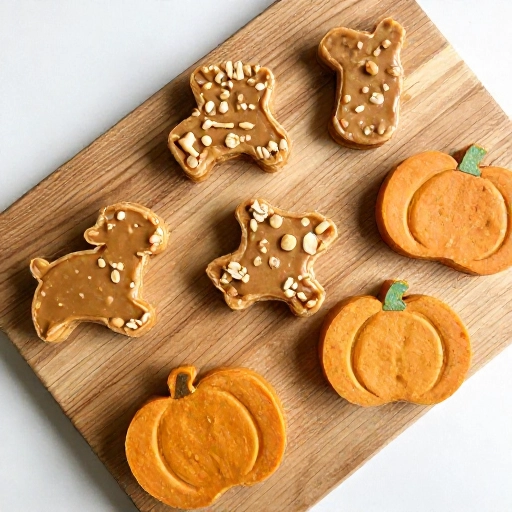
If you’re anything like me, your dog isn’t just a pet—they’re family. And just like I want the best for my human family, I want the best for my furry best friend. That’s why I started experimenting with homemade dog food. Not only do I know exactly what’s going into every bowl, but it’s also incredibly rewarding to watch my pup do a happy dance at dinner time. Plus, it’s a fantastic way to cater to specific dietary needs or picky eaters.
I know the thought of making your own dog food can feel a little overwhelming, but I promise it’s easier than you think. These five recipes are not only simple to whip up in your own kitchen, but they’re also formulated with your dog’s health in mind. We’re talking balanced ingredients, healthy fats, and lots of flavor. I’ve consulted with my own vet on these recipes to ensure they’re safe, nutritious, and perfect for a healthy, happy pup. Let’s get cooking for our favorite four-legged friends!
1. Peanut Butter & Pumpkin Power Bites
These no-bake bites are the ultimate crowd-pleaser. The pumpkin is fantastic for digestion, while the peanut butter provides a healthy dose of protein and healthy fats that keep your dog’s coat shiny. They’re perfect for training treats or a quick afternoon snack, and the smell alone will have your pup following you around the kitchen.
- 1 cup canned pumpkin (make sure it’s 100% pure pumpkin, not pie filling)
- 1/2 cup natural, unsalted peanut butter (xylitol-free is a must!)
- 1 1/2 cups rolled oats
- 1/4 cup ground flaxseed
- 1/2 teaspoon cinnamon (optional, but great for flavor)
- In a large bowl, mix the pumpkin, peanut butter, and cinnamon until well combined.
- Stir in the rolled oats and flaxseed until a thick dough forms.
- Roll the dough into small, bite-sized balls and refrigerate for at least 30 minutes before serving. Store leftovers in an airtight container in the fridge.
2. Hearty Beef & Veggie Stew
This stew is a wholesome, complete meal that’s packed with lean protein and nutrient-rich vegetables. It’s a fantastic option for dogs who need a little extra encouragement to eat their veggies, and the slow-cooked broth is incredibly hydrating and flavorful. It’s like a warm hug in a bowl for your dog.
- 1 lb lean ground beef or turkey
- 1 medium sweet potato, peeled and diced
- 1 cup chopped carrots
- 1/2 cup green beans, chopped
- 2 cups low-sodium chicken broth
- In a large pot, brown the ground meat over medium heat until fully cooked. Drain any excess fat.
- Add the sweet potato, carrots, green beans, and chicken broth to the pot. Bring to a boil, then reduce the heat and simmer for 20-25 minutes, or until the vegetables are tender.
- Let the stew cool completely before serving. You can mash it slightly for smaller dogs or serve it as is.
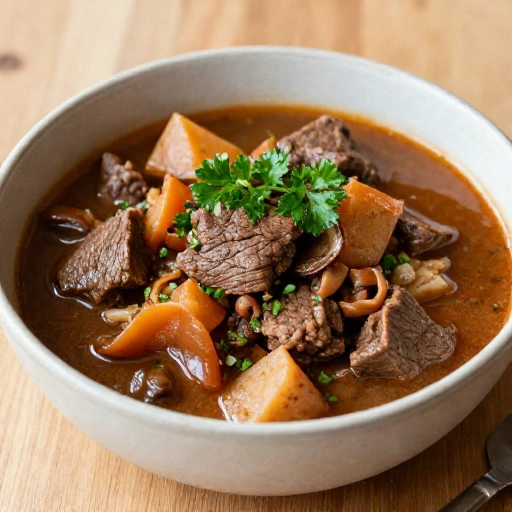
3. Salmon & Sweet Potato Dinner
This recipe is a superstar for skin and coat health, thanks to the omega-3 fatty acids found in salmon. Sweet potatoes offer a great source of fiber, vitamins, and complex carbohydrates for lasting energy. It’s a slightly fancier meal that feels like a special treat, but it’s so simple to make.
- 1 lb fresh salmon fillet, skin removed
- 1 large sweet potato, peeled and cubed
- 1 cup spinach, chopped
- 1/2 cup cooked quinoa or rice
- 1 tablespoon olive oil
- Preheat your oven to 375°F (190°C). Place the salmon and sweet potato cubes on a baking sheet, drizzle with olive oil, and bake for 15-20 minutes, or until the salmon is flaky and the sweet potato is tender.
- While that’s baking, cook your quinoa or rice according to package directions. In the last minute, stir in the chopped spinach to wilt it slightly.
- Once cool enough to handle, flake the salmon, making sure to remove any bones, and mix everything together in a big bowl.
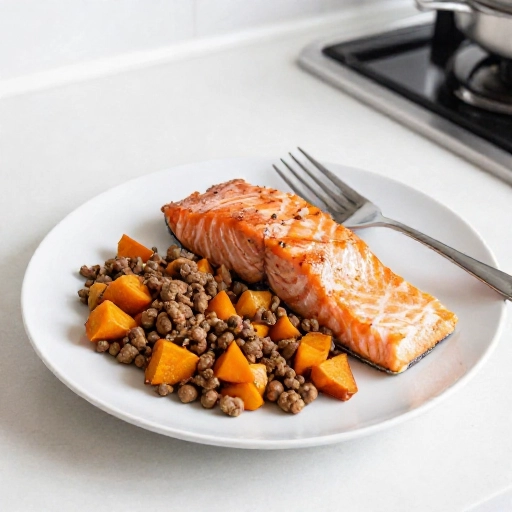
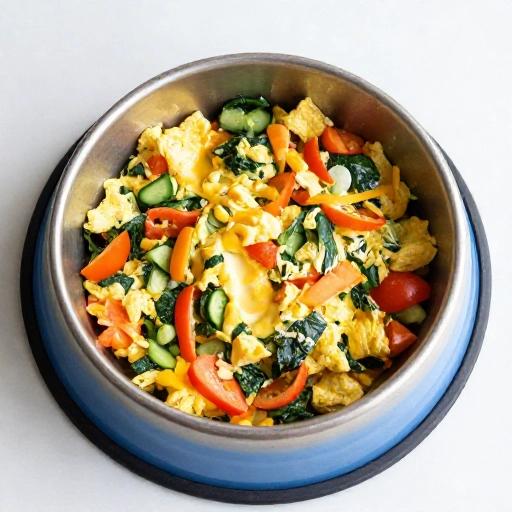
4. Cheesy Veggie Egg Scramble
This is my go-to quick breakfast or light lunch for my dog. Eggs are a fantastic source of easily digestible protein, and the cheese adds a touch of irresistible flavor that even the pickiest eaters can’t resist. The veggies add a nice crunch and a boost of vitamins, making it a well-rounded mini-meal.
- 2 large eggs
- 1/4 cup shredded cheddar cheese (low-fat is a good option)
- 1/4 cup chopped zucchini or bell pepper
- 1 tablespoon cottage cheese
- A splash of water
- Crack the eggs into a bowl, add a splash of water, and whisk until frothy.
- Heat a lightly oiled non-stick skillet over medium heat. Pour in the eggs and add the chopped veggies.
- Gently scramble the eggs until they are cooked through. Remove from heat and stir in the shredded cheese and cottage cheese until just melted.
5. Berry Bliss Frozen Yogurt Pupsicles
These frozen treats are perfect for hot summer days or as a fun, refreshing reward. They’re made with gut-friendly yogurt and antioxidant-rich berries, making them a healthy and hydrating snack. Plus, they’re super fun to make and even more fun to watch your dog enjoy!
- 1 cup plain, unsweetened Greek yogurt
- 1/2 cup mixed berries (blueberries, strawberries, or raspberries)
- 1 tablespoon honey (optional, for a touch of sweetness)
- Silicone molds or an ice cube tray
- Combine the Greek yogurt, berries, and honey in a blender and blend until smooth.
- Pour the mixture into your silicone molds or ice cube trays.
- Freeze for at least 4 hours, or until solid. Pop them out and serve as a cool, delicious treat.

Tips & Safe Baking Guidelines
Making homemade dog food is a labor of love, but it’s crucial to do it safely. I always remember that my dog’s digestive system is different from mine. Here are a few of my top tips to keep your furry friend happy and healthy.
For storage, most of these fresh recipes will last for up to 3-4 days in an airtight container in the refrigerator. For longer storage, you can freeze portions in individual baggies or containers for up to 3 months. Just thaw them overnight in the fridge before serving. I also like to write the date on the container so I never lose track of freshness.
When it comes to ingredients, always avoid anything with xylitol (a common sweetener in peanut butter), onions, garlic, grapes, raisins, and chocolate. These are all toxic to dogs. Also, be mindful of portion sizes. Treats should make up no more than 10% of your dog’s daily calorie intake. For complete meals, always check with your vet to ensure the recipe meets your specific dog’s nutritional needs, especially if they have any health conditions.
Final Thoughts on Homemade Meals
I hope these recipes bring as much joy to your kitchen and your pup as they have to mine. There’s something so special about preparing a meal with love and seeing the sheer excitement on your dog’s face. Remember, you are your dog’s best advocate, and knowing exactly what goes into their food is one of the best gifts you can give them. Happy cooking, and give your furry friend a big hug from me and my pup!
Frequently Asked Questions
How do I know if my dog is allergic to an ingredient?
Start by introducing any new food slowly. Give a small amount and watch for signs of an allergic reaction, such as itching, hives, vomiting, or diarrhea. If you notice any of these, stop feeding the new food and consult your vet. Introducing one new ingredient at a time helps you pinpoint the culprit.
Can I feed my dog a completely homemade diet every day?
Yes, you can, but it’s essential to ensure the diet is complete and balanced. This means it must have the correct ratios of protein, fats, carbohydrates, vitamins, and minerals. I highly recommend working with your veterinarian or a veterinary nutritionist to formulate a daily meal plan that’s tailored to your dog’s specific age, breed, size, and activity level.
Is it cheaper to make homemade dog food?
It can be, but it depends on the ingredients you choose. Buying in bulk and using simple, seasonal ingredients like sweet potatoes, carrots, and eggs can be very cost-effective. However, if you’re using high-quality proteins like fresh salmon or grass-fed beef, the cost can be comparable to, or even higher than, premium commercial dog food.
What is a good substitute for peanut butter?
If your dog has a peanut allergy or you just want to switch things up, you can use other nut butters like almond or cashew butter, as long as they are natural and xylitol-free. You can also use sunflower seed butter, which is a great nut-free option. Just always check the label for any added sugars or harmful sweeteners.
My dog is a senior and has trouble chewing. What should I do?
For senior dogs or those with dental issues, you can easily adapt these recipes. For the stew and dinner recipes, simply mash the ingredients thoroughly or pulse them in a food processor to create a softer, pâté-like texture. You can also add a little extra broth to make it more of a gruel, which is easier to lap up and digest.