12 Ways to Fight Dog Abuse and Protect Vulnerable Pets
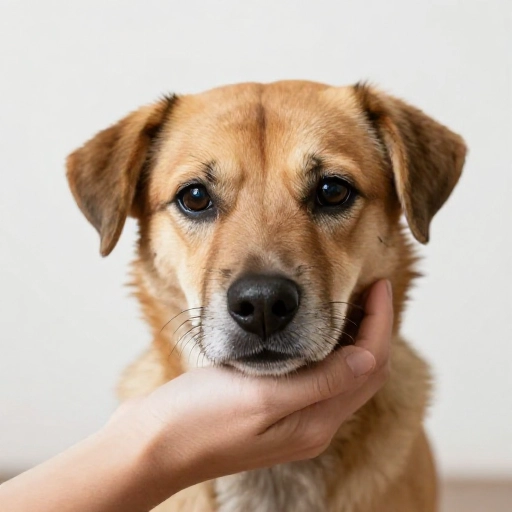
I never thought I’d see a dog tied to a fence in the rain, but last winter, I did. It broke something in me. Since then, I’ve learned that fighting dog abuse isn’t just about rescuing one animal—it’s about building a world where it doesn’t happen in the first place.
Whether you’re a seasoned advocate or someone who just wants to help, these 12 practical actions can make a real difference. No judgment, no guilt—just small, powerful steps you can take starting today.
1. Learn the Signs of Abuse and Neglect
You can’t fight what you don’t recognize. Abuse isn’t always obvious. Sometimes it’s a dog that flinches when you raise your hand, or one with a collar so tight it’s rubbed raw.
Common red flags include:
- Extreme thinness or visible ribs
- Untreated injuries, limping, or missing fur
- Fearful, aggressive, or shut-down behavior
- Being left outside without shelter in extreme weather
If you see these signs, don’t look away. Write down what you observe, take a photo if safe, and report it to your local animal control or humane society. Your eyes might be the only voice that dog has.

2. Report Suspected Abuse the Right Way
When I reported my first case, I was nervous. Would they think I was overreacting? But here’s the truth: most cruelty cases are never reported because people stay silent.
Call your local animal control, sheriff’s office, or SPCA. Give them the exact address, time of day, and what you saw. Stick to facts, not emotions. If they don’t respond, call again. Follow up. Be polite but persistent.
You don’t need proof. You just need reasonable suspicion. Let the authorities investigate from there.
3. Support Your Local Animal Shelter
Shelters are on the front lines of abuse every single day. But they’re often underfunded and overwhelmed. Your support matters more than you know.
Here’s what helps most:
- Donate money—they can stretch it further than you can
- Give supplies: unopened food, old towels, cleaning products, leashes
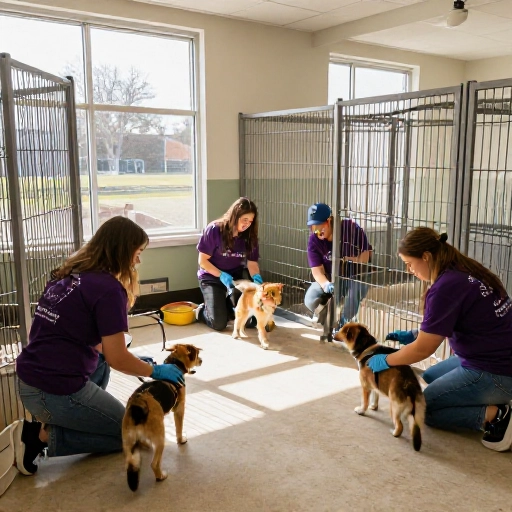
- Volunteer for dog walking, cleaning kennels, or administrative tasks
- Foster a pet if you have space at home
Even two hours a month can lighten the load for shelter staff who are giving everything they have.
4. Spay and Neuter—It Stops the Cycle
I know this one sounds simple, but it’s one of the most powerful tools we have. Unwanted litters end up in shelters, and shelters that are too full sometimes have to make heartbreaking choices.
Spaying and neutering reduces the number of dogs born into neglect. It also lowers roaming, fighting, and certain health problems.
If cost is an issue, look for low-cost clinics in your area. Many communities offer vouchers or free programs. One surgery can prevent dozens of suffering dogs down the road.

5. Educate Without Shaming
I used to get angry at people who kept dogs on chains. But I’ve learned that many don’t know better—they’re repeating what they saw growing up. Shaming them just makes them defensive.
Instead, try a gentle conversation. “Hey, I noticed your dog seems cold at night. I found this cheap straw bedding that really helps.” A small tip, offered kindly, can plant a seed.
Share articles, talk to neighbors, and lead by example. Change happens one conversation at a time.

6. Advocate for Stronger Laws
In many places, animal cruelty is still a misdemeanor. That means abusers get a slap on the wrist and often keep their pets. That’s wrong.
You can push for change by:
- Signing petitions for stronger animal cruelty laws
- Writing to your local representatives
- Supporting organizations that lobby for animal protection
- Voting for candidates who care about animal welfare
Laws set the baseline for what’s acceptable. Raising that baseline protects every dog in your community.

7. Be a Responsible Dog Owner Yourself
I know this sounds obvious, but the best way to fight abuse is to show what good care looks like. Your dog is a walking example of kindness.
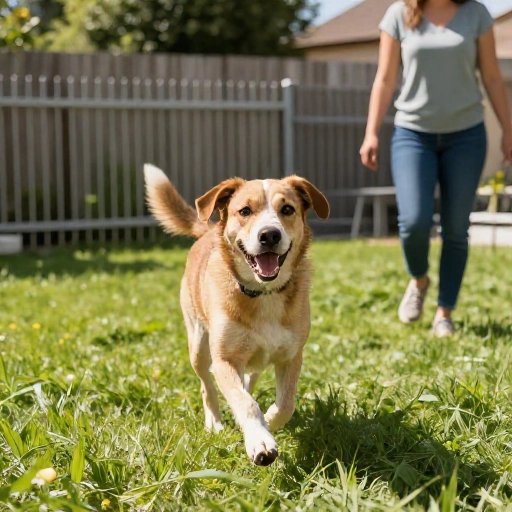
Provide proper food, fresh water, shelter, and veterinary care. Never hit or yell as discipline—use positive training instead. Keep your dog on a leash in public and make sure they have ID tags.
When people see a happy, healthy, well-cared-for dog, they start to notice what’s missing in other situations.
8. Help Dogs in Dangerous Situations Directly
Sometimes you can’t wait for authorities. If a dog is locked in a hot car, you may need to act fast. Note the car’s make, model, and license plate. Go to nearby stores and ask for the owner to be paged.
If the dog is in immediate danger (panting heavily, unresponsive), call 911 or animal control. Some states have “Good Samaritan” laws that protect you if you break a window to save a pet.
Always prioritize your own safety, but don’t be afraid to intervene when a life is at stake.
9. Donate to Bailout and Rescue Funds
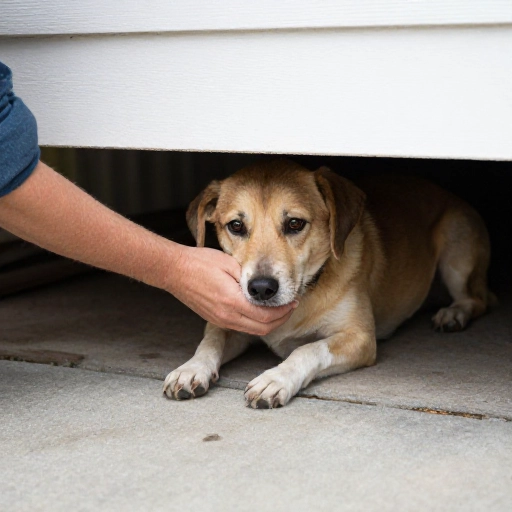
When animal cruelty cases go to court, the dogs involved are often held as evidence. That can mean months in a kennel, growing more scared and shut down every day.
Bailout funds pay for these dogs to be released to rescues immediately. They cover medical care, boarding, and transport. Even $10 can help pull a dog from a bad situation into a loving foster home.
Search for “animal cruelty bailout fund” or “court case dog rescue” in your area. These groups do quiet, crucial work.

10. Spread Awareness on Social Media
You don’t need a huge following to make a difference. One share can reach someone who’s ready to adopt, foster, or report abuse.
Share posts from reputable rescues and shelters. Use hashtags like #AdoptDontShop, #EndDogAbuse, and #FosterDog. But don’t just repost—add your own story. “This dog reminds me of my rescue. He was in bad shape too, but now he’s snoring on my couch.”
Real stories move people. Your voice adds a human touch that statistics can’t.

11. Offer Practical Help to Struggling Owners
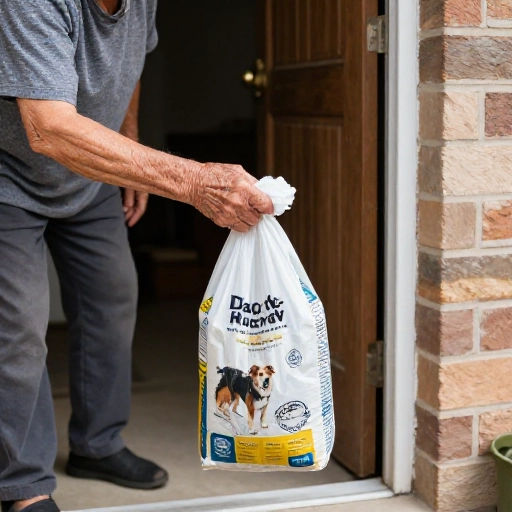
Not every neglected dog belongs to a bad person. Some owners are elderly, ill, or going through a tough time. They love their dog but can’t afford food or vet care.
If you know someone in this situation, offer help without judgment. “I’m picking up dog food anyway—can I grab an extra bag for you?” Or, “I know a low-cost vet clinic if you need it.”
You might prevent a surrender or a case of neglect just by being a good neighbor.
12. Never Look Away
This is the hardest one. It’s easier to scroll past, to tell yourself someone else will handle it. But abuse thrives in silence.
I’ve made calls that went nowhere. I’ve had people get angry at me. But I’ve also seen dogs get second chances because one person refused to ignore what they saw.
You don’t have to save every dog. Just the one in front of you. That’s enough.

Final Thoughts
Fighting dog abuse isn’t about being a hero. It’s about being human. Every small action—a call, a donation, a conversation—adds up to a safer world for the dogs who trust us.
Start with one step today. Your heart knows which one.
Frequently Asked Questions
What should I do if I see a dog being abused?
Stay calm and safe. Document what you see (photos, notes, location). Report it to your local animal control, sheriff’s office, or humane society immediately. Follow up if you don’t get a response.
Can I report anonymously?
Yes, most agencies allow anonymous reporting. But giving your contact info can help if they need more details. Your name is usually kept confidential.
How do I know if a dog is really abused or just having a bad day?
Look for patterns. A single day of barking might be nothing. But repeated signs—weight loss, untreated injuries, lack of shelter, fearful behavior—signal ongoing neglect or abuse.
Is it legal to break a car window to save a dog?
It depends on your state. Some states have Good Samaritan laws that protect you if the dog is in immediate danger. Call 911 or animal control first if you can. Always check local laws before acting.
I don’t have money to donate. How else can I help?
Your time and voice are priceless. Volunteer at a shelter, foster a dog, share rescue posts on social media, or simply talk to neighbors about responsible pet care. Every bit counts.