12 Tips for Safely Introducing Dogs to Each Other
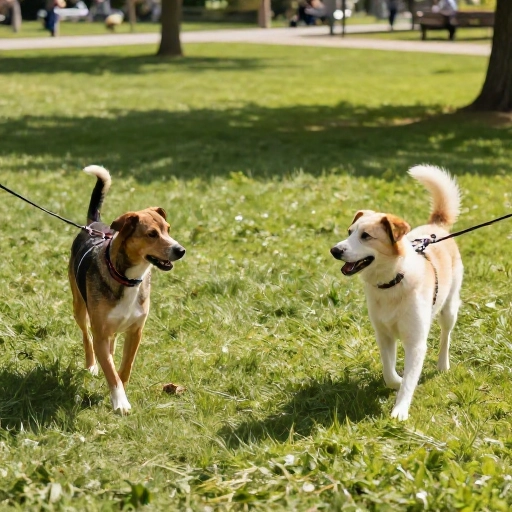
Bringing two dogs together for the first time can feel a little like setting up a blind date. You want them to like each other, but you also know things could go sideways fast. I’ve been through this more times than I can count, and I’ve learned that a calm, slow introduction makes all the difference.
Whether you’re bringing home a new puppy or introducing your dog to a friend’s pup, your goal is the same: keep both dogs safe and set them up for a positive relationship. These twelve tips come straight from real-life experience (and a few mistakes I’ve made along the way). Let’s get into it.
1. Start on Neutral Ground
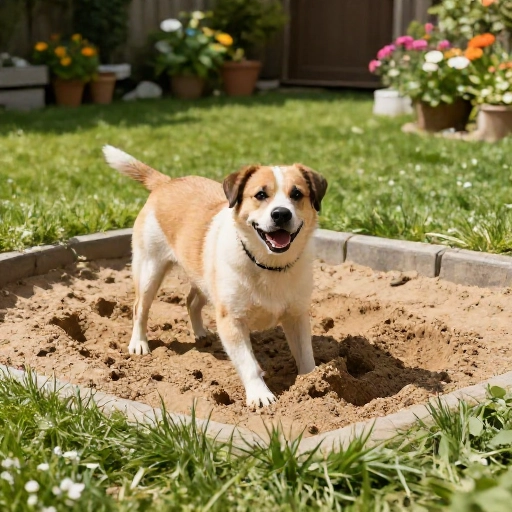
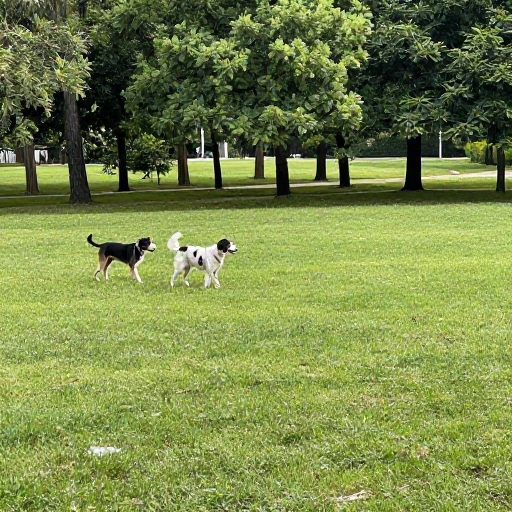
Never introduce dogs in your home or yard first. Your dog sees that space as their territory, and a new dog walking in can feel like an invasion. Instead, pick a neutral spot like a quiet park, an empty field, or a wide sidewalk where neither dog has been before.
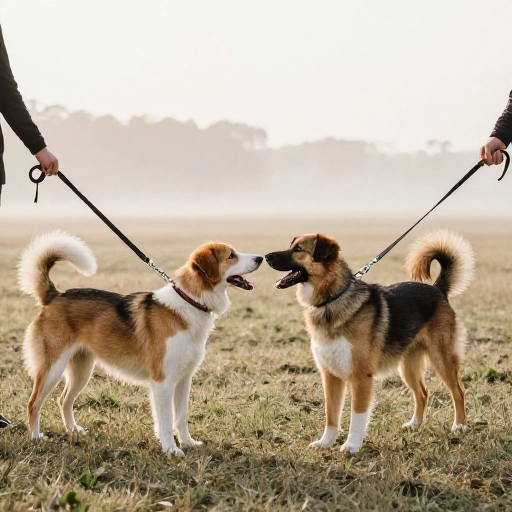
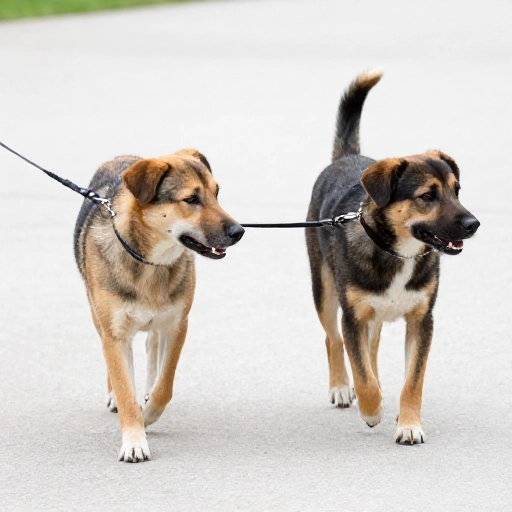
Both dogs should be on loose leashes (not pulled tight) so they can move naturally. Walk them parallel to each other at a distance, letting them sniff the ground and get used to each other’s presence without face-to-face pressure. This takes the edge off and builds curiosity instead of tension.
2. Watch Your Own Energy
Dogs read your energy like a book. If you’re nervous, tense, or holding your breath, your dog will pick up on it and think something is wrong. I’ve had to remind myself to take a deep breath and relax my shoulders before every introduction.
Speak in a calm, cheerful tone. Keep your movements slow and steady. When you act like this is no big deal, your dog is much more likely to feel the same way. Fake it till you make it if you have to—your dog will thank you.

3. Use Two Handlers
One person handling both dogs is a recipe for tangled leashes and missed signals. You really need two people, one for each dog, especially during that first meeting. Each handler can focus on their own dog’s body language and keep things under control.
If you’re doing this solo, it’s much harder to separate them quickly if things get tense. Recruit a friend, family member, or even a neighbor. Two sets of hands make the whole process smoother and safer for everyone.
4. Keep Leashes Loose
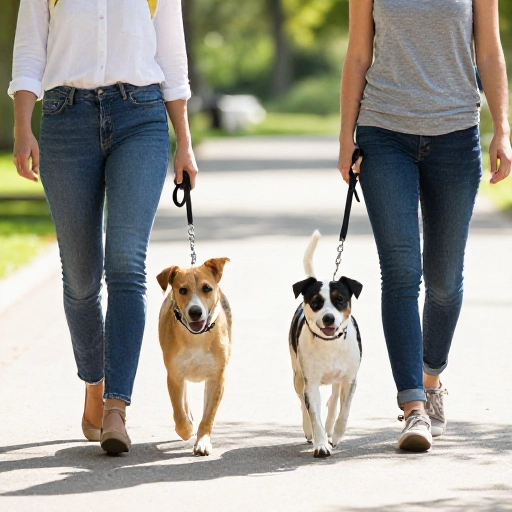
A tight leash can actually make a dog more reactive. When you pull the leash short, it restricts their movement and can create frustration or anxiety. Dogs communicate a lot through body language, and they need some slack to move naturally.
Use a standard flat leash, not a retractable one. Let the leash hang in a loose “J” shape so both dogs can circle, sniff, and back away if they need to. If you feel tension building, just create more space by walking away calmly.
5. Let Them Sniff, But Not Too Long
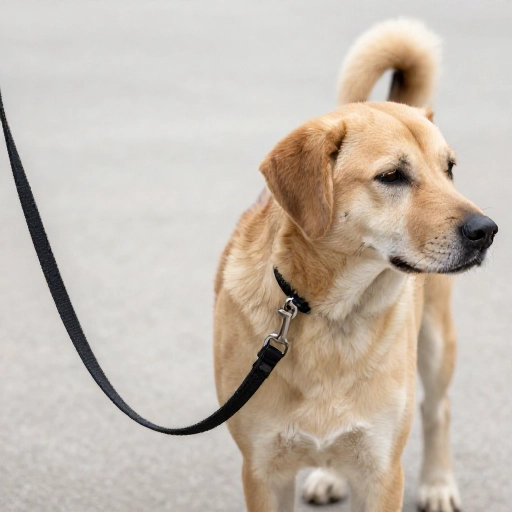
Sniffing is how dogs say hello. It’s polite and natural, and you should let them do it for a few seconds. But here’s the trick: keep that first greeting short. Three to five seconds of sniffing is plenty. After that, call your dog away and keep walking.
Long, face-to-face sniffs can turn into a stare-down or a challenge. By keeping greetings brief, you prevent that awkward moment from escalating. You can always let them sniff again later after they’ve had more time to settle.
6. Watch for Stiffness and Stares
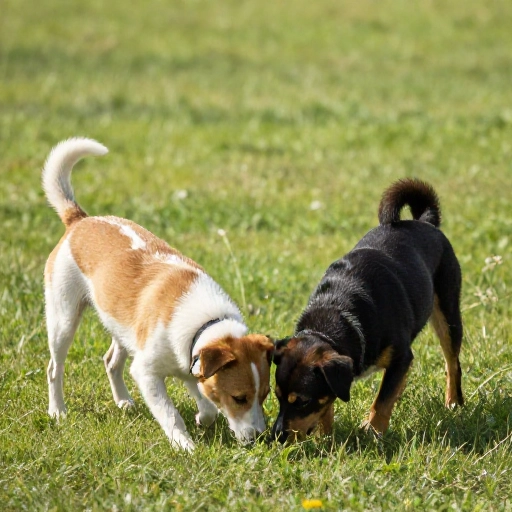
Not all tail wags are happy wags. A stiff, high-held tail combined with a hard stare is a warning sign, not a friendly invitation. You want to see loose, wiggly bodies, soft eyes, and maybe even a play bow.
If either dog freezes, goes rigid, or stares without blinking, it’s time to create space. Call your dog away, turn around, and walk in the other direction. Giving them a break helps reset the mood and prevents things from boiling over.
7. Take It Slow and Don’t Rush
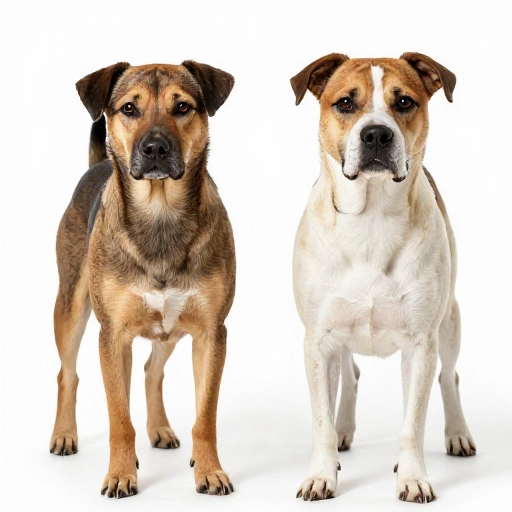
Some dogs hit it off immediately. Others need days or even weeks of slow introductions. Don’t push them to be best friends right away. If one dog seems unsure, that’s okay. Go back to walking at a distance and let them get comfortable at their own pace.
I’ve learned the hard way that rushing almost always backfires. A slow, patient introduction builds trust. If you need to do several short walks over a few days before they can play, that’s totally normal. Good things take time.
8. Remove High-Value Toys and Food
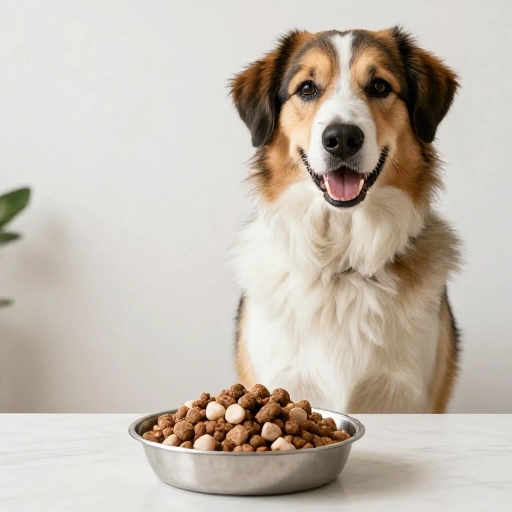
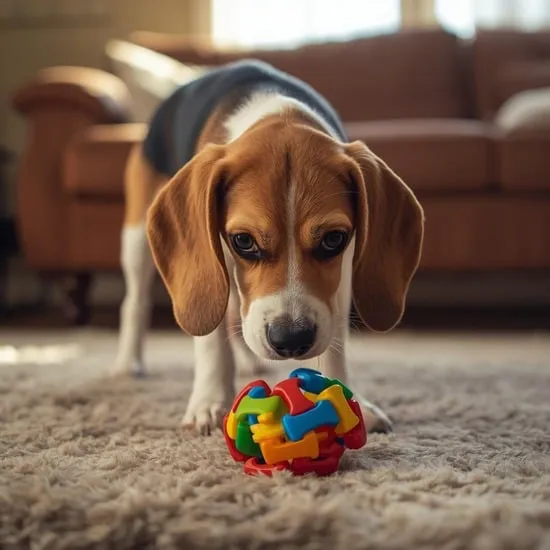
Even the friendliest dogs can get possessive over a favorite toy, a bone, or a bowl of food. Before the dogs meet, pick up anything they might guard. That means no treats lying around, no chew toys, and no food bowls on the floor.
If you want to reward them during the walk, use small, low-value treats that you can toss on the ground away from each other. This keeps the focus on the positive experience without creating competition.
9. Give Each Dog Their Own Space at Home
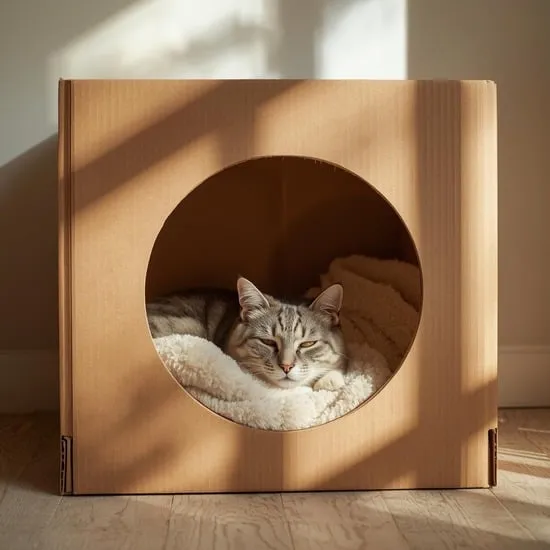
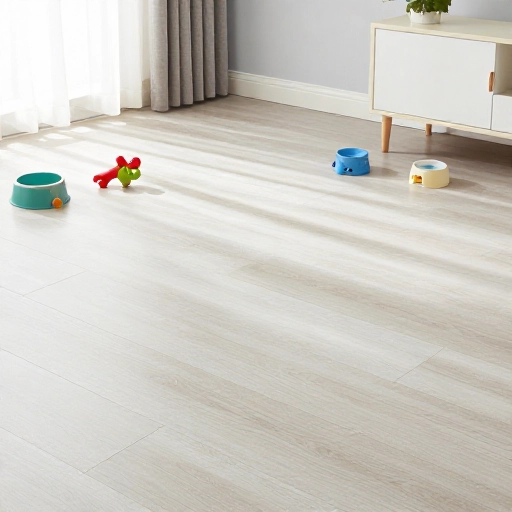
When it’s time to bring them inside, set up separate areas with their own beds, water bowls, and safe spots. This gives both dogs a place to retreat if they feel overwhelmed. Crates or baby gates work great for this.
Don’t force them to share a room or a bed right away. Let them have time apart to decompress. Over the next few days, you can gradually give them more together time as they show signs of comfort and trust.
10. Let the Older or Resident Dog Set the Pace
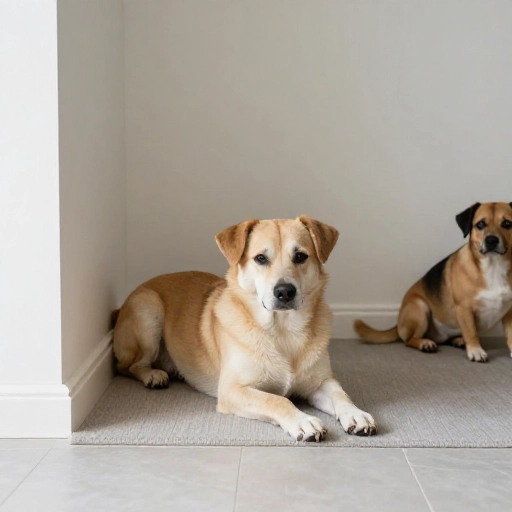
If you have an older dog at home, let them decide how fast things go. Older dogs often have less patience for puppy energy, and that’s perfectly normal. Don’t force them to tolerate annoying behavior just because the new dog is cute.
Give your resident dog plenty of breaks and one-on-one time with you. If they growl or walk away, respect that. A growl is a clear communication, not a sign of aggression. Listening to it now prevents problems later.
11. Don’t Force Face-to-Face Greetings
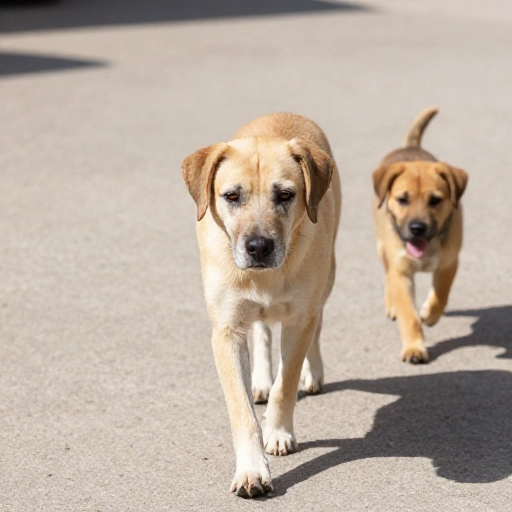
Humans love face-to-face greetings, but dogs find them rude and confrontational. A proper dog greeting happens side-by-side or at an angle, not nose-to-nose. Never push two dogs together by their collars or force them to “say hi.”
Let them approach each other naturally while walking. If one dog wants to avoid the other, that’s fine. Forcing contact can create fear or defensiveness. A good introduction feels more like a casual stroll than a formal meeting.
12. Know When to Call It a Day
Sometimes the best thing you can do is end the session early. If either dog seems tired, overwhelmed, or grumpy, just stop. You don’t have to push through to some magical moment of friendship. A short, positive meeting is way better than a long, stressful one.
End on a good note with a calm walk back to the car or home. Give both dogs a treat and some quiet time. You can always try again tomorrow. The goal is to build positive associations, not to check a box.
Conclusion
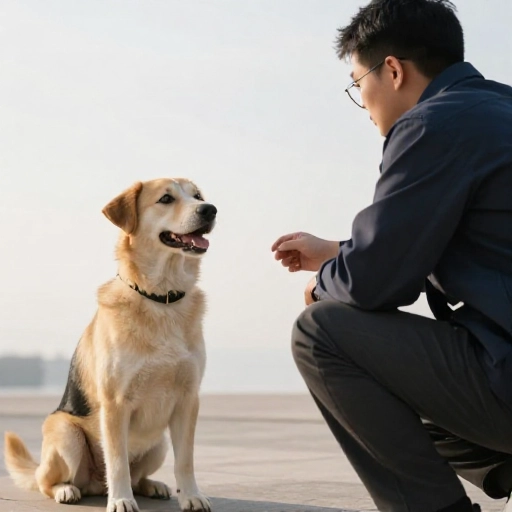
Introducing dogs to each other doesn’t have to be stressful. The secret is really just slowing down, paying attention, and letting the dogs guide the process. Every dog is different, and that’s okay. Some become best friends in five minutes, while others need weeks to warm up.
Trust your gut and don’t be afraid to step in if things feel off. Your calm, confident leadership is the best tool you have. With a little patience and these tips in your back pocket, you’ll set both dogs up for a happy, safe relationship.
[[IMG:IMG14]]
FAQ
How long does it take for dogs to get used to each other?
It really varies. Some dogs click in a few minutes, but most need a few days to a few weeks to fully settle in. Patience is key. Let them work it out at their own speed.
What if my dog growls at the new dog?
Growling is communication, not necessarily aggression. It usually means your dog needs more space. Separate them and try again later at a greater distance. Don’t punish the growl—it’s your dog telling you they’re uncomfortable.
Should I let them “fight it out”?
No, never. Dogs should not fight to establish a relationship. If a fight breaks out, separate them safely using a loud noise or a barrier. Fighting can create long-term fear and resentment between them.
Can I introduce dogs through a fence?
I wouldn’t recommend it. Fence greetings can cause frustration and barrier aggression. It’s much better to introduce them on neutral ground with leashes. Fences can make dogs feel trapped and more reactive.
What if one dog is much older or much younger?
That’s totally fine, but you need to manage the energy levels. Give the older dog a quiet space to escape from a playful puppy. Make sure the younger dog gets enough exercise so they aren’t bouncing off the walls when they meet.