10 Professional Dog Kennel Business Setup Tips

So, you’re thinking about turning your love for dogs into a real business. That’s exciting! But let me tell you, running a kennel is way more than just playing fetch all day. It’s about safety, trust, and serious organization. I remember when I first started, I thought I had it all figured out—until the first week hit me like a ton of bricks.
Whether you’re building from scratch or upgrading an existing space, getting the setup right makes all the difference. It keeps the dogs happy, the owners confident, and your stress levels low. Here are the ten things I wish someone had told me before I opened my doors.
1. Nail Down Your Zoning and Insurance First
Before you buy a single chew toy, check your local zoning laws. You might be surprised to find that your perfect property isn’t even zoned for commercial animal boarding. This is the unglamorous part, but it’s the foundation. Skip this, and you could be shut down before you even start.
Then, get killer insurance. Not just basic liability—look for coverage that includes care, custody, and control. This protects you if a dog gets injured or sick while in your care. It’s non-negotiable.
- Talk to your local planning department first.
- Compare quotes from three different commercial insurers.
- Ask about “kennel risk” specifically.

2. Design for Easy Cleaning, Not Just Looks
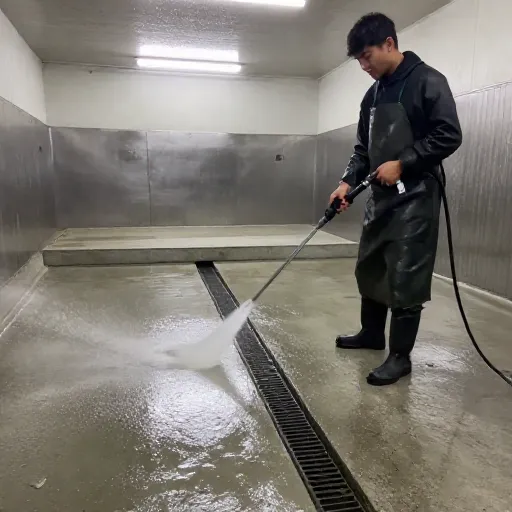
I know you want the place to look cute, but trust me, your back will thank you if you prioritize sanitation. Think seamless floors, coved corners, and drains in every run. You want to be able to hose everything down without worrying about water damage or bacteria hiding in the cracks.
Invest in a commercial-grade pressure washer. Those little home ones take forever. And make sure your drainage system can handle a lot of hair and debris without clogging every single week. It’s a messy job, but a smart layout makes it a quick one.
3. Get the Ventilation Right
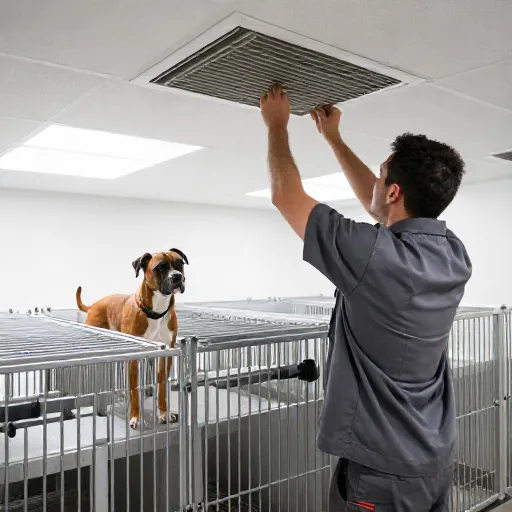
Dogs smell. It’s a fact. But a professional facility shouldn’t smell like a wet dog circus. That’s where ventilation comes in. You need a system that completely changes the air several times per hour, not just one that blows air around.
Good airflow prevents ammonia buildup from urine, which is bad for you and the dogs’ respiratory systems. It also keeps the temperature even in summer and winter. Your nose—and your reviews—will thank you. If you can’t install a massive HVAC system, at least invest in heavy-duty exhaust fans in the kennel room.
4. Plan Separate Spaces for Play and Rest
Not every dog wants to be best friends with every other dog. You absolutely need separate areas. Have a group play yard for the social butterflies, and then private, individual runs for dogs who prefer their own company or need a time-out.
This separation isn’t just about fighting; it’s about stress levels. Some dogs get overwhelmed by constant socializing. Giving them a quiet, private space to decompress is a selling point you can offer to anxious pet parents. It shows you understand dog psychology, not just dog boarding.

5. Invest in Heavy-Duty Fencing and Gates
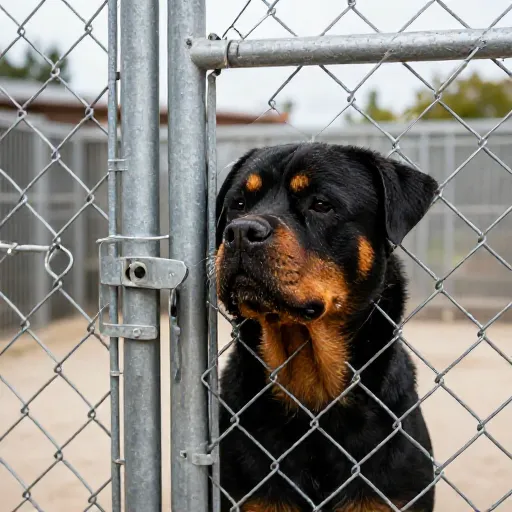
This sounds obvious, but you need to go industrial-grade. Standard residential fencing won’t cut it when a 90-pound lab decides he wants to see what’s on the other side. Use chain link or welded wire that’s embedded deep into the ground to prevent digging escapes.
Check your gates daily. That’s a habit you need to build. A latch that seems “fine” can fail under pressure. Double-gated entry systems are a must so a dog can’t bolt out the main door while you’re letting someone in. Safety here is your absolute top priority.
6. Create a Robust Booking and Payment System
Don’t rely on a paper calendar and a shoebox of checks. You need a solid software system. There are tons out there specifically for pet businesses that handle bookings, vaccinations records, and payments all in one place. It makes your life so much easier.
This also looks professional to clients. They can book their dog’s stay online at 10 PM, and you get a notification. Automated reminders cut down on no-shows, which helps your bottom line. It’s a small monthly cost that saves you hours of admin work.

7. Develop a Detailed Daily Routine
Dogs thrive on routine. It makes them feel secure. Have a set schedule for feeding, potty breaks, playtime, and quiet time. Write it down and post it in the back room. Your staff needs to know exactly what happens at 8 AM and 4 PM.
But also, keep notes on each dog. Does this one eat slow? Does that one hate the rain? These little details matter. When you tell an owner, “Bella ate great today and had a blast with the squeaky toy,” they know their dog is in the right hands.
8. Have a Strict Vaccination Policy
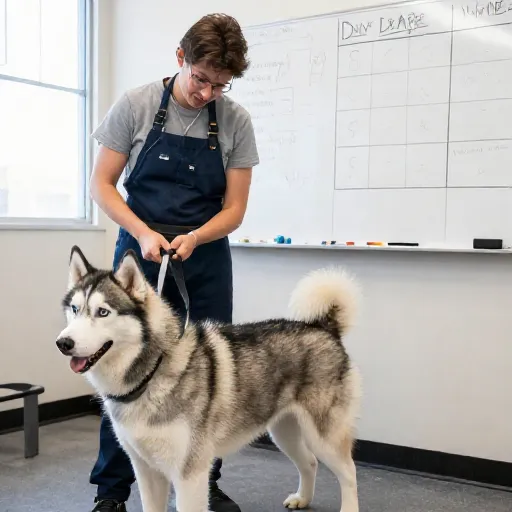
You have to be the “bad guy” here. It’s not worth the risk. Require proof of up-to-date vaccines for Bordetella (kennel cough), Rabies, and DHPP. Make it a hard rule, no exceptions. It protects every dog in your building.
This is also a great filter for clients. If they push back on the policy, they probably aren’t the right fit anyway. Make it easy to check this off by having them upload the records to your portal. It saves you from messy paperwork and chasing people down.
9. Build a Simple Waitlist Strategy
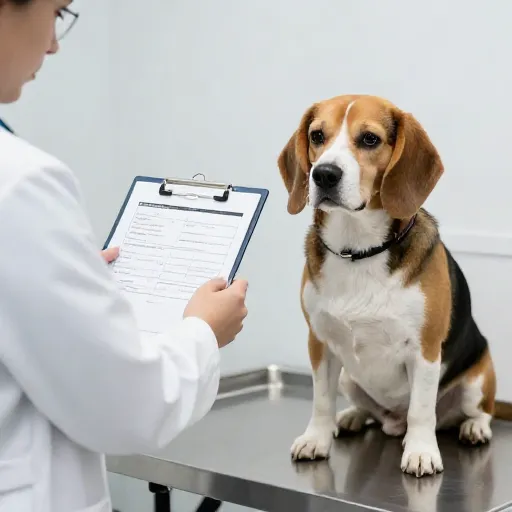
Holidays and summer weekends are crazy. You’ll be booked solid. But what about the slow weeks? Don’t panic. Start a waitlist for peak days months in advance. This builds hype and lets you plan your staffing needs.
For the slow times, think about offering daycare packages or mid-week discounts. A lot of people work from home now and just need a break for their dog during the day. Marketing to that crowd can fill your Tuesday and Wednesday slots.
10. Don’t Forget About Soundproofing
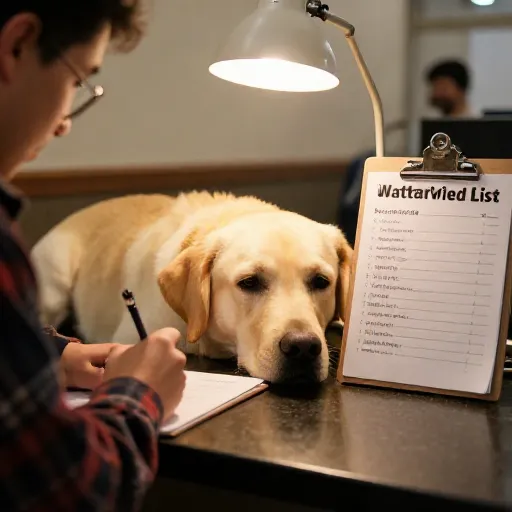
The barking is real. When you have 20 dogs in a room, and one starts howling, it can set off a chain reaction. This is stressful for the dogs and deafening for you and your neighbors. If you’re in a building close to others, you need to think about acoustics.
Use solid walls between the kennel runs instead of just chain link. It cuts down on visual stimulation and noise. Also, consider playing classical music or white noise. It genuinely calms them down and helps mask the sounds from outside. Your ears will ring less, and the dogs will sleep better.
Conclusion
Setting up a kennel is a lot of work, but it is so rewarding. It’s not just about the facility; it’s about the peace of mind you give to pet parents. Get the boring stuff right—the permits, the cleaning, the safety—and you get to enjoy the fun stuff, like watching a happy Golden Retriever splash in the pool.
Take it one step at a time. Get the foundation solid, and your reputation will grow faster than you think. You’ve got this!
Frequently Asked Questions
How much does it cost to start a dog kennel business?
Startup costs can vary wildly. A small home-based setup might cost around $10,000, but a full commercial facility can easily run into the hundreds of thousands. It really depends on if you’re building new or retrofitting an existing structure. Always add a 20% buffer for unexpected costs.
Do I need to be a certified dog trainer to run a kennel?
No, you don’t need to be a certified trainer. However, having basic knowledge of dog behavior and first aid is a huge plus. It helps you read the dogs’ body language and prevents incidents. Certifications in pet CPR are definitely worth getting.
How many dogs can I legally board?
This is entirely up to your local municipality and fire codes. Some areas have strict limits based on your square footage or lot size. You need to check with your city or county zoning office to find out the exact number you’re allowed to have.
What is the difference between boarding and daycare?
Daycare is usually a drop-off service for the day while owners are at work. Boarding is an overnight stay, often for multiple days or weeks. Many facilities offer both, but they require different staffing levels and space planning.
How do I handle a dog that bites at my kennel?
You have to have a strict protocol. First, separate the dog immediately and check for injuries. You need to document everything and contact the owner right away. It’s also wise to have a clause in your contract that allows you to refuse service to aggressive dogs in the future.