Why Do Dogs Wag Their Tails? The Real Reasons Behind That Happy Wiggle
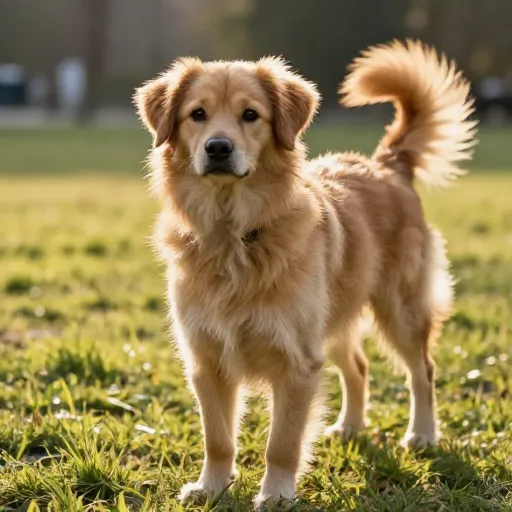
Every time I come home, my dog greets me with a full-body wag that nearly knocks over the coffee table. It’s adorable, but I’ve often wondered: is he really that happy, or is there more to the story?
Turns out, tail wagging is a lot more complex than just “happy.” Dogs use their tails to communicate everything from excitement to nervousness. Once I learned what the different wags mean, I started understanding my pup on a whole new level.
Let’s break down the real reasons dogs wag their tails—so you can read your dog’s emotions like a pro.
It’s Their Way of Saying Hello
When your dog wags their tail at the door, they’re not just happy to see you—they’re saying “hi!” in dog language. This is one of the most common reasons for tail wagging.
It’s a social greeting that signals friendliness and recognition. Even dogs who haven’t met before will wag to show they come in peace.
Next time your pup wags when you walk in, wag back (yes, I do this) and watch their reaction.
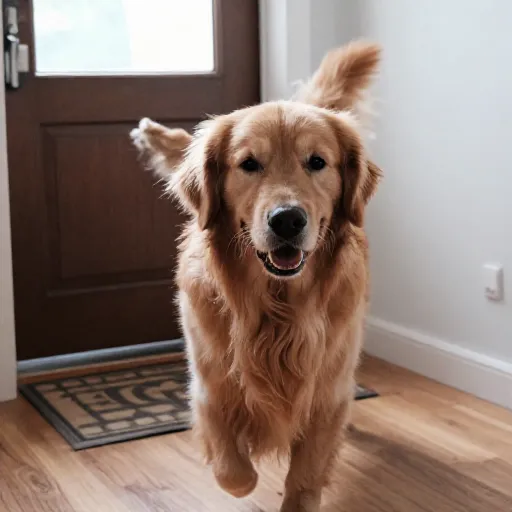
It Shows Excitement and Anticipation
Does your dog’s tail go wild when you pick up the leash or open a treat bag? That’s pure excitement. They’re anticipating something fun.
This kind of wag is usually fast and loose, often involving the whole back end. It’s like a little celebration.
I’ve noticed my dog starts wagging the second I reach for her harness—before we even go anywhere.
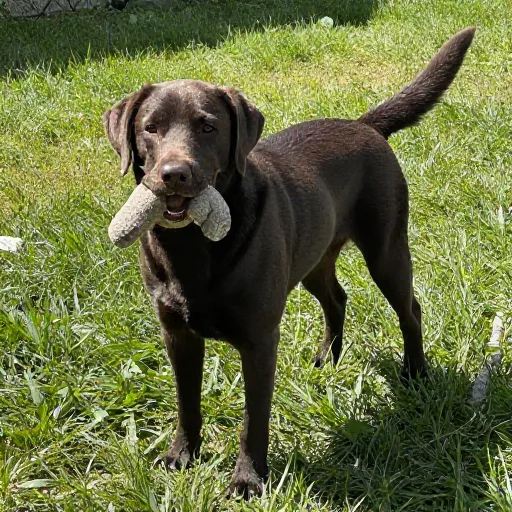
It Can Mean Anxiety or Nervousness
Not all wags are happy. A slow, low wag—especially with the tail tucked slightly—can mean your dog is unsure or anxious. This is one of the most misunderstood signals.
If you see this in a new situation, give your dog space. They’re trying to tell you they feel uncomfortable.
I once ignored this cue at the vet, and my dog gave me the “help me” eyes. Now I know better.
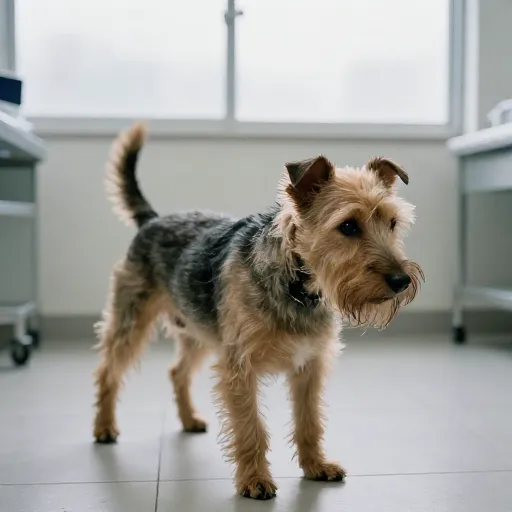
Tail Position Tells a Story
The height of the tail matters. A high tail often means confidence or alertness. A tail held low or between the legs signals fear or submission.
A neutral, relaxed tail means your dog is calm and content. Learn your dog’s “neutral” position first, then you’ll spot the changes easily.
For example, my dog’s tail naturally hangs down, so when it lifts even a little, I know something caught her attention.
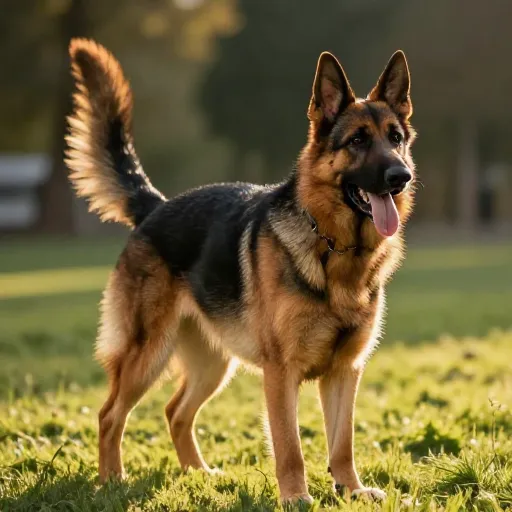
Wagging to the Right vs. Left Means Different Things
Studies show that dogs wag their tails more to the right when they feel positive emotions (like seeing their owner). A left-side wag can mean stress or uncertainty.
This is subtle, but once you start watching for it, you’ll notice the difference. It’s like reading a tiny emotional compass.
Try observing your dog when they meet a new person versus when they see you—the direction might shift.
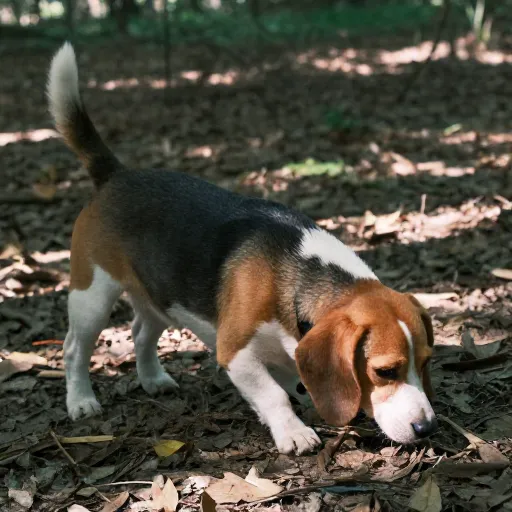
It’s a Form of Social Communication, Not Just Emotion
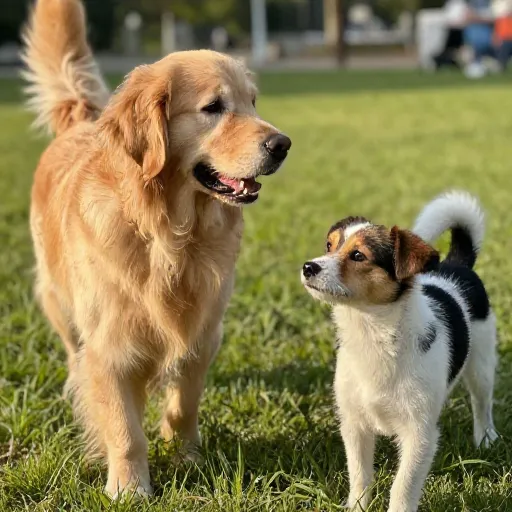
Dogs also wag their tails to communicate with other dogs. It’s not just about how they feel—it’s about sending a message. A wag can say “I’m friendly” or “back off” depending on the speed and position.
Dogs read each other’s wags instantly. That’s why a quick tail wag at the dog park can lead to a game of chase—or a standoff.
It’s like a handshake, a wave, and a warning sign all in one.
Puppies Learn to Wag Early
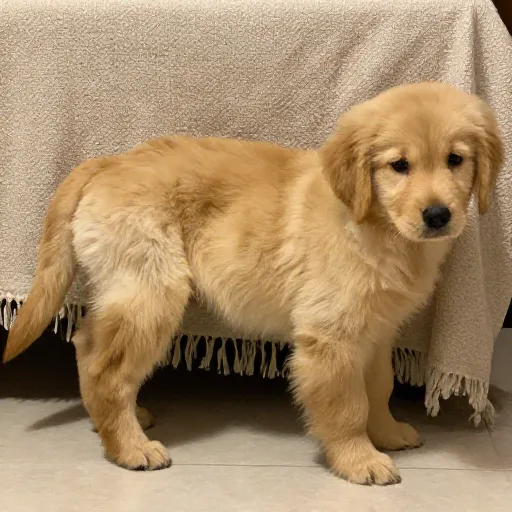
Puppies start wagging their tails around three to four weeks old. At first, it’s clumsy and random, but soon they learn it gets attention from their mom and siblings.
It’s one of the first social skills they develop. By the time they’re ready for adoption, they already know how to use that tail to charm you.
I remember watching my puppy’s first wags—it was like watching a tiny windshield wiper with no rhythm.
Some Breeds Wag Differently
Breeds with short or curly tails—like bulldogs, pugs, or corgis—still wag, but their signals look different. A stubby tail wiggle can be just as expressive as a long one.
You just have to learn your breed’s specific language. A pug’s whole body might shake when they’re happy, while a husky’s tail might curl tighter.
My friend’s corgi wags so hard her entire butt swings side to side—it’s impossible not to smile.
It Can Be a Sign of Submission
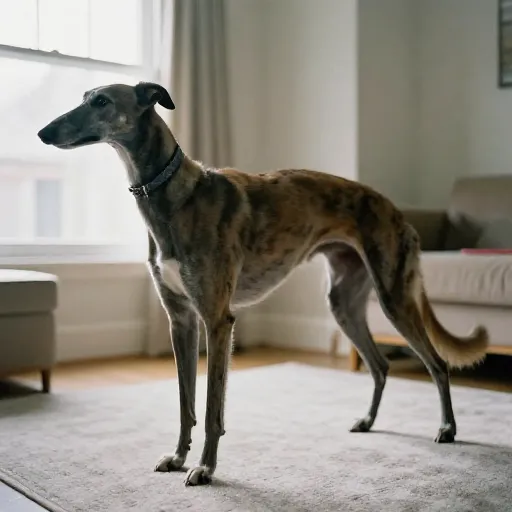
Some dogs wag their tails low and fast when they’re trying to show they’re not a threat. This is common when meeting a dominant dog or a new person.
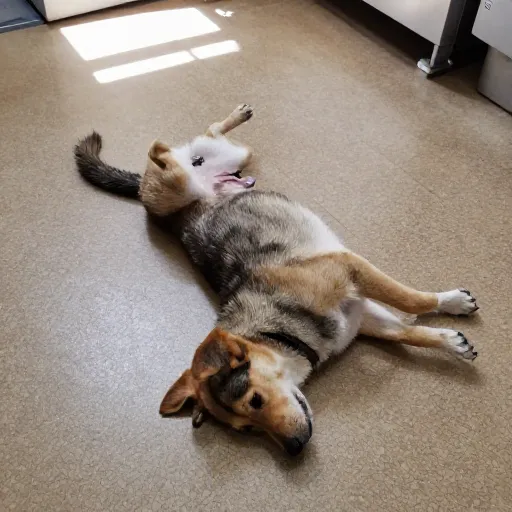
It’s different from fear—it’s more like saying “I respect you.” You might see this when your dog rolls over slightly while wagging.
It’s a gentle reminder that dogs have a whole social code we’re still learning.
It’s Not Always Voluntary
Here’s a surprising fact: tail wagging is partly an involuntary reflex. When a dog feels strong emotions—positive or negative—the tail responds automatically, like a muscle twitch.
That means dogs don’t “decide” to wag. It’s more like a built-in emotional release valve. This is why you can’t really train a dog to stop wagging.
So when my dog wags in her sleep, I know she’s dreaming of something good—even if she doesn’t know it.
Conclusion: Listen to the Tail
Now you know—tail wagging is a rich, layered language. It’s not just about happiness. It’s about greeting, excitement, nervousness, confidence, and even submission. Once you start paying attention to the details, you’ll feel closer to your dog than ever.
Next time your pup wags, ask yourself: what are they really saying? The answer might surprise you.
Frequently Asked Questions
1. Do dogs wag their tails when they’re angry?
Yes, a stiff, high tail that wags slowly can signal aggression or alertness. Always look at the whole body, not just the tail.
2. Why does my dog wag her tail in her sleep?
Dogs often wag during REM sleep because they’re dreaming. It’s usually a sign of a pleasant dream, not a problem.
3. Can a dog wag its tail if it’s scared?
Absolutely. A low, fast wag or a tail tucked between the legs can mean fear or anxiety. It’s not a happy wag.
4. Do all dogs wag their tails the same way?
No. Breed, tail shape, and individual personality all affect how a dog wags. Learn your dog’s unique style.
5. Is it true that a wagging tail always means a friendly dog?
No. Context matters. Always check the tail position, speed, and the dog’s overall body language before approaching.