How to Easily Train Your Dog Not to Jump
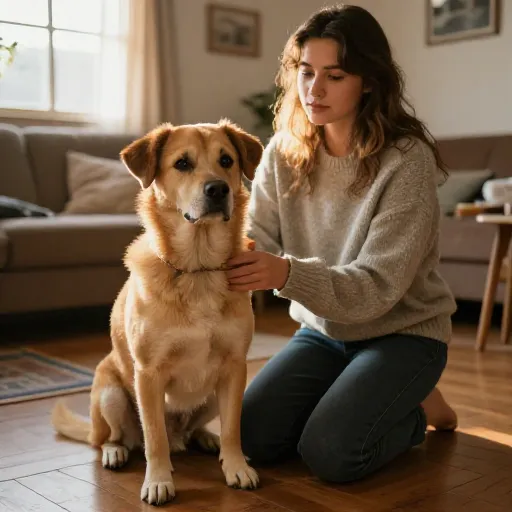
You walk through the door after a long day, and before you can even put your bag down, a furry rocket launches at your chest. It’s love, sure, but it’s also muddy paws and scratched legs. I remember feeling frustrated because I wanted to greet my pup with the same excitement, just without the full-body tackle.
The good news is that jumping is completely normal dog behavior. They do it to get closer to your face and say hello. But with a little patience and some simple tricks, you can teach your dog that four paws on the floor is the best way to get attention. Let’s break this down step by step.
Understand Why They Jump in the First Place
Before we fix the problem, let’s look at why it happens. Dogs jump up because they want your attention, and for most of them, even negative attention (like pushing them away) is still a reward. They see your face and want to be close.
Think of it this way: your dog is just trying to say “hello!” in the only way they know how. Once you understand this, you stop feeling annoyed and start feeling like a teacher. It makes the whole training process much calmer.
Also, remember that puppies jump to greet their mothers. It’s an instinct. We just need to redirect that instinct into something more polite.
Withhold Attention Until All Four Paws Are Down
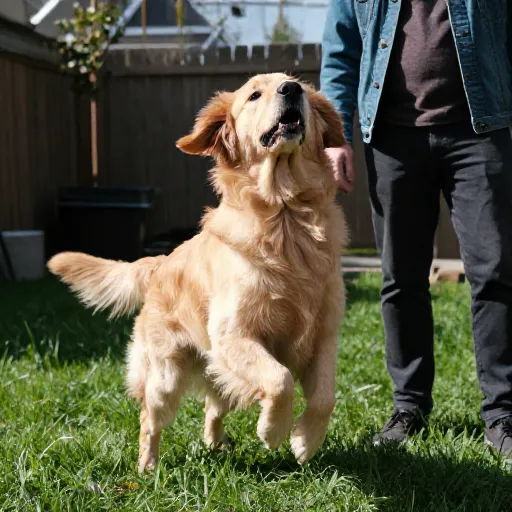
This is the golden rule. The moment your dog jumps up, you become a statue. Cross your arms, look away, and don’t say a word. No eye contact, no pushing, no “no.” Just total silence and stillness.
Your dog is jumping because they want a reaction. If you give them nothing, they will eventually get bored and put their feet back on the floor. As soon as they do, immediately turn around and give them calm, gentle pets and a soft “good dog.”
This teaches them that jumping makes you disappear, and calmness makes you reappear. It works like magic, but you have to be consistent every single time.
Teach a “Sit” as the Default Greeting
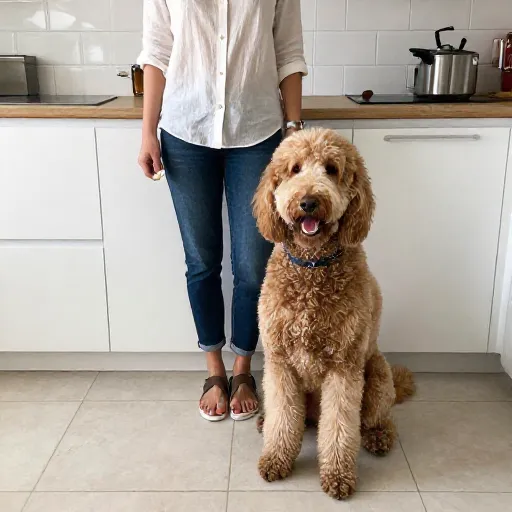
A sitting dog can’t jump. This is one of the easiest fixes. Start practicing “sit” in low-distraction areas at home. Get it rock solid before you try it at the front door.
- Practice sits before meals, before walks, and before throwing a toy.
- Make it a habit. Your dog should think “sit” is the key to everything good in life.
- Once they master it, use it when guests come over. Ask for a sit before anyone says hello.
Be patient. If they pop up, just gently guide them back down. Reward the sit with a treat or a scratch behind the ears.
Turn Your Back and Walk Away
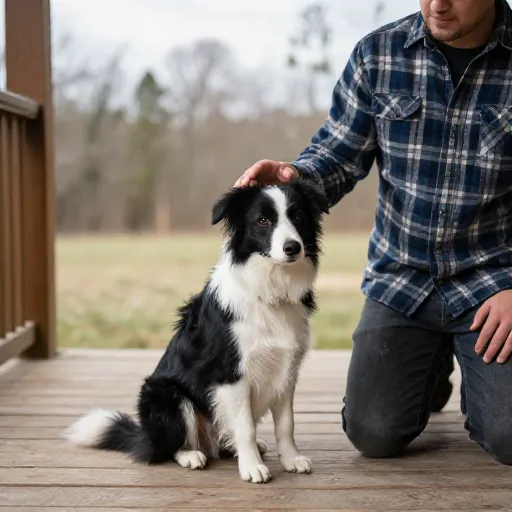
If the statue trick isn’t enough, take it a step further. The second your dog jumps, turn your back completely and walk a few steps away. You are removing yourself from their space.
This is powerful because dogs hate losing access to you. They will quickly learn that jumping makes you leave. After a few seconds, turn back around. If they stay down, reward them. If they jump again, repeat.
It might feel silly at first, but this is a very clear way to communicate. No yelling, just a simple action that says “jumping = you go away.”
Manage the Excitement at the Door
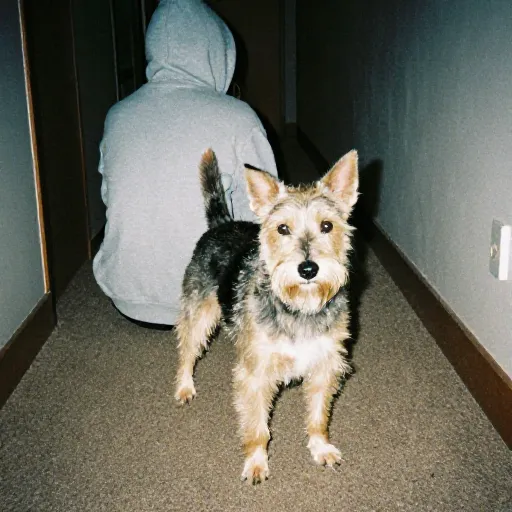
The front door is usually the biggest trigger. Your dog hears the key, sees you walk in, and their excitement goes through the roof. You can reduce this by making arrivals boring.
When you come home, don’t make eye contact or talk to your dog for the first minute. Just walk in, put your stuff down, and ignore them completely. Wait until they are calm and have all four feet on the floor.
I used to walk in and immediately say “HI PUPPY!” which made things worse. Once I started ignoring the frenzy, my dog calmed down within a few days. It felt weird, but it worked.
Use a Leash for Practice Sessions
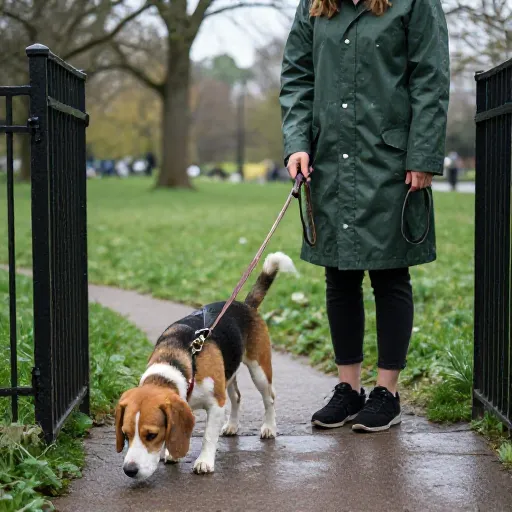
Sometimes you need a little extra control. Keep a lightweight leash on your dog during practice times, especially when guests are coming over. When they start to jump, you can step on the leash gently.
This prevents them from actually getting their paws up. It’s not about yanking or pulling. It’s just a gentle reminder that jumping physically doesn’t work anymore.
Pair this with the “sit” command. Ask them to sit, and if they try to pop up, the leash keeps them grounded. Reward the calm behavior. This is a great way to build good muscle memory.
Reward Calm Behavior Throughout the Day
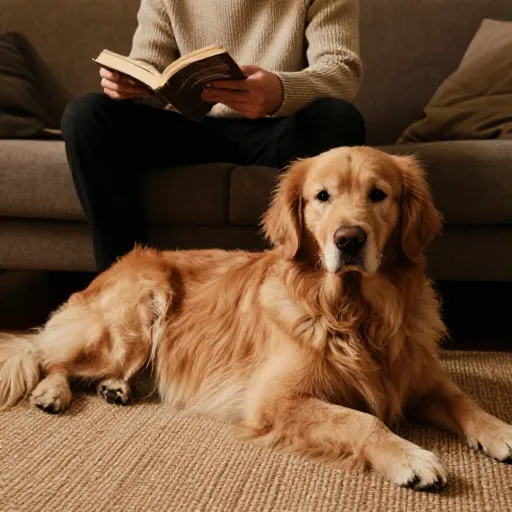
Don’t just focus on when they jump. Start rewarding your dog for being calm in general. If they are lying quietly on their bed, toss them a treat. If they approach you with a soft, relaxed body, give them a gentle pet.
This tells your dog that calmness is a valuable currency. They will start choosing calm behavior more often because it pays off. It’s not about bribing them—it’s about showing them what works.
I started doing this and noticed my dog came to me with a softer energy. He wasn’t always trying to bounce off the walls. He learned that being chill was actually pretty nice.
Ask Guests to Help You Train
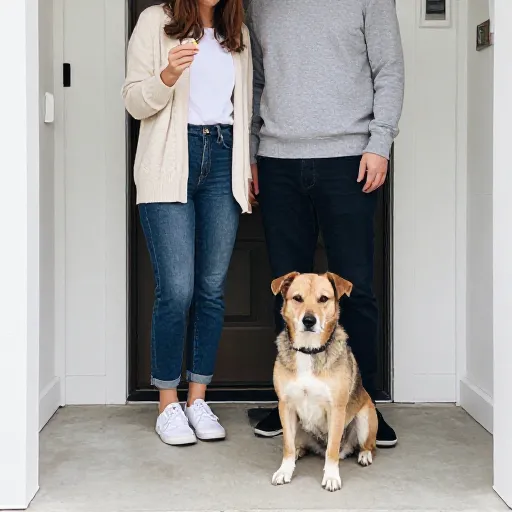
You can train your dog all day, but if a guest walks in and lets them jump, you’ll have a hard time. Ask your friends and family to follow the same rules. They should ignore your dog until they are sitting calmly.
It might feel awkward to ask your mom to turn her back on your puppy, but it’s for the best. Explain that she can pet them once they are calm and seated. Most people are happy to help once they understand why.
Consistency is everything. If your dog learns that jumping works on Aunt Sue, they will keep trying it on you too.
Don’t Use Knee Pushes or Yelling
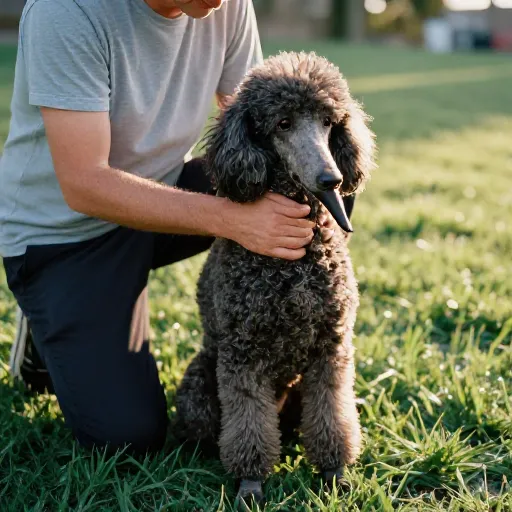
You might have heard old advice about kneeing your dog in the chest or yelling “OFF!” when they jump. Please don’t do this. It can scare your dog, hurt them, or even make them more excited.
Dogs who get pushed often think it’s a game. They might start jumping harder or more frequently. Plus, it can damage your bond. You want your dog to trust you, not be afraid of you.
Stick to the calm, gentle methods. They take a little more patience, but they build a relationship based on respect, not fear.
Be Patient and Stay Consistent
This is the hardest part. Training takes time, and there will be days where your dog forgets everything. That’s normal. Don’t get frustrated. Just go back to the basics.
Remember that your dog isn’t jumping to be naughty. They are just excited to see you. That love is a good thing. We just need to help them express it in a way that works for everyone.
Stick with it for two to three weeks. You will start to see real change. One day, you will walk through the door, and your dog will be sitting there, wagging their tail, waiting for a calm hello. It is the best feeling ever.
Conclusion
Training your dog not to jump is all about patience, consistency, and a little bit of self-control on your part. You are not stopping your dog from being excited—you are just teaching them a better way to say hello. Every time you ignore the jump and reward the sit, you are building a clearer, kinder communication with your pup.
It might take a few weeks, but I promise you, the day your dog greets you with four paws on the floor is a day worth celebrating. You’ve got this.
Frequently Asked Questions
Why does my dog only jump on me and not other people?
Your dog likely jumps on you because you are the most exciting person in their life. They also might have learned that jumping on you sometimes gets a reaction. Consistency will help fix this.
How long does it take to stop a dog from jumping?
It varies, but with daily practice, most dogs improve within two to four weeks. Some very excited dogs may take a bit longer. The key is not giving up.
What if my dog jumps on small children?
Keep your dog on a leash around children until the jumping stops. Children are small and can be knocked over easily. Teach kids to stand still and cross their arms if the dog jumps.
Should I use treats to train my dog not to jump?
Yes, treats are very helpful, especially at first. Use small, soft treats to reward sits and calm behavior. Eventually, you can phase them out and use praise alone.
My dog jumps when I come home from work. What should I do first?
Walk in the door and completely ignore your dog for one to two minutes. Don’t look at them or talk to them. Once they calm down and sit, then give them a quiet hello. This changes the whole greeting routine.