10 Puppy Room Ideas for Cozy Comfort

Bringing home a new puppy is one of the most exciting times, but setting up their space can feel a little overwhelming. You want it to be cute, but more importantly, you want it to be a place where your furry friend actually feels safe and relaxed. I remember standing in the pet aisle with my first pup, completely lost on what to buy.
The good news? You don’t need a massive budget or a huge house to create a dreamy corner for your dog. It’s all about layering soft textures, thinking about safety, and adding little touches that make them feel like the space is truly theirs. Whether you have a whole spare room or just a small nook in your living room, these ideas will help you build a cozy haven your puppy will love coming home to.
1. Start with a Washable, Supportive Bed
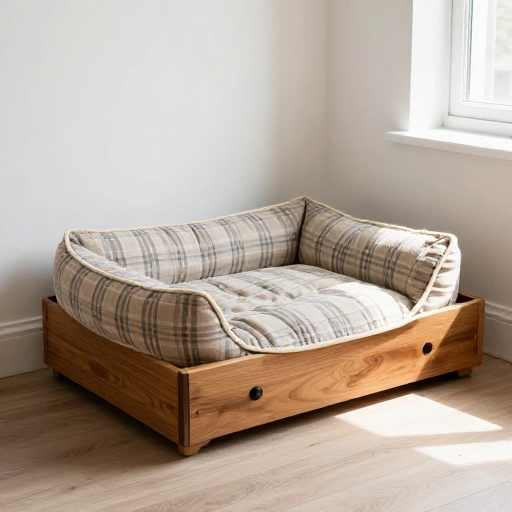
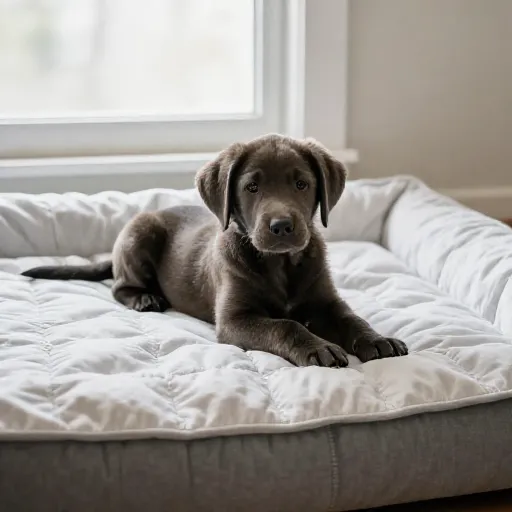
The bed is the anchor of any puppy space. Skip the fancy, expensive orthopedic beds for now—your puppy will likely chew or have an accident on it at least once. Look for something with a removable, machine-washable cover and a waterproof liner underneath.
I love a bed with a little lip or rim around the edge. Puppies naturally love to curl up against something, and that raised edge gives them a sense of security, almost like a hug. It’s their little nest.
Don’t forget to buy two covers if you can. That way, you always have a clean one ready while the other is in the wash. Trust me, this saves so much stress during potty training.
2. Create a Designated Potty Zone
If you’re crate training, the potty area should never be inside the crate. But if you’re using a puppy pen, you absolutely need a dedicated spot for pee pads. This helps your pup understand the rules faster.
Put the pad on the opposite side of the pen from their bed. Puppies naturally don’t want to sleep where they go to the bathroom, so this separation encourages them to hold it and use the right spot. It’s a game changer for housebreaking.
Use a reusable, washable pad holder to keep the pad from sliding around. It also adds a little barrier so they don’t shred the pad edges—which they will definitely try to do.
3. Keep the Floor Safe and Slip-Proof
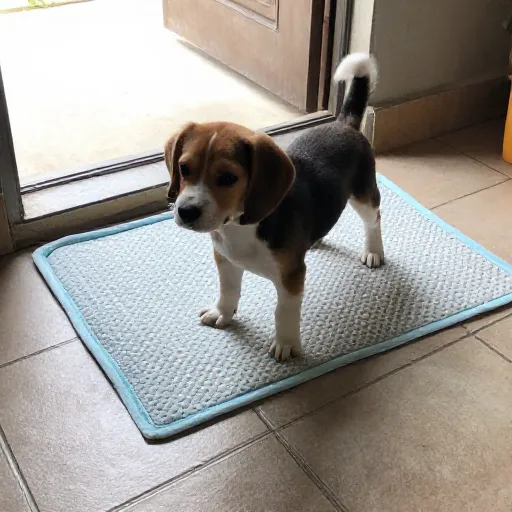
Those little puppy paws are clumsy! Hardwood or tile floors can be really slippery, which is bad for their developing joints. A few inexpensive rugs or interlocking foam mats can make a huge difference in their confidence.
I prefer the foam puzzle mats. They’re soft, easy to clean, and you can customize the size of the area. Just make sure the mats are non-toxic in case they start chewing on them (they will).
If you go with a traditional rug, look for one with a low pile. It’s easier to clean and less tempting to dig at than a fluffy, shaggy rug. Plus, they’re much easier to spot-clean when accidents happen.
4. Provide a Variety of Chew Toys
A puppy will chew. It’s not a matter of if, but what. If you don’t want them chewing your baseboards or shoes, you need to give them better, more interesting options. Place a small basket or bin full of toys right in their room.
Don’t just put out a million toys. Rotate them! Give them two or three toys one day, and swap them out for different ones the next day. It keeps everything novel and exciting, so they’re less likely to get bored and look for trouble.
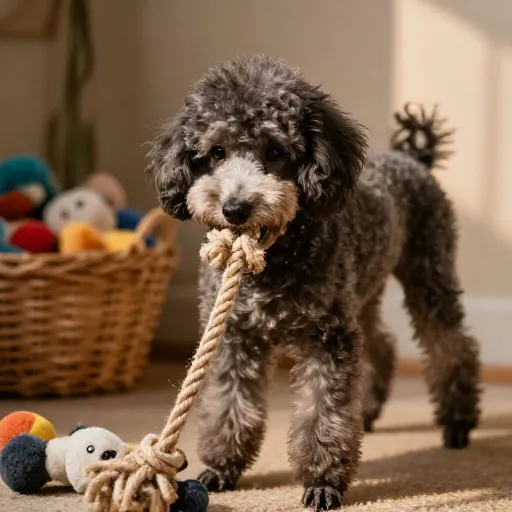
Make sure you have a mix of textures: a soft plush toy, a rubber teether, and a rope toy. This keeps their mouth busy and satisfies different chewing urges.
5. Design a Calm, Quiet Corner
Puppies need a lot of sleep—sometimes up to 20 hours a day. They need a place to escape from the hustle and bustle of the house. Set up a corner that’s away from the main foot traffic and loud noises.
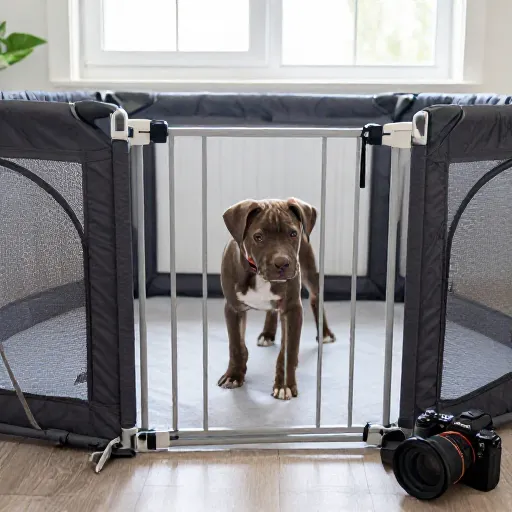
You can use a simple playpen or even just a cozy corner with a tall plant or a piece of furniture blocking the view. The goal is to create a visual barrier so they feel hidden and safe.
Add a soft blanket over their crate or a canopy over their bed. This mimics the feeling of a den, which is deeply comforting to dogs. It’s their private little cave.

6. Add a Water Station That Won’t Spill
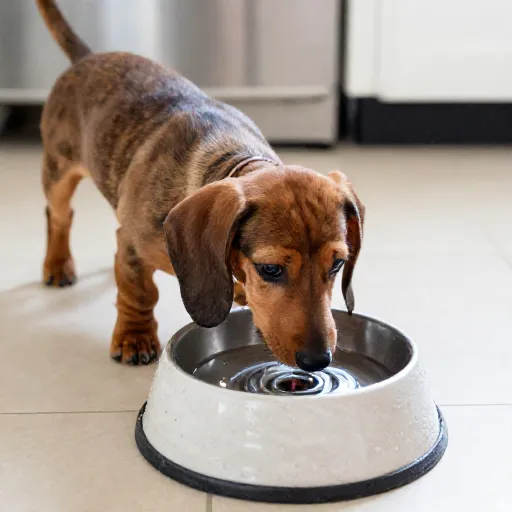
Hydration is key, but a puppy splashing in a water bowl is a mess. Get a heavy, non-tip bowl or a raised stand. The heavy ceramic or metal bowls are much harder to flip over than light plastic ones.
I also recommend putting a waterproof mat or a plastic tray under the bowl. This catches the drips and splashes, protecting your floors and keeping the area dry and clean.
If your puppy is a digger, try a “sippy cup” style water bottle that attaches to the side of the pen. It’s mess-free and keeps the water cleaner for longer.
7. Use Calming Colors and Soft Lighting
Think about the vibe of the room. Bright, harsh lighting can be overstimulating for a puppy. Instead, opt for soft, warm lighting. A small dim lamp is much better than an overhead ceiling light.
For colors, stick to calming, neutral tones like beige, sage green, or soft blue. These colors have a relaxing effect on dogs (and humans too!). Avoid loud, bright patterns that can be visually chaotic.
You can also add a white noise machine or a small fan. The gentle hum masks scary outside noises like thunderstorms or fireworks, helping your puppy stay calm and relaxed.

8. Include a “Sniffing” Mat for Mental Stimulation
A tired puppy is a good puppy. Physical exercise is great, but mental stimulation is just as important. A snuffle mat is a fantastic tool to keep their brain busy and help them burn off energy.
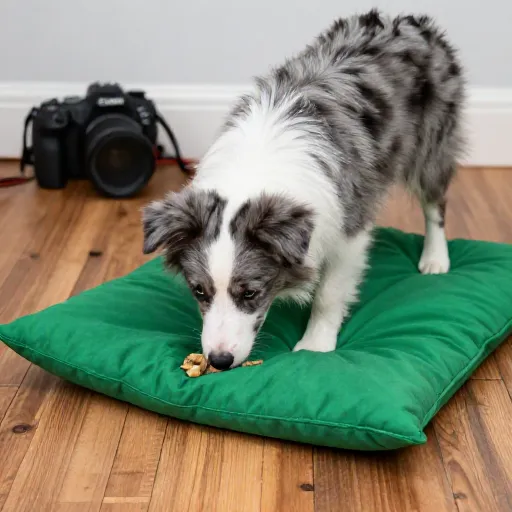
Just scatter a few kibble or small treats in the mat and let them sniff and forage. It taps into their natural hunting instincts and keeps them occupied for a good 15-20 minutes. It’s a great way to calm them down before nap time.
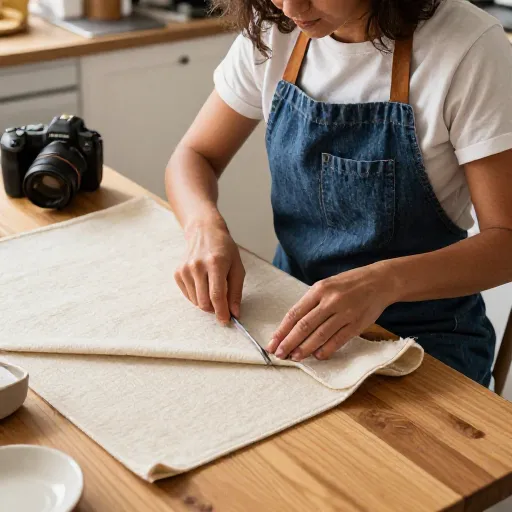
You can buy one or easily make one with a rubber mat and some fleece strips. It’s a super fun DIY project that your pup will absolutely love.
9. Personalize It with a Special Touch
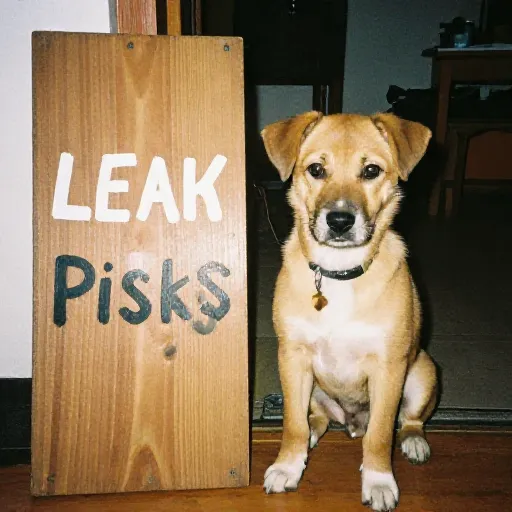
Make the space feel like it belongs to your puppy. Add a small, safe blanket with your scent on it. Put their name on a little sign or a cute toy. This helps them bond with the space.
I love adding a little photo of them or a small framed paw print. It makes the corner feel like a part of the family rather than just a functional area. It’s a sweet touch that you’ll enjoy seeing every day.
Just be careful with anything that can be chewed. Keep decorative items up high or out of reach. A cute, simple touch is all you need.
10. Keep It Flexible and Adjustable
Your puppy is going to grow fast. That tiny bed won’t fit them in a few months. Don’t invest too heavily in a permanent setup. Keep things flexible and modular.
Use a playpen that can be expanded. Buy a bed that’s a little bigger than they need right now. This way, you don’t have to rebuy everything in three months. It saves you money and stress.
As they grow, you can remove the potty pads or rearrange the furniture. The room should evolve with your dog’s needs. That’s the beauty of a flexible design.
Final Thoughts on Your Puppy’s Room
Creating a cozy space for your puppy is all about understanding their needs. It’s about safety, comfort, and giving them a place to call their own. You don’t need to get it perfect on day one—just start with the basics and build from there.
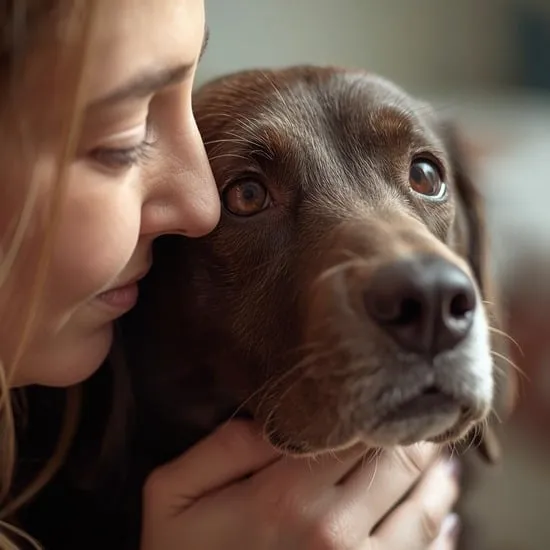
Remember, the most important thing is spending time with them in that space. Sit on the floor with them, give them treats, and let them learn that this is a happy, safe place. Your presence is the coziest thing of all.
Frequently Asked Questions
What is the best room in the house for a puppy?
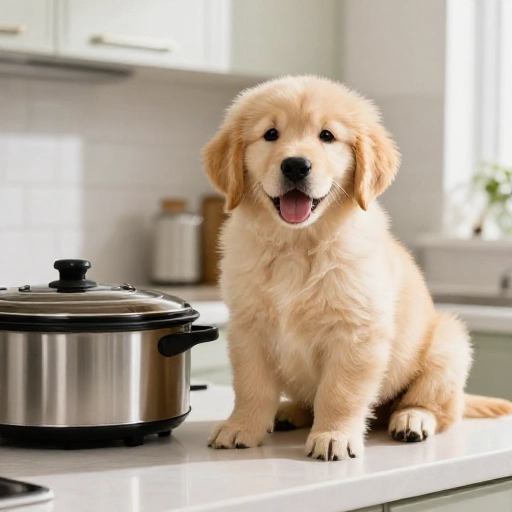
The best room is usually the kitchen or a mudroom because they are easy to clean and often have a door. However, any room that isn’t too isolated from the family works well. You want them to feel included but also have a place to settle down.
Should I crate my puppy in their room at night?
Yes, a crate is a great tool for night time. It provides a secure den and helps with potty training. Make sure the crate is in your bedroom for the first few weeks so they don’t feel alone. You can gradually move it to their intended room as they get older.
How big should the puppy area be?
It depends on the breed and how big they will get, but generally, it should be big enough for them to stand up, turn around, and lie down comfortably if it’s a crate. For a playpen, it should be large enough to separate the sleeping area from the potty area.
What should I do if my puppy doesn’t like their new room?
Don’t force it. Start by making the space super positive. Throw treats in there, feed them their meals there, and play fun games. If they are scared, let them explore at their own pace. Never use the room as a punishment.
How do I keep the puppy room smelling fresh?
Wash their bedding at least once a week. Use an enzymatic cleaner for any accidents, as it breaks down the odor completely. You can also use a pet-safe air freshener, but avoid strong scents that can be overwhelming for their sensitive noses.