10 Quick DIY Puzzles to Challenge Your Dog
Does your pup finish their dinner in about twelve seconds flat and then stare at you with those big, hopeful eyes? I know that look all too well. It’s the “what’s next?” look. Sure, a long walk is great, but sometimes the weather is terrible or you just need a quiet half-hour at home. That’s where DIY dog puzzles come in.
The best part? You don’t need to spend a fortune on fancy brain games. Most of these puzzles use things you already have in your kitchen or recycling bin. I’ve tested all of these with my own whirlwind of a dog, and they’re perfect for keeping a busy nose and a sharp mind happy. Let’s get crafting!
1. The Classic Muffin Tin Game
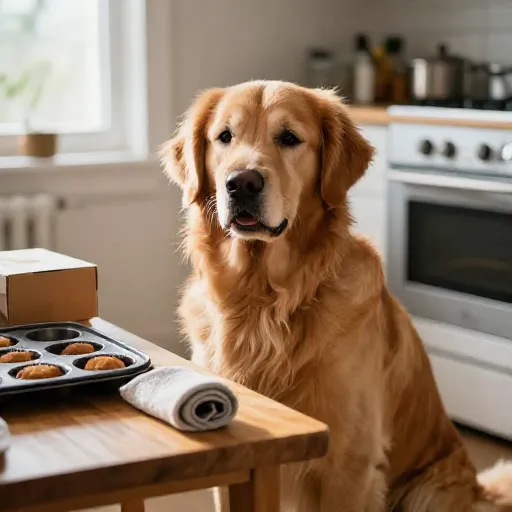
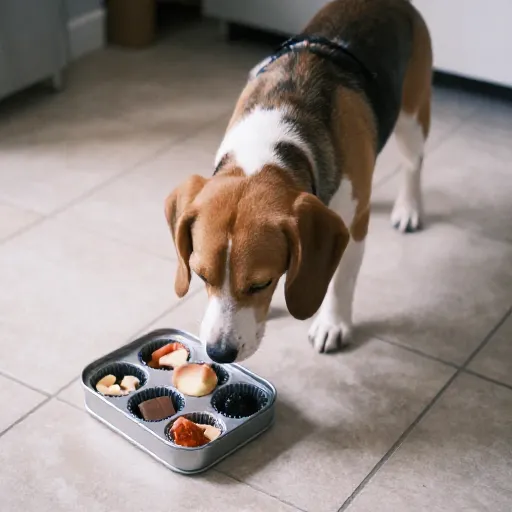
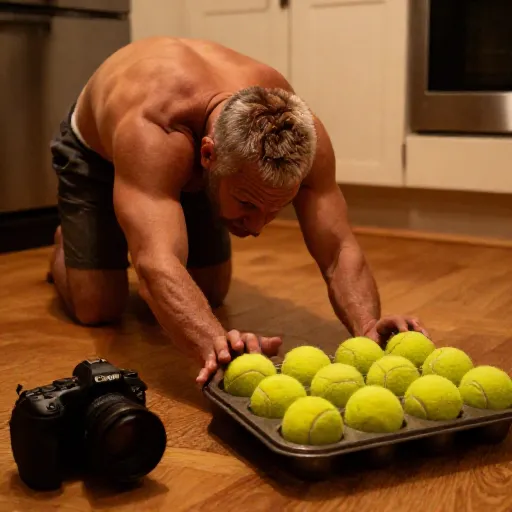
Grab a standard 12-cup muffin tin and a handful of tennis balls. Place a few tasty treats in some of the cups, then pop a tennis ball on top of every single cup. The trick is that your dog has to figure out which cups have the goodies and then use their nose or paw to move the ball away.
This is a fantastic starter puzzle for beginners. It’s super easy to set up and the payoff is instant. Watch how your dog starts to realize that not every ball hides a prize.
For a harder twist, add a piece of crinkly paper over the treat before you put the ball on top. It adds an extra layer of digging and listening fun.
2. The Towel Roll-Up
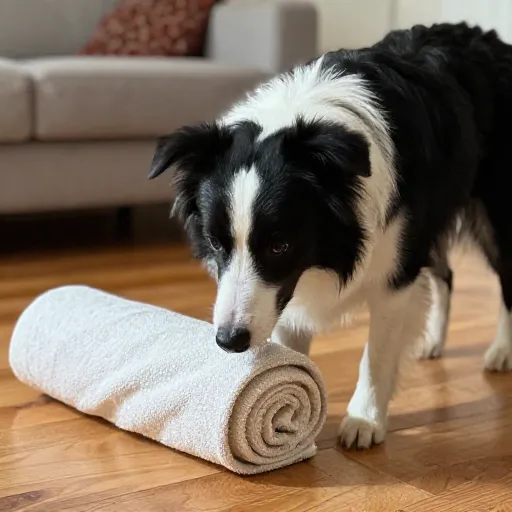
This one is almost too easy to make but provides so much entertainment. Lay a kitchen towel flat and sprinkle a few kibbles or treats in a line down the middle. Roll the towel up into a tight log, then tie it in a loose knot.
Hand it over and watch your dog go to town. They will use their paws and teeth to untangle the fabric to get to the treats. It’s a great way to burn mental energy without any noise.
If your dog is a fabric-chewer, always supervise this one. You want them to unravel it, not shred it to pieces.
3. The Egg Carton Surprise
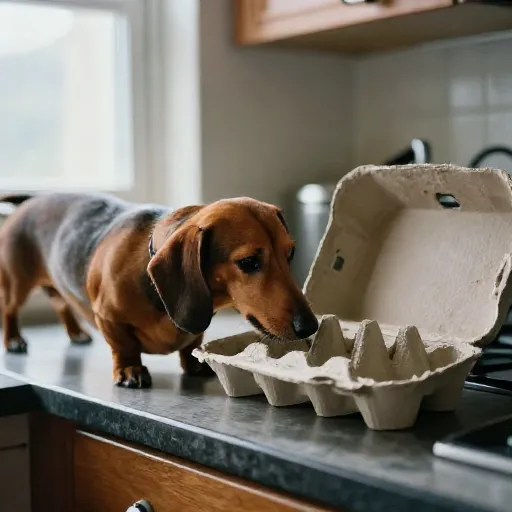
You know that empty cardboard egg carton you were about to recycle? Don’t! It’s a perfect puzzle. Close the carton, put a few treats inside, and secure it shut with a rubber band or some masking tape.
For beginners, just leave it closed without any tape. Your dog can easily pop it open with their nose. For advanced pups, use the tape to make it a real challenge. The crinkling sound of the cardboard is a big hit.
You can also hide treats inside individual egg cups and close the lid. It makes them work on their fine motor skills to lift the flaps.
4. The Sock and Bottle Puzzle
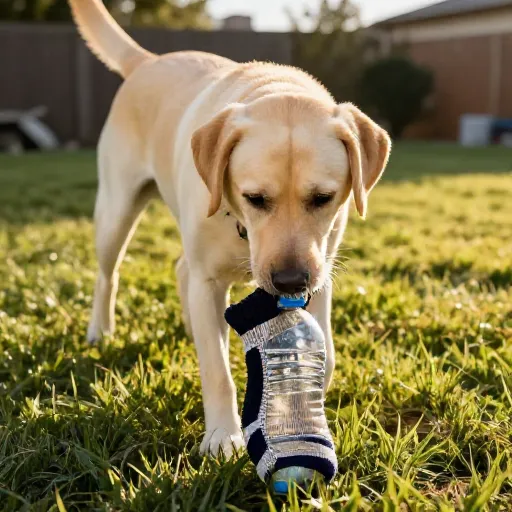
This is my go-to for a noisy chewer. Take an empty plastic water bottle, remove the cap, and drop a few treats inside. Slide a clean, old sock over the bottle. That’s it.
The sock muffles the crinkle of the plastic and makes it harder for the dog to grip. They have to roll it, shake it, and bat it around to get the treats to fly out of the small opening.
Make sure the bottle is sturdy and doesn’t have any sharp edges on the top. This puzzle is great for independent play.
5. The Box in a Box
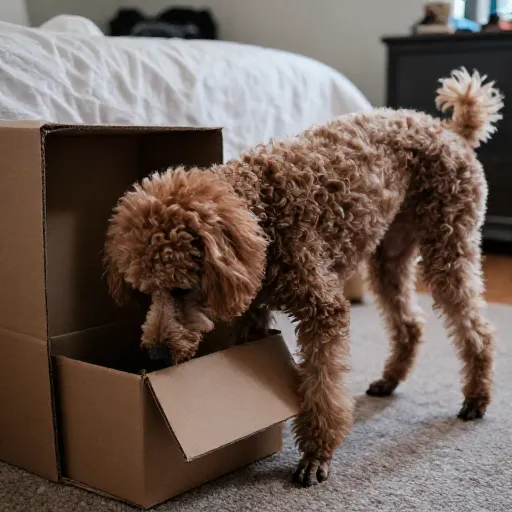
Save up a few small cardboard boxes (like shipping boxes or cereal boxes). Crumple up some packing paper or newspaper and hide treats inside the crumpled balls. Then, place those paper balls inside the boxes.
Start with one box that’s open. Let your dog dig through the paper to find the snacks. Then, close the flaps on the box. For an even bigger challenge, put that closed box inside a slightly larger box with more paper.
It’s a mess, sure, but it’s the cheapest “snuffle mat” alternative you can make. The shredding and digging instinct kicks in hard with this one.
6. The Plastic Cup Shuffle
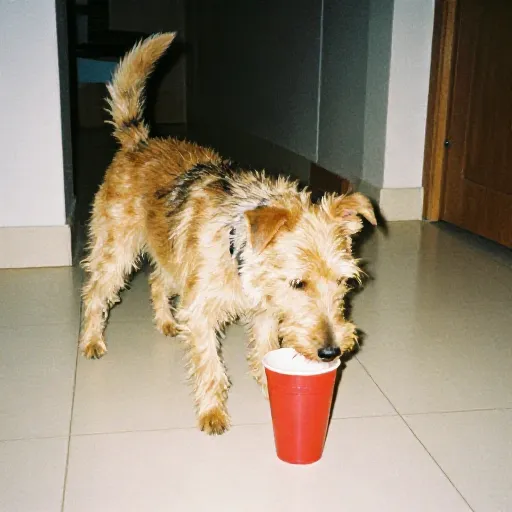
This is a classic shell game for dogs. Take three or four plastic cups and turn them upside down. Hide a treat under one of them while your dog is watching. Then, slide the cups around.
Let them sniff and paw at the cups to find the right one. Start slow, moving the cups just a little bit. As they get the hang of it, you can shuffle faster.
If your dog struggles, just tap the top of the correct cup so they can smell it more easily. It’s a great bonding game and teaches them to focus on your hands.
7. Toilet Roll Treat Stash
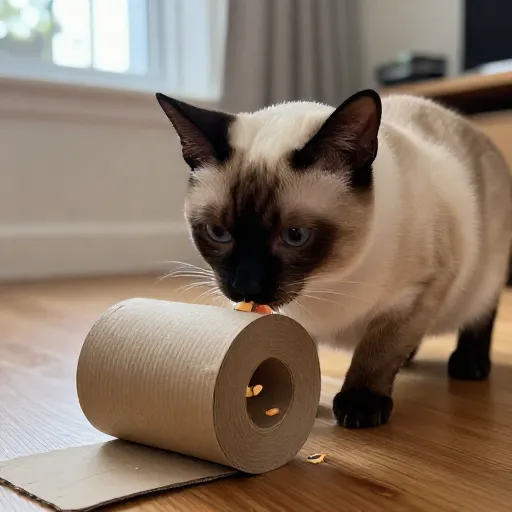
Don’t throw away those empty toilet paper rolls! Fold one end of the cardboard roll shut. Drop a few treats inside, then fold the other end shut.
For a super easy version, just fold the ends. For a harder version, wrap the whole roll in a piece of scrap paper or a paper towel. Your dog has to unwrap it and then figure out how to open the folds.
These are great for a quick “find it” game. Scatter a few of these around the living room and tell them to “go find!”
8. The Ice Cube Treat Hunt
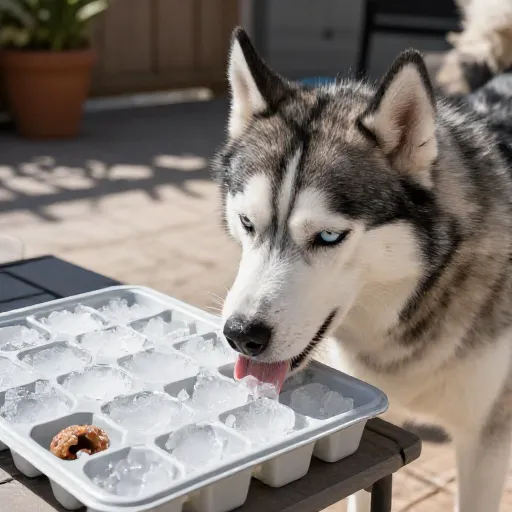
Frozen treats are the best in the summer. Take an ice cube tray, fill each section with water, and drop a few pieces of kibble, blueberries, or a bit of peanut butter in each one. Freeze overnight.
Pop a few of these icy blocks into a shallow bowl or a kiddie pool outside. Your dog will have to lick and chew the ice to get to the goodies inside. It’s hydrating and mentally stimulating at the same time.
This is a great activity for heavy chewers because it keeps them busy for a long time. Just be sure to have a towel handy for the drool!
9. The Muffin Tin Ball Pit (Advanced)
Take the first muffin tin game to the next level. Put treats in a few cups, but don’t use tennis balls. Instead, use different sizes of toys—some squeaky, some rubber, some soft.
Mix in a few large golf ball-sized pom-poms or crumpled paper balls. The variety of textures makes it harder for the dog to figure out how to move each item.
It also encourages them to pick up and move things with their mouth rather than just shoving with their nose. Great for coordination!
10. The “Find It” Scavenger Hunt
This one doesn’t require any building. Grab a handful of your dog’s favorite treats and hide them around a room. Start with easy spots—in the open, near the couch leg. As your dog gets the hang of it, make them harder.
Hide them under a cushion, behind a door, or inside a shoe (make sure it’s not a shoe you wear!). Use a clear command like “Find it!” every time you hide one.
This taps into their natural scenting abilities like nothing else. It’s the purest form of a brain game and you can play it anywhere—even in a hotel room.
And there you have it—ten ways to turn trash into treasure for your pup. I love that these puzzles are so quick to set up. It takes me less time to make the puzzle than it does for my dog to finish it, but the look of concentration on their face is totally worth it.
Remember, puzzles are meant to be fun, not frustrating. Always start easy and watch your dog’s frustration level. If they give up, step in and help them out. You want them to feel like a genius, not a dummy. Happy puzzling!
Frequently Asked Questions
How long should a dog puzzle session last?
Keep it short and sweet. For most dogs, 10 to 15 minutes of puzzle time is plenty. It’s about mental exhaustion, not physical. If they lose interest, just stop and put it away. You can always try again later.
What if my dog just destroys the puzzle?
That’s okay! Some dogs are just shredders. If they are destroying the cardboard, that’s actually part of the fun for them. Just make sure they aren’t swallowing big chunks. If they are, switch to harder plastic or the ice cube puzzles instead.
Can I use my dog’s regular kibble for these puzzles?
Absolutely. In fact, I prefer it. Using their daily food allowance in a puzzle makes dinner time more exciting and prevents them from getting too many extra calories from treats. It’s a win-win.
Are DIY puzzles safe for puppies?
Yes, but with supervision. Puppies are teething and might want to chew on the plastic bottles or cardboard more than solve the puzzle. Always watch them the first few times and remove any pieces that get too chewed up.
My dog is older and not very active. Will they like this?
Often, senior dogs love these puzzles because they are easy on the joints but great for the brain. Start with the easiest one, like the muffin tin game without the balls, and see how they do. It’s a lovely way to keep their mind sharp.