10 Scents Cats Can’t Stand (And How to Use Them Safely)
If you share your home with a curious feline, you know they rule the roost. But even the most confident cat has a secret weakness: their super-sensitive nose. A smell we barely notice can be overwhelming and unpleasant for them.
Understanding which scents cats hate isn’t about tormenting your pet—it’s about creating a harmonious home. You can use this knowledge to gently deter them from off-limit areas like countertops, houseplants, or furniture, all while keeping them safe and stress-free.
Let’s explore the natural aromas that make cats turn up their noses. I’ll share how to use them practically, always prioritizing your cat’s well-being. Remember, a little goes a very long way!
1. Citrus: The Zesty Deterrent
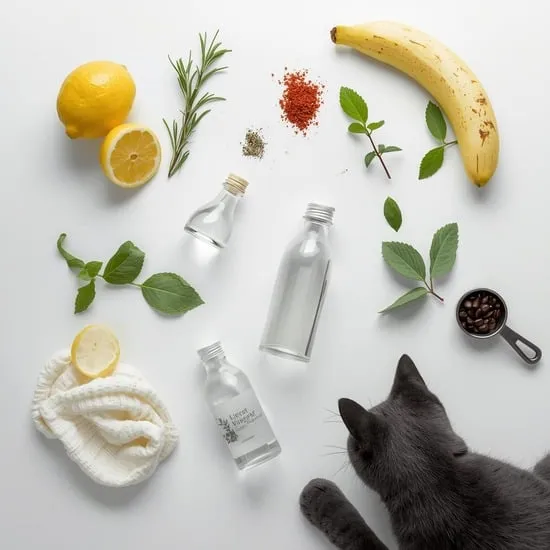
Lemons, oranges, limes, and grapefruits pack a powerful punch that most cats find downright offensive. The strong, acidic aroma is simply too much for their delicate senses.
This makes citrus peels a fantastic, natural tool. Try placing fresh lemon or orange peels around the base of your houseplants or on the edges of your garden beds. You can also soak cotton balls in diluted lemon juice and tuck them discreetly behind furniture.
Never use concentrated citrus essential oils directly on surfaces or near your cat, as they can be toxic if ingested. Stick to the fresh fruit itself for safety.

2. Fresh Herbs: Rosemary & Thyme
While we love these herbs in our cooking, their potent, pine-like fragrance is often a cat repellent. Rosemary, in particular, has a strong, woody scent that cats tend to avoid.
Planting these herbs in your garden can create a natural barrier. Indoors, you can make a simple sachet by tying dried rosemary and thyme in a small piece of cloth. Place these sachets in drawers, shelves, or anywhere you want to keep cat-free.
It’s a lovely, aromatic way to protect your spaces without any harsh chemicals.
[[IMG:IMG:IMG03]]
3. The Spice of Life: Cayenne & Pepper
Spicy scents and tastes are major turn-offs for cats. Black pepper, cayenne pepper, and chili powder act as powerful irritants to their noses and mouths.
A light dusting of these spices can be a great deterrent for outdoor areas. Sprinkle a small amount around trash cans or the perimeter of a sandbox to keep neighborhood cats away.
Crucial safety tip: Always use these spices dry and in very small amounts. Never create a spray or paste, as it could get in their eyes or be licked off paws, causing significant discomfort.

4. The Mint Family Surprise
This one is a bit of a paradox. While catnip (a member of the mint family) drives them wild with joy, other mints like peppermint and spearmint often have the opposite effect.
The intense, sharp menthol smell can be overwhelming. A few drops of peppermint essential oil on a cotton ball, placed well out of reach (like inside a vent or high on a shelf), can help keep cats from jumping up.
Again, essential oils must be used with extreme caution and never applied directly to your cat or their belongings.

5. Banana Peel Power
It’s not just the fruit—the peel itself emits an odor that many cats dislike. The smell comes from a compound called ethyl acetate, which is also found in some nail polish removers.
This is a great zero-waste trick. Simply place a few small pieces of fresh banana peel on the soil of your indoor plants. It will deter digging and chewing while it dries out.
Just remember to replace the peels every couple of days before they start to rot and attract fruit flies!

6. The Clean Smell of Vinegar
White vinegar is a cleaning superstar, but its sharp, acidic smell is a known cat deterrent. It’s excellent for breaking down odors they might be attracted to, like old urine marks.
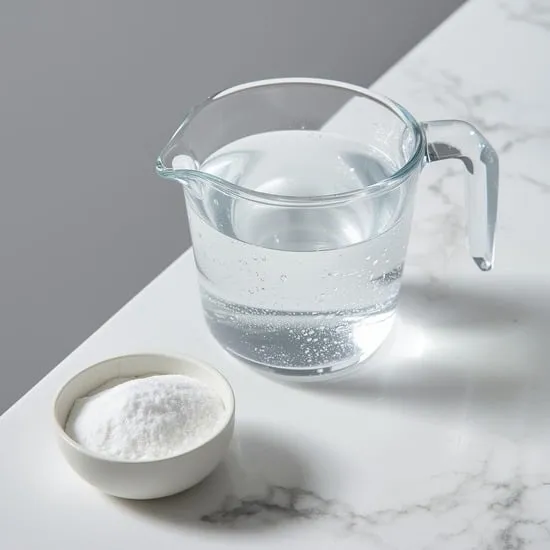
To use it safely, create a cleaning solution of 50% water and 50% white vinegar. Use it to wipe down areas where your cat has previously marked or shown too much interest. The smell will fade for you but linger for them.
Never spray this near your cat, and ensure the area is fully dry before letting them back in.
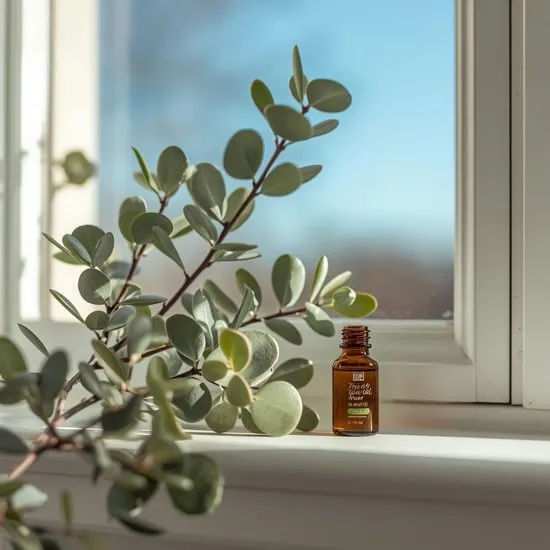
7. Eucalyptus & Tea Tree Oil
These medicinal-smelling oils are very strong and commonly disliked by cats. They are also highly toxic if ingested, so they must be used with the utmost care.
If used at all, it should be in a sealed container or sachet placed in an area completely inaccessible to your cat, like a locked cabinet or high attic space, purely to repel rodents or insects.
I generally recommend avoiding these oils altogether in a home with cats due to the high risk.
8. Dirty Laundry & Deodorant
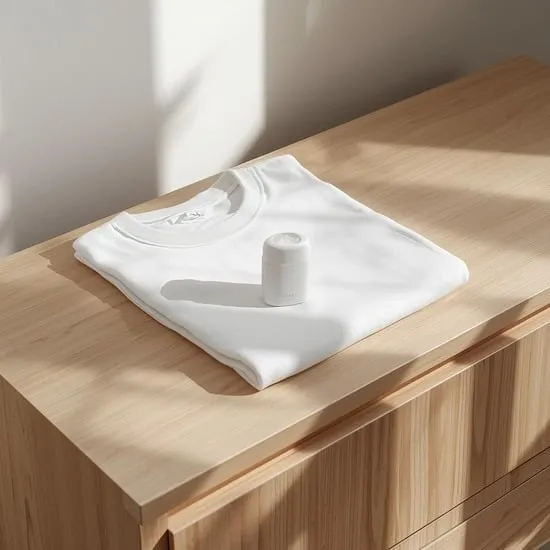
This is less about a “hate” and more about avoidance. The strong, artificial scents in many perfumes, deodorants, and heavily fragranced laundry detergents can be irritating to a cat’s nose.
If your cat seems to avoid your freshly laundered clothes or shies away after you’ve applied perfume, this is likely why. Consider using fragrance-free products if your cat is particularly sensitive.
It’s a good reminder that our idea of “fresh” can be their idea of “overpowering.”
9. The Smell of… Other Cats
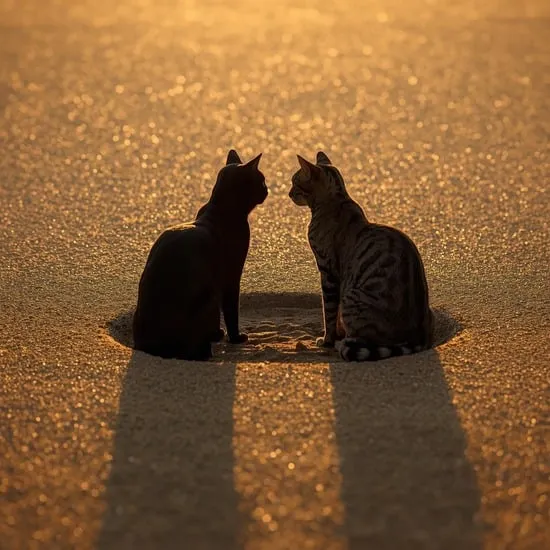
Sometimes, the smell cats hate most is the territorial mark of an unfamiliar feline. This is why pheromone diffusers (which mimic friendly “feel-good” cat smells) work to calm cats, while the scent of a strange cat causes stress.
If an outdoor cat is marking near your home, cleaning the area with an enzymatic cleaner is vital. It completely breaks down the scent, rather than masking it with something we find pleasant.
Removing the “invader’s” signal helps your own cat feel secure again.
10. Ground Coffee & Used Beans
The bitter, intense aroma of coffee, especially fresh grounds, is another scent many cats will steer clear of. The used beans from your morning pot can get a second life as a gentle deterrent.
Let the used coffee grounds dry out completely on a tray. Then, you can place small bowls of them in problem areas, like under the deck or in specific garden spots. It’s an excellent way to recycle and repel.
Just be sure your own cat can’t access and accidentally eat the grounds, as caffeine is dangerous for them.

Creating a Happy Home for You & Your Cat
Using scents your cat dislikes should always be a gentle guide, not a punishment. The goal is to protect your belongings and your cat’s safety—like keeping them away from toxic plants or dangerous shelves—without causing fear or anxiety.
Always provide attractive, approved alternatives. If you’re deterring them from one scratching post, make sure another is more appealing. If they’re kept off one windowsill, ensure another has a cozy bed and a view.
Observe your cat’s reactions. Every cat is an individual. What one hates, another might ignore. Start with the mildest options, like citrus peels or dried herbs, and see what works for your unique feline friend.
Your Cat Smell FAQ
Q: Is it cruel to use smells my cat hates?
A: Not if done gently and safely. It’s no different than using a bitter spray on cords. You’re using their natural senses to communicate “avoid this area,” not to scare them.
Q: Can I use essential oils around my cat?
A: Extreme caution is needed. Many are toxic. Never apply them to your cat, diffuse them in enclosed spaces, or use them on surfaces they touch. When in doubt, stick to the actual plant or fruit.
Q: What if my cat isn’t bothered by these smells?
A> Every cat is different! Some have stronger preferences than others. If one scent doesn’t work, try another from the list. Persistence and observation are key.
Q: Will these smells hurt my cat?
A: The natural items listed (like peels, herbs, spices) are safe when used as described—placed out of direct ingestion reach. The danger comes from concentrated oils or direct contact/consumption.
Q: What’s the #1 rule for using scent deterrents?
A> Always provide a better, more attractive alternative. Guide your cat to where you want them to be, not just away from where you don’t.