10 Smart DIY Outdoor Cat Room Solutions You Need
If you’re a cat parent, you know the struggle—your furry friend wants to be outside, but you worry about traffic, predators, or them getting lost. An outdoor cat room (sometimes called a catio) gives them the best of both worlds: fresh air and sunshine, without the danger. The best part? You don’t need to hire a professional to make one.
I’ve spent way too many weekends building and tweaking outdoor spaces for my own two cats, and I’ve learned a thing or two along the way. Whether you have a tiny balcony or a big backyard, these DIY solutions are practical, budget-friendly, and totally doable. Grab your tools, and let’s get started!
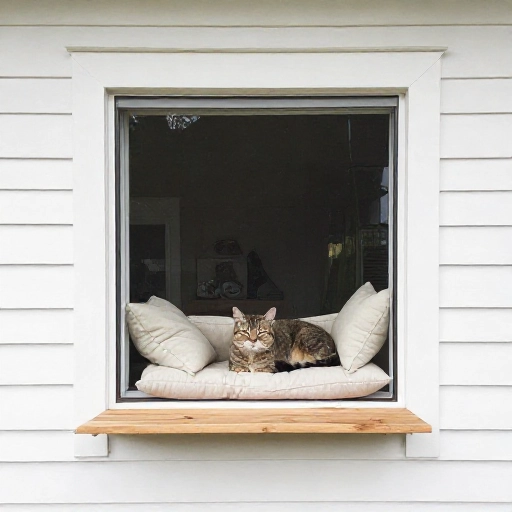
1. The Window Box Catio
This is the perfect starting point if you’re short on space. A window box catio attaches right outside an existing window, giving your cat a little balcony to lounge on. You can build it with simple wood framing and chicken wire, and it doesn’t require any major yard work.
Make sure to use a sturdy hinge system so you can open the window for access, and add a latch that’s easy for you but impossible for your cat to figure out. Line the bottom with a removable tray for easy cleaning.
I love this option because it’s a weekend project that makes a huge difference. Your cat gets to watch birds and feel the breeze, and you get peace of mind.
2. The Repurposed Greenhouse
If you have an old greenhouse that’s past its prime, don’t toss it—turn it into a luxury cat room! Greenhouses already have the structure and clear panels, so all you need is to secure the doors and add some shelves for climbing.
You’ll want to add mesh or wire over any vents or gaps to keep your cat safe. Then, fill the space with cat-safe plants like catnip or wheatgrass. It’s a win-win: your plants stay protected, and your cat has a jungle to explore.
This is one of those clever solutions that looks intentional and expensive, but really it’s just a bit of creativity and elbow grease.

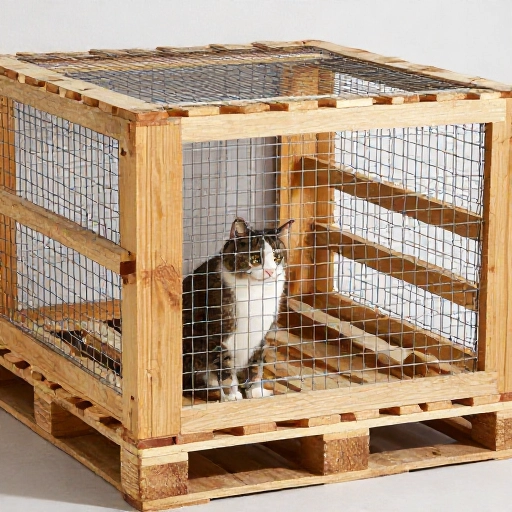
3. The Pallet Patio Enclosure
Wood pallets are a DIYer’s best friend, and they’re perfect for building a cat room. They’re cheap (often free), sturdy, and give a rustic look that fits most backyards. Stack them to create walls, then line the inside with wire mesh.
Leave one side open or create a door using a hinged pallet. Add a simple roof with corrugated plastic to keep rain out, and your cats will have a cozy, secure spot to nap.
Pro tip: Sand down any rough edges and give the pallets a coat of non-toxic outdoor paint. It’ll last longer and look way cuter.
4. The Tunnel System
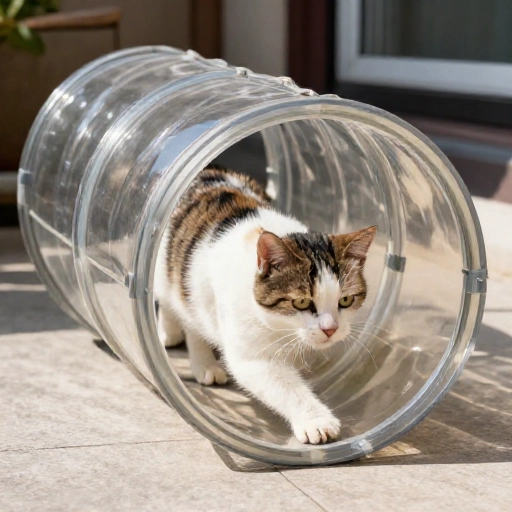
Cats love tunnels, so why not build a whole network of them outside? Use large PVC pipes, flexible ducting, or even secured cardboard cylinders to create a fun run from your house to a secure enclosure.
This is a fantastic option if you have a small yard but want to give your cat some room to roam. Bury the tunnels partially or run them along a fence line. Just make sure every connection is airtight so your cat can’t squeeze out.
Add a few “lookout” points with clear plastic windows so your cat can spy on the neighborhood without being exposed.
5. The Balcony Safety Net Wrap
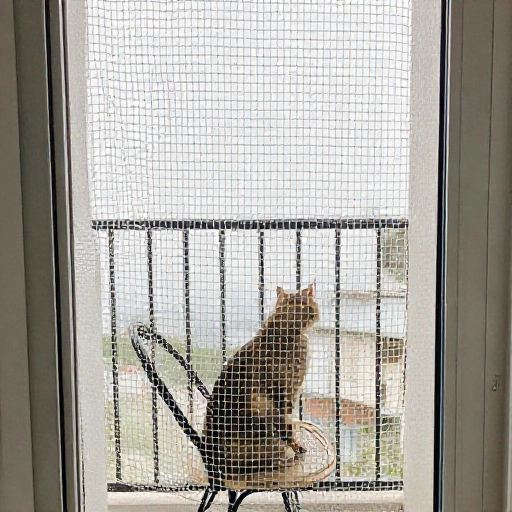
Apartment dwellers, this one’s for you. If you have a balcony, you can turn it into a safe outdoor room with just a few rolls of bird netting or clear vinyl mesh. Wrap the netting completely around the railing, overlapping the edges so there are no gaps.
Use zip ties to secure the netting tightly to the railing and the ceiling. Make sure there’s no way for your cat to push through—give it a good tug test before letting them out.
Add a small cat tree or a few chairs outside, and you’ve got a penthouse for your kitty. This solution is renter-friendly and can be taken down in minutes.
6. The PVC Pipe & Shade Cloth Dome
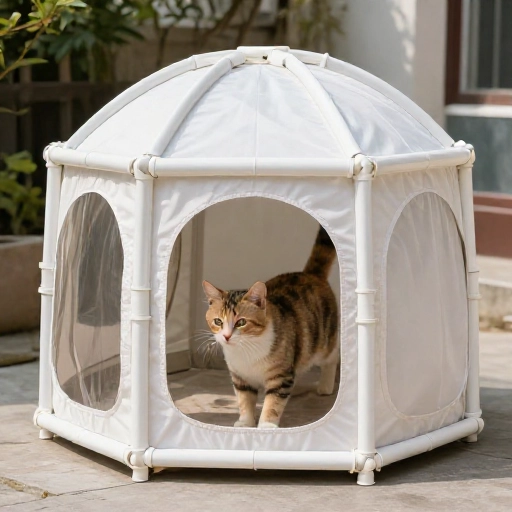
For a lightweight, portable option, build a dome using PVC pipes and shade cloth. Bend the PVC pipes into an arch and secure them to a wooden base. Then, drape the shade cloth over the top and secure it with clips or ties.
This is great for people who move often or want a temporary setup for the summer. It’s also one of the cheapest options—you can build the whole thing for under $50.
Just remember, shade cloth is breathable, so it won’t protect against rain. But it’s perfect for sunny days and keeps the space cool and airy.
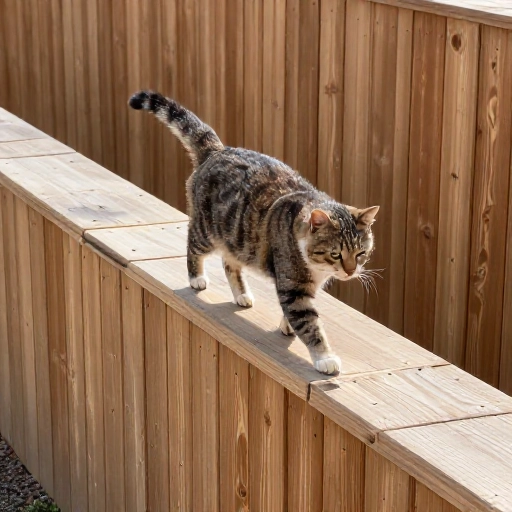
7. The Fence-Top Run
If you have a fenced yard, you can use the top of the fence as the foundation for a cat run. Build a wire mesh tunnel that runs along the top of the fence line, giving your cat a bird’s-eye view of the yard.
This solution keeps your cat up high and away from any ground-level dangers. Add a few platforms and ramps to make it more interesting. Your cat will love feeling like they’re on top of the world.
It’s a bit more work to install, but it’s a great way to use vertical space that would otherwise be wasted.
8. The Shed Conversion
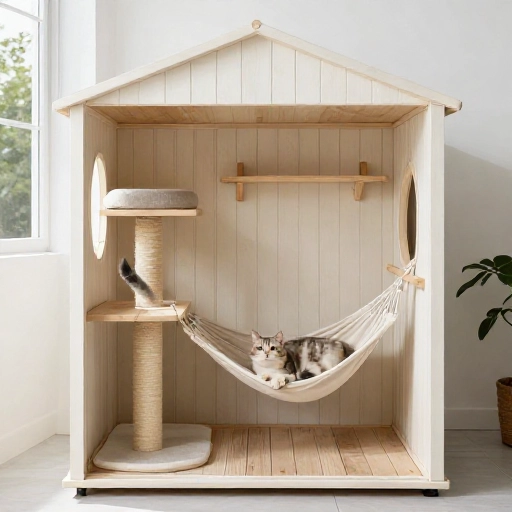
Have an old shed that’s just collecting junk? Clean it out and turn it into the ultimate cat room. This is a big project, but the results are amazing. You can add windows, shelves, scratching posts, and even a small heating pad for chilly days.
Make sure the shed is properly weatherproofed and that all windows have secure screens. You can cut a cat door into the side so they can come and go as they please.
This is a great option if you have multiple cats or want a really spacious outdoor retreat. It’s basically a cat mansion!
9. The “Catio” On Wheels
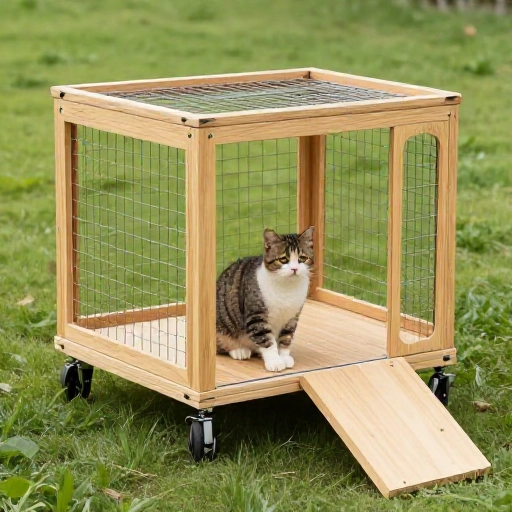
Who says your cat’s outdoor room has to be stationary? Build a small enclosure on wheels—like a large, tall wagon with wire mesh sides. You can move it around the yard to follow the sun or give your cat a change of scenery.
This is also a lifesaver for people who like to garden. Set the catio near your flower beds so your cat can “supervise” while you work, without them digging up your plants.
Use heavy-duty casters that can support the weight, and make sure the bottom is solid so your cat’s paws don’t get pinched.
10. The Multi-Level Tower
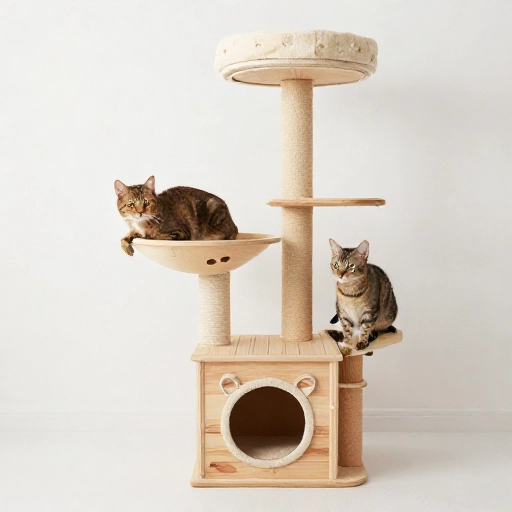
For the ambitious DIYer, build a multi-level cat tower with an enclosed base. Start with a sturdy wooden frame, create 2–3 levels, and wrap the whole thing in wire mesh. Each level can have a different activity—a hammock, a scratching post, or a sunbathing pad.
This is a fantastic solution for energetic cats who need vertical space to climb and jump. It’s also a real statement piece in your backyard.
Take your time with this one—proper framing is key for safety. But once it’s done, your cats will never want to come back inside.
Conclusion
Building an outdoor cat room doesn’t have to be complicated or expensive. With a little bit of planning and some elbow grease, you can give your cat a safe, fun space to enjoy the outdoors. Start small with a window box or balcony wrap, or go all-in with a shed conversion.
Your cat will thank you for it, and you’ll have peace of mind knowing they’re safe. So pick a project, gather your materials, and get building! Your furry best friend deserves it.
Frequently Asked Questions
1. How much does it cost to build a DIY outdoor cat room?
It really depends on the size and materials. A simple window box can cost around $50–$100, while a larger shed conversion might run $300–$500. Using repurposed materials like pallets can save you a lot of money.
2. Is it safe to leave my cat in an outdoor cat room overnight?
Yes, as long as the structure is secure and weatherproof. Make sure there’s proper shelter from rain and wind, and that the mesh is strong enough to keep out predators. It’s also a good idea to provide a cozy bed and fresh water.
3. What’s the best material for the walls?
Galvanized wire mesh or hardware cloth is the best choice. It’s strong, rust-resistant, and lasts for years. Avoid chicken wire if you have a determined cat—it’s too easy to push through.
4. Do I need planning permission for a catio?
In most cases, no, but it depends on where you live and the size of the structure. It’s always a good idea to check with your local council or HOA before building anything permanent.
5. How do I keep the cat room clean?
Make sure you build in easy access for yourself. A removable floor tray or a door you can open makes cleaning a breeze. Use a shop vac or a broom to sweep up fur and litter, and wipe down surfaces regularly.