11 Genius Dog Barrier Tricks to Control Any Space
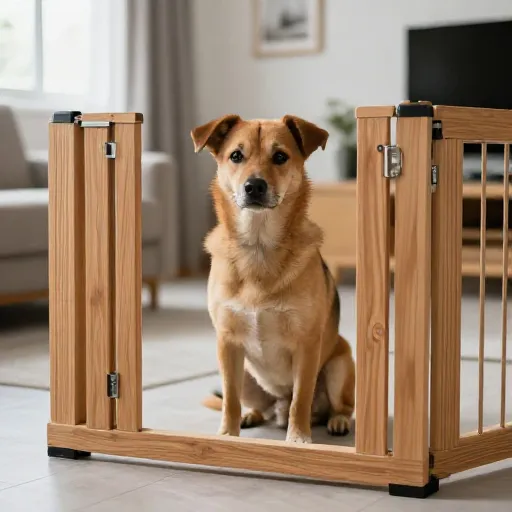
Let’s be real—our dogs are adorable, but they have zero respect for boundaries. One minute they’re napping on the couch, and the next they’re redecorating your kitchen by spreading trash everywhere. I’ve been there more times than I’d like to admit.
The good news? You don’t need expensive gates or professional installers to keep your pup where they belong. After years of trial and error (and a few chewed-up baseboards), I’ve rounded up 11 clever dog barrier tricks that actually work. These are simple, budget-friendly, and perfect for any space in your home.
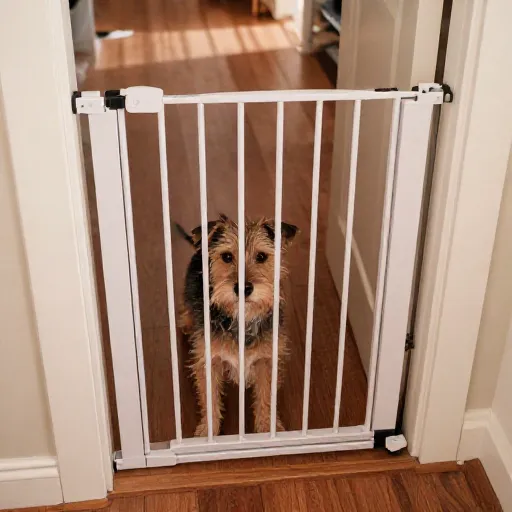
1. The Tension Gate Hack for Doorways
Forget drilling holes in your walls. Tension-mounted baby gates are a renter’s best friend, but they can slip if your dog is a determined escape artist. Here’s the trick: wrap the ends of the gate with grippy shelf liner or rubber drawer liners before you install it.
This adds extra friction so the gate stays put even when your 70-pound lab decides to lean on it. It takes two minutes and makes a world of difference.
For extra security, use zip ties to secure the gate to a nearby banister or sturdy furniture leg. This keeps the gate from tipping over if your pup gets a running start.
2. Use a Tall Bookshelf as a Room Divider
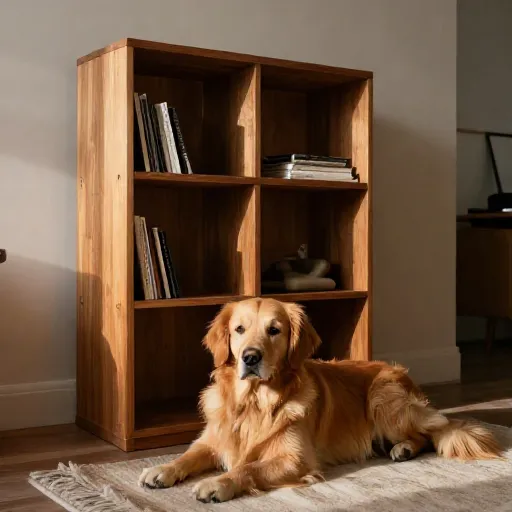
If you have an open floor plan, sometimes you need to create a boundary out of thin air. A tall, sturdy bookshelf placed perpendicular to the wall is a genius way to block off a hallway or create a cozy den for your dog.
Just make sure the shelf is heavy enough that it won’t tip over. If it’s a lighter piece, anchor it to the wall with furniture straps. You get storage, and your dog gets a clear visual boundary.
This works especially well in studio apartments where you want to separate your sleeping area from your workspace.
3. The Pool Noodle Door Stop
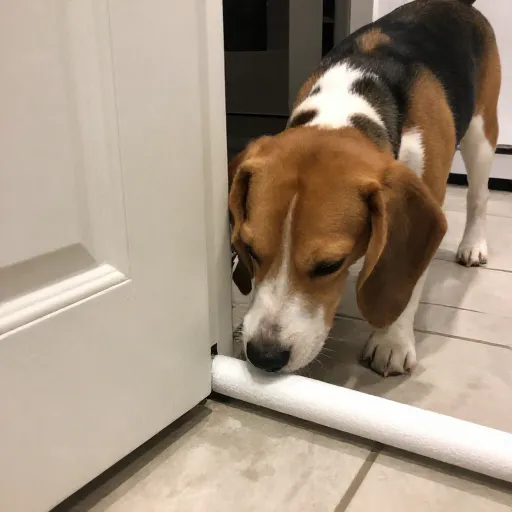
This one sounds silly, but trust me—it works. If you want to keep a door open just a crack (for airflow) but prevent your dog from squeezing through, grab a pool noodle.
Cut the noodle to the width of your door, slice it down the middle lengthwise, and slip it over the edge of the door. This creates a soft, flexible bumper that prevents the door from closing completely.
When your dog tries to push through, they just get a gentle nudge back. It’s cheap, non-destructive, and perfect for keeping pets out of rooms while still letting fresh air circulate.
4. Repurpose a Curtain Rod for a DIY Gate
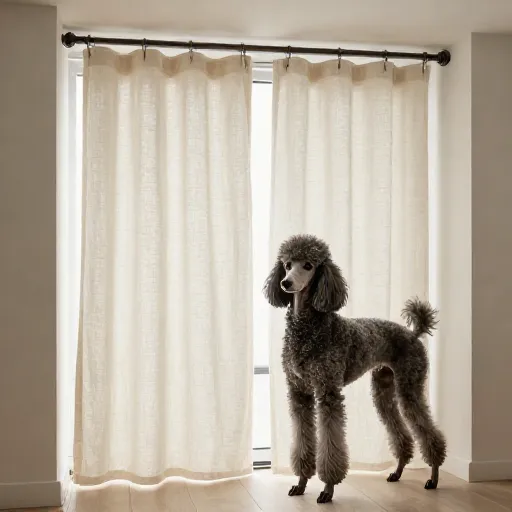
If you have a wide opening that standard gates can’t fit, look up. A heavy-duty tension curtain rod mounted at the bottom of the doorway (about 6 inches off the floor) can act as a visual and physical barrier for small to medium dogs.
Hang a decorative shower curtain or a piece of fabric from the rod to create a full visual block. This is great for keeping dogs out of the kitchen without making your home feel like a daycare center.
The fabric also muffles noise and adds a soft, stylish touch to the room. Just make sure the rod is rated for the weight of the fabric.
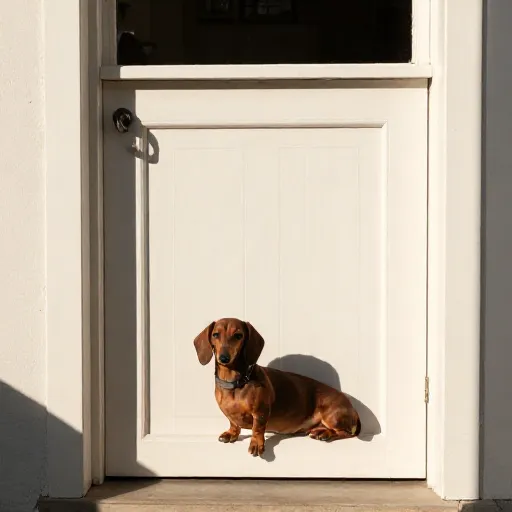
5. Install a “Half-Door” on Your Kitchen
If you have an open pass-through or a breakfast bar, consider installing a half-door (also known as a “cafe door”). These are basically small, hinged doors that swing shut to cover the lower half of an opening.
You can find pre-made options online, or you can DIY one using a piece of plywood and some hinges. Paint it to match your trim, and it looks like it was always there.
This gives your dog a clear line of sight (they can still see you cooking) but physically blocks them from entering. It’s a win-win for everyone.
6. The “Sofa Fort” Barrier
Need to block off a hallway or a landing quickly? Use your existing furniture. Push a heavy ottoman, a large planter, or even a stack of heavy storage bins across the opening.
This isn’t the prettiest solution, but it’s incredibly effective for temporary situations. I use this when I’m cleaning with chemicals or when the delivery guy needs to come in.
The key is to make the barrier tall enough that your dog can’t jump over it, and heavy enough that they can’t push it. For most dogs, a barrier about waist-height is enough to deter them.
7. Use Shower Curtain Tension Rods in Doorways
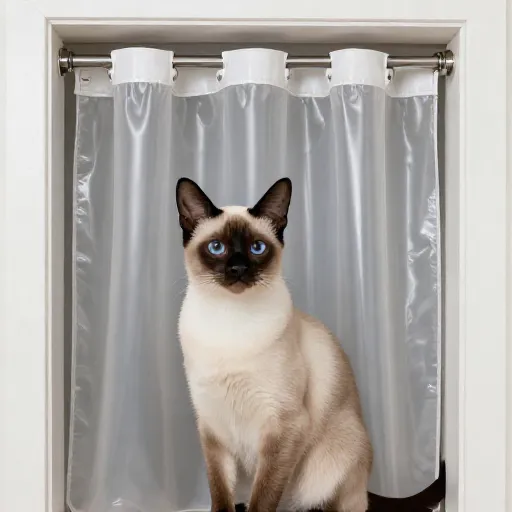
Here’s a trick for renters who can’t install permanent fixtures. A standard tension shower rod can be placed inside a door frame at the height you need. It doesn’t require any screws or nails.
Hang a lightweight curtain or even a fitted sheet from the rod. This creates a soft, opaque barrier that blocks sightlines. Many dogs are less likely to push through something they can’t see through.
If your dog is a chewer, make sure to use a fabric that isn’t easily shredded, or spray it with a pet-safe bitter deterrent spray.
8. Create a “No-Go” Zone with Carpet Tape
This is less of a physical barrier and more of a sensory one. For dogs who are deterred by sticky textures, place double-sided carpet tape on the floor just inside the doorway of a room you want them to avoid.
When they step on it, the sticky feeling on their paws is unpleasant enough that they’ll learn to avoid that spot entirely. It’s a gentle, harmless training tool.
Pair this with a verbal cue like “off” or “no” when they approach, and they’ll quickly associate the area with a negative feeling. Remove the tape once they’ve learned the boundary.
9. Use a Baby Playard as a Modular Fence
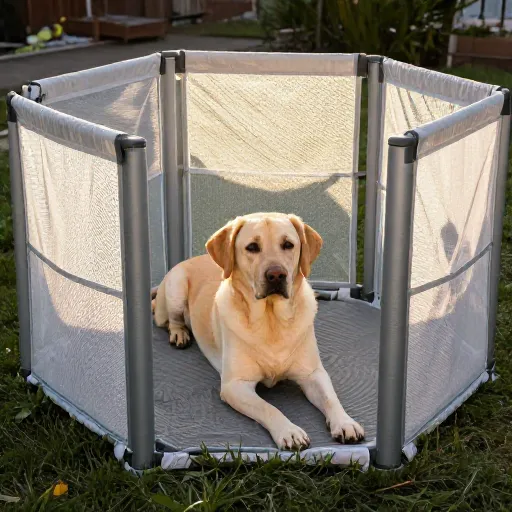
Don’t overlook the humble baby playard (or “playpen”). You can unfold it and use it as a modular screen to block off a fireplace, a desk area, or even a Christmas tree.
Since they are sectional, you can bend them into different shapes to fit your space. They’re also portable, so you can move them from room to room as needed.
These are especially useful for puppies who are still learning house rules. They provide a safe, contained space without the need for permanent fixtures.
10. The “Upcycled Pallet” Garden Fence
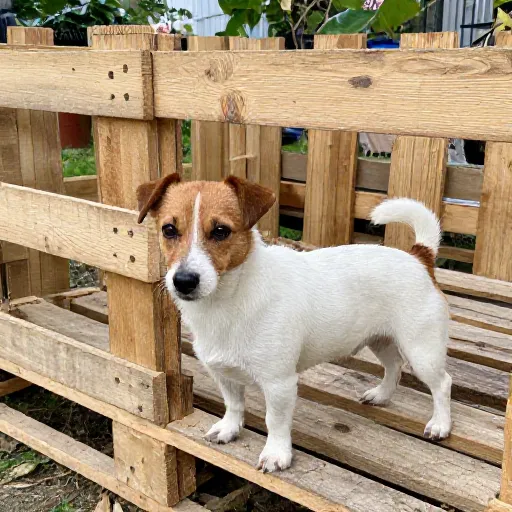
For outdoor spaces or patios, an upcycled wooden pallet is a rustic and sturdy barrier. You can stand them upright and tie them together with zip ties to create a custom-length fence.
Sand down any rough edges to protect your dog’s paws, and consider painting them with non-toxic outdoor paint to match your decor. This adds a charming farmhouse vibe to your yard.
This is a great way to block off under-deck areas or keep your dog away from specific flower beds.
11. The “Sight Block” with Hanging Plants
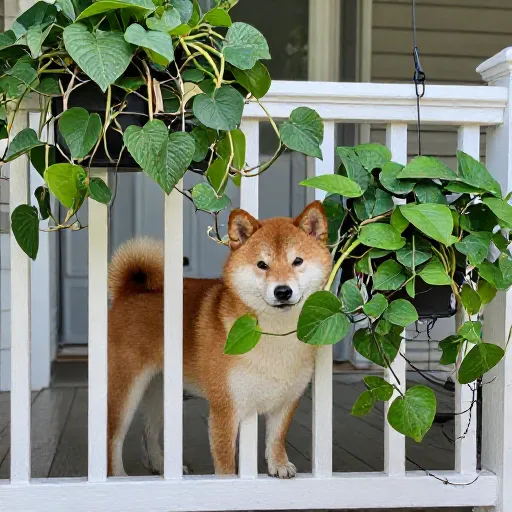
Sometimes, the best barrier is a visual one. If your dog barks at people walking past the front window, block their view. Hang a tall plant (like a fiddle leaf fig) or a macrame planter with a trailing vine in front of the bottom half of the window.
This doesn’t block you from seeing out, but it breaks the sight line for your dog. When they can’t see the trigger, they are less likely to react.
You can also use frosted window film or decorative clings for the same effect. This keeps your home looking bright and airy while giving your dog a calmer environment.
Final Thoughts
Managing your dog’s space doesn’t have to mean living behind a fortress of metal gates. With a little creativity and some household items, you can create boundaries that are functional, stylish, and safe for your furry friend.
Start with one or two of these tricks that fit your space best. Remember, every dog is different, so it might take a little trial and error. The goal is to keep them safe and your home intact—without sacrificing your design aesthetic.
FAQ: Dog Barrier Tricks
Q: What is the safest type of barrier for a large dog?
A: For large, determined dogs, you’ll want something sturdy and tall. A tension gate with reinforced rubber grips or a furniture-grade barrier like a heavy bookshelf is best. Avoid anything flimsy that they can knock over.
Q: How do I keep my dog from jumping over a barrier?
A: Make the barrier taller than their jumping height. A good rule of thumb is to make it at least 1.5 times the height of their shoulders. You can also add a visual block (like a sheet or curtain) to prevent them from seeing the landing zone.
Q: Are these tricks safe for puppies?
A: Yes, but always supervise. Puppies might try to chew on fabric or wooden barriers. Use non-toxic sprays to deter chewing and make sure there are no small parts they could swallow.
Q: Can I use these methods in a rental apartment?
A: Absolutely. Most of these tricks are renter-friendly because they don’t require drilling or permanent installation. Tension rods, pool noodles, and furniture placement are all great options that won’t damage your walls.
Q: My dog is blind. How can I help them navigate barriers?
A: Scent markers are your best friend. Use a non-toxic, scented spray (like a pet-safe citrus or lavender) on the barrier. They will learn to associate the scent with “stop.” Also, keep the barrier in a consistent place so they can memorize the layout.