11 Senior Cat Care Tips Every Owner Needs
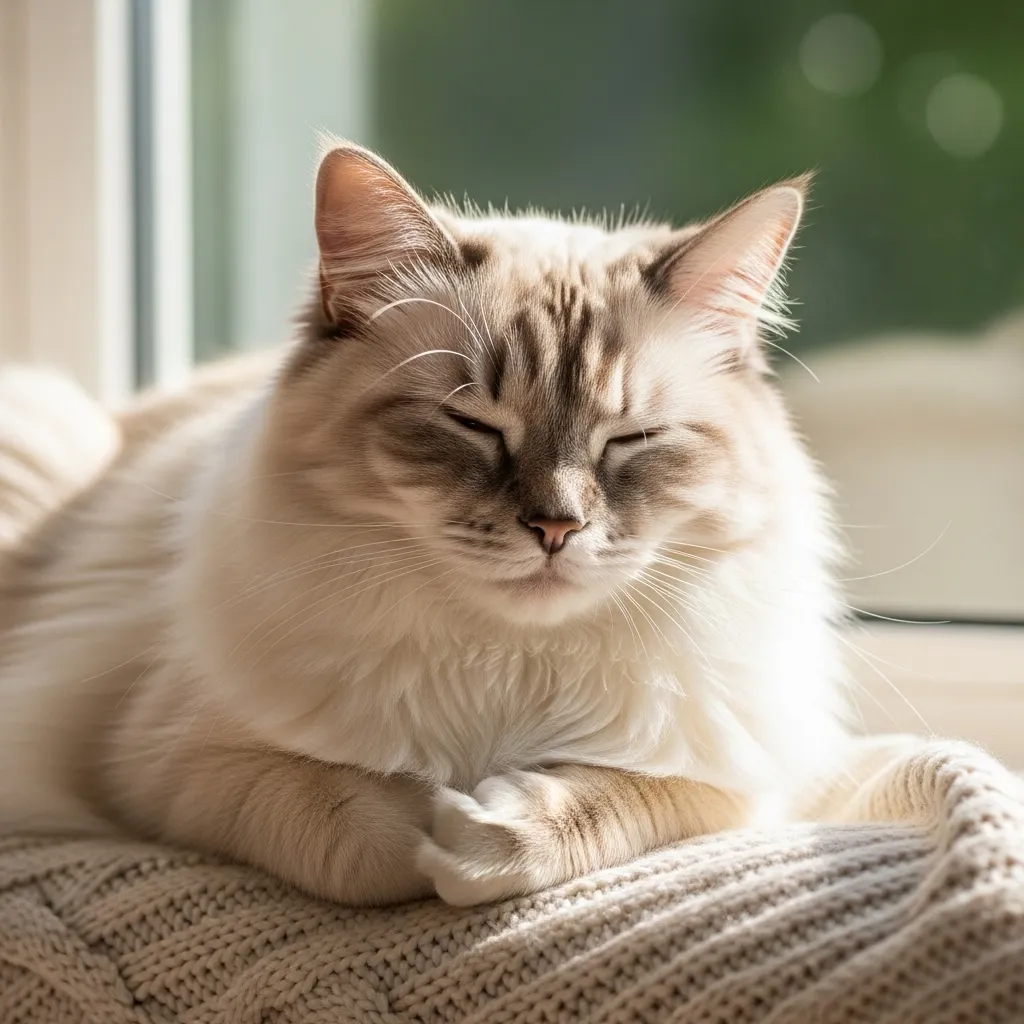
There is something so special about living with an older cat. They have that quiet confidence, the knowing look, and the way they curl up next to you on the couch is pure, unfiltered love. But as our cats step into their golden years, their needs start to shift. That playful kitten who once bounced off the walls is now the dignified elder who prefers a warm lap and a gentle routine.
I have walked this road with my own senior cats, and I know it can feel a little overwhelming at first. You want to give them the best care possible, but you are not always sure what changes to make. The good news? A few simple tweaks can make a world of difference. These eleven tips will help you keep your older cat comfortable, healthy, and truly happy.
1. Switch to a Senior-Specific Diet
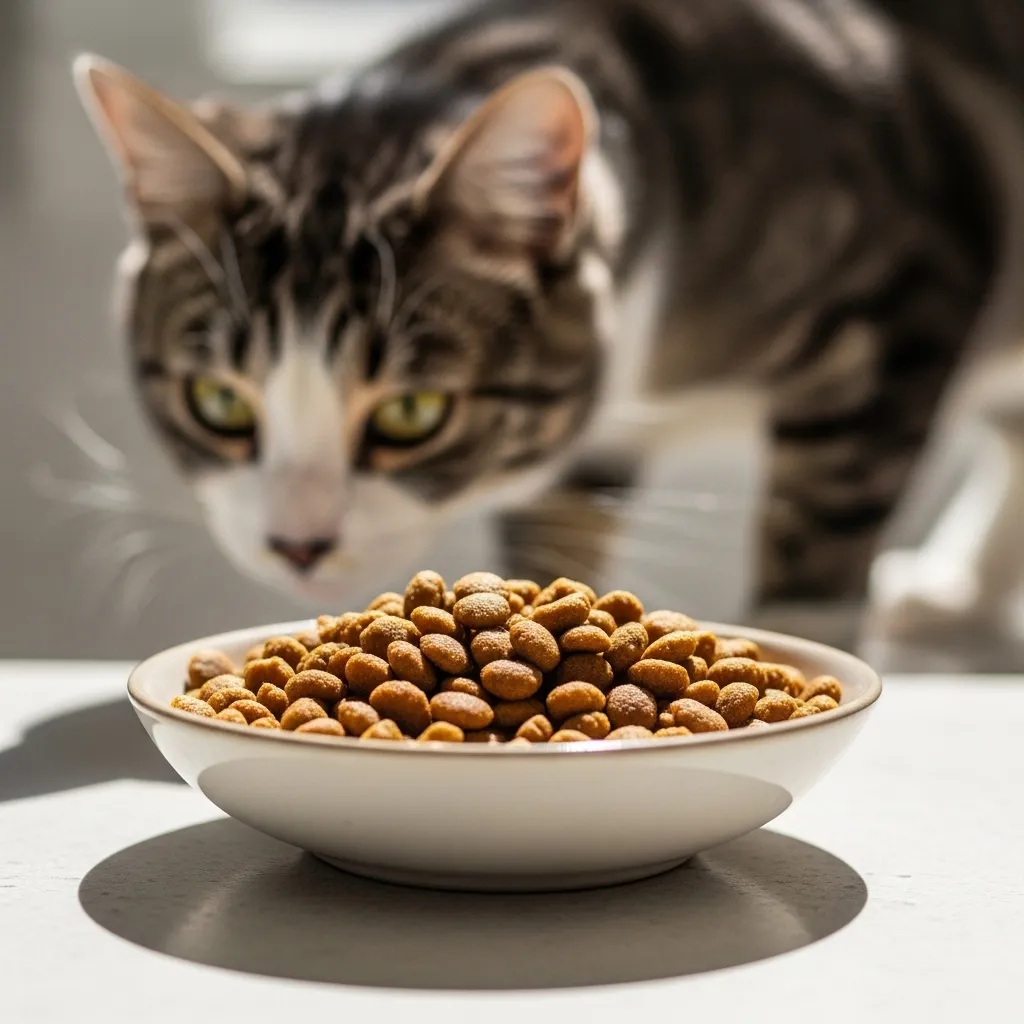
Your cat’s nutritional needs change as they age. Senior diets are usually lower in phosphorus and sodium, which supports aging kidneys and hearts. They also often include higher-quality protein to help maintain muscle mass.
Talk to your vet about which formula is right for your cat. Some older cats need gentle fiber for digestion, while others need extra omega-3s for joint health. Do not just grab any bag off the shelf. Make the switch gradual over a week or two to avoid tummy troubles.
A good rule of thumb: if your cat is over seven years old, it is time to consider a senior blend.
2. Make Vet Visits a Twice-a-Year Habit
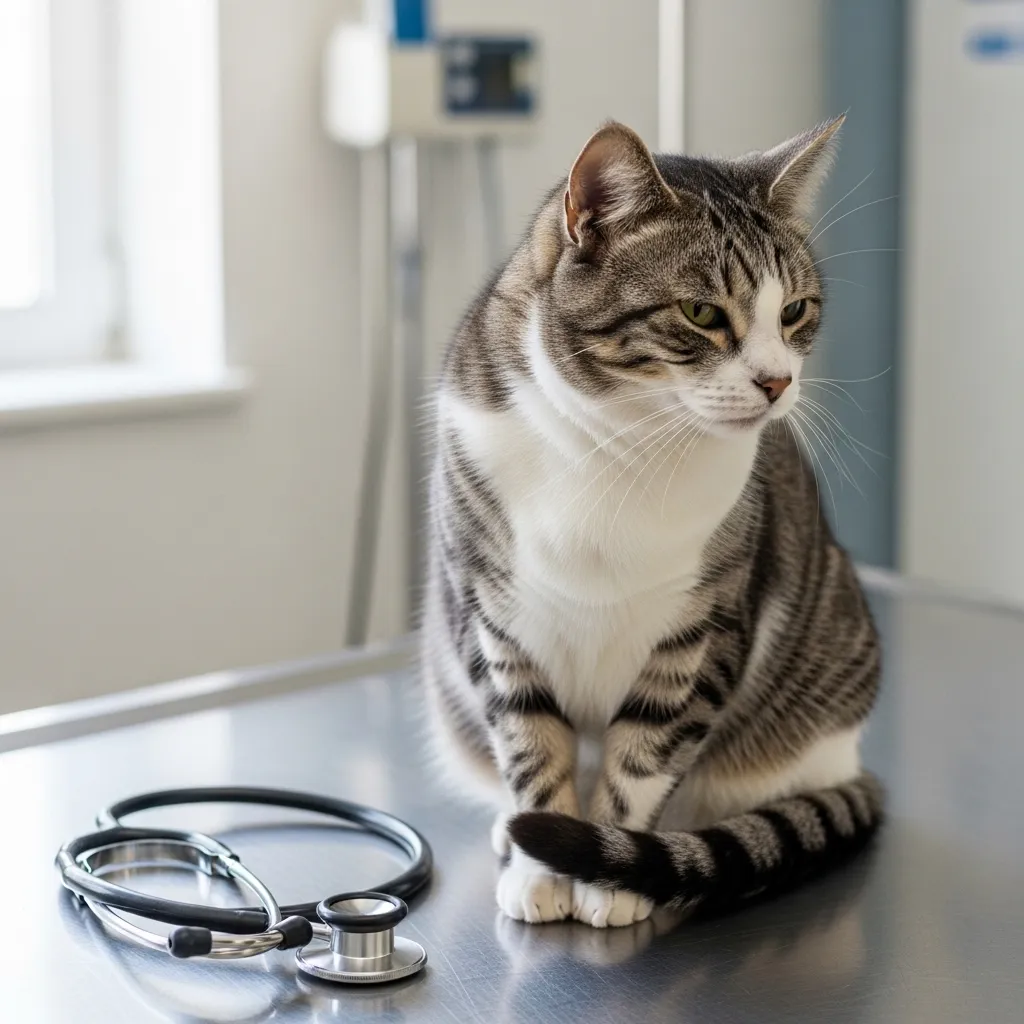
When cats are young, an annual checkup feels fine. But for senior cats, a lot can change in six months. I started taking my older cat for bi-annual visits, and it caught a small kidney issue before it became serious.
Your vet can run bloodwork, check their teeth, and feel for any lumps or changes. Early detection is everything. Plus, these visits give you a chance to ask all those little questions that pop up at home.
Do not wait until your cat looks sick. By then, they have often been hiding symptoms for a while.
3. Create Easy Access to Everything
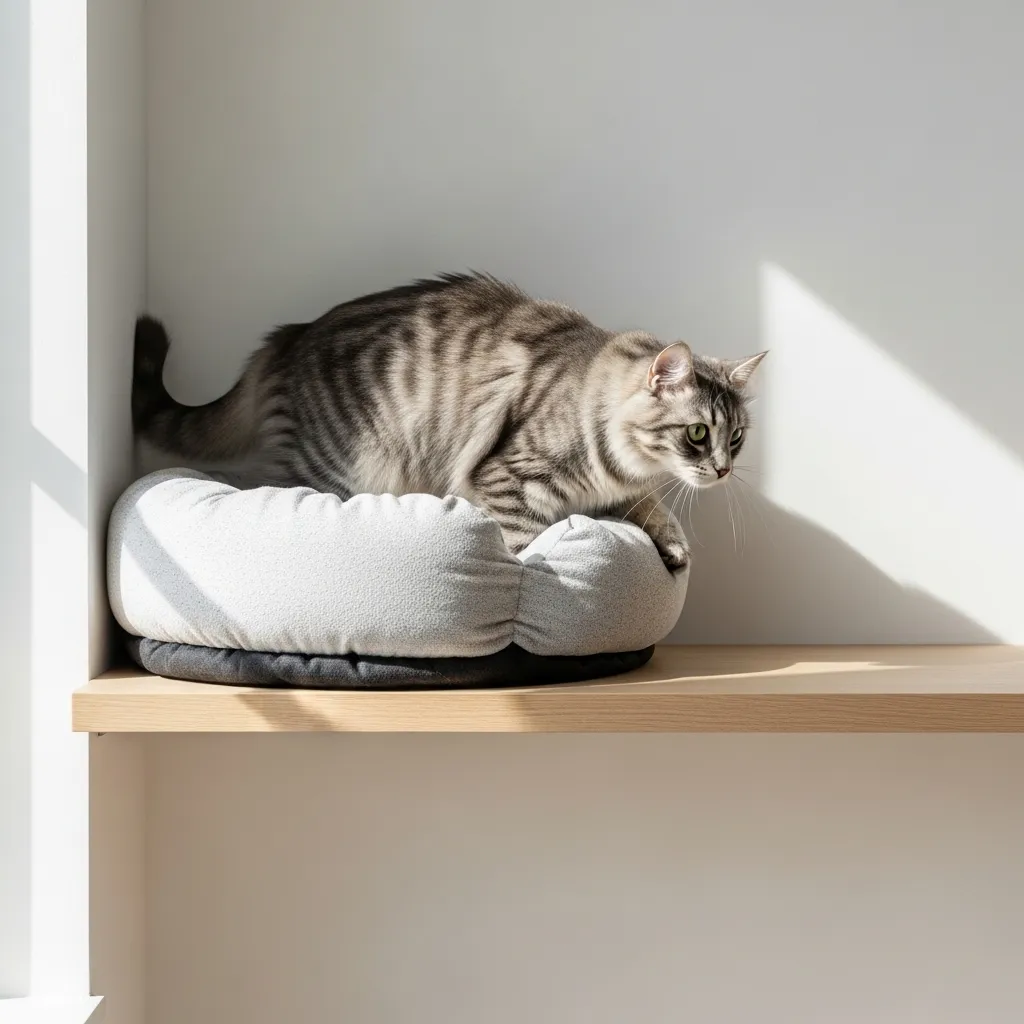
Arthritis and stiffness are common in older cats. I noticed my cat hesitating before jumping onto the bed, and it broke my heart. The fix was simple: a low step stool or a pet ramp next to the bed and couch.
Place their food and water bowls on the floor or on a very low riser. Avoid forcing them to jump up or down for meals. If you have multiple floors, consider having a litter box on each level.
Small changes in accessibility make a huge difference in their daily comfort.
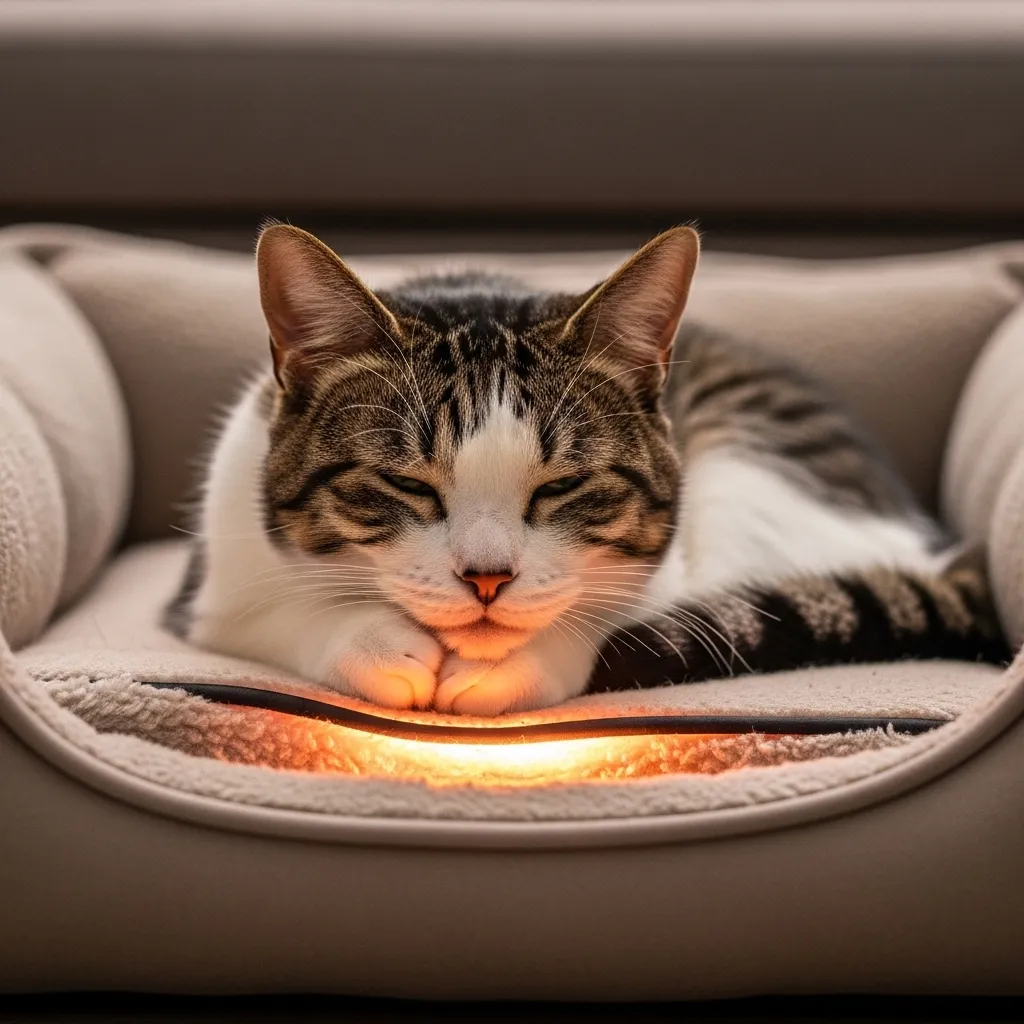
4. Invest in a Heated Bed or Pad
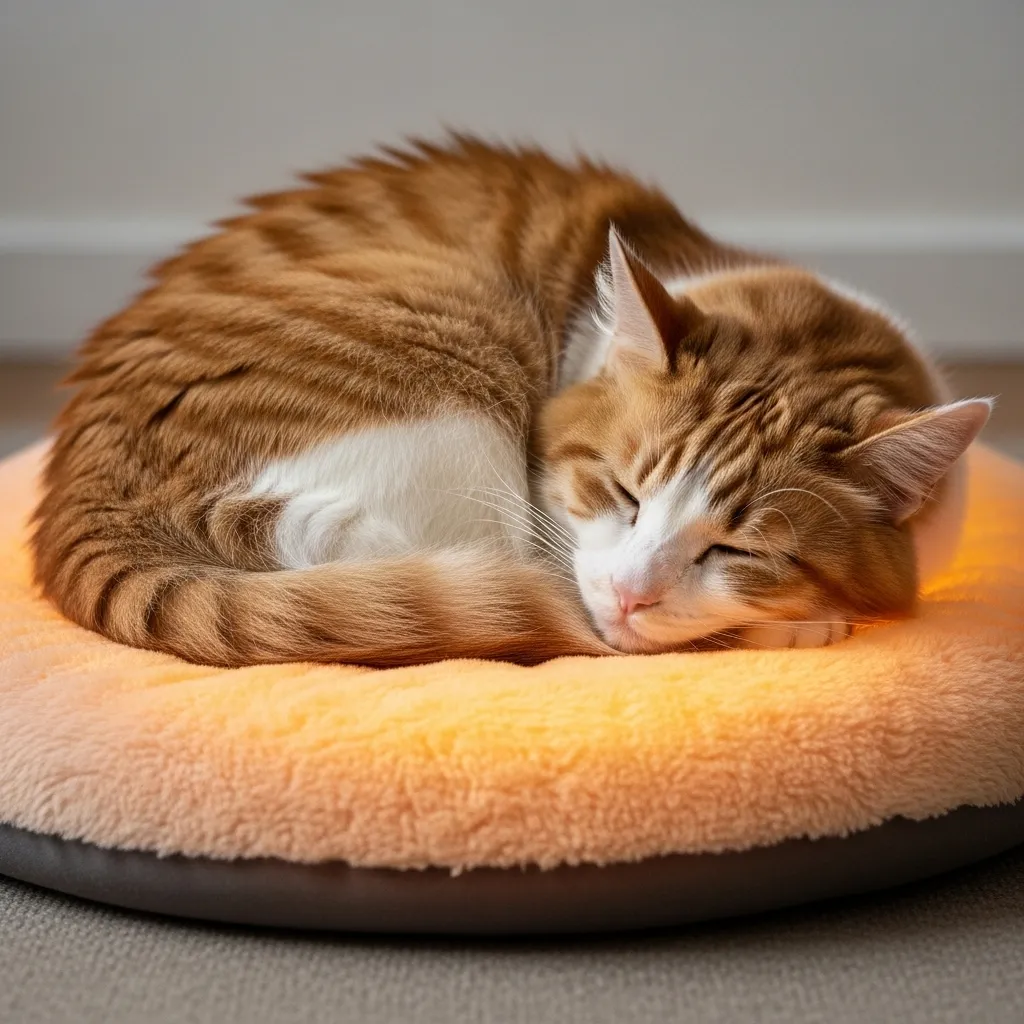
Senior cats get cold more easily. Their circulation slows down, and they lose body heat faster. A heated cat bed is not a luxury; it is practically a necessity for an older feline.
I bought a self-warming pad that reflects their own body heat, and my cat refuses to leave it. There are also microwavable discs and electric beds with low wattage. Just make sure whatever you choose has a chew-resistant cord and is easy to clean.
Place the bed in a quiet, draft-free spot. They will thank you with extra purrs.
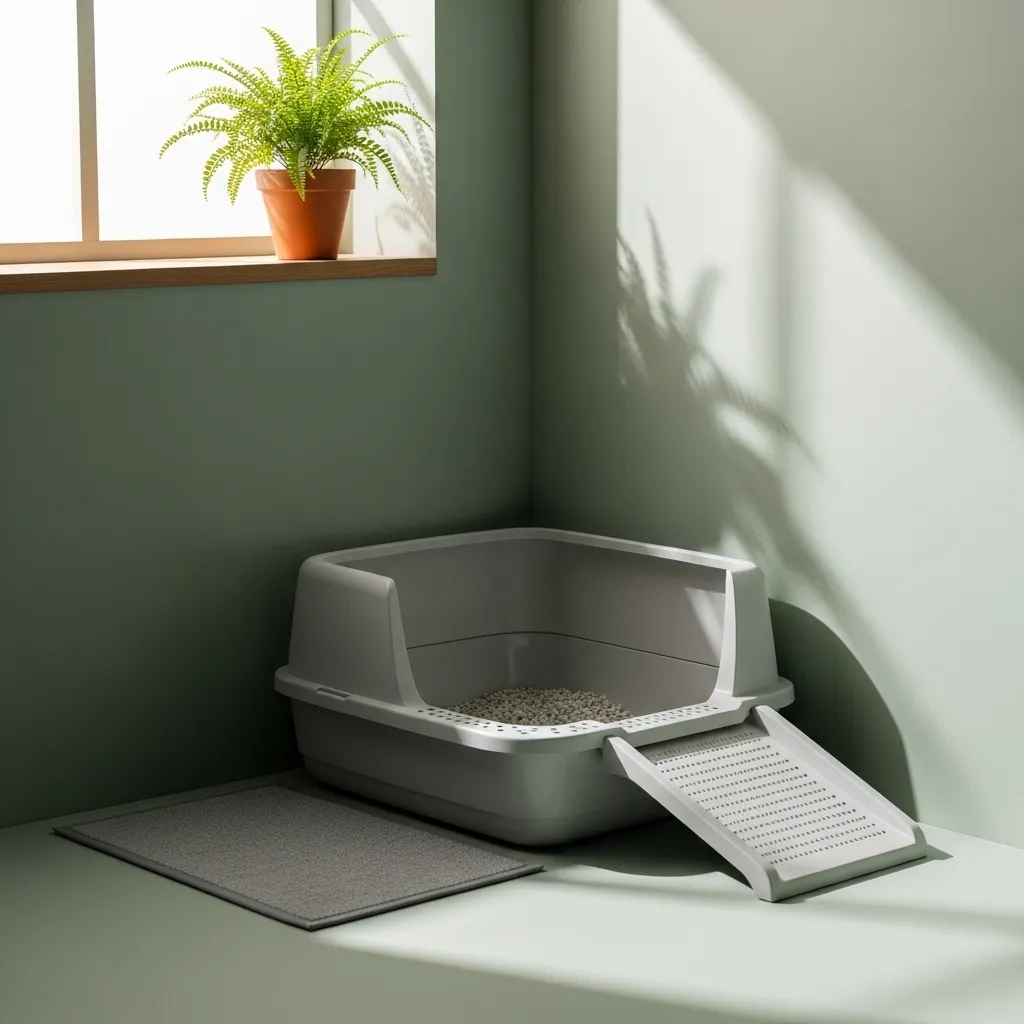
5. Adjust the Litter Box Setup
Older cats sometimes struggle with high-sided litter boxes. That step-in step-out motion can be painful for sore hips. Switch to a box with low sides, or cut a doorway into the side of a standard box.
Keep the box extra clean. Senior cats may have less bladder control, and they can get turned off by a dirty box. Scoop at least twice a day and do a full wash weekly.
Also, place the box in a quiet, easy-to-reach spot. No dark corners of the basement. Make it simple for them.
6. Brush Their Coat More Often
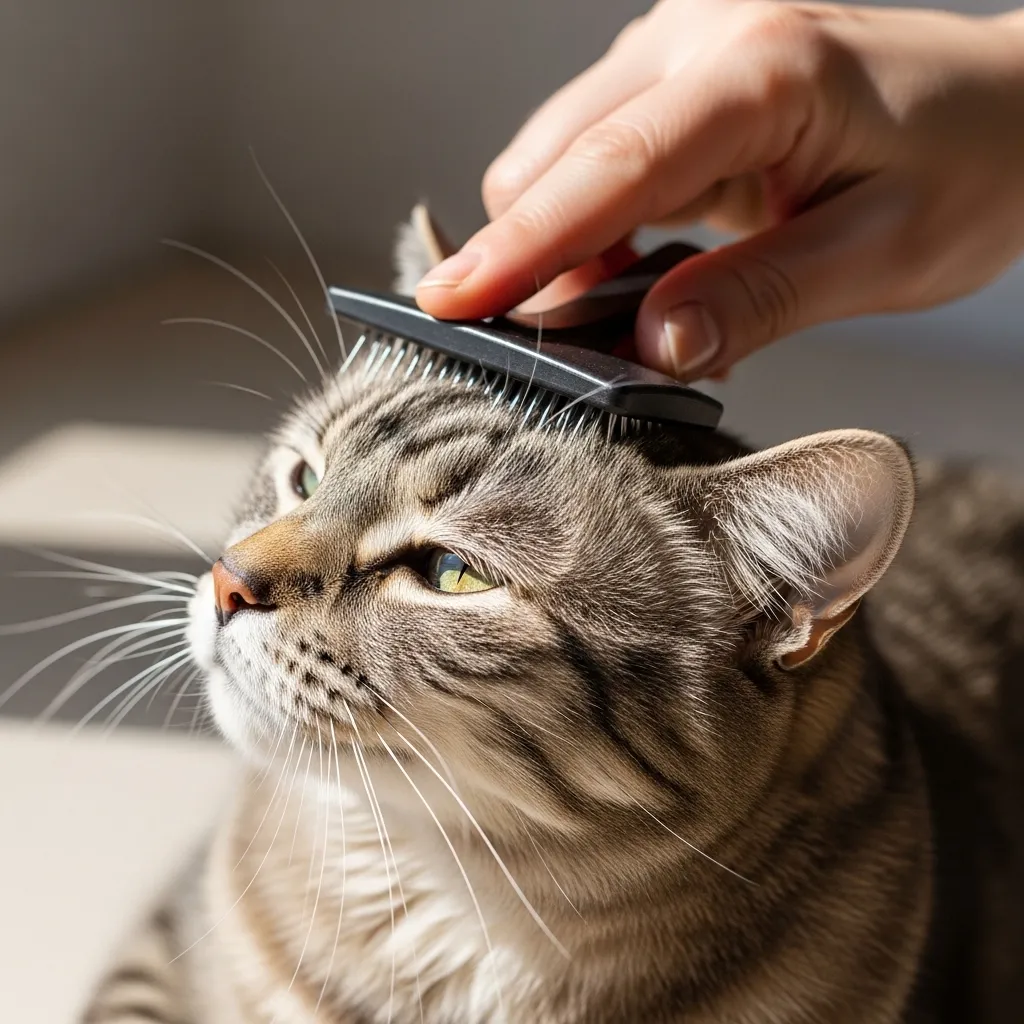
Older cats often cannot groom themselves as well. They might miss spots, especially along the back and hindquarters. This can lead to matted fur, skin irritation, and even dandruff.
I brush my senior cat every other day with a soft slicker brush. It stimulates circulation, distributes natural oils, and keeps their coat soft. Plus, it is a wonderful bonding moment for both of us.
If your cat has trouble twisting around, you can gently wipe them down with a damp cloth to help with hard-to-reach areas.
7. Keep an Eye on Their Weight
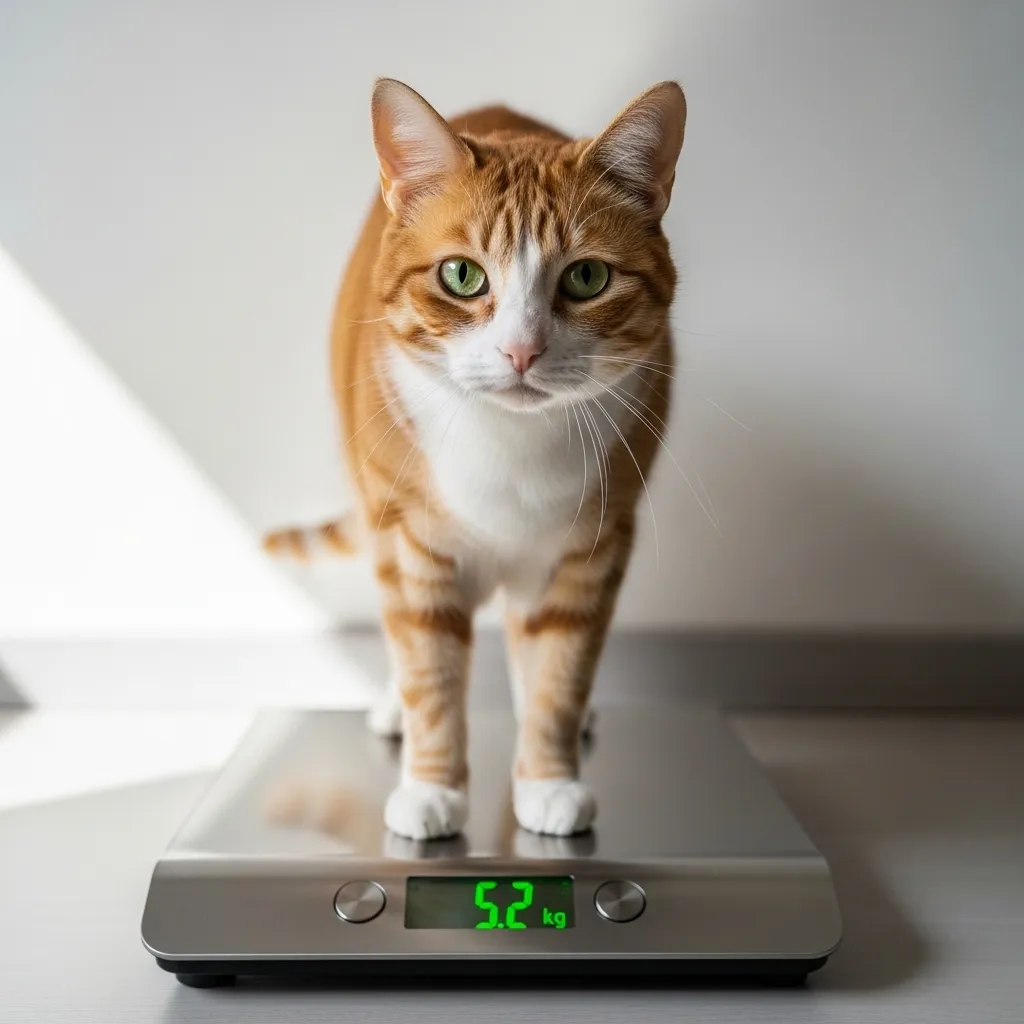
Weight changes in senior cats are a big deal. Some lose muscle mass and become too thin, while others slow down and pack on pounds. Both extremes need attention.
Weigh your cat at home every few weeks. A simple baby scale works great. If you notice a sudden drop or gain, call your vet. It could be a sign of thyroid issues, diabetes, or dental pain.
I keep a little notebook and jot down the weight. It sounds old-school, but it helps me spot trends before they become problems.
8. Provide Gentle, Low-Impact Play
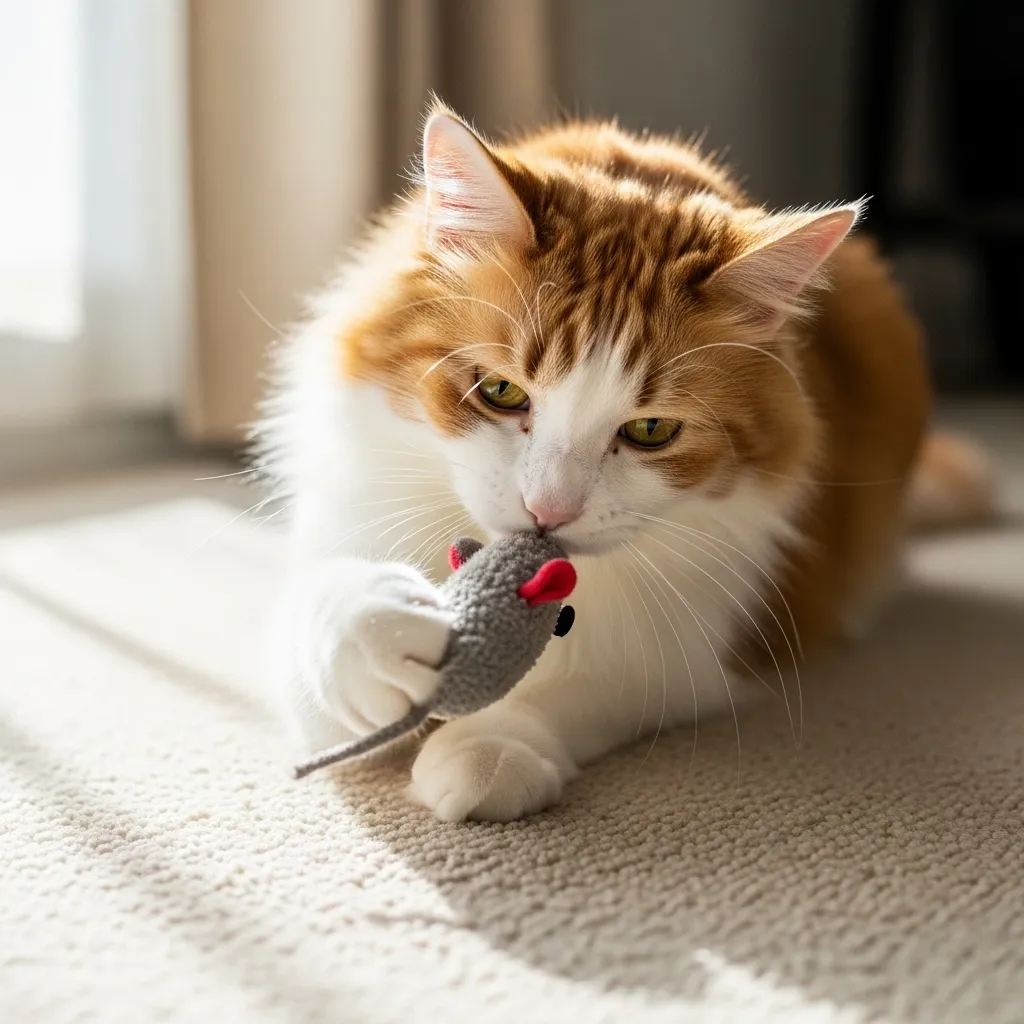
Just because they are older does not mean they do not want to play. But the days of wild pouncing and chasing are over. I switched to wand toys with slow, teasing movements. My cat loves to bat at a feather while lying down.
Short sessions of five to ten minutes are perfect. The goal is mental stimulation and gentle movement, not exhaustion. Puzzle feeders are also great for keeping their brain sharp.
Let them set the pace. If they walk away, that is fine.
9. Prioritize Dental Health
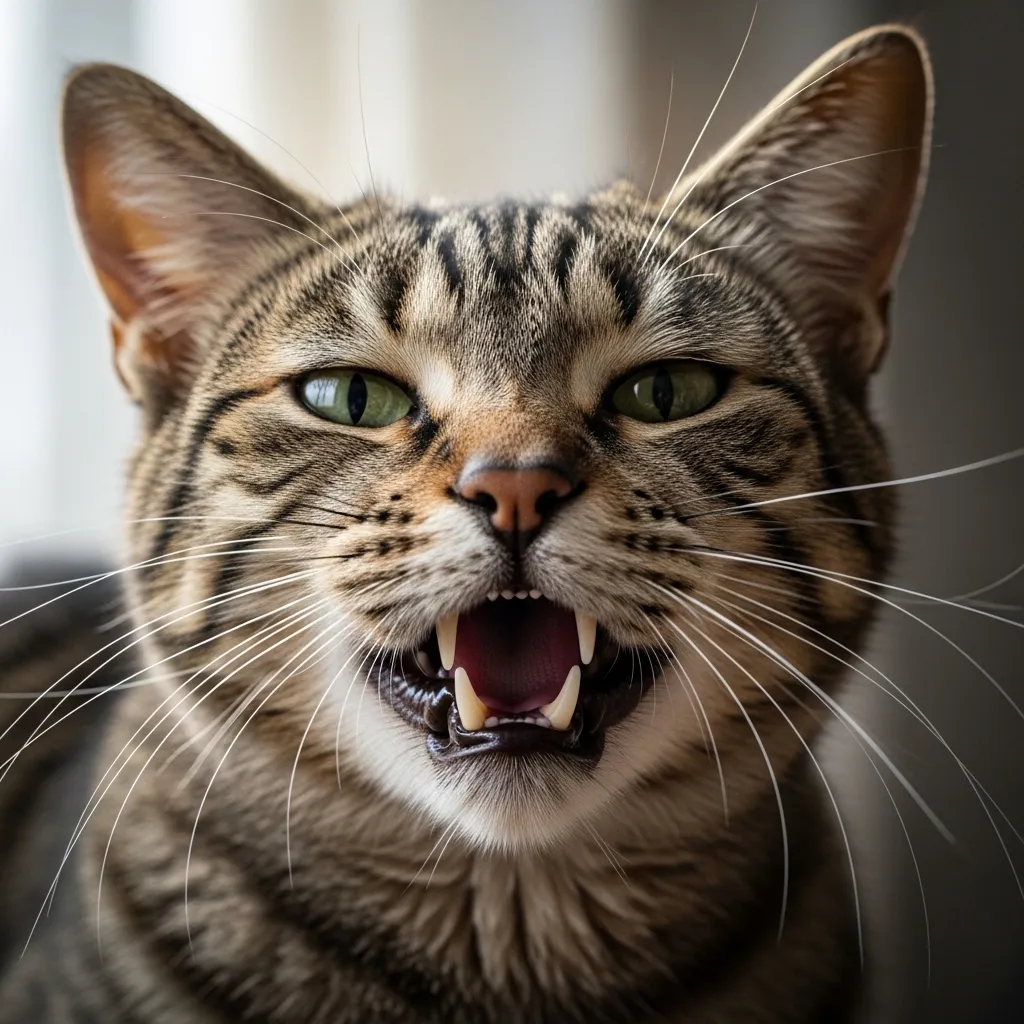
Dental disease is incredibly common in older cats. It can cause pain, bad breath, and even lead to heart or kidney issues. I cannot stress this enough: do not ignore their teeth.
If your cat allows it, try brushing with a pet-safe toothpaste. There are also dental rinses, water additives, and soft treats designed to reduce plaque. At the very least, have your vet check their mouth during each visit.
A cat with a healthy mouth eats better, feels better, and lives better.
10. Watch for Subtle Changes in Behavior
Cats are masters at hiding pain. As they age, you have to become a detective. Is your cat hiding more? Are they sleeping in unusual spots? Have they stopped jumping on the windowsill?
I keep a mental checklist: appetite, litter box habits, activity level, and vocalization. Any change that lasts more than a day or two deserves attention. Sometimes a simple adjustment, like a new bed or different food texture, solves the issue.
Trust your gut. You know your cat better than anyone.
11. Give Them Extra Love and Patience
This might sound like the simplest tip, but it matters most. Senior cats can be a little grumpy or confused sometimes. They might have accidents outside the box or yowl at night. It is easy to get frustrated, but please remember they are not doing it on purpose.
I talk to my cat in a soft voice and give her extra chin scratches. I let her nap on my chest even when my arm falls asleep. These moments are precious. They are slowing down, and so should we.
Cherish the quiet. The golden years are a gift.
Conclusion
Caring for a senior cat is a journey of small adjustments and big love. Every ramp you place, every soft bed you warm, every gentle brush stroke is a way of saying, “I see you, and I am here for you.” Your cat has given you years of companionship. Now it is your turn to make their twilight years as comfortable and joyful as possible.
Take it one day at a time. You do not have to do everything at once. Pick one or two tips from this list and start there. Your cat will feel the difference, and so will you.
Frequently Asked Questions
At what age is a cat considered senior?
Most vets consider cats to be senior around 7 to 10 years old. Cats over 11 are often called geriatric. Every cat ages differently, so watch for individual signs rather than just the number.
How can I tell if my senior cat is in pain?
Look for changes in behavior: hiding, decreased appetite, irritability, avoiding jumps, or changes in grooming. Cats often hide pain, so subtle shifts are your best clue.
Should I change my senior cat’s food without consulting a vet?
It is always best to talk to your vet first. They can recommend a diet tailored to your cat’s specific health needs, like kidney support or joint care.
Why is my senior cat meowing more at night?
This can be due to cognitive decline, vision loss, or simply feeling disoriented. Keep a nightlight on, maintain a consistent routine, and offer comfort. If it is new or extreme, check with your vet.
How much should a senior cat sleep?
Older cats sleep more, often 16 to 20 hours a day. That is normal. What matters is that they are alert and responsive when awake, and that they still eat, drink, and use the litter box normally.