11 Weather-Proof DIY Cat Enclosure Plans
I love my cat, but I also love my peace of mind. Watching her stare longingly out the window always made me feel a little guilty. I wanted to give her a safe taste of the outdoors without worrying about traffic, predators, or her plotting a great escape.
After building my first catio, I realized the biggest challenge is keeping it comfortable in all seasons. A sunny spot in summer can become an oven, and a windy corner in winter is just miserable. That is why I gathered these weather-proof plans. They are designed to handle rain, snow, heat, and wind, keeping your cat safe and happy every single day.
These eleven ideas range from simple window boxes to freestanding palaces. You do not need to be a master carpenter. I have broken down the key weather-proofing tricks for each one. Let us find the perfect plan for your space and your feline friend.
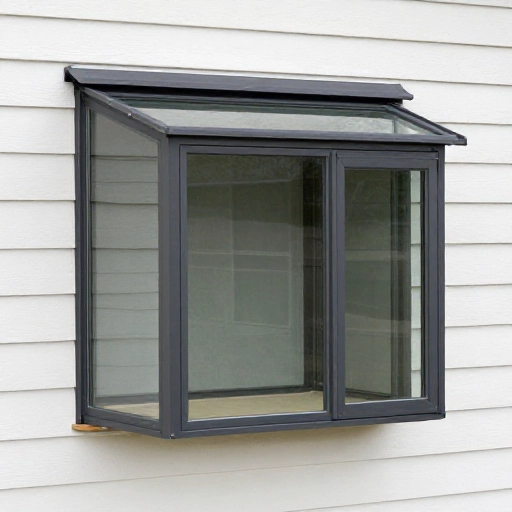
1. The Insulated Window Box Catio
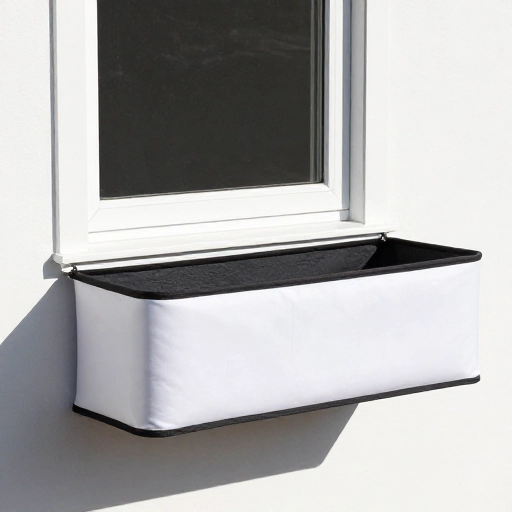
This is the easiest starter project. It attaches directly to your window sill, giving your cat a private balcony. The key to making it weather-proof is using double-layered walls with rigid foam insulation board in between. This keeps the interior cool in summer and warm in winter.
Use a clear polycarbonate roof instead of wire mesh. It lets in sunlight but blocks rain and snow. Add a small, removable plexiglass panel on the front for wind protection on blustery days. Your cat gets fresh air without the chill.
For the floor, use exterior-grade plywood sealed with a waterproof deck stain. Drill small drainage holes so any splashes or spills dry out fast. This plan is perfect for apartments or renters because it is compact and easy to remove.
2. The A-Frame Rain Shelter Enclosure
This design is a classic for a reason. The steep sloping roof sheds rain and snow instantly. It looks great in any backyard and feels like a tiny cabin for your cat. The entire structure sits on a wooden base with casters, so you can move it to follow the sun or shade.
Build the frame from pressure-treated lumber for rot resistance. Wrap the sides in strong galvanized hardware cloth, but cover the top half with clear corrugated plastic panels. This creates a dry, bright interior even during a downpour.
Add a small, enclosed “mudroom” entry with a cat flap. This blocks wind from directly entering the main space. Inside, place a cozy, elevated bed that stays dry. Your cat will feel like the king or queen of their own castle.
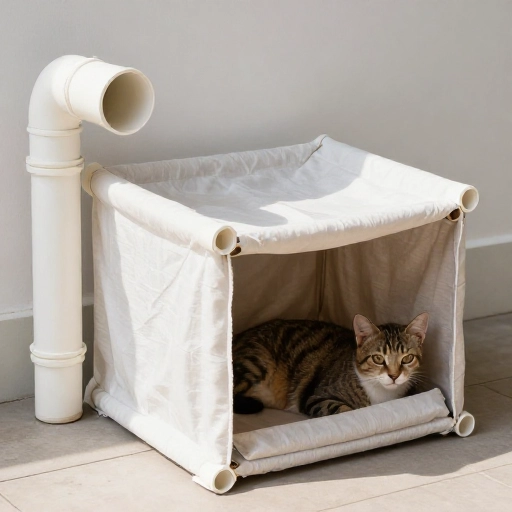
3. The PVC Pipe and Shade Cloth Oasis
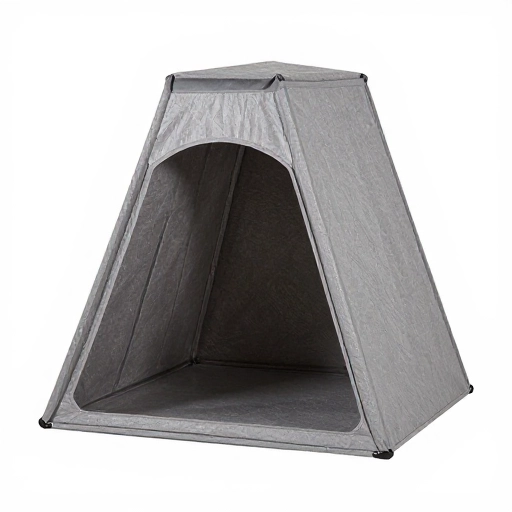
If you need something lightweight and portable, this is my favorite. PVC pipe is cheap, easy to cut, and never rusts. The trick is using heavy-duty shade cloth (90% blockage) for the walls and roof. It blocks UV rays and keeps the space surprisingly cool.
For rain protection, add a separate tarp roof that overlaps the shade cloth. Use bungee cords to secure it, making it easy to remove on sunny days. The shade cloth also acts as a windbreak, softening gusts so your cat feels safe.
Anchor the frame with sandbags or ground stakes. This plan is ideal for renters or people who want a temporary setup for their deck. It folds flat for winter storage and costs under $100 to build.
4. The Lean-To Catio Against a House Wall
This plan uses your home’s existing wall for insulation and support. It is basically a three-sided box attached to your siding. The roof slopes away from the house to direct rainwater runoff. Use a continuous strip of flashing where the roof meets the wall to prevent leaks.
Build the frame with cedar, which naturally resists moisture and bugs. The front and sides are hardware cloth, but the back wall is your house. This gives your cat a solid, warm barrier on cold nights.
Add a hinged plexiglass storm panel that flips down over the wire mesh during winter storms. When spring comes, prop it open for full airflow. This design is sturdy and integrates seamlessly with your home’s architecture.
5. The Repurposed Greenhouse Cat Enclosure
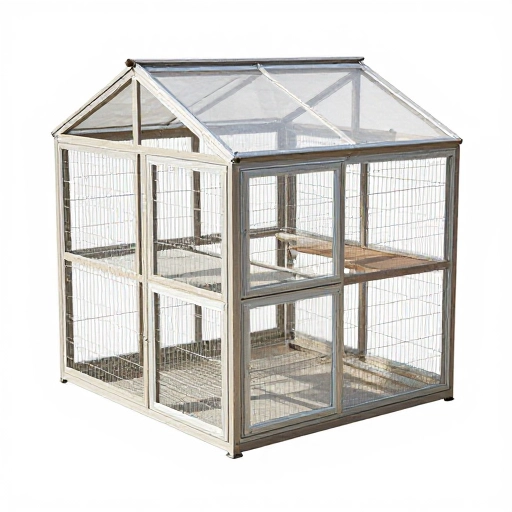
Old greenhouse frames are perfect for this. They already have a glass or polycarbonate roof and walls. You just need to replace the door with a cat flap and line the lower walls with hardware cloth for ventilation.
The glass roof heats up fast, so you must add automatic vent openers. These devices open a window when the temperature rises, preventing overheating. In winter, the greenhouse effect keeps the interior much warmer than the outside air.
Add a shade cloth inside for hot summer afternoons. Your cat gets a sunny, warm spot in winter and a cool, shaded retreat in summer. It is a sustainable and stylish option that feels like a magical garden room.
6. The Multi-Level Tower with a Solid Roof
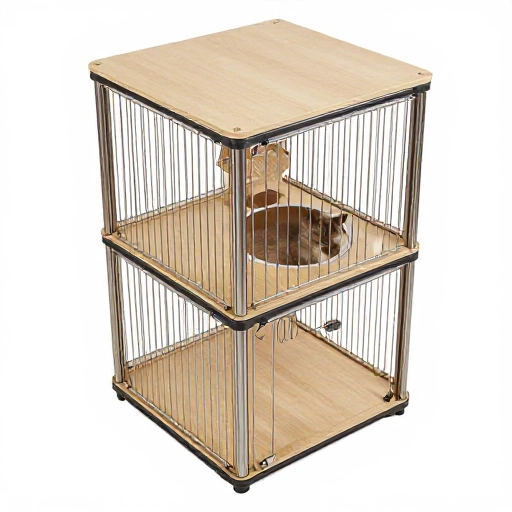
Cats love height, and this plan gives them vertical space with a solid, insulated roof. Build a freestanding tower with two or three platforms. The top platform has a full plywood roof covered in asphalt shingles for real weather protection.
Wrap the climbing posts in sisal rope. Use exterior-grade plywood for all platforms and seal every edge with waterproof caulk. The solid roof creates a dry zone underneath, perfect for a bed or food station.
Enclose the lower levels with wire mesh, but leave the top platform open on one side for sunbathing. The solid roof blocks rain and snow, while the mesh sides allow breeze. This is a fantastic choice for cats who love to climb and survey their kingdom.
7. The Under-Deck Cat Cave
Do you have a deck with a crawl space underneath? Turn that wasted area into a weather-proof paradise. The deck itself becomes the roof. Just enclose the sides with lattice and hardware cloth. The ground stays dry and cool.
Line the interior walls with rigid foam insulation to block wind and dampness. Use a waterproof membrane on the ground, like a heavy-duty tarp covered with outdoor carpet. This prevents mud and moisture from seeping up.
Install a cat door from your house or a small access hatch. Add some shelves and hiding spots. This plan is incredibly durable because the deck protects it from direct rain and sun. It feels like a secret underground lair.
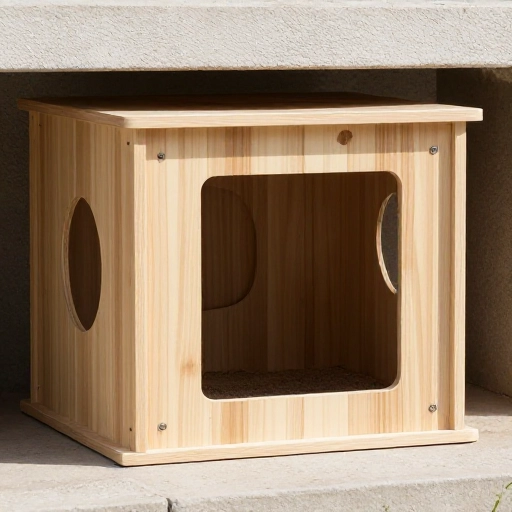
8. The Rolling Chicken Coop Conversion
Old chicken coops are built tough. They have solid roofs, good ventilation, and are already raised off the ground. You can often find used ones for cheap. Just replace any large gaps with hardware cloth sized for cats.
The best part is the wheels. You can roll the enclosure to follow the perfect sun patch or move it to a shaded spot during a heatwave. The solid roof keeps rain out completely, and the nesting boxes make great hiding spots.
Add a sandbox area inside for digging. The coop’s existing perches are perfect for lounging. Seal any wood cracks with exterior caulk to prevent drafts. This is a fast, budget-friendly project with a charming farmhouse look.
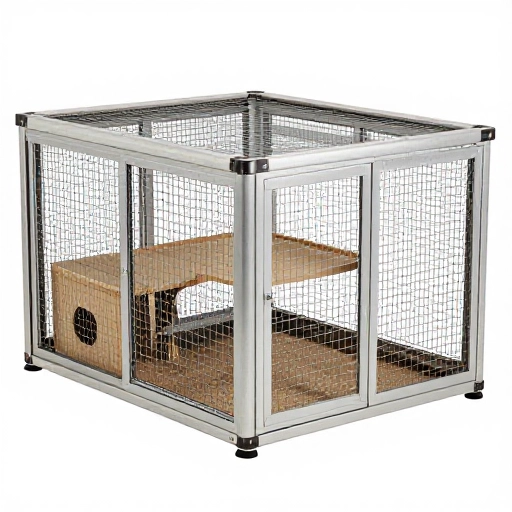
9. The Window Tunnel with a Weather Flap
This is a simple tunnel that connects a window to a small enclosed box. The tunnel is made from clear corrugated plastic, so your cat can see out. The box at the end has a solid roof and a heavy-duty vinyl flap door.
The flap door is the weather-proof secret. It blocks wind and rain from entering the tunnel. Use a magnetic flap for a tight seal. The box itself should have a small vent near the top to prevent stuffiness.
Build the box from plywood and paint it with exterior paint. Place a soft bed inside. Your cat can enjoy the fresh air through the tunnel while staying dry in the box. It is a tiny adventure that connects directly to your home.
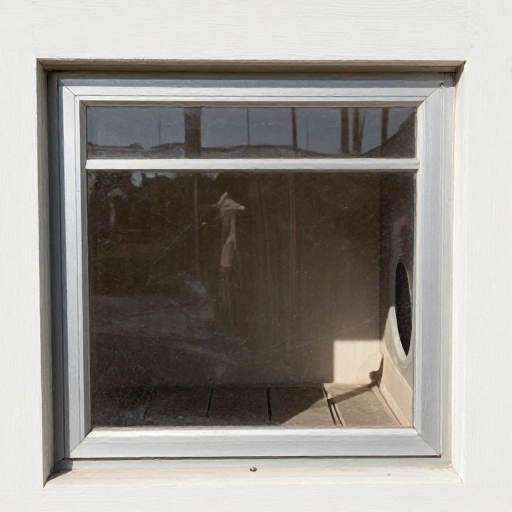
10. The Geodesic Dome Catio
This is for the adventurous DIYer. A geodesic dome is incredibly strong and wind-resistant. The triangular panels distribute force evenly, making it perfect for exposed yards. Build the frame from PVC or EMT conduit.
Cover the frame with a combination of clear plastic panels and hardware cloth. Use the plastic panels on the upper triangles for light and the mesh on the lower ones for airflow. The dome shape sheds snow and rain beautifully.
It looks modern and cool. You can make it as big or small as you want. The interior feels spacious without needing tall walls. This plan is a conversation starter and a fortress against the elements.
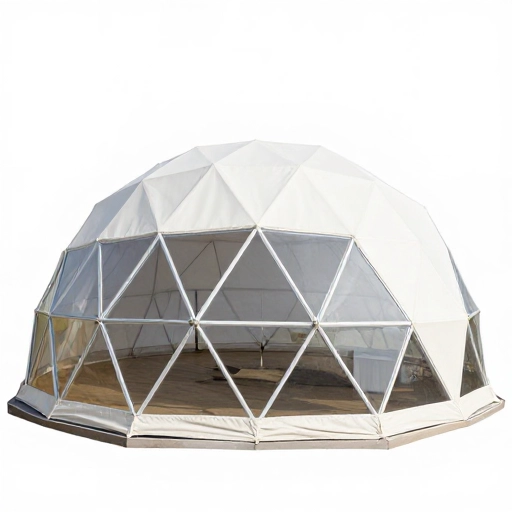
11. The Subterranean Escape with a Bunker
Some cats feel safer underground. This plan uses a buried plastic storage bin as a “bunker.” Cut a hole in the lid and attach a corrugated drainage pipe that leads up to a small wire enclosure on the surface.
The buried bin stays cool in summer and insulated in winter. Line it with straw (not hay) for bedding. The pipe entrance gives your cat a private, covered entry. The surface enclosure has a solid roof and mesh walls.
This is fantastic for nervous cats. They can retreat to the cool, dark bunker whenever they feel overwhelmed. The surface area lets them sunbathe safely. It is a unique design that uses the earth’s natural insulation.
Conclusion
Building a weather-proof cat enclosure does not have to be a huge headache. The best plan is the one that fits your space, your skill level, and your cat’s personality. Start small with a window box, or go big with a multi-level tower. Every project gives your cat a gift of safe, outdoor living.
Remember to use materials that resist rot and rust. Always prioritize ventilation in summer and wind protection in winter. Your cat will thank you with happy chirps and lazy sunbeams. Pick a plan, grab some tools, and create a little sanctuary they will love for years.
Frequently Asked Questions
What is the best material for a weather-proof cat enclosure roof?
Clear corrugated polycarbonate panels are my top choice. They are strong, let in sunlight, and block rain and snow. They are also easy to cut and attach to a wooden frame.
How do I keep my cat enclosure cool in summer?
Good ventilation is key. Add vents near the top of the enclosure to let hot air escape. You can also use shade cloth over part of the roof or place the enclosure in a spot that gets afternoon shade.
Do I need to insulate a cat enclosure for winter?
It depends on your climate. In mild winters, a solid roof and a windbreak are enough. In cold climates, use rigid foam insulation in the walls and add a heated cat bed inside. Always provide a dry, draft-free area.
Can I use chicken wire for my cat enclosure?
I recommend against it. Chicken wire is too thin and flimsy. Cats can tear through it, and predators can bite through it. Use ½-inch or 1-inch galvanized hardware cloth instead. It is much stronger and safer.
How big should my cat enclosure be?
Think vertical, not just horizontal. Cats love height. A good rule is at least 2 feet wide, 3 feet deep, and 5 feet tall. This gives room for shelves, perches, and a cozy bed on the ground. Bigger is always better for active cats.