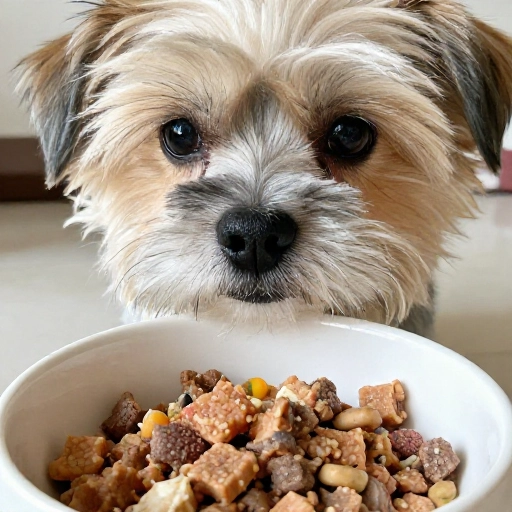
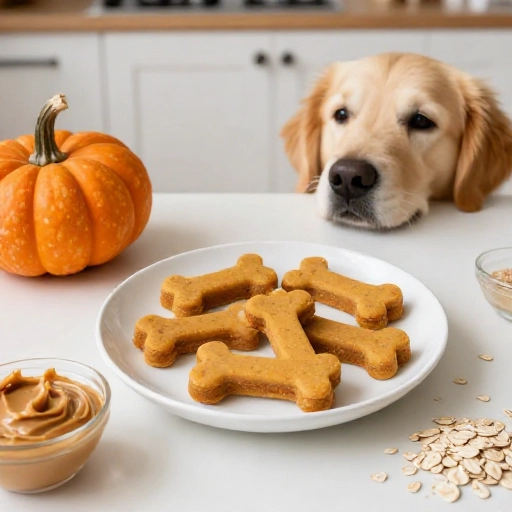
12 Balanced Homemade Meals Your Small Dog Needs (Vet-Approved & Easy)
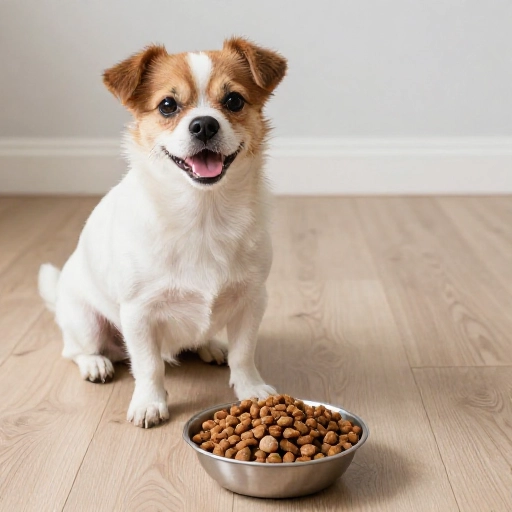
When I first started cooking for my tiny Chihuahua, I was overwhelmed by all the conflicting advice online. Should I add rice? Is chicken skin safe? What about vegetables? After months of research and countless happy mealtimes, I’ve perfected 12 balanced homemade meals that my little guy absolutely adores. These recipes are designed specifically for small dogs who need nutrient-dense food in smaller portions.
Small dogs have unique nutritional needs. Their fast metabolism means they need high-quality protein and healthy fats, but in carefully measured amounts. Every recipe here includes the right balance of protein, carbohydrates, vegetables, and essential supplements to keep your pup thriving. No complicated steps, no weird ingredients—just real food that makes tails wag.
Before we dive into the recipes, remember that any dietary change should be gradual. Start by mixing a small amount of homemade food with your dog’s current diet, then increase over a week. And always check with your vet before making the switch, especially if your small dog has health issues.
Why Homemade Meals Are Better for Small Dogs
I noticed a huge difference in my dog’s energy and coat condition after just two weeks of homemade food. Commercial kibble, even the premium brands, often contains fillers like corn and wheat that small dogs don’t need. Homemade meals let you control exactly what goes into every bite. You can tailor the protein source to your dog’s preferences, avoid allergens, and ensure they get fresh, whole ingredients. Plus, small dogs are prone to dental issues—soft, homemade food is gentler on their teeth while still providing all the nutrition they need.
Essential Equipment for Small Dog Meal Prep
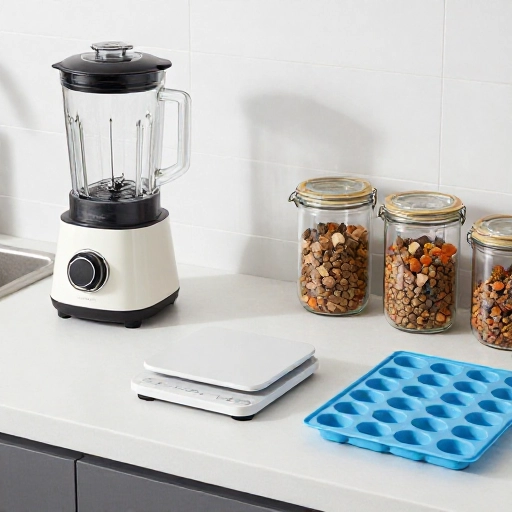
You don’t need a fancy kitchen setup to make these meals. I use basic tools that most people already have. A good cutting board, a sharp knife, and a set of measuring spoons are non-negotiable. For cooking, a medium-sized pot and a non-stick skillet work perfectly. I also recommend getting a small food processor or blender—it makes grinding vegetables and mixing ingredients so much easier, especially for tiny portions. Glass meal prep containers with tight lids are great for storing portions in the fridge or freezer.
Basic Ingredients You’ll Need
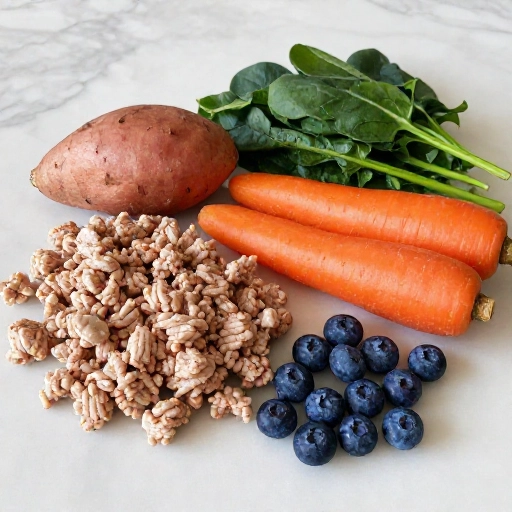
Every recipe in this list uses simple, dog-safe ingredients you can find at any grocery store. Stock up on lean proteins like chicken breast, ground turkey, and lean beef. For healthy carbs, keep brown rice, sweet potatoes, and oats on hand. Vegetables like carrots, green beans, spinach, and pumpkin are packed with vitamins. Don’t forget eggs—they’re a fantastic source of protein and healthy fats. For supplements, you’ll need fish oil for omega-3s and a canine multivitamin powder to ensure balanced nutrition. Always use plain ingredients without added salt, spices, or oils.
12 Balanced Homemade Meals Your Small Dog Will Love
Here are my go-to recipes that cover a variety of proteins and flavors. Each recipe makes about 4-5 servings for a 10-pound dog. Adjust portions based on your dog’s size and activity level. Remember to introduce new foods slowly and watch for any digestive upset.
1. Chicken & Sweet Potato Delight
1 cup cooked, shredded chicken breast, 1/2 cup mashed sweet potato, 1/4 cup steamed green beans, 1 teaspoon fish oil. Mix everything together and serve at room temperature.
2. Turkey & Rice Comfort Bowl
1/2 cup cooked ground turkey (drained), 1/2 cup cooked brown rice, 1/4 cup grated carrots, 1 tablespoon plain pumpkin puree. Combine and stir well.
3. Beef & Oatmeal Breakfast
1/3 cup cooked lean ground beef, 1/3 cup cooked oatmeal, 2 tablespoons steamed spinach (chopped), 1 teaspoon flaxseed oil. Mix and serve warm.
4. Salmon & Quinoa Power Bowl
1/2 cup cooked salmon (flaked, bones removed), 1/3 cup cooked quinoa, 1/4 cup steamed broccoli florets (chopped small), 1 teaspoon coconut oil. Gently combine all ingredients.
5. Chicken Liver & Veggie Mix
2 tablespoons cooked chicken liver (chopped fine), 1/2 cup cooked brown rice, 1/4 cup steamed zucchini (diced), 1 tablespoon plain yogurt. Mix thoroughly. Liver is nutrient-dense, so use sparingly.
6. Egg & Sweet Potato Scramble
1 scrambled egg (no oil), 1/4 cup mashed sweet potato, 2 tablespoons steamed peas, 1 teaspoon olive oil. Combine everything in a bowl.
7. Turkey & Pumpkin Stew
1/2 cup cooked ground turkey, 1/4 cup plain pumpkin puree, 1/4 cup cooked barley, 1 tablespoon chopped parsley. Mix well and add a splash of water if needed.
8. Beef & Carrot Hash
1/3 cup cooked lean ground beef, 1/3 cup grated raw carrot, 1/4 cup cooked millet, 1 teaspoon salmon oil. Stir together until evenly mixed.
9. Chicken & Green Bean Medley
1 cup cooked shredded chicken, 1/2 cup steamed green beans (chopped), 1/4 cup cooked white rice, 1 teaspoon fish oil. Combine gently.
10. Lamb & Oatmeal Dinner
1/2 cup cooked ground lamb (drained), 1/3 cup cooked oatmeal, 2 tablespoons steamed cauliflower (mashed), 1 tablespoon cottage cheese. Mix all ingredients.
11. Salmon & Spinach Surprise
1/2 cup cooked salmon (flaked), 1/4 cup cooked quinoa, 2 tablespoons steamed spinach (finely chopped), 1 teaspoon flaxseed oil. Stir gently to combine.
12. Chicken & Rice Basic Blend
1 cup cooked shredded chicken, 1/2 cup cooked white rice, 1/4 cup steamed peas and carrots mix, 1 teaspoon fish oil. This is the simplest and most digestible option for sensitive tummies.
How to Store and Serve These Meals
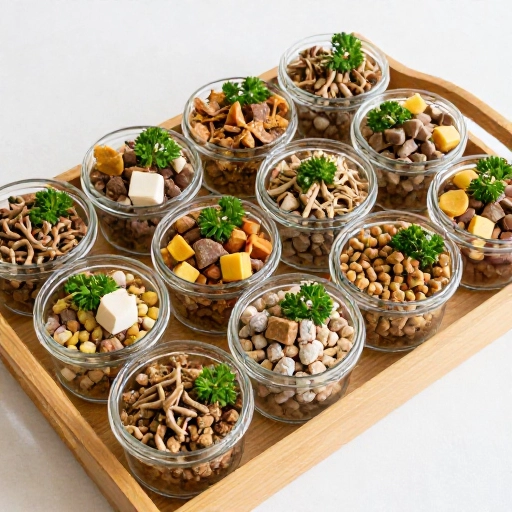
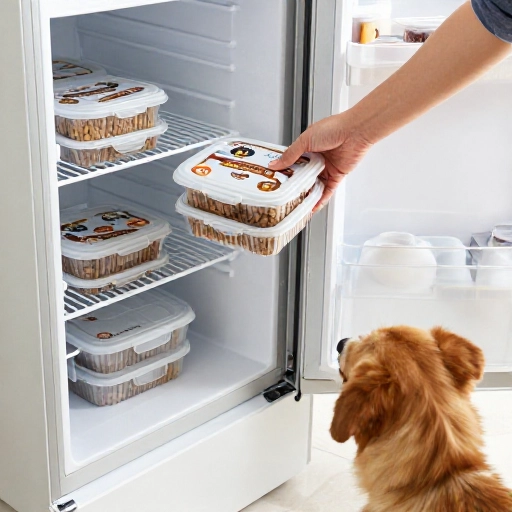
I batch-cook on Sundays and portion everything into small containers. Most meals stay fresh in the fridge for up to 4 days. For longer storage, freeze portions in ice cube trays or small freezer bags—they’ll last up to 3 months. When serving, thaw frozen portions in the fridge overnight, then warm gently by placing the container in a bowl of hot water. Never microwave dog food, as it can create hot spots that burn your pup’s mouth. Always serve at room temperature, not straight from the fridge. Start with small portions—about 1/4 to 1/2 cup per meal for a 10-pound dog—and adjust based on your vet’s advice.
Conclusion: Your Small Dog Deserves Real Food
Making homemade meals for your small dog doesn’t have to be complicated or time-consuming. These 12 recipes prove that with a little planning, you can give your pup delicious, balanced nutrition every single day. I’ve seen my own dog go from picky eater to enthusiastic cleaner-of-bowl, and his shiny coat and endless energy tell me I’m doing something right. Start with one recipe this week, see how your dog responds, and build from there. Your small dog will thank you with happy licks and wagging tail.
Frequently Asked Questions
Q: Can I feed my small dog homemade food every day?
A: Yes, as long as the meals are nutritionally balanced. I recommend working with your vet to create a complete recipe plan that includes the right supplements. These 12 recipes provide a good starting point, but variety is key to covering all nutrient needs.
Q: How much homemade food should I give my 10-pound dog?
A: A general guideline is about 1/2 to 3/4 cup of food per day, divided into two meals. But every dog is different. Check with your vet for portion sizes specific to your dog’s age, activity level, and health condition. Monitor their weight and adjust as needed.
Q: Are these recipes safe for dogs with allergies?
A: Many of these recipes are easy to customize. If your dog has a chicken allergy, try the turkey, beef, or salmon options. Always introduce new proteins one at a time. For common allergens, avoid grains by using quinoa or sweet potato instead of rice or oats.
Q: Do I need to add supplements to homemade dog food?
A: Yes, for long-term feeding. Homemade meals need calcium, omega-3 fatty acids, and a balanced vitamin-mineral mix. I add fish oil for omega-3s and a canine multivitamin powder. Your vet can recommend specific supplements based on your recipes.
Q: Can I mix homemade food with kibble?
A: Absolutely. Many owners start by mixing a small amount of homemade food with their dog’s regular kibble. This is a great way to transition or add variety. Just remember that the kibble already has its own nutritional profile, so adjust portions to avoid overfeeding.