12 Dog Digestive Issue Solutions Fast

Watching your pup struggle with a gurgly tummy is never fun. I’ve been there—midnight pacing, worried glances, and a lot of Google searches. When your dog has loose stools, vomiting, or just seems off, you want answers that actually help, not more stress.
Over the years, I’ve learned that simple, gentle changes often work better than drastic ones. These twelve solutions are practical things you can try right now. Some are pantry staples, others are small routine tweaks. Always check with your vet for serious or ongoing issues, but for occasional upset, these are my go-tos.
1. Start with a Short Fast
When your dog’s tummy is upset, giving their digestive system a break can work wonders. I usually skip one meal for adult dogs—never for puppies or seniors without vet approval.
A 12- to 24-hour fast lets the gut settle. Make sure fresh water is always available. After the fast, introduce a bland diet slowly. This gives the intestines a chance to reset.
Watch your dog closely. If they seem weak or continue vomiting, stop the fast and call your vet. It’s a simple first step, but only when appropriate.

2. Serve a Bland Meal
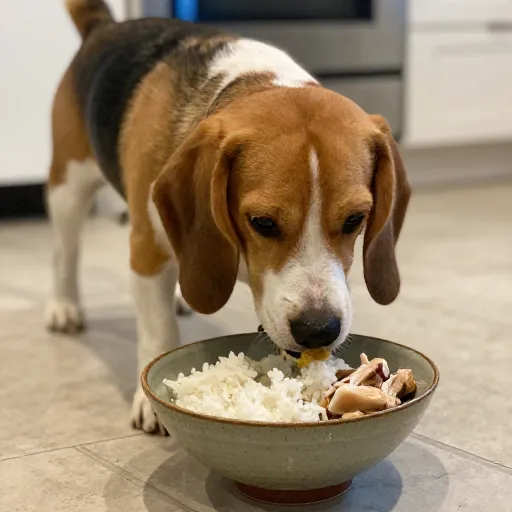
Plain boiled chicken (no skin, no bones) and white rice is my number one go-to. It’s easy to digest and gentle on an upset stomach. I cook the rice until it’s very soft.
Use a ratio of about two parts rice to one part chicken. Serve it cool, not hot. Feed small portions several times a day instead of one big bowl. This keeps the system working without overload.
You can also use boiled sweet potato or plain pumpkin instead of rice. Just avoid any seasonings, oils, or butter. Keep it boring—your dog’s stomach will thank you.
3. Add Plain Canned Pumpkin
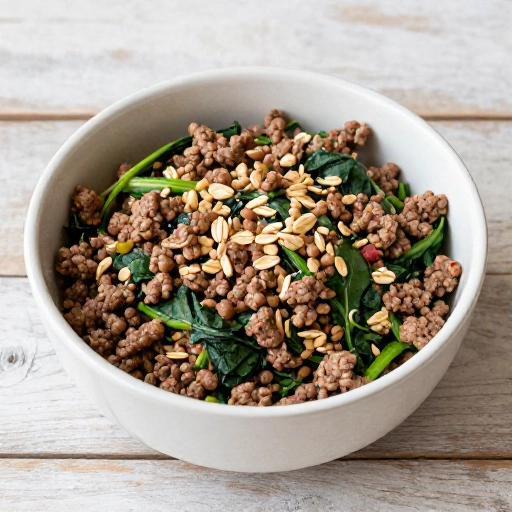
Pumpkin is a magic bullet for many digestive issues. It’s full of fiber that can help with both diarrhea and constipation. Make sure you buy 100% pure pumpkin, not pumpkin pie filling.
I keep a can in my pantry at all times. Start with one to two tablespoons for a medium dog, mixed into their food. It bulks up loose stools and soothes irritation.
It also adds moisture, which helps if your dog is dehydrated. A little goes a long way. Too much can cause gas, so start small and see how they respond.

4. Offer Bone Broth
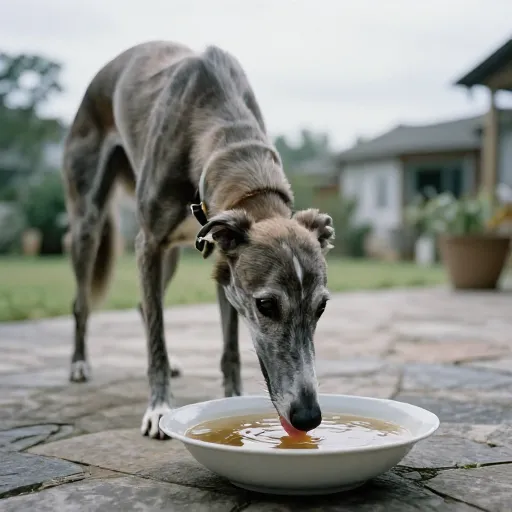
Warm bone broth is like a hug for your dog’s insides. It’s hydrating, full of collagen, and very gentle. I make my own by simmering beef or chicken bones with a splash of apple cider vinegar for hours.
Strain out all bones and any fat before serving. Serve it warm (not hot) as a treat or pour it over their bland meal. It encourages drinking, which is crucial when they feel sick.
Store-bought broth is fine, but check labels. No onions, no garlic, no added salt. Just pure broth. Your dog will lap it up happily.
5. Use Slippery Elm Bark
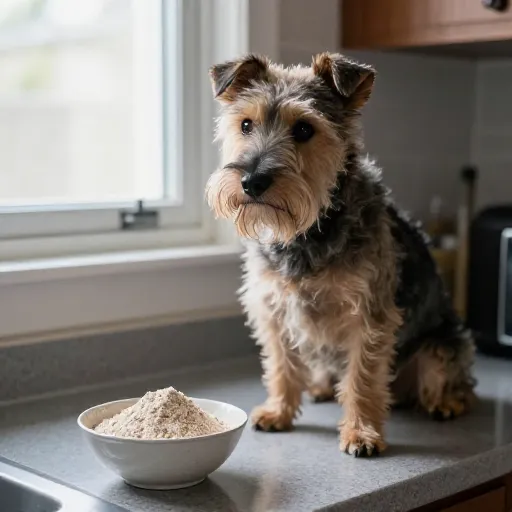
This herb is a natural soother for the entire digestive tract. It coats the lining with a gel-like substance that calms irritation. I use it in powder form, mixed with a little warm water.
Give it about 30 minutes before a meal, or between meals. The dose depends on your dog’s size, so start with half a teaspoon for small dogs and one teaspoon for larger ones.
It’s especially helpful for dogs that have been vomiting or have colitis. Always talk to your vet first, especially if your dog is on other medications.
6. Add Probiotics
A healthy gut needs good bacteria. When your dog has digestive trouble, that balance is often off. I add a canine-specific probiotic powder to their food daily, especially after antibiotics.
Plain yogurt (with live cultures) is a simple option, but many dogs are lactose intolerant. A probiotic supplement is safer and more reliable. Look for one with multiple strains.
Within a few days, you’ll often see firmer stools and less gas. It’s a long-term helper, but even a single dose can ease mild upset.
7. Keep Them Hydrated
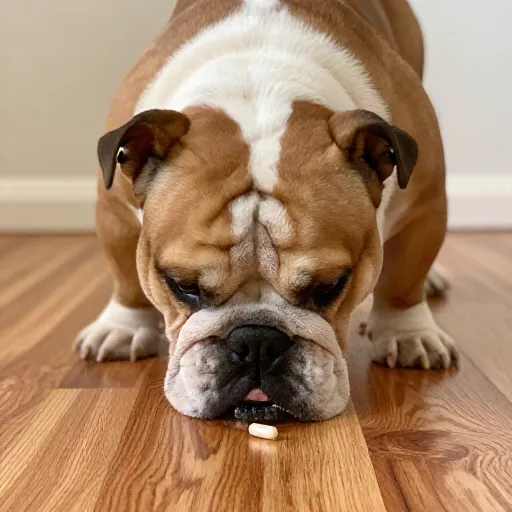
Diarrhea and vomiting quickly lead to dehydration. I always make sure my dog has fresh water nearby, and I add a little low-sodium chicken broth to entice them to drink.
You can also give ice cubes made from broth. Some dogs love chewing them, which gets fluids in without them noticing. Small sips are better than gulping.
Watch for signs like dry gums, sunken eyes, or loss of skin elasticity. If you’re worried, call your vet. Dehydration can turn a small problem into a big one fast.
8. Try Digestive Enzymes
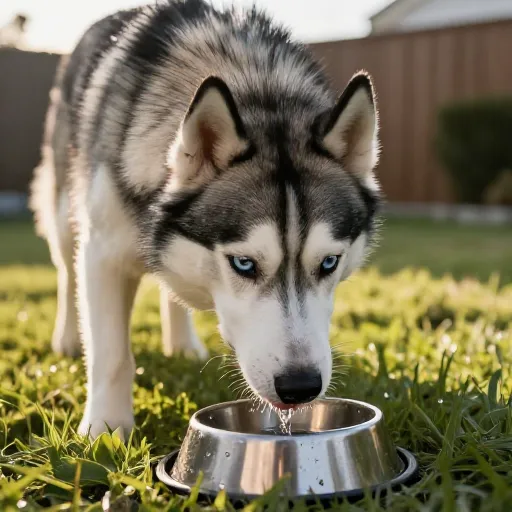
Sometimes the issue is that food isn’t being broken down properly. Digestive enzymes help the body process nutrients more easily. I sprinkle a powdered enzyme on my dog’s food when they have recurrent issues.
These are especially helpful for older dogs or those with pancreatic problems. They can reduce bloating, gas, and loose stools. Start with a small amount as directed on the package.
Pairing enzymes with probiotics often gives the best results. Together, they support both digestion and gut flora. A game changer for sensitive pups.

9. Switch to a Limited Ingredient Diet
If your dog gets upset stomachs often, their food might be the culprit. I’ve had success switching to a limited ingredient diet with a single protein and single carb source.
Look for foods with few ingredients, no fillers, and no artificial additives. Novel proteins like duck or venison can help if chicken is a trigger. The simpler the better.
Introduce the new food slowly over a week. Mix a little with the old food, then gradually increase. This gives the gut time to adjust without shock.
10. Use a Slow Feeder Bowl
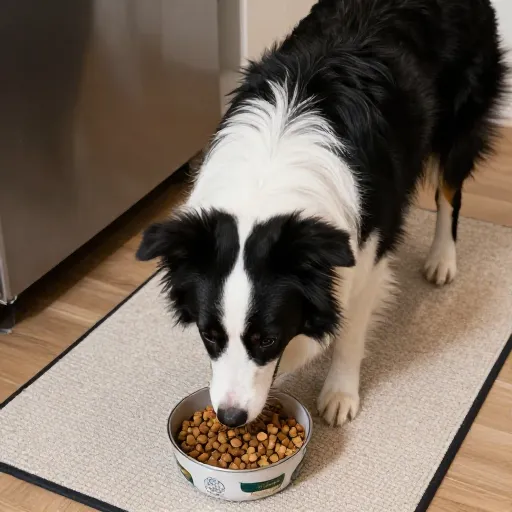
Some dogs eat so fast they swallow air, leading to bloating and discomfort. A slow feeder bowl with ridges forces them to work for their food. I switched to one and saw less gulping immediately.
It also helps with regurgitation. When dogs eat too quickly, food can come right back up. The bowl slows them down and makes mealtime more mental and less frantic.
You can also scatter food on a mat or use puzzle toys for the same effect. Any method that slows eating helps the digestive system keep up.
11. Offer a Little Ginger
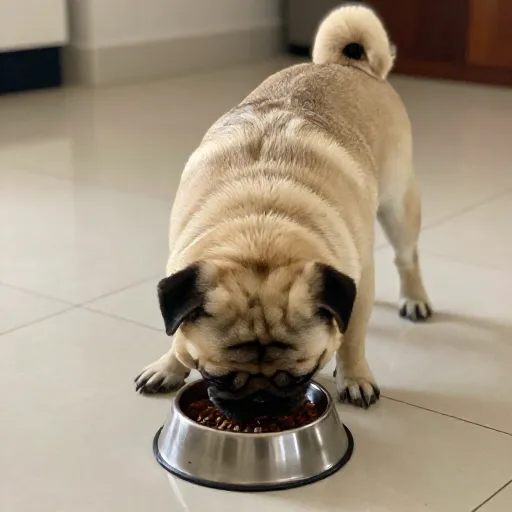
Ginger is a natural anti-nausea remedy. I grate a small amount of fresh ginger and mix it into my dog’s food, or brew a weak ginger tea and let it cool. A quarter teaspoon is plenty for a medium-sized dog.
It can help with motion sickness too, if your dog gets carsick. Just don’t overdo it—too much ginger can cause heartburn. Start with a tiny amount and see how they react.
Ginger is safe for most dogs, but check with your vet if your dog has any health conditions. A little warmth in the tummy goes a long way.

12. Monitor and Rest
Sometimes the best solution is simply rest. Just like us, dogs need downtime to heal. I keep my dog calm and quiet, with a cozy spot away from noise and activity.
Avoid long walks, play sessions, or stressful situations for 24-48 hours. Let their body focus on recovery. Gentle belly rubs are okay, but no roughhousing.
Keep an eye on their stool and behavior. If things don’t improve or get worse, it’s time for a vet visit. Rest is powerful, but it’s not a substitute for medical care.

Conclusion
Digestive issues in dogs can be scary, but many are manageable with simple, gentle solutions. Start with a fast and bland diet, add soothing ingredients like pumpkin or bone broth, and always prioritize hydration. Probiotics, enzymes, and slow feeding can prevent future episodes.
Trust your instincts. You know your dog best. When in doubt, a quick call to your vet gives you peace of mind. With a little patience and these twelve tips, your pup will be back to their happy, tail-wagging self soon.
Frequently Asked Questions
How long should I fast my dog?
For most adult dogs, a 12- to 24-hour fast is safe. Puppies, seniors, and dogs with health issues should not fast without vet guidance. Always offer water during the fast.
Can I give my dog over-the-counter human medicine?
No. Never give your dog human medications unless your vet specifically tells you to. Many are toxic to dogs, even in small amounts.
How much pumpkin should I give?
Start with one tablespoon for small dogs, two for medium, and three for large dogs per meal. Too much can cause gas, so increase slowly.
When should I call the vet?
Call your vet if vomiting or diarrhea lasts more than 24 hours, if there’s blood, if your dog is lethargic, or if they refuse water. Better safe than sorry.
Can stress cause digestive issues in dogs?
Yes, stress is a common trigger. Changes in routine, new environments, or loud noises can upset their stomach. Keeping a calm home helps prevent flare-ups.