13 Easy DIY Cat Playroom Transformations
When I first adopted my two rescue cats, I quickly realized our living room wasn’t cutting it for their energy levels. They were climbing curtains, knocking things off shelves, and staring at me like I was boring them to tears. That’s when I decided to transform a spare corner into their personal playground.
The best part? You don’t need a huge budget or fancy pet store equipment. Most of these transformations use items you probably already have lying around. Over a weekend, I turned our little space into a cat wonderland that keeps them entertained for hours.
Here are 13 simple ways you can create your own cat playroom without breaking the bank. Each idea is practical, budget-friendly, and designed to make your feline friends purr with joy.
1. Wall-Mounted Shelf Highway
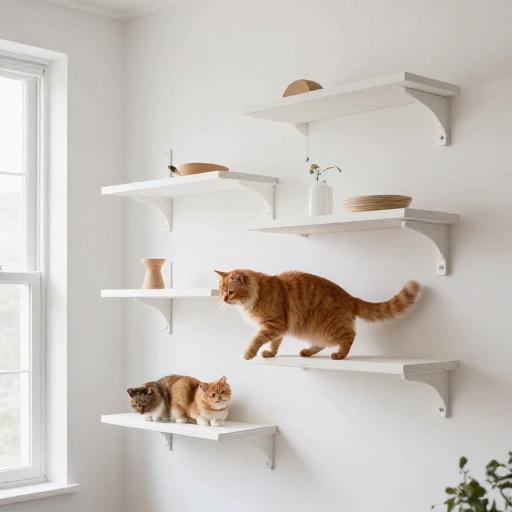
I started by installing floating shelves along one wall at different heights. My cats love hopping from one shelf to the next like little mountain climbers. Space them about 12 to 18 inches apart so they can jump comfortably.
Make sure to use heavy-duty anchors if you have chunky cats. I added a soft cushion on the top shelf so my oldest cat can nap up high. This uses zero floor space and gives them vertical territory.
2. Cardboard Castle Village
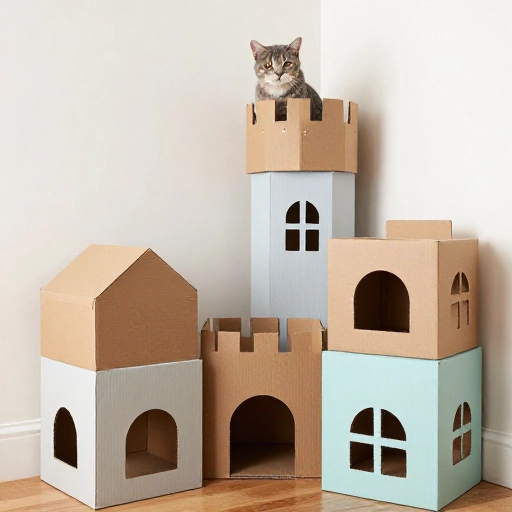
This was my cheapest transformation. I saved up shipping boxes and taped them together to create a multi-room castle. I cut out arched doorways and round windows so the cats can peek out.
My tip: use hot glue instead of tape because cats will chew tape. I also added crinkly paper inside one room for extra fun. They love hiding and pouncing on each other through the tunnels.
3. Window Perch with a View
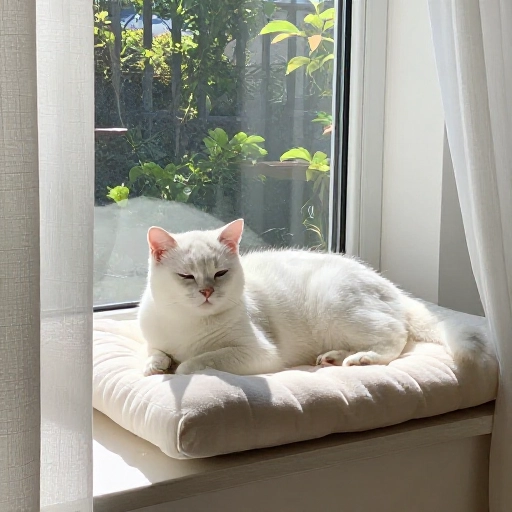
I installed a simple suction cup window bed in the playroom. My cats spend hours watching birds and squirrels outside. It’s basically cat TV for them.
Pick a window that gets morning sun. I added a small blanket so it feels cozy. Just check the suction cups every few weeks to make sure they’re still secure.
4. Under-the-Bed Hideout
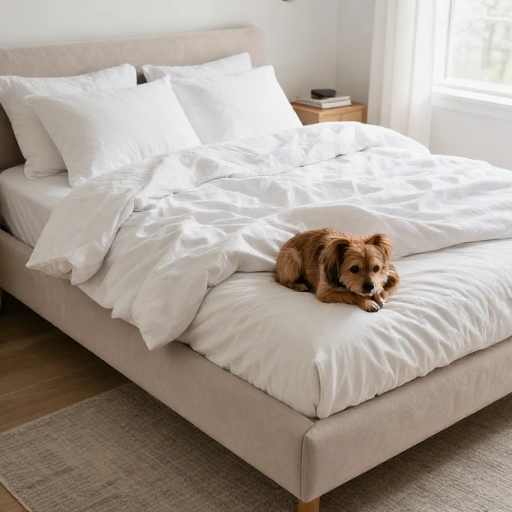
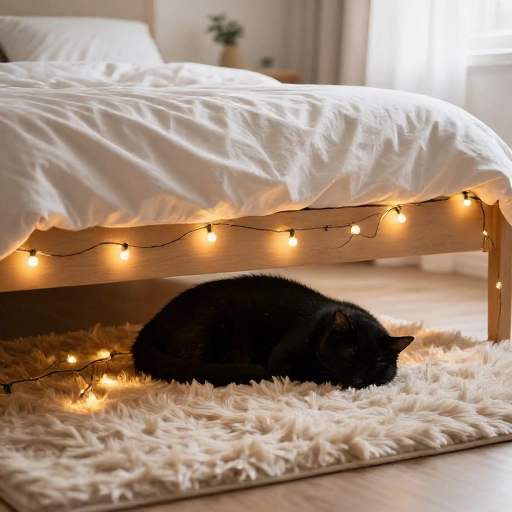
I repurposed an old bed frame by lifting it higher with bed risers. Then I hung a fabric curtain around the sides. Now the space underneath is a secret cave.
Inside, I placed a soft mat and a few toys. My shy cat retreats here when guests come over. It’s the perfect private spot that doesn’t take extra room.
5. DIY Cat Tunnel from a Rug
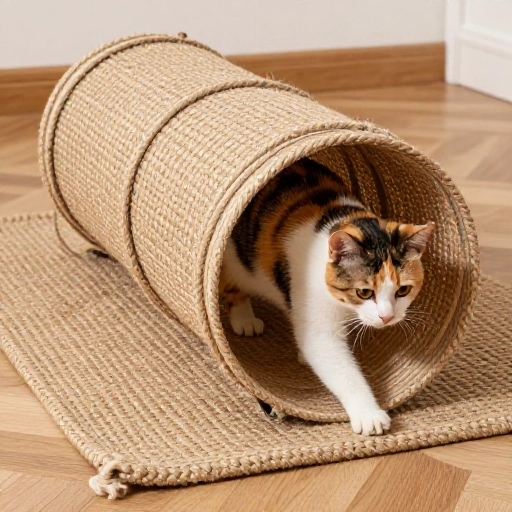
I took an old inexpensive braided rug and rolled it into a tube shape. Then I secured it with zip ties at both ends so it stays open. My cats love running through it like a race track.
You can also use a large cardboard tube from wrapping paper. Just make sure it’s wide enough for your cat to turn around. I toss a toy through it and watch them chase it.
6. Hanging Toy Station
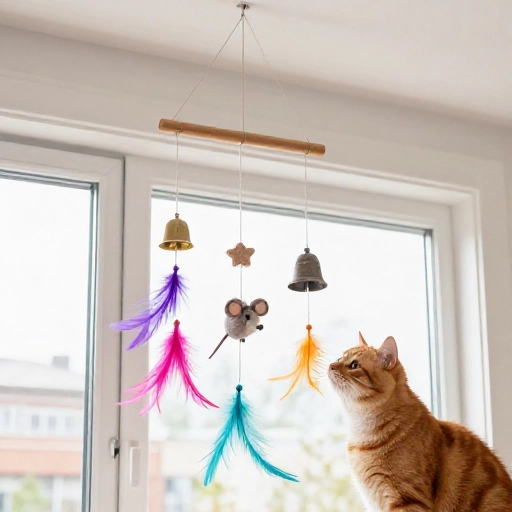
I attached a sturdy tension rod inside a doorway and hung different toys from it with strings. I used feathers, small bells, and crinkle balls. The cats can bat at them while standing on their hind legs.
Just make sure the toys are secure and not too long so they don’t get tangled. I rotate the toys every week to keep things interesting. It’s like a jungle gym for their hunting instincts.
7. Cat-Safe Plant Corner
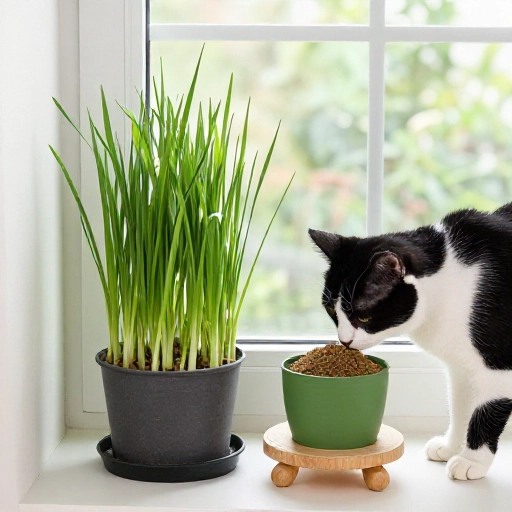
I dedicated one corner to cat-safe plants like catnip, cat grass, and spider plants. I placed them on low shelves so the cats can nibble and sniff. It adds a fresh, natural feel to the playroom.
Make sure you check each plant is non-toxic. I also added a small water fountain nearby because my cats love drinking running water. This corner feels like a mini indoor garden.
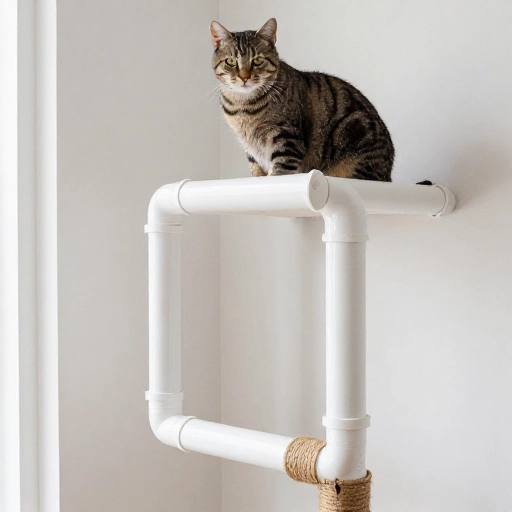
8. Simple PVC Pipe Climbing Structure
I built a small climbing frame using PVC pipes and connectors. I wrapped the pipes with sisal rope so the cats can scratch and climb. It’s lightweight and easy to move around.
You can make it as tall or short as you want. I added a small platform on top where my cat perches like a lion on a rock. Total cost was under fifteen dollars.
9. Blanket Fort for Cats
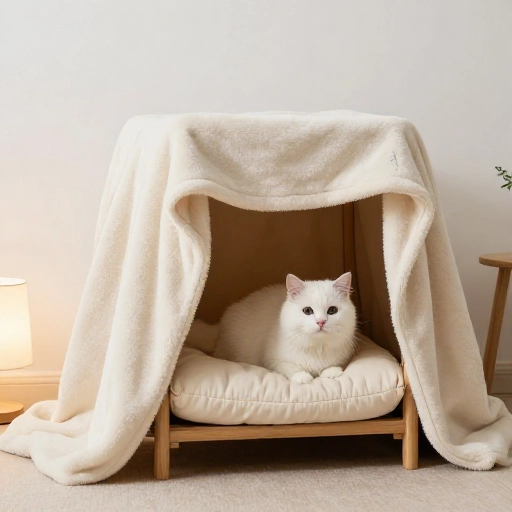
I draped a large blanket over two chairs to create a simple fort. Inside, I put a soft pillow and a few toys. My cats love the enclosed, den-like feeling.
Sometimes I sprinkle catnip inside to make it extra inviting. It takes two minutes to set up and the cats think it’s the best thing ever. Perfect for rainy days.
10. Interactive Puzzle Wall
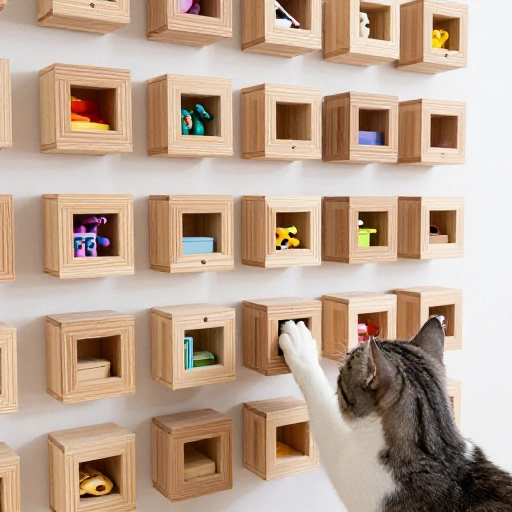
I mounted a pegboard on the wall and attached small baskets, cups, and hooks. Then I hid treats and toys inside the baskets. My cats have to figure out how to get them out.
You can change the setup whenever you want. I also added a few dangling toys from the hooks. It keeps their brains busy and prevents boredom.
11. Cozy Reading Nook for Cats
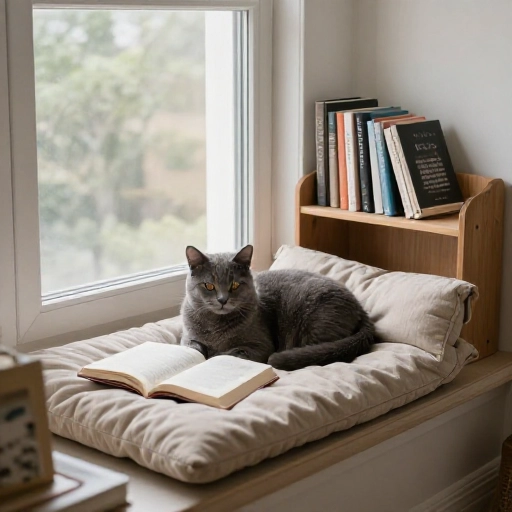
I placed a small, soft cat bed inside a low bookshelf. I removed a few books to create a cubby space. My cats curl up there while I read in the same room.
It’s a calm spot away from the active play areas. I added a small blanket that smells like me for comfort. They feel safe and included.
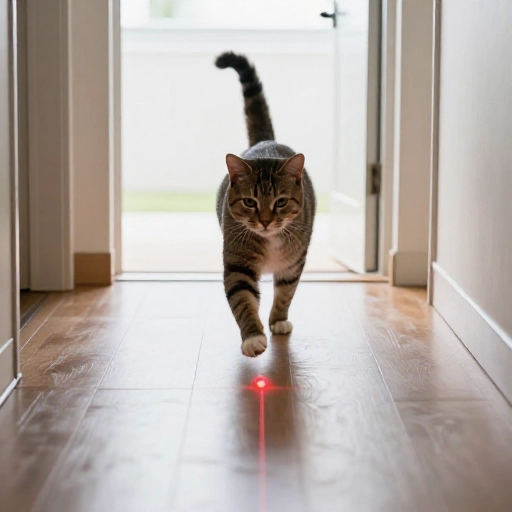
12. Laser Light Chase Zone
I cleared a section of the floor and set up a dedicated spot for laser pointer games. I made sure there are no obstacles they might bump into. We play for about ten minutes a day.
I always end the game by letting them “catch” a toy. This prevents frustration. It’s simple but it gets them running and jumping like crazy.
13. Scratching Post Station
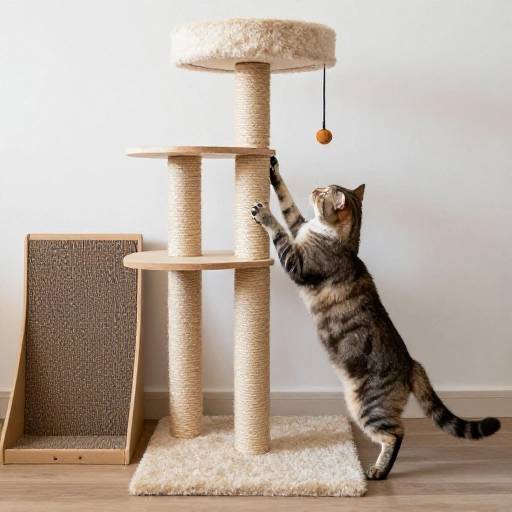
I gathered several cardboard scratching pads and placed them around the room. I also made a vertical post by wrapping a wooden board with sisal rope. Now they scratch only these, not my sofa.
I sprinkle catnip on them once a week to keep them interested. Place them near where your cat already likes to scratch. It redirects their natural behavior in a positive way.
Creating a cat playroom doesn’t have to be expensive or complicated. I started with just two ideas and added more over time. The key is watching what your cat enjoys and building from there. Your feline friend will thank you with purrs and playful antics.
Frequently Asked Questions
Q: How much space do I need for a cat playroom?
A: You can start with just a corner or even a closet. Even a small area works if you use vertical space with shelves and perches.
Q: Are these transformations safe for all cats?
A: Most are safe, but always supervise new setups. Remove any small parts that could be swallowed and check for sharp edges.
Q: How often should I change the playroom setup?
A: I rotate toys and rearrange shelves every few weeks. Cats get bored with the same layout, so small changes keep them curious.
Q: What if my cat ignores the new playroom?
A: Try adding catnip or treats to encourage exploration. Some cats take a few days to warm up to new things. Be patient.
Q: Can I use these ideas in a small apartment?
A: Absolutely. Many of these ideas, like window perches and under-bed hideouts, are perfect for small spaces. Focus on vertical and hidden areas.