14 Safe Fruits & Veggies for Dogs: A Vet-Approved Treat Guide Your Pup Will Love
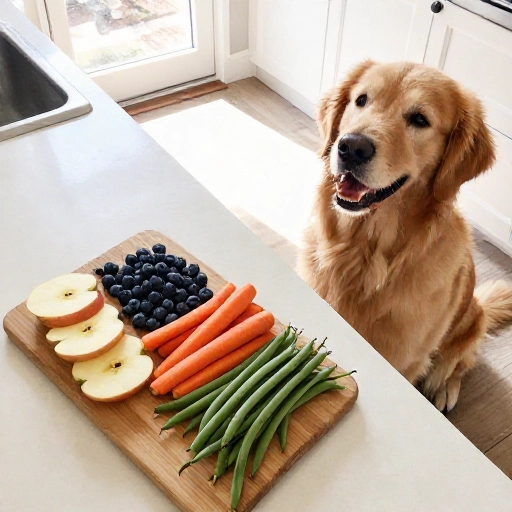
Let’s be honest—those big, hopeful puppy eyes staring at you while you chop carrots or slice apples are impossible to ignore. You want to share, but you’re also terrified of giving them something toxic. I’ve been there, frantically Googling at 6 PM while my beagle drools on my sock.
The good news? There’s a whole rainbow of crunchy, juicy, and downright delicious produce that’s not just safe for your furry best friend—it’s actually amazing for them. Think shinier coats, fresher breath, and a happy, healthy gut. This isn’t just a list; it’s your cheat sheet to becoming the best snack-dispenser on the block. Let’s dive into the 14 safest, most nutritious picks that’ll make your pup think you’re a culinary genius.
Why Make This? Health Benefits of Fresh Produce for Dogs
You might think dog food covers all the bases, and you’re mostly right. But adding fresh, whole foods is like adding a supercharger to their bowl. These aren’t just empty calories—they’re packed with phytonutrients that processed kibble loses during manufacturing.
Here’s the real magic: fiber from veggies keeps their digestion regular, which means less stinky gas and firmer poops. Antioxidants in berries and leafy greens fight inflammation, which is a game-changer for older pups with achy joints. Plus, the crunch factor acts like nature’s toothbrush, scraping away plaque and tartar buildup while they happily munch.
Honestly, the best part? Watching them do a happy dance for a piece of watermelon. It’s a bonding moment that’s good for both of you. I love that I’m giving them a treat that’s actually doing heavy lifting for their long-term health, not just filling a void.
Kitchen Equipment & Tools You’ll Need
Don’t worry, you don’t need a fancy dehydrator or a spiralizer for this. Most of these treats come together with stuff you already own. The goal is to get the pieces to a safe, bite-sized shape without creating a mountain of dishes.
Here’s what I keep within arm’s reach when I’m prepping a fruit and veggie snack session:
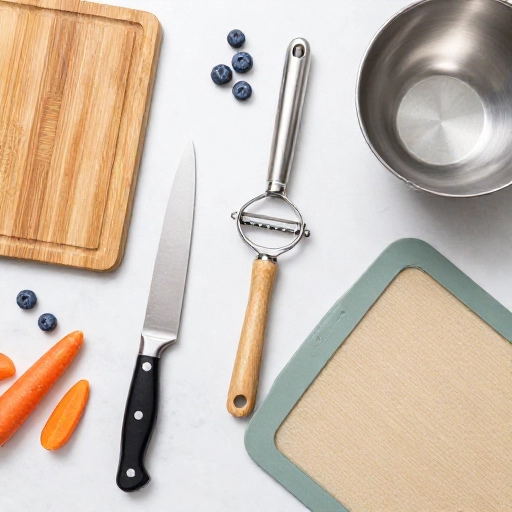
- A sharp chef’s knife: A dull knife is a dangerous knife. You need clean cuts to avoid crushing the cell walls of fruits like apples, which can make them mushy.
- A sturdy cutting board: Preferably one that’s easy to sanitize. I use a separate board for human food and dog food just to be extra safe.
- A melon baller or small teaspoon: This is non-negotiable for scooping out those slippery, choking-hazard seeds out of cantaloupe and honeydew.
- A vegetable peeler: Perfect for taking the tough skin off cucumbers or apples if your pup has a sensitive tummy.
- Steamer basket or microwave-safe bowl: Some veggies like green beans are easier to digest when slightly steamed.
That’s it. No fancy gadgets required. Just clean hands and a little bit of patience to get those pieces sized right for your specific dog.
Ingredients List: The 14 Safe Picks & How to Prep Them
Alright, here’s the star-studded lineup. These are the safest, most nutrient-dense options I rotate through weekly. Remember, “safe” always means *prepared correctly*—seeds out, skin off, and cut to size.
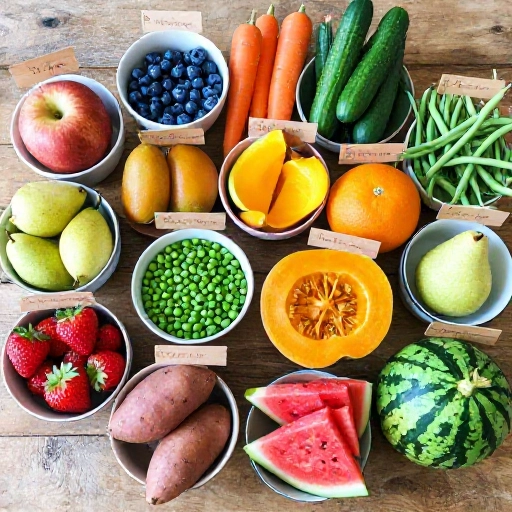
Here are the 14 safe fruits and veggies:
- Apples: Remove the core and seeds. Slice into wedges. Great source of vitamins A and C.
- Blueberries: Serve whole, but maybe mash them for tiny breeds. They’re antioxidant powerhouses.
- Carrots: Cut into sticks or thin coins. They’re nature’s toothbrush and full of beta-carotene.
- Green Beans: Steamed, raw, or canned (low-sodium). They’re a crunchy, low-calorie filler.
- Cucumber: Peel the skin if it’s waxy. They’re mostly water—perfect for hot days.
- Watermelon: Seedless ONLY. Remove the rind. It’s hydrating and packed with lycopene.
- Strawberries: Remove the green tops and slice. They contain an enzyme that helps whiten teeth.
- Sweet Potatoes: Always cook them! Never raw. They’re great for digestion and skin health.
- Pumpkin: Canned puree or cooked fresh. A spoonful settles upset stomachs instantly.
- Bananas: Peel and slice. High in potassium, but go easy—they’re sugary.
- Peas: Fresh or frozen (thawed). They’re full of vitamins B, A, and K.
- Celery: Chop into tiny pieces. It’s a great breath freshener and low in calories.
- Cantaloupe: Skip the rind and seeds. It’s a sweet, juicy treat loaded with beta-carotene.
- Broccoli: Steam it first. It’s high in fiber, but florets can be a gas risk if fed raw in large amounts.
Always wash everything thoroughly to remove pesticides and dirt. When in doubt, peel it. The skin is usually where the most residue sits.
How to Prep: Step-by-Step Preparation Guide
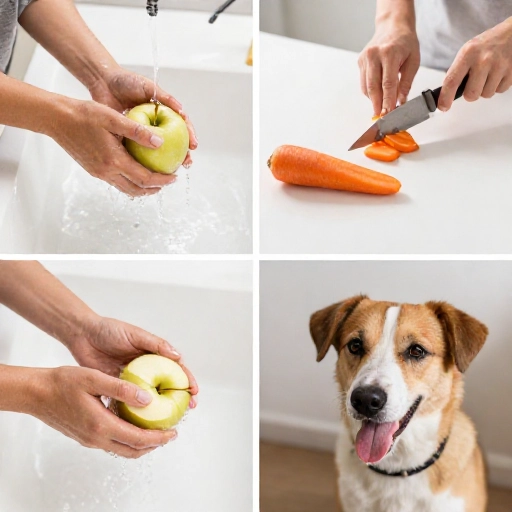
Preparation is where the safety happens. A whole carrot or a giant apple slice is a choking hazard, especially for medium and large breeds who like to inhale their food. Here’s my foolproof method to make these safe and tempting.
- Wash Everything: Rinse all produce under cold running water. If you’re using berries, give them a quick soak in water with a splash of vinegar, then rinse.
- Peel & De-Seed: If the skin is tough (like on cucumbers or apples), peel it. Always remove apple cores, watermelon seeds, and pits from peaches or cherries (though they aren’t on this list, it’s good practice).
- Steam the Hard Veggies: If your dog is older or has dental issues, steam green beans, broccoli, and carrots for 5 minutes. This softens the fiber while retaining all the nutrients.
- Cut to Size: For small dogs, dice everything into pea-sized pieces. For medium dogs, slice into thin rounds. For large dogs, you can do bigger chunks, but supervise them.
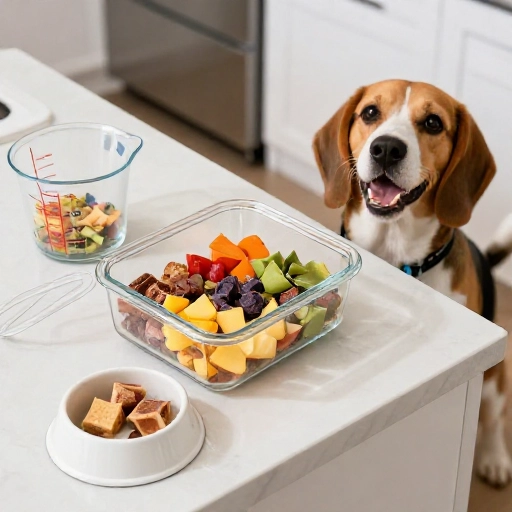
- Mix & Serve: Toss a few different items together for a “salad”! It’s more exciting than one single food. Sprinkle the mix over their kibble or serve as a standalone snack.
Pro tip: I like to freeze some pieces of banana or watermelon on a tray for a crunchy, icy summer treat. It soothes teething puppies and cools down hot dogs.
Feeding Guidelines, Serving Size & Storage Tips
Here’s the golden rule: treats—even healthy ones—should only make up about 10% of your dog’s daily calorie intake. The other 90% needs to come from their balanced diet. Overdoing it on fruit can cause diarrhea because of the natural sugars.
Serving Sizes by Weight:
- Toy breeds (under 10 lbs): 1-2 teaspoons of chopped produce.
- Small breeds (10-25 lbs): 1-2 tablespoons.
- Medium breeds (25-50 lbs): 2-3 tablespoons.
- Large breeds (50+ lbs): 1/4 to 1/2 cup.
Storage: Fresh cut fruits and veggies will last in an airtight container in the fridge for about 3 days. After that, they get mushy and lose their nutritional punch. I recommend prepping small batches every few days rather than a huge batch once a week.
You can freeze them for longer storage. I’ll make a big batch of sweet potato puree, spoon it into an ice cube tray, and pop out a cube whenever I need a quick treat. Just thaw it before serving to avoid cold shock to their stomach.
Final Verdict: Is This Worth the Hype?
Absolutely. 100%. Adding these 14 safe fruits and veggies to your dog’s diet is one of the easiest, most affordable ways to boost their health and happiness. The change in my own dog’s energy level and coat shine was noticeable within two weeks of introducing this rotation.
It’s not about replacing their food—it’s about enriching it. It turns snack time into a fun, interactive experience. They get variety, you get the joy of making them wag their tail off. It’s a win-win that requires minimal effort.
Just remember to introduce new foods one at a time, waiting 24 hours to see if there’s any allergic reaction. And when in doubt, always check with your vet, especially if your pup has a health condition like diabetes or kidney issues. Fresh is best, but safe is always the priority.
FAQ: Your Burning Questions About Fruits & Veggies for Dogs
Can my dog eat fruit every day?
Yes, but in moderation! A small handful of berries or a few apple slices daily is fine. Just remember the 10% rule. If you’re giving fruit daily, reduce their kibble slightly to account for the extra calories and sugar.
What is the number one most toxic vegetable for dogs?
Onions and garlic (and anything in the allium family) are the most toxic. They’re not on my safe list for a reason. They can damage red blood cells and cause anemia. Also, avoid raw potatoes, which contain solanine.
Are frozen vegetables safe for dogs?
Yes, as long as they don’t have added salt, butter, or sauces. I love using frozen peas and green beans. Just thaw them out first. Frozen corn is okay too, but make sure it’s off the cob to prevent choking.
My dog ate a grape, should I panic?
Yes, get to a vet immediately. Grapes and raisins are highly toxic to dogs and can cause sudden kidney failure. Even a single grape can be dangerous for a small dog. Do not wait for symptoms to appear; call your vet right away.
Is it better to give them raw or cooked vegetables?
It depends on the veggie. Some, like carrots and cucumbers, are great raw and crunchy. But cruciferous veggies like broccoli and cauliflower are easier to digest when steamed. Cooking also breaks down the cell walls in sweet potatoes, making their nutrients more bioavailable.