15 Cozy Dog Kennel Room Ideas for Indoor Comfort
When I first set up an indoor kennel for my dog, I treated it like a piece of furniture — shoved it in the corner and called it done. It took about one rainy week of pacing and whining for me to figure out the obvious: he didn’t hate the kennel. He hated how cold, bright, and bare it felt in there.
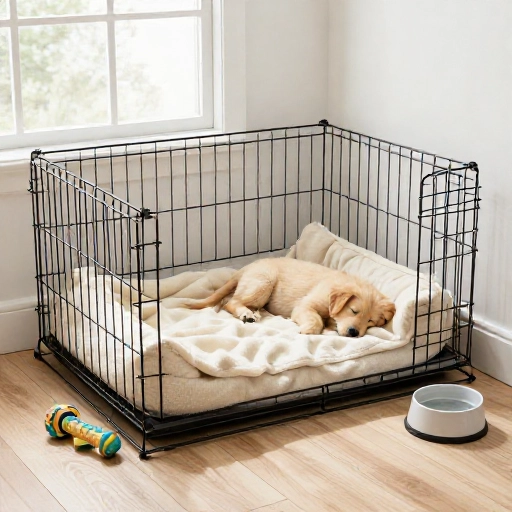
So I started thinking of it less like a cage and more like a tiny studio apartment. Soft floor. Warm light. A spot where he could watch the house go by without being in the middle of it. The change in him was almost instant.
Here are 15 ideas I’ve collected, tested, and stolen from other dog people over the years. None of them are expensive, and most take an afternoon.
1. Pick the Right Spot Before You Buy Anything
Location does more for comfort than any blanket or lamp. I learned this the hard way after parking a kennel right next to the front door — every delivery, every guest, every gust of wind set off a barking fit.
The sweet spot, for us, is a quiet corner that still has a view. Somewhere your dog can see the hallway or the kitchen without being in the traffic path. Think “reading nook,” not “mudroom.”
Also check what’s on the other side of the wall. My first choice backed up to the laundry room, and the spin cycle sounded like a thunderstorm to a nervous pup.
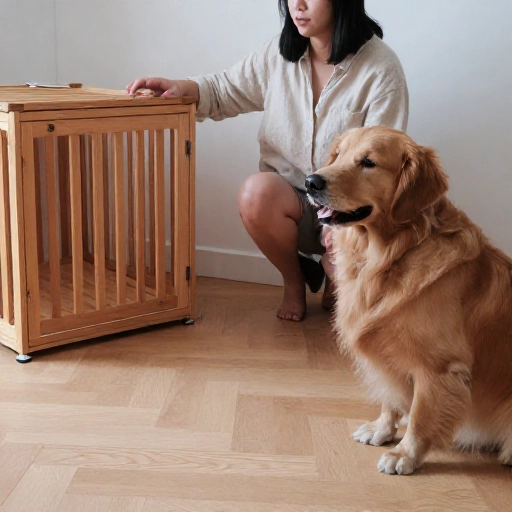
2. Build a Soft Base Layer Under Everything
Before the cute stuff, get the foundation right. I start with a waterproof liner, then a thick crate pad or memory foam mat, then a washable quilt on top.
Layering matters more than buying one fancy bed. When something gets dirty or chewed, you pull one layer and the whole setup still works.
If your dog is a senior or has joint issues, go thicker. A two-inch orthopedic pad beats three cheap blankets every time.
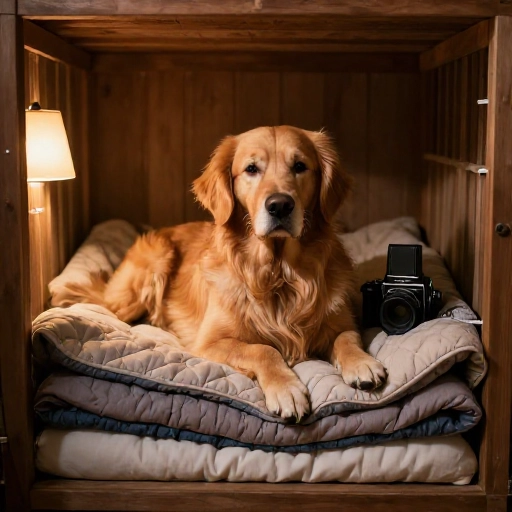
3. Line the Walls for Warmth and Quiet
Kennels that sit against an exterior wall can feel like a draft tunnel. I fixed this with a simple quilted bumper panel clipped to the inside — it cut the chill and softened the echo at the same time.
You don’t need anything custom. A folded fleece blanket draped over the outside of the back wall does the same job. Just make sure nothing is loose enough to get pulled in and chewed.
Bonus: the quieter it is in there, the less likely your dog is to bark at every little sound in the house.
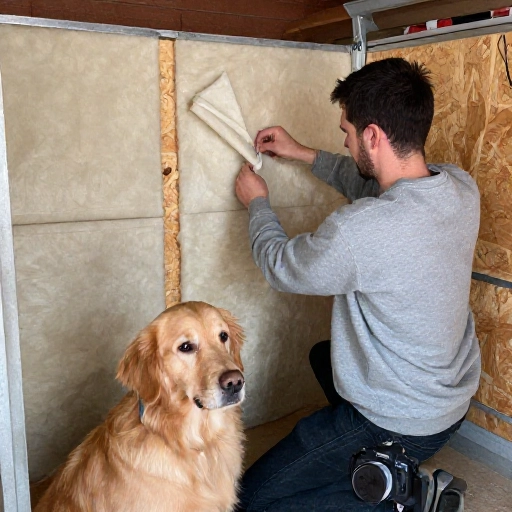
4. Create a Den Feel With a Half-Cover Top
Dogs are den animals. They relax when part of the world is blocked out and part of it is still visible.
Drape a breathable blanket over half the top of the kennel and leave the other half open. That small amount of cover makes a huge difference for anxious dogs.
Never cover the whole thing, though. Airflow matters, and a fully enclosed box gets stuffy fast.
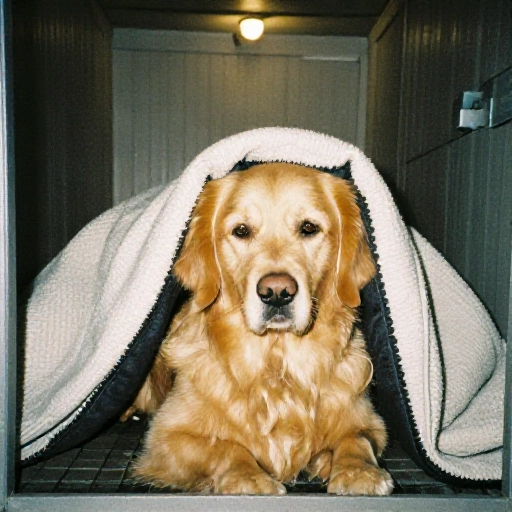
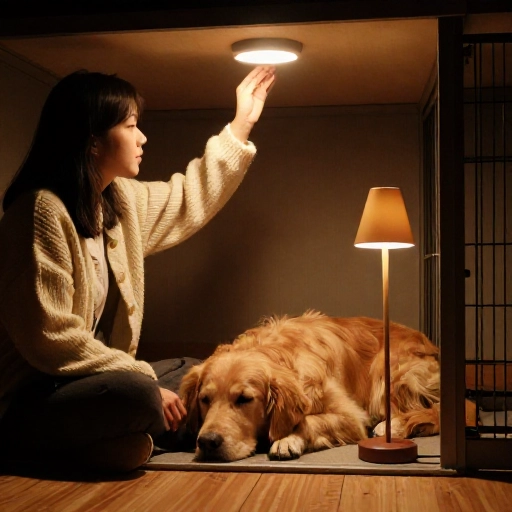
5. Swap Overhead Lights for Warm, Dim Light
This one took me way too long to try. Fluorescent ceiling light blasting down on a kennel is basically an interrogation room.
I plugged a small warm lamp into a timer instead, set to come on at dusk. Amber or soft white only — skip anything blue-toned, since it can mess with a dog’s rest.
A plug-in night light works great for bedtime. Just enough glow to see, not enough to keep anyone wired.
6. Put a Smaller Bed Inside the Bigger Space
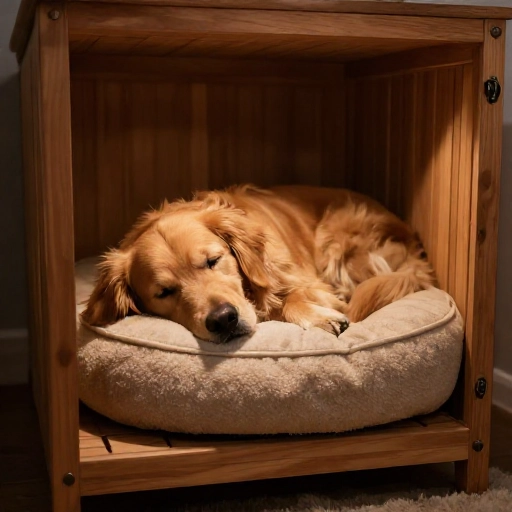
A cozy bed inside a cozy room is the whole trick. I use a donut-style bed for my nester and a flat bolster bed for my sprawler.
Watch how your dog sleeps. Curled tight in a ball? They want walls and a rim. Stretched out flat on their side? They want room to flop.
If the kennel is tight on space, a simple folded comforter pushed into one corner gives the same “nest” feeling without eating the whole floor.
7. Give Them a Peek-Out Spot
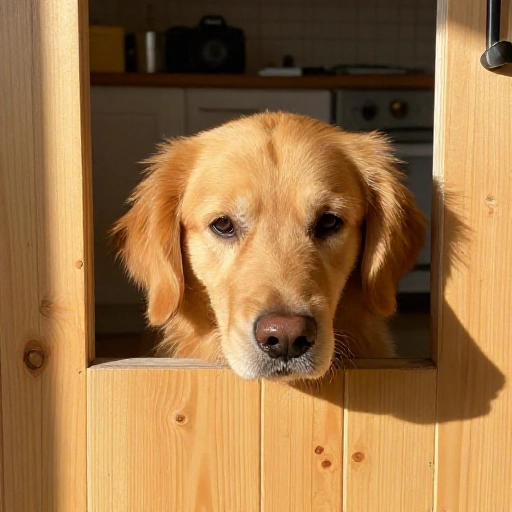
One of the easiest upgrades I’ve made: raising the kennel slightly on a low platform so my dog can see over the edge and watch the room.
If you’ve got a kennel room with a gate, angle it so they can see the hallway or the front door from inside. Dogs feel safer when they can monitor what’s coming.
Just don’t put them right in the middle of the action. Watching is calming. Being stepped over is not.
8. Get the Temperature Right Year-Round
Check where your vents point. A kennel directly under an AC register is a miserable place in July, and one next to a radiator is worse in January.
For older dogs, a low-wattage heated mat under a washable cover can be a game changer in winter. In summer, a cooling mat or a gel pad does the opposite job.
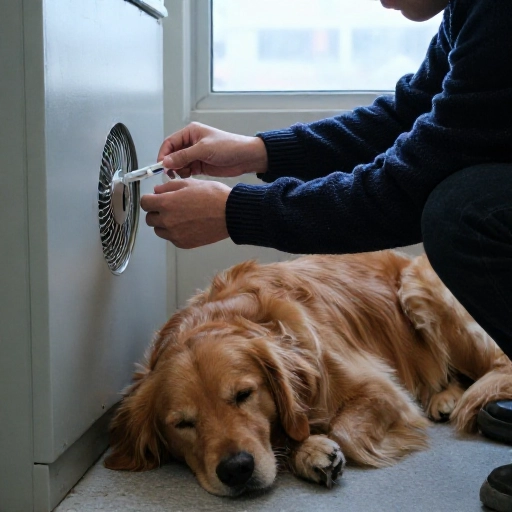
And keep air moving. A small circulating fan pointed near — not at — the kennel keeps it fresh without blasting them.
9. Add a Mat at the Entrance
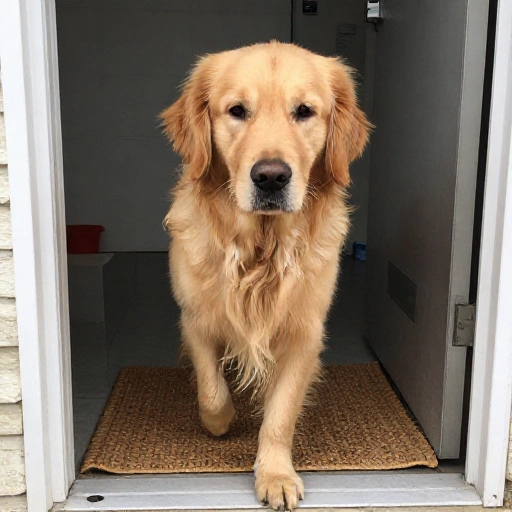
Such a small thing, but it changes the feel of the whole setup. A little rug in front of the kennel catches water, dirt, and stray kibble.
It also gives your dog a visual cue: this is where the cozy zone starts. I’ve noticed mine instinctively wipes his paws on it now, which I did not teach him.
Pick something machine washable and non-slip. Rubber-backed bath mats work surprisingly well.
10. Set Up a Toy and Treat Station
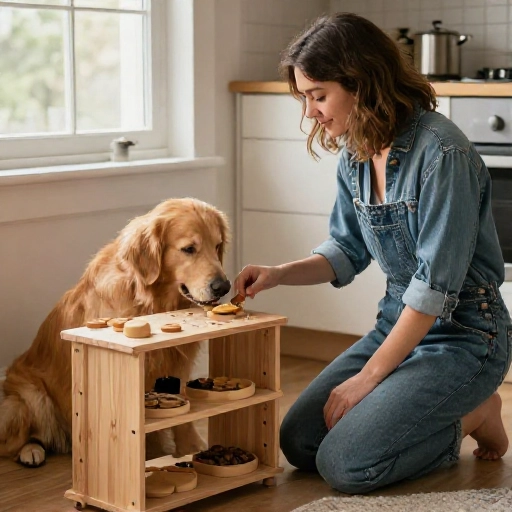
I keep a small basket right beside the kennel with three or four toys — not the whole collection. Rotating toys weekly keeps them exciting and keeps the room from looking like a pet store exploded.
Long-lasting chews and a couple of stuffed puzzle toys go in there too. Having them within reach means your dog has something to do besides stare at the door.
If you use food rewards, a small sealed container nearby saves you a trip to the kitchen every time.
11. Use Curtains or Sliding Panels for Privacy
A tension rod with two fabric panels turns an open kennel into something that feels intentional. At night I close them; during the day I tie them back.
This is also a lifesaver if your dog gets overstimulated by movement in the room. Just being able to close the curtains helps them settle.
Choose something washable and avoid long, dangling fringe. Fabric that touches the floor is fabric that gets chewed.
12. Bring in Texture With Baskets and Blanket Storage
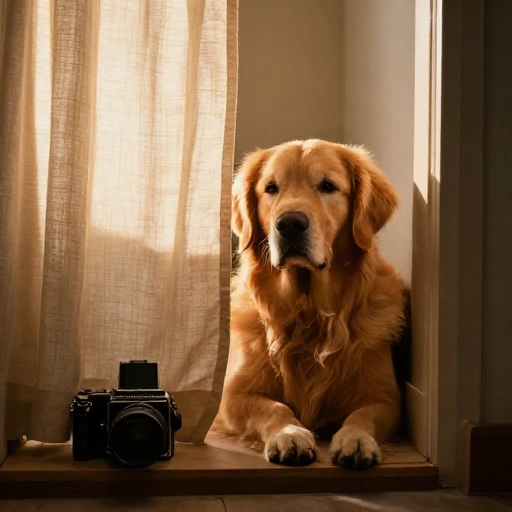
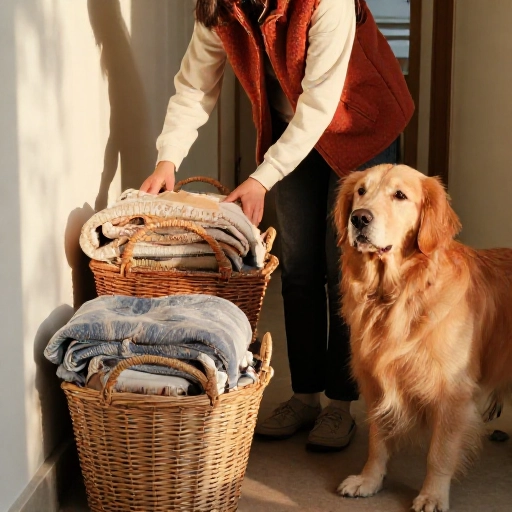
Half the reason my kennel corner looks nice now is that it has one tidy basket instead of blankets everywhere.
A woven basket or a lidded bin holds spare bedding, a towel, and a lint roller. It keeps the space calm-looking for you and easy to restock for your dog.
Wicker, canvas, or felt all add warmth. Just keep anything chewable out of reach.
13. Add Calming Sound
Total silence is not actually relaxing. Every creak and car door becomes a big deal.
A small fan, a white noise machine, or a low-volume radio on a talk station gives them something steady to tune out. I use a fan year-round, mostly for the hum.
Keep the volume low. This is background noise, not a concert.
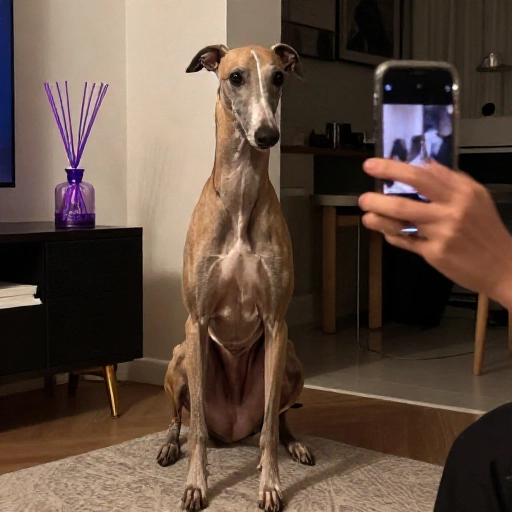
14. Make Cleanup Easy With the Right Flooring
Accidents happen, and so does muddy-paw season. The less stressful cleanup is, the more likely you’ll keep the whole setup going.
Interlocking foam mats are my favorite — cheap, warm, and easy to wipe. Washable rugs with non-slip backing are a close second.
Avoid anything that soaks up liquid and holds onto smell. If it can’t go in the washing machine, think twice.
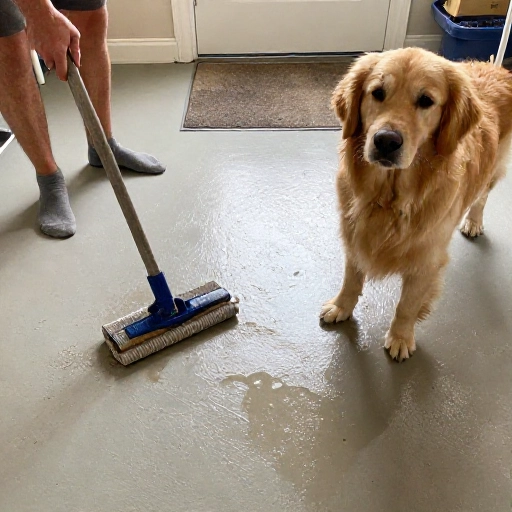
15. Personalize It With a Name Sign and a Photo
This is the finishing touch that makes the corner feel like it belongs to someone.
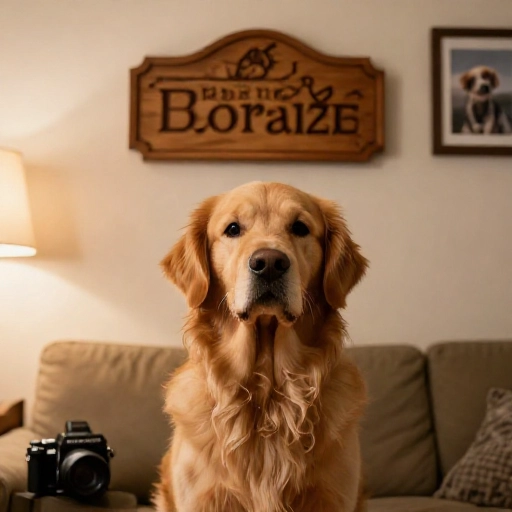
A little wooden name sign, a framed photo on the wall above, maybe a small painted letter. It’s silly and purely for us humans, and I love it anyway.
It also turns “the dog crate in the corner” into “Rufus’s room,” which honestly changed how I felt about having it in my living space.
Wrapping It Up
You don’t need all fifteen of these. Honestly, pick three or four and you’ll already notice a difference.
Start with the base layer, the lighting, and a little cover on top. Those three do the heavy lifting for comfort.
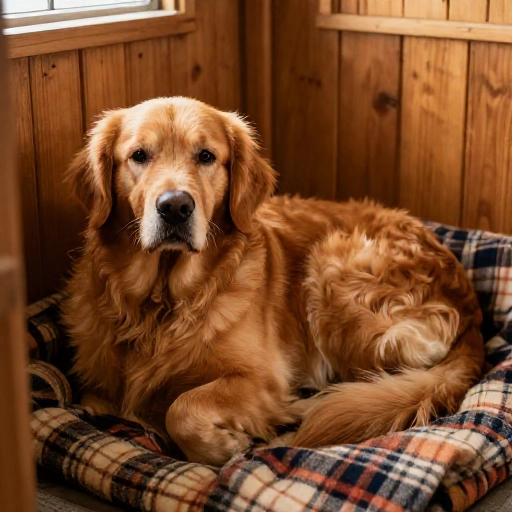
The goal isn’t a Pinterest-perfect corner. It’s a spot your dog walks into on their own, circles twice, and sighs. That sigh is the whole payoff.
Frequently Asked Questions
How big should an indoor kennel room be?
Big enough to stand up, turn around, and lie down stretched out. If you’re dedicating a whole corner or spare room, aim for at least four times their body length so there’s room for a bed, a water bowl, and a little walking space.
Can I still use a crate inside a kennel room?
Absolutely. A lot of people leave the crate door open inside the room so the dog can choose. The crate becomes the bed, and the room becomes the lounge.
My dog keeps chewing the bedding. What do I do?
Go boring first — flat, durable mats instead of plush beds — and add comfort slowly. Boredom and anxiety are usually the real culprits, so more exercise and a puzzle toy often fix what a new blanket won’t.
What temperature is too cold for a dog indoors?
Most dogs are comfortable in the same range we are, roughly 65–75°F. Below about 60°F, seniors, short-haired breeds, and small dogs start to struggle. Keep them away from direct vents and add a heated mat if needed.
How do I make this work for two dogs?
Give each dog their own defined space with a visual divider, even if they share the room. Separate beds, separate water, and a clear exit path for each. Two dogs who like each other still need the option to be alone.