15 Dog Wheelchair Designs for Back Legs That’ll Have Your Pup Zooming Again
Watching your best friend struggle to get up or losing the spring in their step is heartbreaking. I remember the exact moment I realized my senior Lab, Maggie, couldn’t quite hop onto the couch like she used to. My first thought was panic, but then I started researching, and let me tell you—the world of dog wheelchairs has completely changed. It’s not just about “medical equipment” anymore; it’s about giving them back their freedom to sniff, explore, and chase squirrels (even if they can’t catch them).
Whether your dog is dealing with arthritis, a spinal injury, degenerative myelopathy, or recovering from surgery, a rear-support wheelchair can be a total game-changer. They support the hips and back legs, letting your pup use their front legs to steer and pull, just like they’re pulling a little wagon. If you’re feeling overwhelmed by the options, don’t worry. I’ve scoured the market and consulted with fellow dog parents to bring you 15 of the most clever, practical, and life-changing designs out there.
1. The Classic Rear Support Saddle
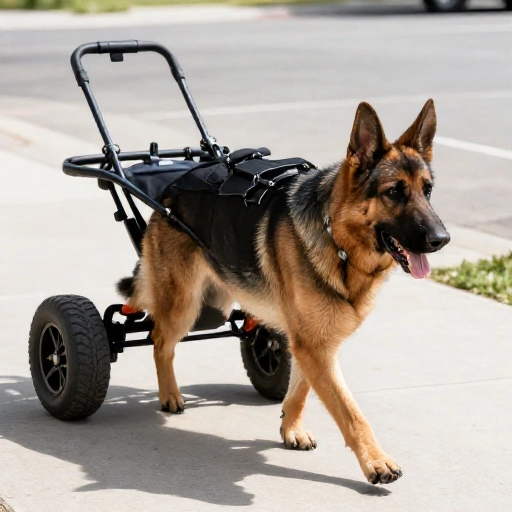
This is the gold standard for most dogs with hind-leg weakness. It features a simple, padded saddle that goes under the belly and supports the rear end, with two wheels on either side. It’s perfect for dogs who still have some leg movement but need help balancing and taking the weight off their hips.
These are typically made of lightweight aluminum, so they’re easy for you to lift and for your dog to carry. The beauty of this design is its adjustability—you can usually tweak the height and width to get the perfect fit as your dog’s needs change. It’s the best starting point for most families.
Look for models with a padded, breathable saddle to prevent chafing on long walks. I always recommend getting one with quick-release wheels for easy storage in the car.
2. The Full Support Quad Cart
If your dog has weakness in all four legs, or if they’re in the later stages of a degenerative disease, a quad cart is the way to go. This design supports both the front and back, effectively turning your dog’s body into a “hammock” on wheels. It’s incredible for keeping their spine aligned and reducing pain.
These carts are often a bit more bulky, but they offer unmatched stability. They’re fantastic for dogs who tire easily, as they can rest their entire body weight while still moving their legs. It also gives them a sense of security, which can do wonders for their mental state.
Make sure to measure your dog very carefully for these, as the front and back heights need to be tuned perfectly to encourage them to walk naturally.
3. The Lightweight Neoprene Lift
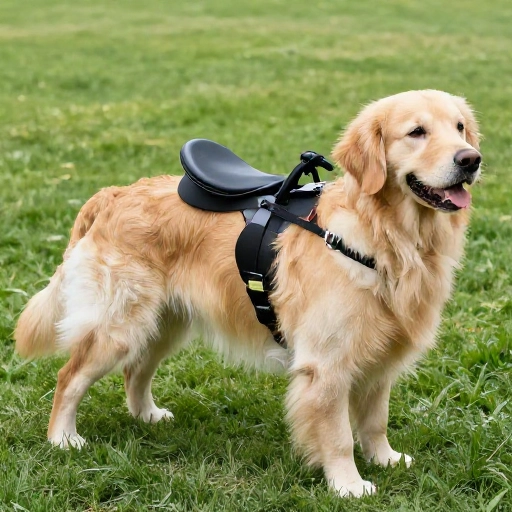
For dogs who just need a little “bum lift” rather than a full cart, this design is a lifesaver. It’s essentially a wide, supportive sling made of neoprene that goes under the belly and has handles for you to hold onto. It’s not a true “wheelchair,” but it’s the perfect stepping stone for post-surgery recovery or for senior dogs who just need help on stairs.
I love this for indoor use because it’s so much less intimidating than a big metal frame. Your dog can walk almost normally, with you providing just a gentle lift to their hindquarters. It’s also great for helping them go potty without squatting too low.
This is a budget-friendly option that every dog parent should have on hand, even if they also have a full cart. It’s indispensable for vet visits and quick trips outside.
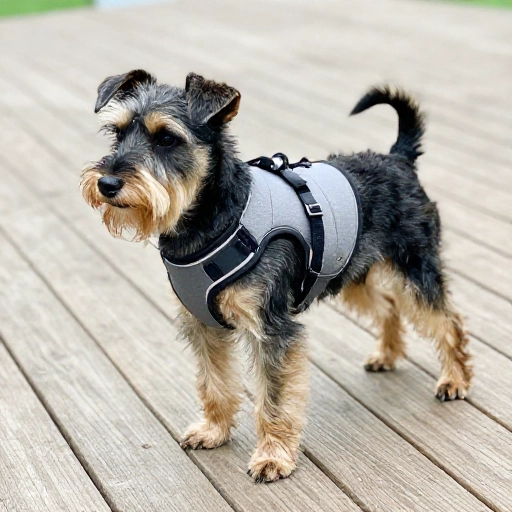
4. The Adjustable “Walkin’ Wheels” Style
This is one of the most popular brands on the market for a reason. Their design is modular, meaning you can usually convert it from a rear support to a full support as your dog’s condition progresses. The frame is incredibly sturdy yet folds flat for travel. It’s an investment, but it’s often the only one you’ll need to make.
The wheels on these are usually larger, which makes them great for navigating grass and uneven sidewalks without getting stuck. The tool-free adjustability is a huge plus for me, as I’m not exactly a handyman. You can adjust the height in seconds with just a push of a button.
If you’re looking for a “set it and forget it” type of reliability, this design is your best bet. It’s the one I see most often at the dog park, and the dogs always look so happy in them.
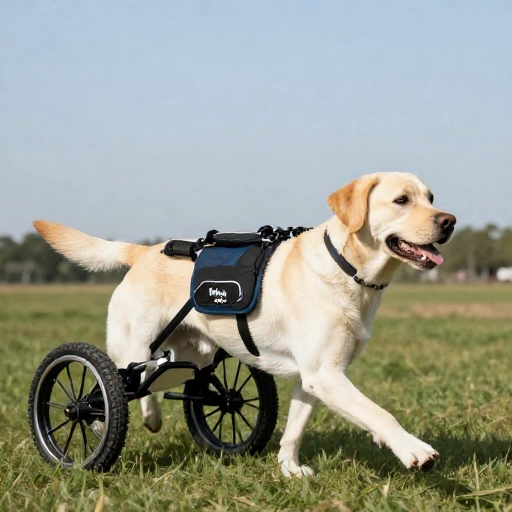
5. The Minimalist “Hip Ease” Brace
Sometimes, a full wheelchair is overkill. If your dog just has mild arthritis or is wobbling slightly, a neoprene brace with a rigid support system might be enough. This design wraps around the hips and has a handle on top, giving you a secure grip point to help them navigate tricky spots.
It’s not a cart, but it provides proprioception—meaning it helps your dog know where their back legs are in space. This can dramatically improve their coordination and prevent falls. It’s also incredibly lightweight, so your dog will forget they’re wearing it.
This is a perfect choice for small to medium dogs who are still active but just need a little confidence boost on their back end.
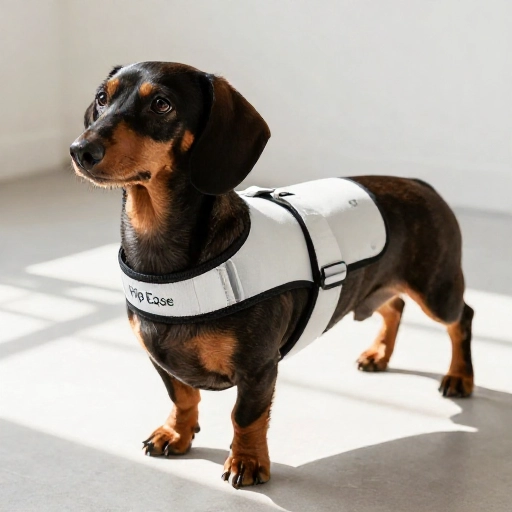
6. The Inflatable Support Float
Hydrotherapy is amazing for dogs with mobility issues, but getting them in and out of the pool can be tricky. This clever design is a flotation device that supports the back legs while allowing them to “walk” in the water. It’s a brilliant way to build muscle without putting stress on the joints.
These are usually made of durable, chew-resistant vinyl with an adjustable harness. They allow your dog to move their legs freely, which is fantastic for rehabilitation. It’s also just plain fun for them to splash around again!
If you have access to a pool or a lake, this is a must-have for keeping your pup’s muscles strong while they recover.

7. The Folding Travel Cart
One of the biggest complaints about dog wheelchairs is that they’re hard to transport. This design solves that problem with a collapsible frame that folds down to the size of a small suitcase. It’s perfect for people who love to travel with their dogs or just need to fit the cart in a small car trunk.
Despite being foldable, these are surprisingly robust. They usually use a locking mechanism on the frame that clicks into place, ensuring there’s no wobble during use. They often sacrifice a tiny bit of adjustability for the convenience of the fold, so be sure to measure twice.
For the weekend warriors who refuse to leave their dog behind, this is the ultimate design.
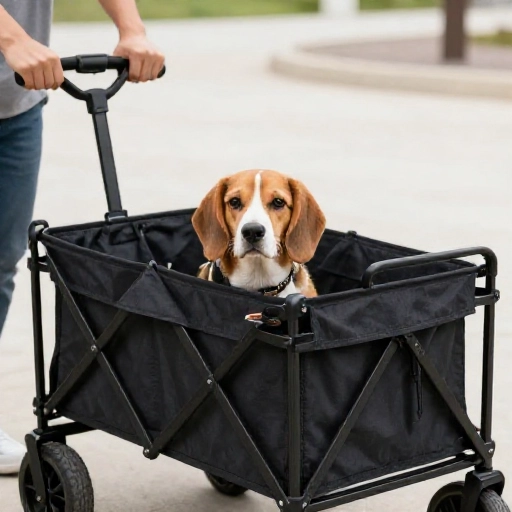
8. The Rear-Only “Scooter” Board
This is a bit of a niche design, but it’s genius for small dogs. Instead of wheels, it uses a low-profile board with casters that sits right under the dog’s bottom. The dog’s rear legs rest on the board, and they use their front legs to pull. It’s like a little skateboard for their bum.
It’s incredibly lightweight and doesn’t have the bulk of a traditional frame. This makes it easier for very small dogs to maneuver indoors without knocking into furniture. It’s also super easy to clean—just wipe it down.
If you have a Chihuahua or a Yorkie with back issues, this design is often less intimidating than a full cart.
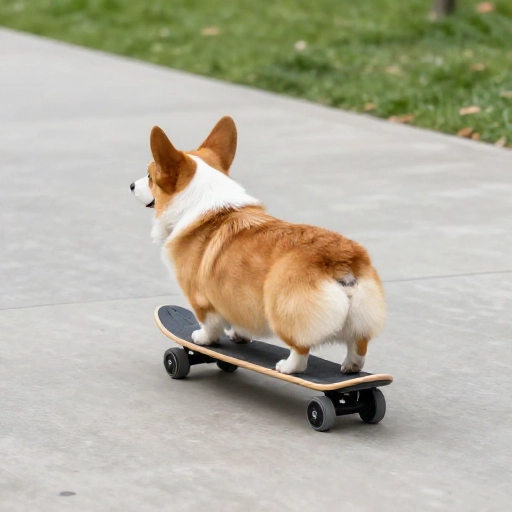
9. The Front-Entry Support Cart
This is a specific type of rear support cart, but the key difference is how you get the dog in. Instead of stepping over the frame, the dog walks straight into it through a front opening. This is a lifesaver for dogs who are anxious or who have trouble lifting their legs high.
The front bar can be removed, allowing the dog to step in, and then secured behind them. This reduces the stress of getting them in and out of the chair multiple times a day. It’s a small detail that makes a huge difference in daily life.
If your dog gets nervous with equipment, look specifically for this “walk-in” style design.
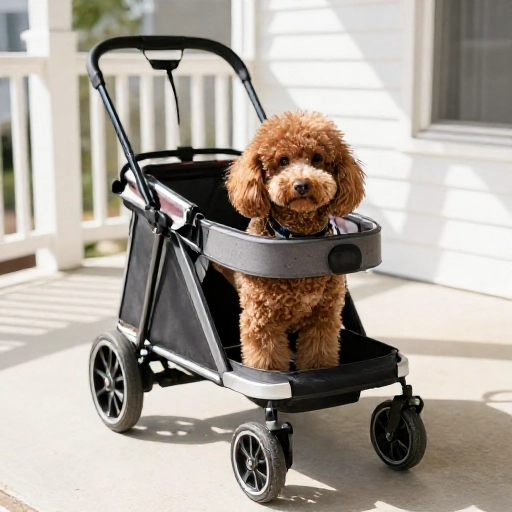
10. The Off-Road All-Terrain Cart
If your dog loves the great outdoors but struggles on uneven ground, this is the design for you. These carts feature larger, wider wheels with deep treads, similar to bicycle tires. They’re designed to roll over roots, rocks, and thick grass without catching or tipping.
The frames are usually reinforced, making them slightly heavier, but the stability they offer is unmatched. They often have a higher ground clearance, which is great for taller breeds. It’s like upgrading your dog from a sedan to an SUV.
Don’t let mobility issues keep you from your favorite hiking trails—this cart will get you there.
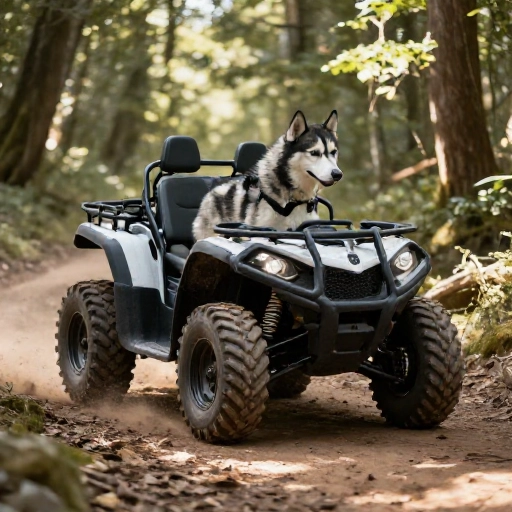
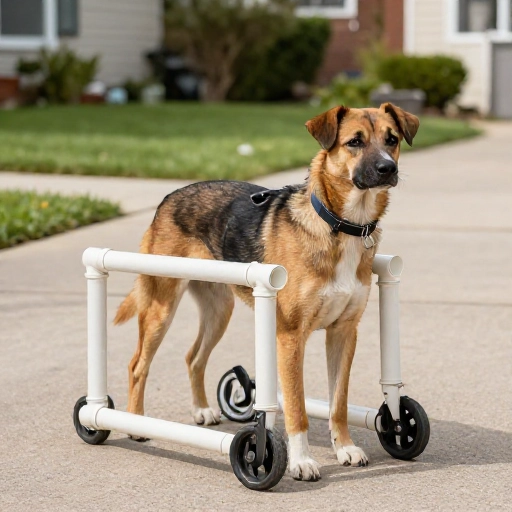
11. The DIY PVC Pipe Frame
For the crafty and budget-conscious, there are tons of plans online for building a simple rear support cart out of PVC pipe. You can customize it to fit your dog’s exact measurements and paint it their favorite color. It’s a fun weekend project that can save you hundreds of dollars.
You’ll need some basic parts—PVC pipes, connectors, wheels, and a harness or sling. The best part is that if a piece breaks, you can just run to the hardware store and replace it for a couple of bucks. It’s incredibly easy to repair.
Just make sure to sand down any sharp edges and use a strong adhesive to keep the joints secure. This is a great temporary solution or a permanent one if you’re handy.
12. The Bicycle Wheel Conversion Kit
This is a clever hack that some manufacturers have started offering. Instead of small, plastic wheels, they use actual bicycle wheels with pneumatic tires. This provides a much smoother ride, absorbing shocks and bumps that would otherwise jar your dog’s spine.
The larger wheels also roll more efficiently, meaning your dog doesn’t have to work as hard to move forward. This is especially beneficial for larger breeds who need more momentum. It’s a premium upgrade that makes a noticeable difference in comfort.
If you have the budget, this is the “luxury car” option for your pup.
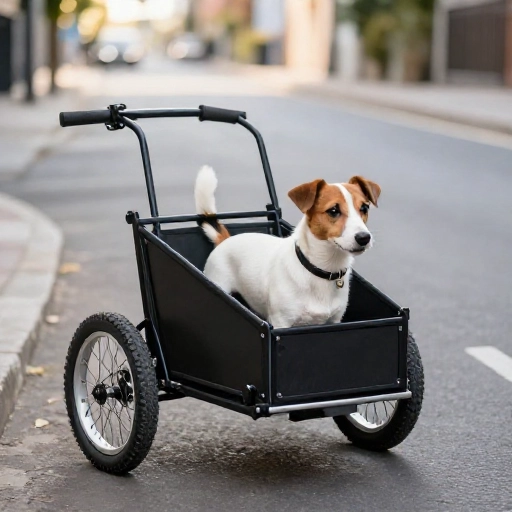
13. The Custom 3D-Printed Saddle
Some smaller companies are now using 3D printing to create custom-fit saddles for the rear support. This involves scanning your dog’s body to create a saddle that perfectly contours to their shape. This eliminates any pressure points and maximizes comfort.
These are usually combined with a standard aluminum frame, but the saddle is where the magic happens. It’s incredibly lightweight and breathable. It’s a bit of a premium service, but for dogs with sensitive skin or odd body shapes, it’s a lifesaver.
It’s an investment in ultimate comfort that shows how far pet tech has come.
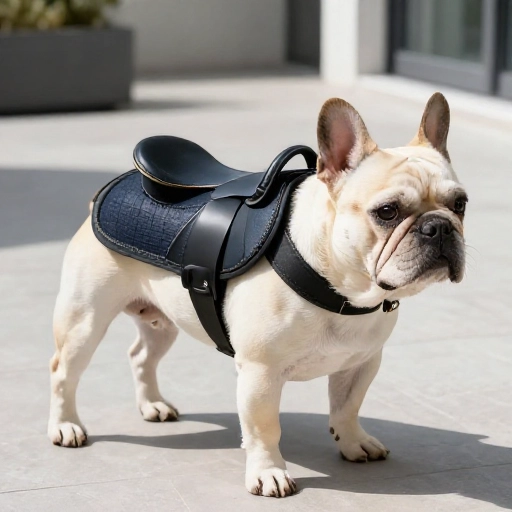
14. The “Stair Climber” Assist Sling
While not a wheelchair, this design is crucial for dogs who live in multi-story homes. It’s a specialized harness with handles near the shoulders and hips, allowing you to actively help your dog up and down stairs. It gives you a secure grip to take the weight off their back end without pulling on their spine.
It’s different from a simple sling because it has multiple points of adjustment to distribute the weight evenly. You can use it to “walk” them up the stairs, taking most of the load yourself. This prevents injuries to your dog and saves your own back from bending over.
This is an essential companion to any wheelchair you choose.
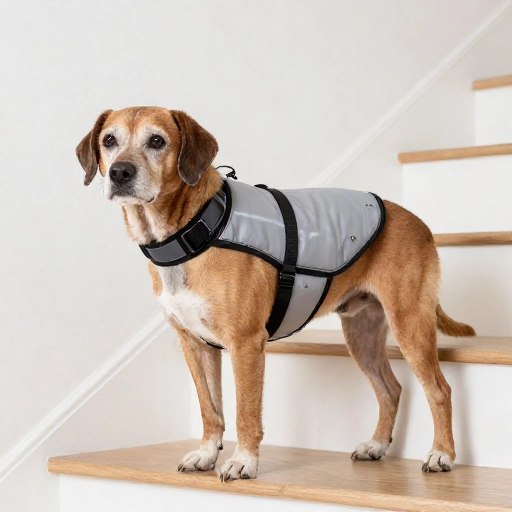
15. The Smart Cart with Sensors
In the world of high-tech pet care, there are now prototype carts with sensors that monitor your dog’s gait and weight distribution. These send data to an app on your phone, allowing you and your vet to track their progress during physical therapy. It’s like having a physical therapist on call 24/7.
While these are still emerging and pricey, they represent the future of mobility aids. They can alert you if your dog is favoring one leg or if their posture is off, allowing you to adjust the cart settings proactively. It’s all about data-driven recovery.
For the tech-savvy dog parent who wants the absolute best, this is the cutting edge.
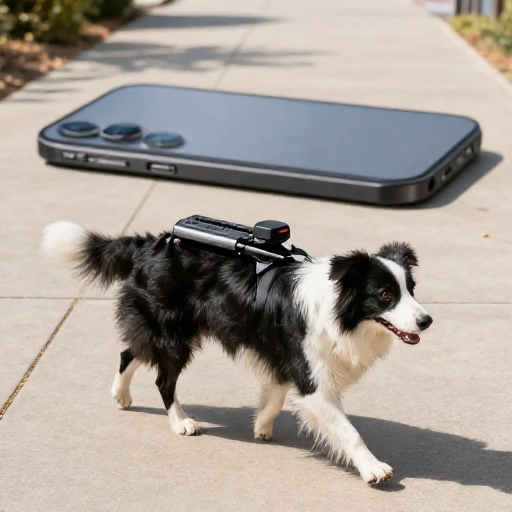
Finding the Right Wheels for Your Best Friend
Choosing a wheelchair is a big decision, but it’s also a hopeful one. It’s a commitment to giving your dog a good quality of life, no matter what challenges they face. Start by measuring your dog carefully—you’ll need their weight, height, and length. Most companies have detailed guides to help you.
Don’t be afraid to start with a cheaper or rental option to see if your dog takes to it. Some dogs are hesitant at first, but with treats and patience, they usually figure it out quickly. The look of pure joy on their face when they realize they can run again is worth every penny.
Remember, this isn’t about giving up on them walking; it’s about giving them the chance to keep moving. It’s about more sniffing, more walks, and more time spent being your loyal companion.
Frequently Asked Questions
Q: How do I measure my dog for a wheelchair?
A: You’ll typically need three measurements: the height from the floor to the base of their tail (where the saddle will rest), the length from their chest to the base of their tail, and their weight. Most manufacturers have specific guides on their websites to help you get these right.
Q: Will my dog be able to go to the bathroom while in the chair?
A: Yes! The design of most rear-support carts leaves the genital area completely exposed. You’ll need to help them position over a patch of grass, but they will be able to pee and poop normally without getting the harness dirty.
Q: How long does it take for a dog to get used to a wheelchair?
A: It varies, but most dogs adjust within a few days. Start with short sessions (5-10 minutes) indoors and use high-value treats to create a positive association. Some dogs take to it immediately, while others need a little more patience and encouragement.
Q: Can my dog sleep in their wheelchair?
A: No, absolutely not. The wheelchair is for activity and exercise only. It’s important to give your dog plenty of rest time without the cart to prevent pressure sores and allow their skin to breathe.
Q: Are dog wheelchairs covered by pet insurance?
A: It depends on your policy and the underlying reason for needing the wheelchair. Some comprehensive insurance plans may cover a portion of the cost if it’s deemed medically necessary by your vet. It’s always worth submitting a claim to see if you get anything back.