15 Smart Dog Training Tricks That Actually Work (No Treats Required)
Let’s be real—training a dog can feel like you’re trying to teach a furry tornado to sit still. I’ve been there, standing in the kitchen with a handful of treats, wondering why my pup looked at me like I was speaking Martian. But here’s the thing: training doesn’t have to be a battle. After years of trial and error (and a few chewed-up shoes), I’ve discovered the tricks that truly stick.
These aren’t your average “sit” and “stay” commands. I’m talking about clever, low-stress techniques that work with your dog’s natural instincts. Whether you’ve got a stubborn senior or a hyper puppy, these 15 methods will make training feel like playtime. Let’s dive in.
1. The Magic of “Look at Me”
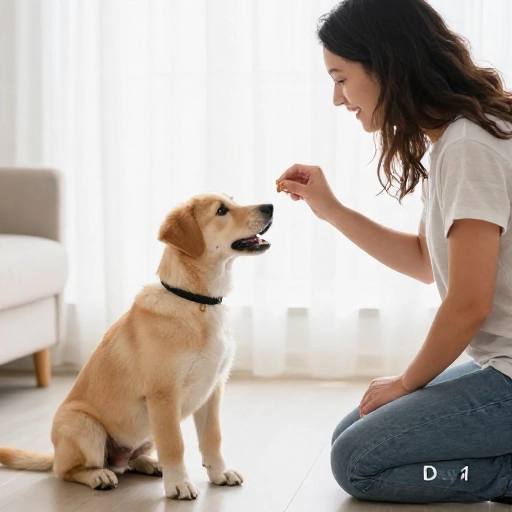
Start with eye contact. This is the foundation for everything. Hold a treat near your face, say “look,” and the moment your dog’s eyes meet yours, mark it with a “yes” and reward. Do this in short bursts—10 seconds max—and repeat throughout the day. It builds focus and connection.
Why it works: Dogs naturally follow your gaze. By linking eye contact to a reward, you’re teaching them to check in with you before acting. This trick is a lifesaver in distracting environments like parks or busy streets.
2. The “Touch” Hand Target
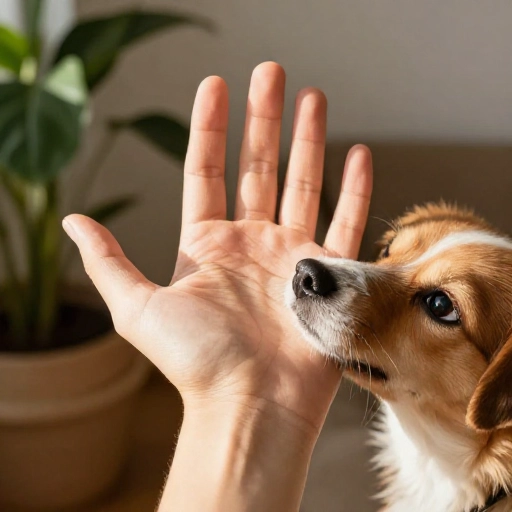
Hold out your open palm, say “touch,” and wait for your dog to boop it with their nose. Reward immediately. Once they’ve got it, you can use this to guide them into positions—like moving onto a mat or away from the door. It’s like a remote control for your pup.
This trick is gold for nervous dogs. The physical contact is reassuring, and it gives them a clear job to focus on. Plus, it’s adorable when they gently tap your hand with their nose.
3. “Leave It” Without the Drama
Start with a low-value item (like a piece of kibble) in your closed fist. Say “leave it” and wait. The moment your dog stops sniffing or pawing, say “yes” and reward from your other hand. Slowly progress to open palm, then items on the floor. Keep sessions short—under 2 minutes.
The secret? Don’t snatch the item away. Let them choose to disengage. This builds impulse control naturally. I’ve used this to stop my dog from eating random socks and dropped food.
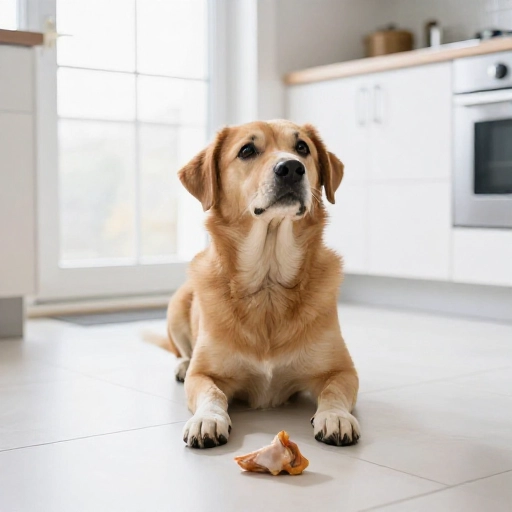
4. The “Place” Command for Calm
Pick a designated spot—a mat, bed, or towel. Lure your dog onto it with a treat, say “place,” and reward. Gradually increase the time they stay there before rewarding. I started with 3 seconds, now my dog chills on his mat for 30 minutes while I cook.
This trick is a game-changer for high-energy dogs. It gives them a clear “off switch” and teaches them to settle. Use it when guests arrive or during meal prep—it’s like magic.
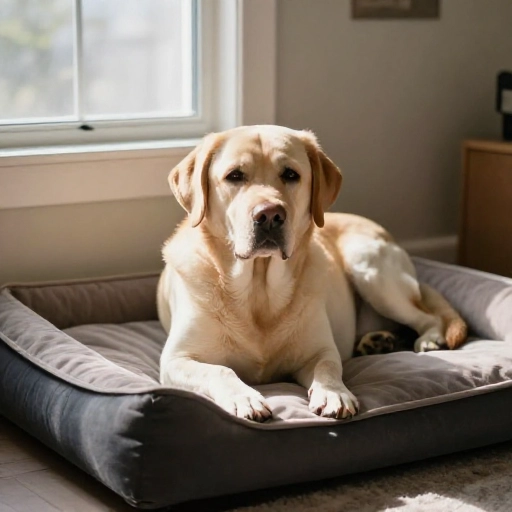
5. “Wait” at Doorways
Before opening any door, say “wait” and block the door with your body. Open it just a crack. If your dog tries to bolt, close the door and repeat. Only release them with a “free” cue when they’re calm. Start with 5 seconds, then build up.
This isn’t just about safety—it’s about respect. Dogs learn that patience pays off. My pup now sits automatically at doors, and I’ve stopped chasing him down the street.
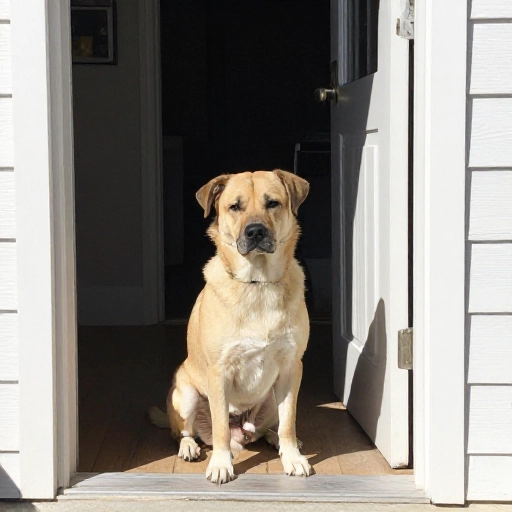
6. “Drop It” Using Trade-Ups
When your dog has something they shouldn’t, offer a high-value treat in exchange. Say “drop it” and present the treat near their nose. The moment they release the item, reward. Never chase or pry their mouth open—that teaches them to guard.
This trick works because of biology. Dogs naturally want what’s in your hand. I’ve used it to safely retrieve stolen shoes, socks, and even a dead bird. It’s a lifesaver.
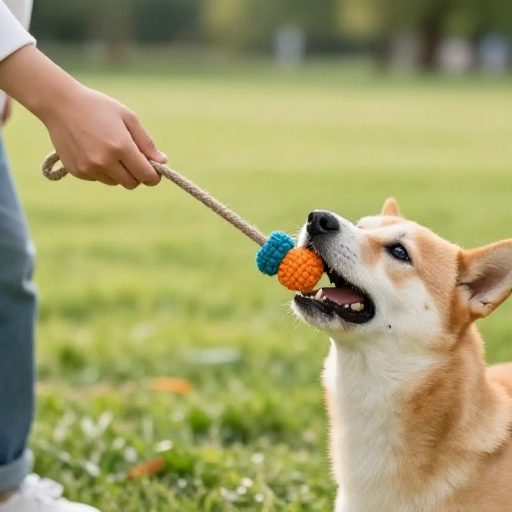
7. “Spin” for Fun and Focus
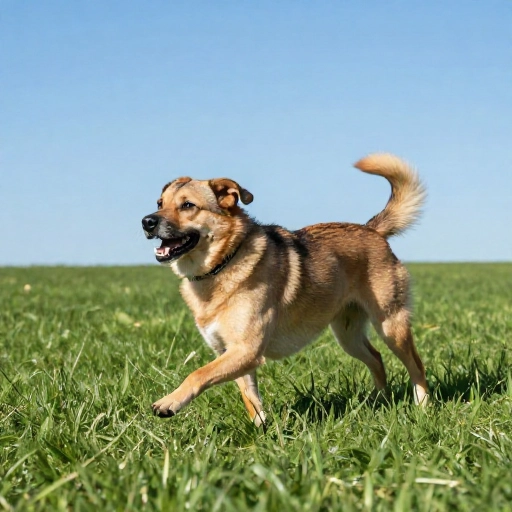
Lure your dog in a circle with a treat, say “spin,” and reward. Once they’ve got it, you can add direction—right or left. This trick is a great warm-up for training sessions because it burns mental energy.
Dogs love movement, and this builds coordination. Plus, it’s a party trick that never fails to impress. I use it to reset my dog’s focus when he’s distracted.
8. “Under” for Confidence
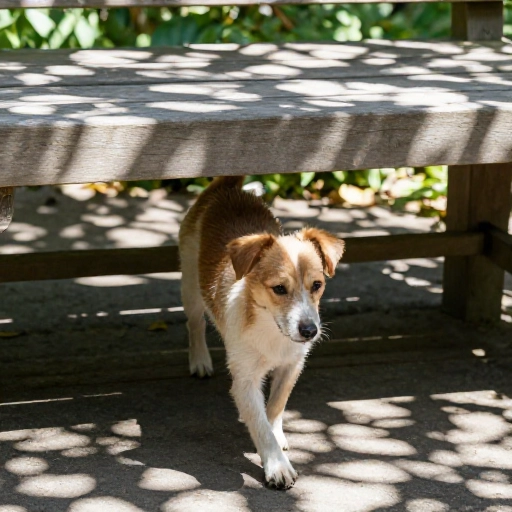
Encourage your dog to crawl under a low table or chair. Lure them with a treat, say “under,” and reward. This builds body awareness and confidence, especially for shy dogs. Start with something easy like a coffee table.
This trick is surprisingly useful. I’ve used it to get my dog to settle under restaurant tables or during vet visits. It’s a safe space they can retreat to.
9. “Back Up” for Space
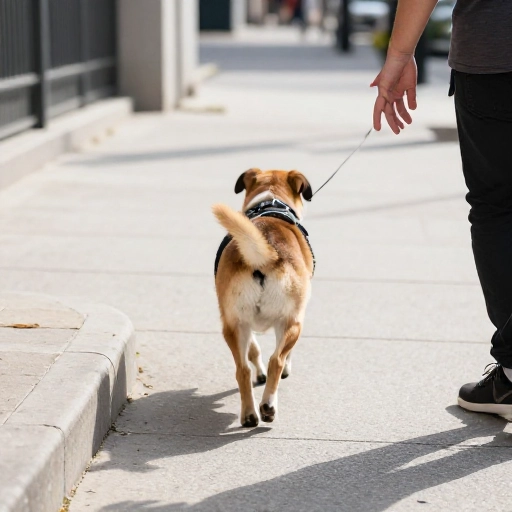
Stand facing your dog, step toward them, and say “back.” As they naturally move backward, reward. Use a wall to encourage them if needed. This trick is perfect for creating space at doors or when you need room to move.
It’s simple but effective. Dogs learn to move away from pressure, which comes in handy for grooming or when you’re carrying groceries. My dog now backs up on command, no shoving needed.
10. “Speak” and “Quiet” in One Session
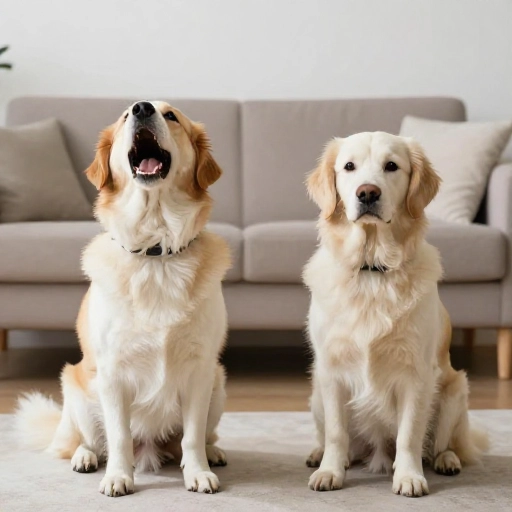
Wait for a bark (or trigger one with a knock), say “speak,” and reward. Then immediately say “quiet” and hold a treat. The moment they stop barking for even a second, reward. Gradually increase the quiet duration.
This trick teaches control, not suppression. Dogs learn that barking is okay, but silence pays better. It’s reduced my dog’s doorbell frenzy by 80%.
11. “Go to Bed” for Structured Naps
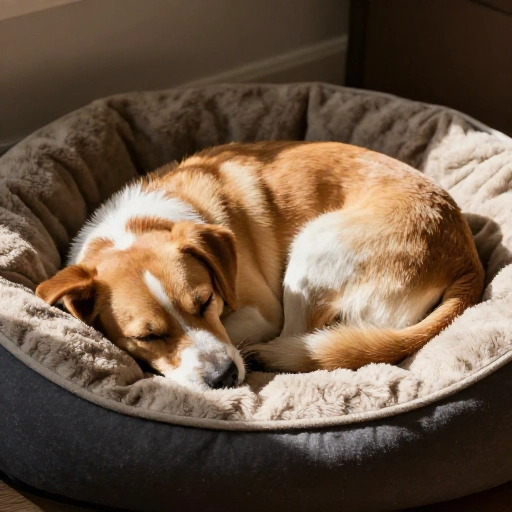
Use a specific bed or mat. Toss a treat on it, say “go to bed,” and reward when they settle. Add a duration cue like “stay.” This is different from “place” because it’s about relaxation, not just location.
Dogs need rest, and this gives them a clear signal. I use it after walks or play sessions. It’s helped my dog learn to self-settle without me having to direct him constantly.
12. “Heel” Using a Wall
Walk along a wall with your dog on the inside. Hold a treat at your side, say “heel,” and reward every few steps. The wall prevents them from veering off. Practice in short loops before trying open spaces.
This trick is great for loose-leash walking. It teaches them to stay close without pulling. My dog now walks calmly beside me, even on busy sidewalks.
13. “Find It” for Mental Stimulation
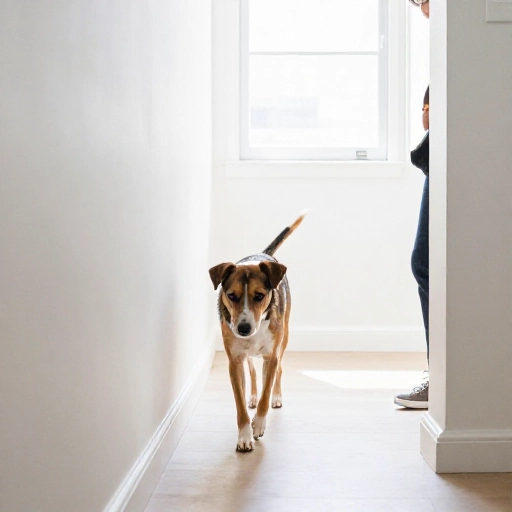
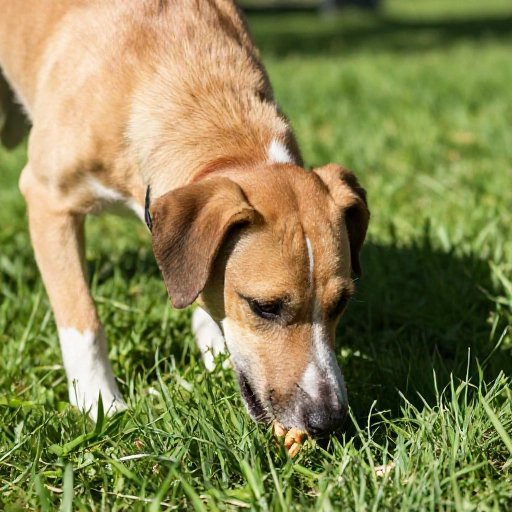
Hide a treat in plain sight, say “find it,” and let them sniff it out. Gradually make it harder—under a towel, behind a chair. This taps into their natural scavenging instinct.
This trick is a boredom buster. Fifteen minutes of “find it” tires my dog out more than a mile-long walk. It’s also a great way to redirect chewing behavior.
14. “Paw” or “Shake” for Connection
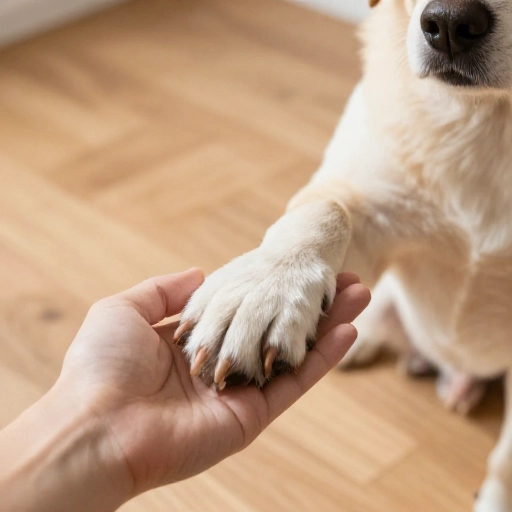
Hold a treat in your closed fist. When your dog paws at it, say “paw” and reward. Gradually raise your hand so they lift their paw higher. This builds trust and physical coordination.
It’s a classic for a reason. Dogs love the interaction, and it’s a gentle way to check their paws for injuries. I use this before nail trims to keep things calm.
15. “Emergency Recall” Using a Unique Word
Pick a word you never use—like “pepperoni” or “pizza.” Say it once, then run away excitedly. When your dog catches up, throw a party with treats and praise. Practice this in safe, enclosed spaces.
This trick could save their life. Because it’s rare and high-reward, they’ll come running no matter what. I’ve used it to call my dog back from chasing a squirrel—it works every time.
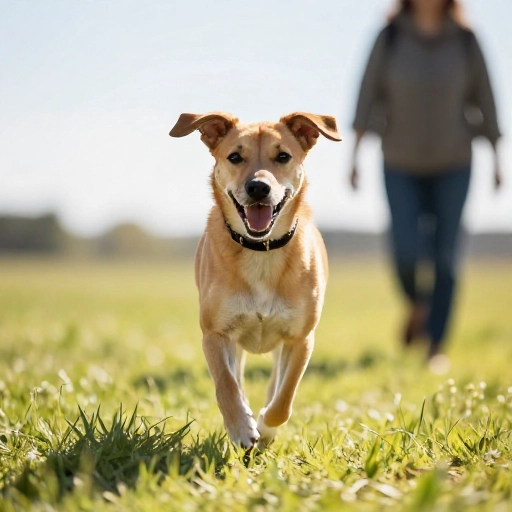
Conclusion: Training Is About Connection, Not Perfection
You don’t need a perfect dog to have a great relationship. These tricks are designed to build trust, communication, and fun. Some days will be messy—your dog might ignore you or steal your sock. That’s okay. Keep sessions short, end on a positive note, and celebrate the small wins.
The best part? Every trick you teach deepens your bond. You’ll start reading each other’s signals, laughing at the silly moments, and enjoying a calmer home. So grab some treats, clear a little floor space, and have fun with your furry friend. You’ve got this.
FAQ
Q1: How long should each training session be?
Keep sessions short—5 to 10 minutes max for puppies, up to 15 minutes for adult dogs. Two to three short sessions a day work better than one long one. Watch for signs of boredom or frustration and stop before your dog loses interest.
Q2: What if my dog doesn’t respond to treats?
Try higher-value rewards like tiny pieces of cheese, chicken, or hot dog. Some dogs prefer toys or praise—use what excites your pup. You can also try feeding them before training so they’re not too full or too hungry.
Q3: My dog is older; can they still learn these tricks?
Absolutely. Older dogs can learn new tricks—it just might take a bit more patience. Focus on low-impact tricks like “touch” or “find it.” Adapt positions for any physical limitations, and always end sessions with a win. Age doesn’t stop learning.
Q4: What’s the most important trick to start with?
Start with “look at me.” It builds focus and sets the stage for everything else. Once your dog can hold eye contact, you’ll find other tricks come much easier. It’s the foundation of communication between you and your pup.
Q5: Can I use these tricks for behavior issues like jumping or barking?
Yes, many of these tricks directly address problem behaviors. “Place” helps with jumping, “quiet” manages barking, and “leave it” stops unwanted chewing. The key is to practice the trick separately, then use it in real-life situations. Consistency is everything.