Build These 12 Small Cat Patios in One Weekend
If your cat spends all day staring out the window, they deserve a safe outdoor space. I spent a few weekends figuring out the simplest, most stylish ways to give my cat fresh air without the risks of the open outdoors. The best part? Every single one of these can be finished in one weekend.
You don’t need to be a master carpenter or have a huge backyard. I’ve built small catios on apartment balconies, tiny patios, and even just outside a window. These designs are all about keeping it doable. Let me walk you through the 12 easiest builds I’ve tried.
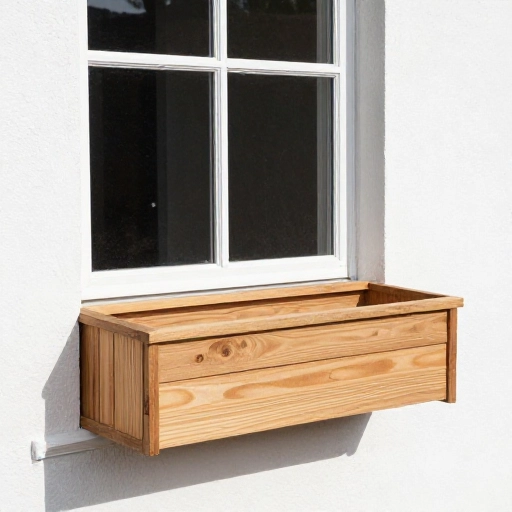
1. The Window Box Catio
This is the classic starter catio. It attaches directly to your window sill, so your cat can hop in and out whenever they want. I built mine using a simple wooden frame and some sturdy wire mesh.
You only need a few 2x4s, a sheet of plywood for the floor, and some galvanized hardware cloth. The whole thing is basically a rectangular box that sits on brackets. I added a hinged lid for easy cleaning, which I highly recommend.
Make sure you measure your window carefully. You want it to fit snugly so there are no gaps. I secured mine with heavy-duty L-brackets screwed into the window frame. It took me about four hours total.
2. The Balcony Safety Enclosure
If you have a balcony, you already have the bones of a catio. I turned my small balcony into a safe zone by wrapping it in mesh netting. The key is to secure the mesh at the top, bottom, and sides.
I used a roll of black bird netting because it’s nearly invisible from a distance. It lets the light in and doesn’t ruin your view. I attached it with zip ties to the balcony railing and the ceiling.
Make sure there are no loose edges. Cats are escape artists. I also added a small piece of wood along the bottom to stop them from squeezing under. This whole project took me one afternoon.
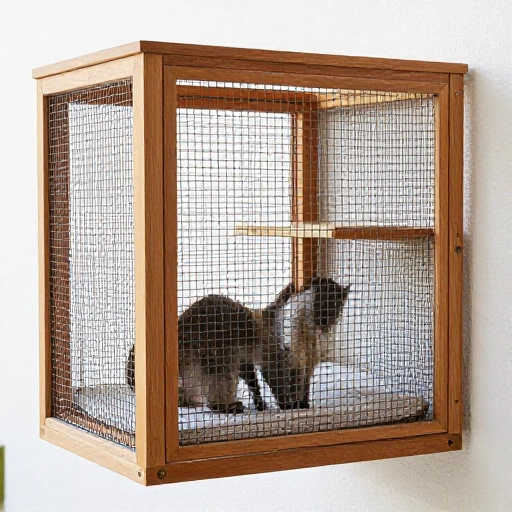
3. The Freestanding A-Frame
This is perfect if you have a corner of the yard that’s not being used. It looks like a small greenhouse but for cats. I built a simple A-frame using two wooden panels that hinge at the top.
The frame is just lumber, and the sides are covered in hardware cloth. I left one side as a door so I could go in and clean it. It’s surprisingly sturdy and gives your cat a lot of vertical climbing space.
I put a small cat door in the bottom that connects to a tunnel leading to the house. It took me a full Saturday, but it was worth it. My cat loves sitting on the top perch I built inside.
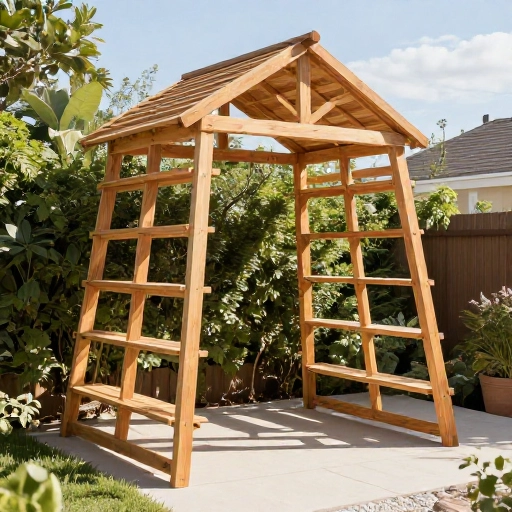
4. The Under-Deck Catio
If you have a deck, the space underneath is a perfect catio. I enclosed the area under my low deck with lattice panels and wire mesh. It creates a shady, cool spot for hot days.
I built a simple frame of 2x4s to attach the mesh to. Then I added a small cat door that leads from the basement window. The deck itself acts as the roof, which saves a ton of work.
Just make sure the ground is dry. I laid down some patio stones and outdoor carpet to keep it clean. This took me a weekend because I had to cut all the lattice, but it was simple work.
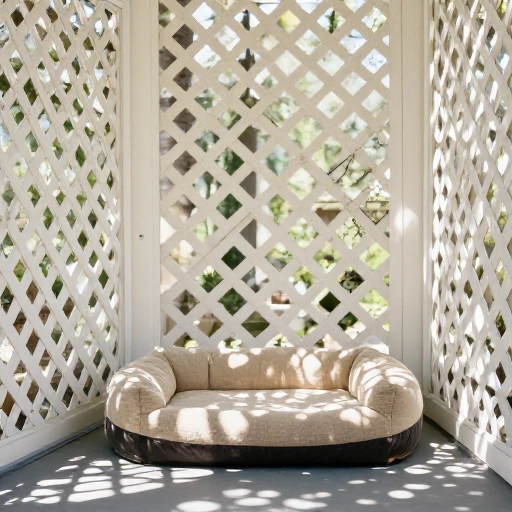
5. The Repurposed Shelf Catio
This is the cheapest option. I used a heavy-duty metal shelving unit I found at a garage sale. I turned it on its side and wrapped it in chicken wire. It looks like a large cage, but it’s actually a great catio.
I added a wooden floor to the bottom shelf for stability. Then I put cushions and a small litter box inside. It’s basically a portable catio that I can move around the yard.
The best part is the shelves themselves. They make perfect perches. My cat can jump from the bottom to the middle to the top. It took me two hours to assemble and wrap.
6. The Window Tunnel Catio
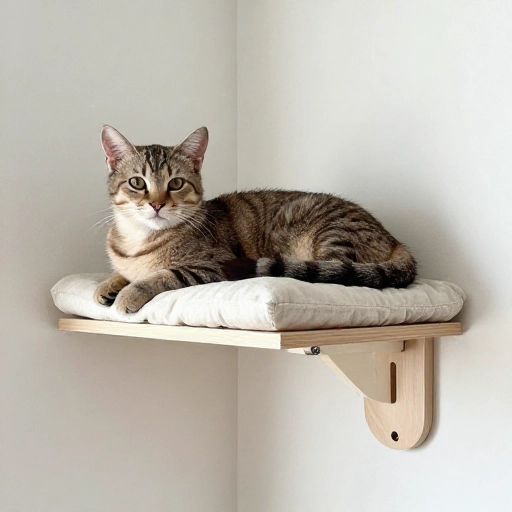
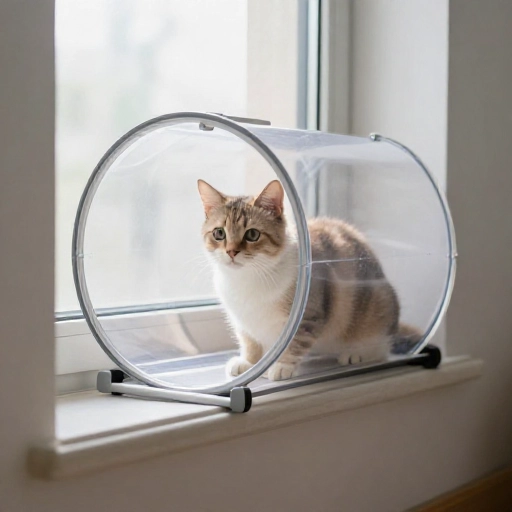
This is a long, narrow enclosure that extends from a window like a ramp or tunnel. I built it for a window that was too high for a box. It gives my cat a long, narrow space to run and play.
I built a simple wooden frame that was about six feet long and two feet wide. I covered it in mesh and attached it to the window sill with brackets. It’s basically a long cage attached to the house.
I put a shelf at the far end as a lookout spot. My cat loves sprinting from the window to the end and back. It took me about five hours to build and install.
7. The Pallet Catio
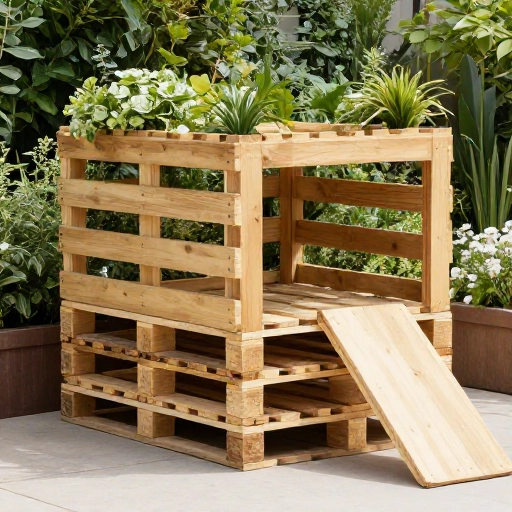
I love using reclaimed materials. I found two wooden pallets and turned them into a small catio. I stood them up to form a corner, then added a roof made of a third pallet.
I had to reinforce the pallets with some extra screws, but they were already pretty sturdy. I wrapped the outside in hardware cloth to keep my cat in and other animals out. It has a very rustic, charming look.
I added a small cat door at the base. The gaps in the pallet wood make great climbing spots. This was a very cheap project, costing me only the mesh and some screws. It took a day.
8. The Table Catio
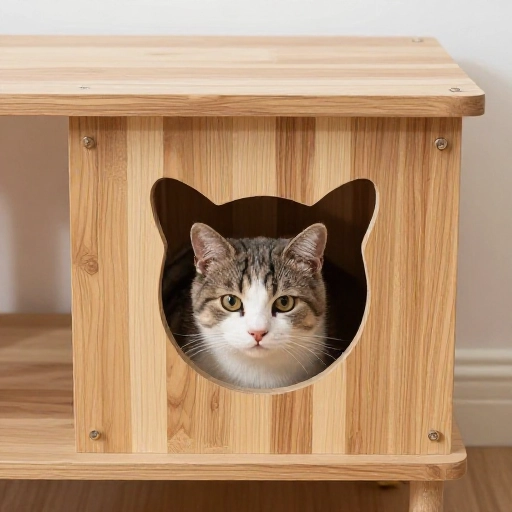
I took an old wooden table and turned it into a catio. I removed the legs and placed it on the ground. Then I built a wooden frame around the top and sides, covering it all in wire mesh.
It looks like a large birdcage. I left the tabletop as the floor. It gives my cat a solid, flat surface to walk on. I added a small shelf inside for lounging.
This is great for small spaces because it’s compact. I put it on my balcony. It took me about four hours to build the frame and attach the mesh around the table.
9. The Fold-Down Catio
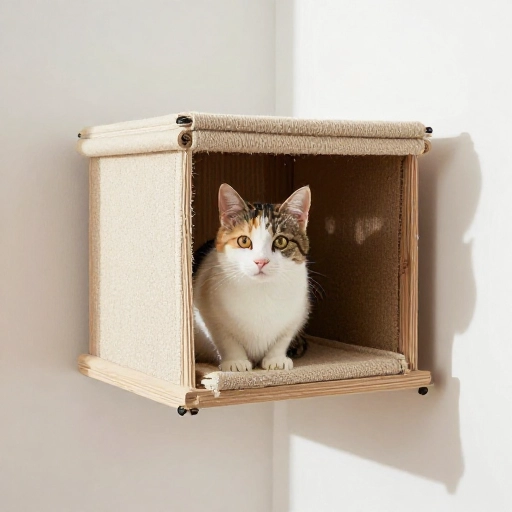
This is for people who don’t want a permanent structure. I built a catio that folds flat against the wall when not in use. It’s a wooden frame with a mesh front that hinges down.
When it’s down, it creates a small box. When it’s up, it’s flush against the wall. I attached it to the side of my house next to a window. It’s very clever and space-saving.
I used heavy-duty hinges and a latch to hold it in place when it’s open. It took me a full day to build because of the hinge mechanism, but it’s so worth it for the flexibility.
10. The Pop-Up Tent Catio
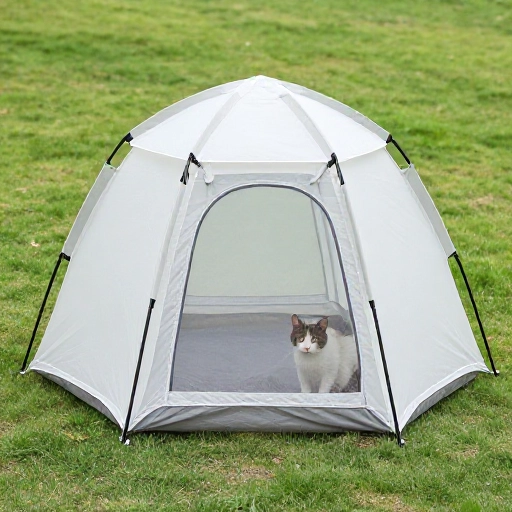
This is the easiest and fastest option. I bought a large pop-up mesh tent meant for pets. It’s like a small playpen with a zippered top. I put it on my patio and my cat loves it.
You don’t need any tools. Just open the tent, stake it down, and put your cat inside. I added a soft blanket and some toys. It’s not permanent, but it’s perfect for supervised outdoor time.
I use this when I’m sitting outside. My cat can be near me but safe. It’s also great for travel. This took me ten minutes to set up.
11. The Cinder Block Catio
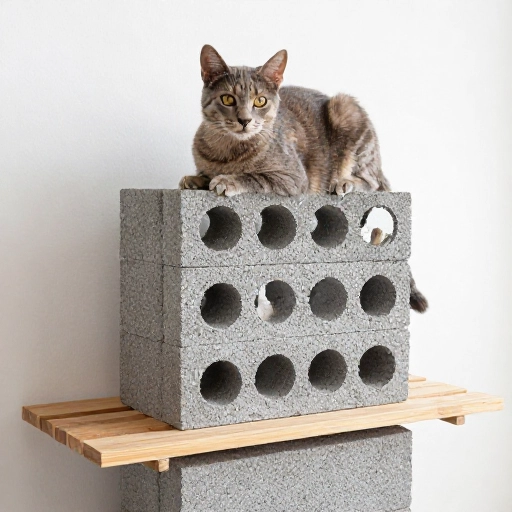
This is a very sturdy, permanent option. I stacked cinder blocks to form a small square enclosure. Then I covered the top with a piece of plywood and wire mesh. It looks like a small fortress.
The cinder blocks are heavy, so it won’t tip over. I left gaps between some blocks for my cat to peek through. I put a soft bed inside on the concrete floor.
I used mortar to hold the blocks together, but you could just stack them. This took me a weekend because the mortar needed to dry. It is very safe and secure.
12. The PVC Pipe Catio
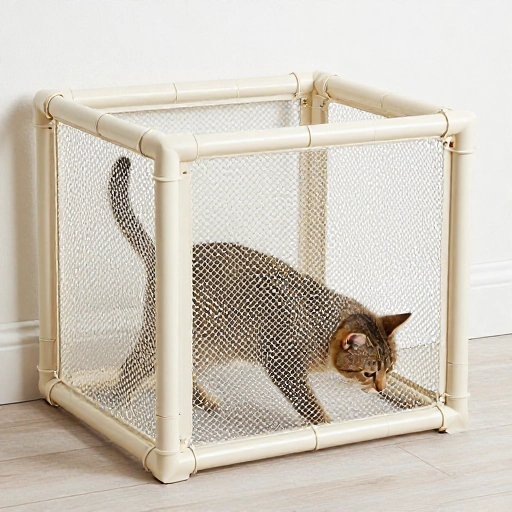
This is a lightweight, easy-to-build option. I used PVC pipes and connectors to build a simple frame. Then I stretched mesh netting over the frame and secured it with zip ties.
PVC is cheap and easy to cut. You can make any shape you want. I built a large cube. It’s not as sturdy as wood, but it’s very light and can be moved easily.
I anchored it to the ground with tent stakes. It took me about three hours to cut the pipes and assemble the frame. This is a great beginner project.
Conclusion
Building a catio doesn’t have to be a huge project. I’ve built almost all of these, and they each have their own charm. Start with the one that fits your space and skill level. Your cat will thank you with happy chirps and sunbathing sessions. Pick one, grab your supplies, and give your cat the best weekend ever.
Frequently Asked Questions
Do I need a building permit for a catio?
It depends on where you live. Check your local city or HOA rules. Small, freestanding catios usually don’t need a permit. Attached ones might, so it’s best to ask first.
What is the best mesh to use?
I recommend galvanized hardware cloth with a 1/2-inch or 1-inch grid. It’s strong and won’t rust. Avoid chicken wire because cats can tear it open.
How do I keep my catio clean?
I put a removable tray or washable rug on the floor. I hose it down once a week. Having a hinged lid or door makes cleaning much easier.
Can I leave my cat in the catio overnight?
I only use mine during the day. Overnight, temperatures can drop, and predators are more active. It’s safer to bring your cat inside at night.
How do I get my cat to use the catio?
Start by putting their favorite treats, toys, or a comfy bed inside. Leave the door open so they can explore at their own pace. Most cats get curious quickly.