5 Homemade Kibble Recipes for Balanced Meals Your Dog Will Actually Beg For
I started making homemade kibble for my dogs about four years ago, and honestly? I was nervous. I thought it would be fussy, expensive, and take over my whole kitchen. What I found instead was that a simple baked kibble recipe takes one afternoon a month, costs less than the fancy bag at the pet store, and gives me total control over what’s actually in my dog’s bowl.
The five recipes below are the ones I keep coming back to. They’re baked on low heat so they turn into those crunchy little nuggets dogs love to crunch, and each one leans on whole ingredients I can pronounce. Every recipe has a different protein and a different digestive perk, so you can rotate them and keep mealtimes interesting. If your pup is a picky eater, a dog with a sensitive stomach, or just a very good boy who deserves better than mystery pellets, start with recipe number one.
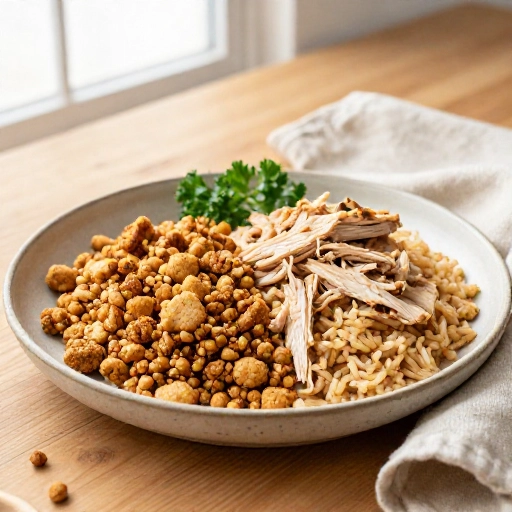
1. Chicken & Brown Rice Homemade Kibble
This is the recipe I recommend to anyone making the switch for the first time. Lean chicken and brown rice are gentle on the stomach, and the sweet potato gives it a natural sweetness that dogs go wild for. It’s also the easiest one to adjust if your vet wants you to tweak the protein level.
- 2 cups cooked chicken breast, shredded or finely diced
- 2 cups cooked brown rice
- 1 cup mashed sweet potato
- 2 eggs, lightly beaten
- 3 tablespoons coconut oil, plus a little for greasing
- Preheat your oven to 300°F (150°C) and lightly grease a rimmed baking sheet or line it with parchment.
- Blend the chicken, rice, and sweet potato in a large bowl, then stir in the eggs and coconut oil until the mixture holds together when you squeeze it.
- Press the mix into a thin, even layer or roll it into small pea-sized balls, bake for 45 to 55 minutes, then let it cool completely before breaking it into kibble-sized pieces.
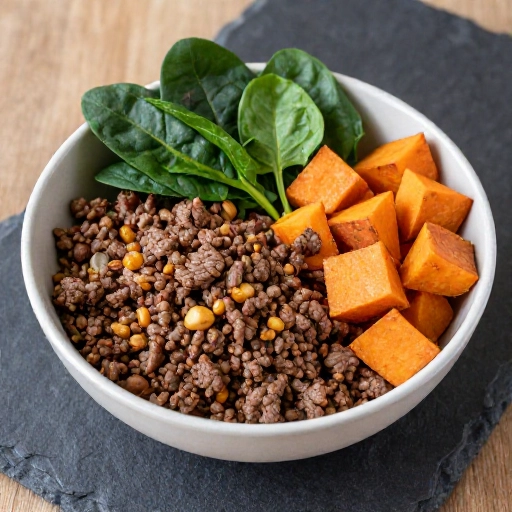
2. Beef, Spinach & Sweet Potato Crunchy Kibble
Beef brings the iron and B vitamins, while the spinach and sweet potato load it up with fiber and beta-carotene. This one bakes up darker and denser than the chicken version, so I usually break it into slightly smaller pieces for senior dogs with slower digestion.
- 1½ cups lean ground beef, cooked and drained
- 1½ cups mashed sweet potato
- 1 cup finely chopped fresh spinach
- 1 cup oat flour
- 2 eggs
- Heat the oven to 300°F (150°C) and cook the beef in a skillet until it’s fully browned, then drain off every bit of grease.
- Mix the cooled beef with the sweet potato, spinach, oat flour, and eggs until you get a thick, cookie-dough texture.
- Spread onto a baking sheet about half an inch thick, score it into small squares, and bake for 50 minutes. Turn off the oven and leave the tray inside for another 20 minutes for extra crunch.
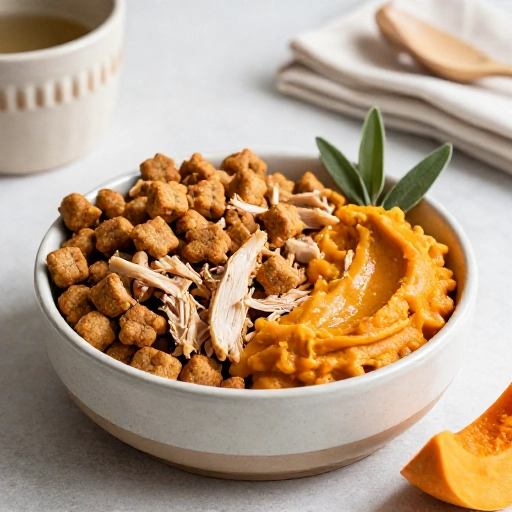
3. Turkey & Pumpkin Grain-Free Kibble
If your dog gets the runs every time a new grain shows up, this is your recipe. Pumpkin is famous for settling upset tummies, and turkey is a light protein that most allergy-prone dogs handle really well. I make a batch of this every time one of mine has had a rough week.
- 2 cups cooked ground turkey
- 1 cup pure pumpkin purée (not pumpkin pie filling)
- 1 cup chickpea flour
- 2 eggs
- 1 tablespoon olive oil
- Preheat the oven to 300°F (150°C) and combine all the ingredients in a big bowl, mixing until there are no dry pockets left.
- Scoop the mixture into a piping bag or a zip-top bag with the corner snipped off, then pipe little pea-sized drops onto a parchment-lined tray.
- Bake for 40 to 45 minutes until the nuggets are firm and dry to the touch, then cool fully before serving.
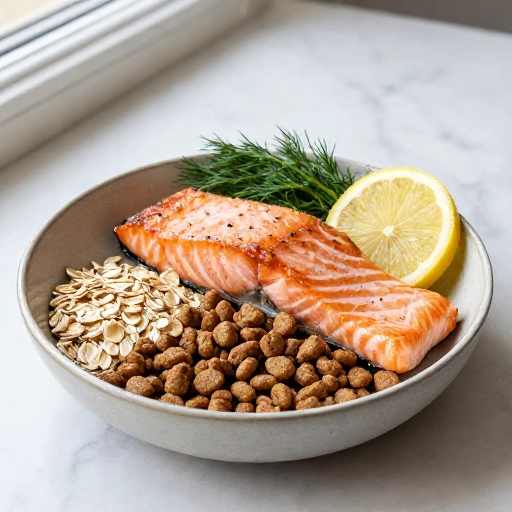
4. Salmon & Oat Omega-3 Kibble
This is the shiny-coat recipe. Salmon is packed with omega-3s, and oats add slow-release energy that keeps my high-energy girl steady instead of bouncing off the walls an hour after dinner. Fair warning: it smells a little fishy while it bakes, so crack a window.
- 2 cans (about 12 oz total) boneless salmon in water, drained
- 2 cups rolled oats, blitzed into a coarse flour
- 1 cup cooked carrot, mashed
- 2 eggs
- 2 tablespoons flaxseed oil or salmon oil
- Set the oven to 300°F (150°C) and blend the oats into a rough flour using a blender or food processor.
- Mash the salmon with a fork, making sure there are no stray bones, then mix it with the oat flour, carrot, eggs, and oil.
- Press into a lined pan about half an inch thick, bake for 45 minutes, then cut into small cubes once cooled.
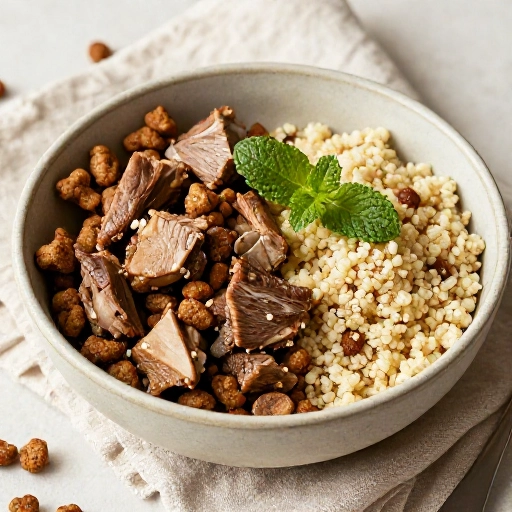
5. Lamb & Quinoa Gentle Digestion Kibble
Lamb and quinoa together are a dream for dogs with itchy skin or touchy stomachs. Quinoa is a complete protein as far as grains go, and it’s naturally gentle, which makes this my go-to recipe for senior dogs and rescues that are still settling in.
- 1½ cups cooked ground lamb, drained well
- 1½ cups cooked quinoa
- ½ cup cooked green beans, finely chopped
- 1 egg
- 2 tablespoons plain unsweetened yogurt
- Preheat the oven to 300°F (150°C) and let the cooked lamb cool completely so it doesn’t scramble the egg.
- Stir the lamb, quinoa, green beans, egg, and yogurt together until evenly combined.
- Drop small spoonfuls onto a lined baking sheet and bake for 45 to 50 minutes, flipping them halfway through so both sides dry out.
Tips & Safe Baking Guidelines
Before you preheat anything, read through these. A little planning makes homemade kibble so much easier, and it keeps your dog safe while you experiment.
Talk to your vet about balance. Homemade food is wonderful, but it isn’t automatically complete. A quick conversation with your vet or a veterinary nutritionist will tell you whether your dog needs a calcium source, a multivitamin, or a different protein-to-carb ratio. I keep a note on my phone with my dogs’ weights and their daily portions so I can adjust fast.
Keep it bone-free and low fat. Never bake cooked bones into kibble — they splinter. Skip fatty trimmings too, since rich food can trigger pancreatitis. If you’re using canned salmon, check the label for bones and drain it thoroughly.
Ingredients to avoid completely: onions, garlic, chives, leeks, grapes, raisins, chocolate, macadamia nuts, xylitol, avocado, and raw yeast dough. These are toxic or dangerous for dogs even in small amounts.
Storing your kibble: Let everything cool fully, then keep it in an airtight container in the fridge for up to 5 days. For longer storage, portion it into freezer bags and freeze for up to 3 months — I freeze flat so the bags stack like books. Thaw overnight in the fridge, not on the counter.
Watch for moisture. Any dampness in the container means mold is on the way. If your kibble feels soft after a day or two in the fridge, spread it back on a tray and give it another 20 minutes in a low oven to dry it out.
Introduce slowly. Swap about 25 percent of your dog’s current food for the homemade version, then increase over a week. Sudden changes are the number one cause of tummy trouble, no matter how healthy the new recipe is.
Portion by calories, not by scoops. Homemade kibble is often denser than commercial food, so the same scoop size can mean way more calories. Weigh it on a kitchen scale for the first week until you get a feel for it.
The Bottom Line
Making your own kibble isn’t about being a perfect dog parent — it’s about knowing exactly what’s in the bowl and having a little fun in the kitchen while you do it. Pick one recipe, make a small batch this weekend, and see how your dog reacts. Mine start spinning in circles the second the oven timer goes off, and honestly, that alone is worth the effort.
Frequently Asked Questions
Can homemade kibble be my dog’s only food?
It can, but only if the recipe is properly balanced with the right calcium-to-phosphorus ratio and added vitamins. Have your vet or a veterinary nutritionist review whichever recipe you plan to use as a main meal, and use these as toppers or treats if you’d rather not supplement.
How much homemade kibble should I feed my dog?
It depends on weight, age, and activity level. A rough starting point is about 2 to 3 percent of your dog’s body weight per day, split into two meals. Weigh your dog, do the math, then adjust based on whether their ribs feel right and their energy stays steady.
Can I freeze homemade kibble?
Absolutely, and I recommend it. Freeze in single-day portions in freezer bags or silicone trays for up to 3 months. Thaw in the fridge overnight and use within 3 to 4 days after that.
Why does my homemade kibble come out soft?
Usually it’s too much moisture. Add another tablespoon of flour, bake it a bit longer at a low temperature, and consider leaving it in the oven with the heat off for 20 extra minutes. The drier it is, the longer it keeps.
Is garlic safe in dog food?
No, skip it. Garlic and onion belong to the allium family and can damage a dog’s red blood cells, even in amounts that seem tiny to us. Use a pinch of parsley or a little plain yogurt for flavor instead.