5 Simple Ingredients to Heal Your Dog’s Gut!

Hey there, fellow dog lover! If you’ve landed here, chances are you’ve got a pup who’s been dealing with tummy troubles—maybe some loose stools, gassiness that clears the room, or just a general lack of sparkle in their step. I’ve been there with my own goofy golden retriever, and let me tell you, figuring out gut health can feel like a full-time job.
The good news? You don’t need a pharmacy full of supplements or a vet bill that makes you wince. Some of the most powerful gut-healing ingredients are probably already sitting in your kitchen. These aren’t trendy fads; they’re simple, whole-food options that support the good bacteria in your dog’s digestive tract. Let’s dive into my go-to list that turned my pup’s grumpy belly into a happy, healthy one.
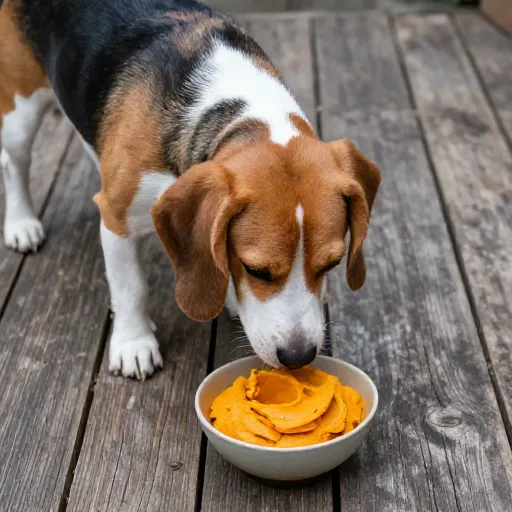
1. Plain Canned Pumpkin (Not Pie Filling!)
This is the absolute MVP of gut health. Canned pumpkin is packed with soluble fiber, which is like a gentle sponge for the digestive tract. It soaks up excess water if your dog has diarrhea and adds bulk if they’re a bit constipated. It works both ways, which is pretty magical.
I always keep a can in my pantry. A spoonful mixed into dinner has calmed more than a few upset stomachs in my house.
Just make sure you grab 100% pure pumpkin puree. The sweetened pie filling with spices is a big no-no for pups.
Start with a small amount—about a teaspoon for small dogs and a tablespoon for larger breeds—and see how they do.
2. Bone Broth (The Liquid Gold)
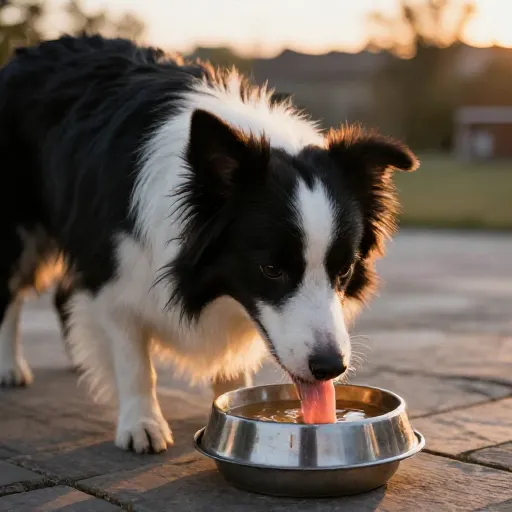
If your dog is off their food or feeling sluggish, warm bone broth is like a hug for their insides. It’s rich in collagen, gelatin, and amino acids like glycine. These nutrients help repair the lining of the gut, which is often the root of so many allergy and digestion issues.
I like to make a simple batch using chicken feet or beef bones. I simmer it for hours (no onions or garlic, please!), let it cool, and skim off the fat.
You can pour it over their kibble as a tasty topper or serve it on its own as a hydrating treat.
It’s especially great for senior dogs or picky eaters who need a little extra encouragement.
3. Slippery Elm Bark Powder
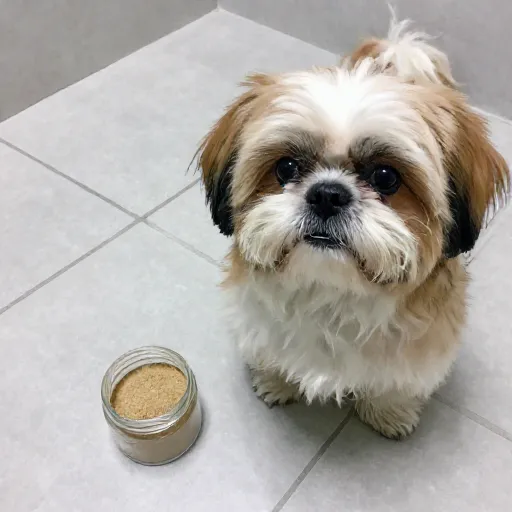
This one might sound a bit herbal, but it’s a game-changer. Slippery elm is a prebiotic that coats the stomach lining with a soothing gel. If your dog has inflammation from food sensitivities or stress, this acts like a protective barrier, letting the gut calm down and heal.
I usually buy it in powder form from a natural pet store. The key is to mix it with a little cool water to form a slurry before adding it to their food. If you just sprinkle it dry, it can clump up.
It’s flavorless, so most dogs won’t even notice it’s there. That’s a win in my book.
This is a fantastic option if your pup has a “sensitive stomach” label on their food bag but still gets flare-ups.
4. Plain, Unsweetened Kefir or Yogurt
Probiotics are the good guys, and kefir is full of them. It actually has more strains of beneficial bacteria than regular yogurt. These live cultures help balance the microbiome, which is the community of bacteria living in your dog’s gut. A happy microbiome means better digestion and a stronger immune system.
I prefer kefir over yogurt because it’s easier to digest. Look for a plain variety with no added sugar, artificial sweeteners (especially xylitol—that’s toxic!), or fruit flavoring.
Start with a tiny amount, like a teaspoon, to avoid shocking their system. Some dogs can be sensitive to dairy, so it’s all about slow introduction.
For my dog, a small spoonful with breakfast keeps his belly happy all day long.

5. Fresh Ginger (A Soothing Spice)
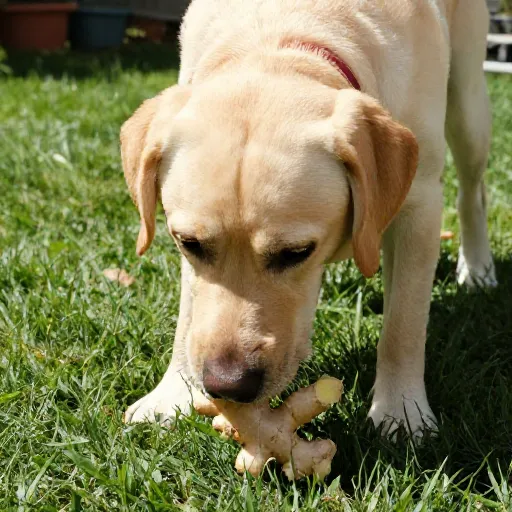
Ginger isn’t just for your stir-fry; it’s a natural anti-inflammatory and anti-nausea remedy. If your dog gets car sick or has that “I ate something weird on my walk” belly, a tiny bit of fresh ginger can work wonders. It helps stimulate digestion and settles a queasy stomach.
I grate a tiny piece—like the size of a pea for a medium dog—and mix it into their meal. It’s potent, so you really don’t need much.
You can also make a weak ginger tea and let it cool before adding it to their water bowl.
Just be careful not to overdo it. Too much ginger can cause heartburn, so a little pinch goes a long way.
6. Why Fiber Matters More Than You Think
I know I mentioned pumpkin, but let’s talk a bit more about fiber in general. It’s not just for keeping things moving; it’s the food for the good bacteria in your dog’s gut. When those bacteria thrive, they produce short-chain fatty acids that reduce inflammation.
Besides pumpkin, you can add a spoonful of cooked, mashed sweet potato or green beans. These are nutrient-dense and gentle on the stomach.
Fiber also helps stabilize blood sugar levels, which can help with energy and mood.
Think of it as prebiotic food for the probiotic bacteria you’re introducing.

7. The Importance of Timing and Routine
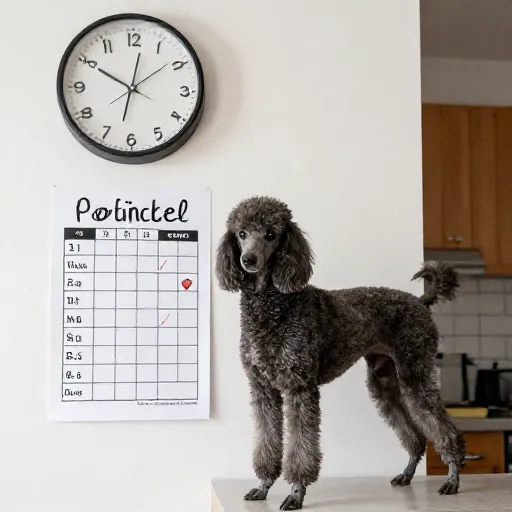
Gut healing isn’t a one-and-done thing. It’s about consistency. I found that feeding my dog at the exact same times every day helped his digestion more than any single ingredient. A regular schedule lets the digestive system prepare and work efficiently.
Try not to leave food out all day. Instead, offer meals at set times and pick up the bowl after 20 minutes. This gives the gut a rest period.
When you introduce a new ingredient, do it one at a time. Wait a few days to see how your dog reacts before adding another one.
Patience is key here. Rome wasn’t built in a day, and neither is a healthy gut.
8. Watch Out for Hidden Culprits
Sometimes, the problem isn’t what you’re adding—it’s what you’re taking away. Many commercial dog foods are packed with fillers like corn, wheat, and soy, which can be hard for some dogs to break down. These can feed the bad bacteria and cause your pup to bloat or have skin issues.
I started reading labels like a hawk. If I see “animal by-product” or a ton of artificial colors, I put it back on the shelf.
Consider a limited-ingredient diet for a few weeks to see if your dog’s symptoms improve. It’s like an elimination diet for humans.
You might be surprised to find that the “sensitive stomach” formula was actually making things worse.
9. Hydration is Non-Negotiable
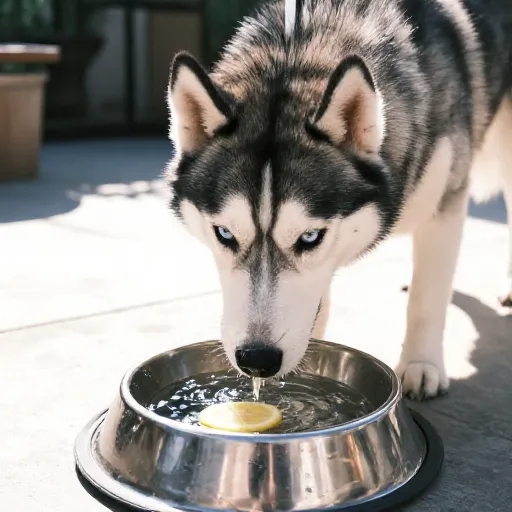
Water is the unsung hero of gut health. It helps break down food so nutrients can be absorbed properly. If your dog is dehydrated, everything slows down, and digestion can get sluggish.
Make sure their water bowl is always fresh and clean. I change mine twice a day.
If your dog doesn’t drink enough, try adding a little warm water to their kibble to make a sort of gravy. It makes the food more appetizing and adds fluid to their meal.
During hot weather or after exercise, watch for signs of extra thirst and offer water frequently.
10. Know When to Call the Vet
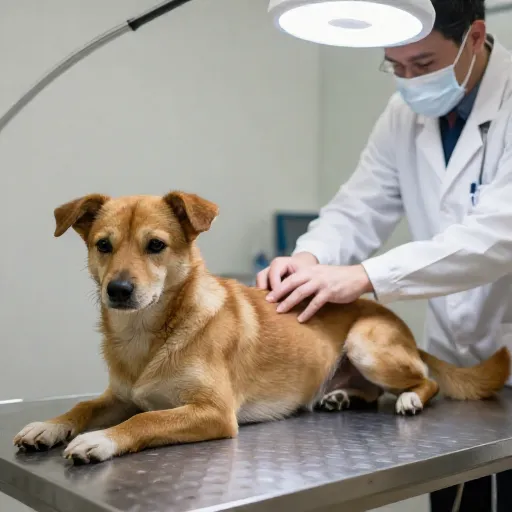
While these natural remedies are fantastic for minor upsets, they aren’t a replacement for professional care. If your dog is vomiting repeatedly, has bloody diarrhea, or is showing signs of severe pain, please go to the vet immediately.
Gut health is complex, and sometimes there’s an underlying issue like pancreatitis or parasites that needs medical attention.
I always trust my instincts. You know your dog better than anyone. If something feels off, it probably is.
These ingredients are for supporting health, not curing disease. Use them as tools in your wellness kit, but always keep your vet in the loop.
Conclusion: A Happier Tummy Starts Today
Healing your dog’s gut doesn’t have to be complicated or expensive. By adding a few simple, whole-food ingredients to their routine, you’re giving them the best possible start to better digestion, a shinier coat, and more energy. My dog is a completely different animal now—no more grumbly belly after meals and a bounce in his step that I hadn’t seen in months.
Start with one ingredient, be patient, and watch your furry friend thrive. Your kitchen is more powerful than you think.
Frequently Asked Questions
How long does it take to see results in my dog’s gut?
It varies, but many owners see improvements in bowel movements within 3 to 5 days of adding a gut-friendly ingredient. For deeper healing of the gut lining, it can take 4 to 6 weeks of consistent supplementation. Be patient and track your dog’s symptoms.
Can I give all five ingredients at once?
I don’t recommend it. Introducing too many new things at once can upset their stomach further. Start with one, like pumpkin or bone broth, and see how they handle it for a few days. Then, you can add another if you feel they need it.
Are there any dogs that shouldn’t have these ingredients?
Dogs with kidney issues should avoid bone broth due to its protein and mineral content. Diabetic dogs should be careful with pumpkin and sweet potato because they have natural sugars. Always consult your vet if your dog has a chronic health condition.
Is Greek yogurt okay, or is regular yogurt better?
Greek yogurt is great because it’s thicker and often has more protein and less sugar (if you buy plain). Just make sure it contains live, active cultures. Kefir is still my top choice because it has a wider variety of probiotic strains.
What if my dog hates the taste of these add-ins?
Most dogs don’t mind, especially if you mix them into wet food or with a bit of bone broth. If they turn their nose up at something, try warming it slightly to release the aroma. You can also hide it in a little bit of unsalted peanut butter (check for xylitol!).