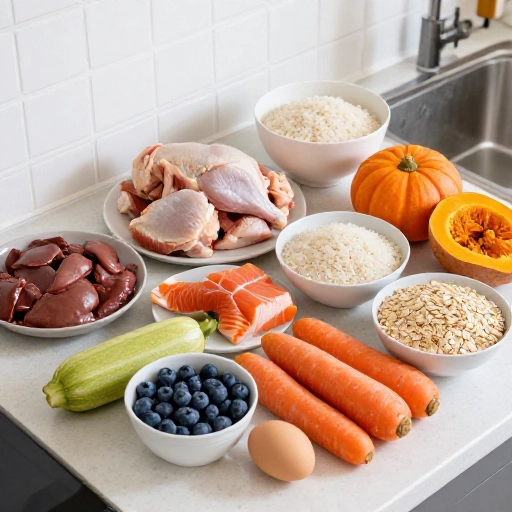
5 Vet-Approved Homemade Dog Food Recipes for Large Breeds
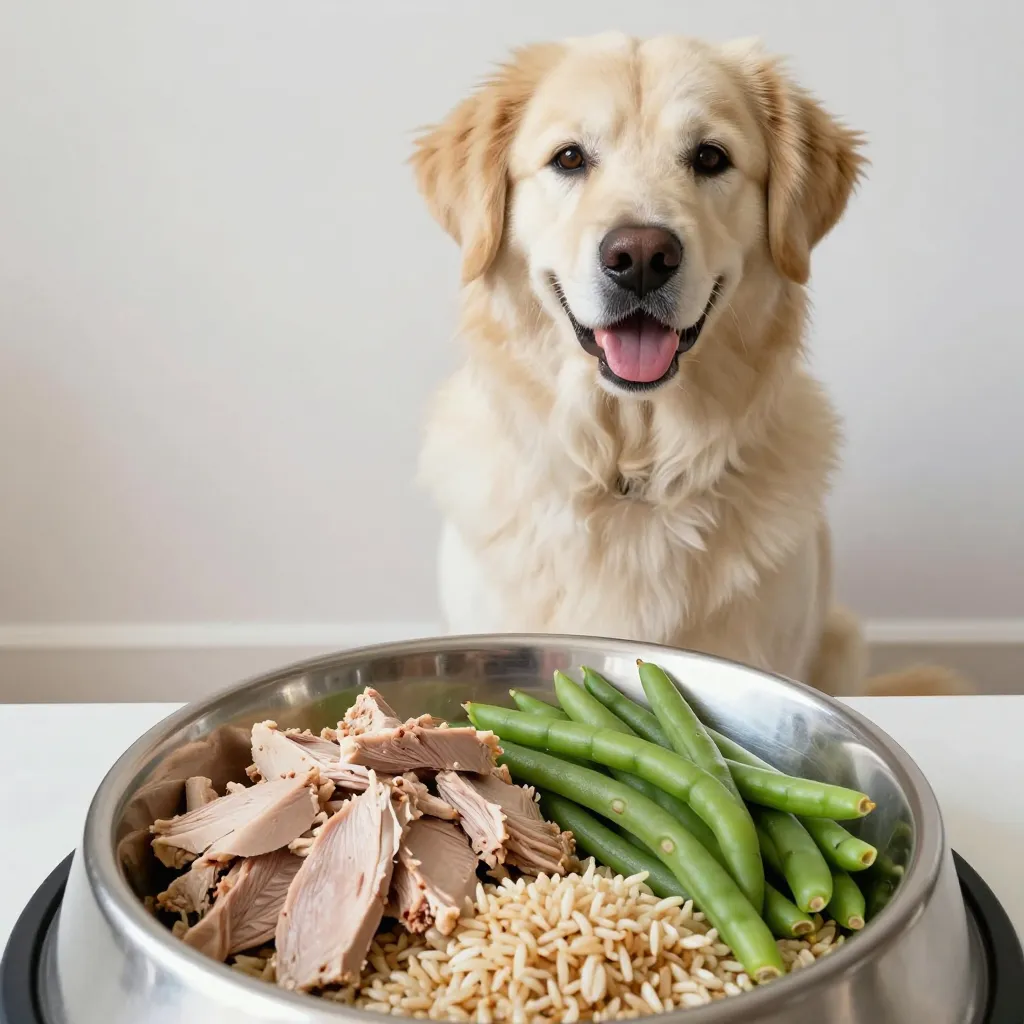
Feeding a large breed dog is a big responsibility. They need balanced nutrition to support their joints, heart, and energy levels. I’ve spent a lot of time in my kitchen, testing recipes that work for my own Great Dane mix, and I’ve learned what truly keeps him happy and healthy.
These recipes are based on guidance from my veterinarian and from canine nutrition resources I trust. They focus on lean proteins, healthy fats, and the right mix of vitamins and minerals. Always check with your vet before switching your dog’s diet, especially for large breeds who have specific needs.
Let’s get cooking. These meals are simple, affordable, and your big pup will love them.
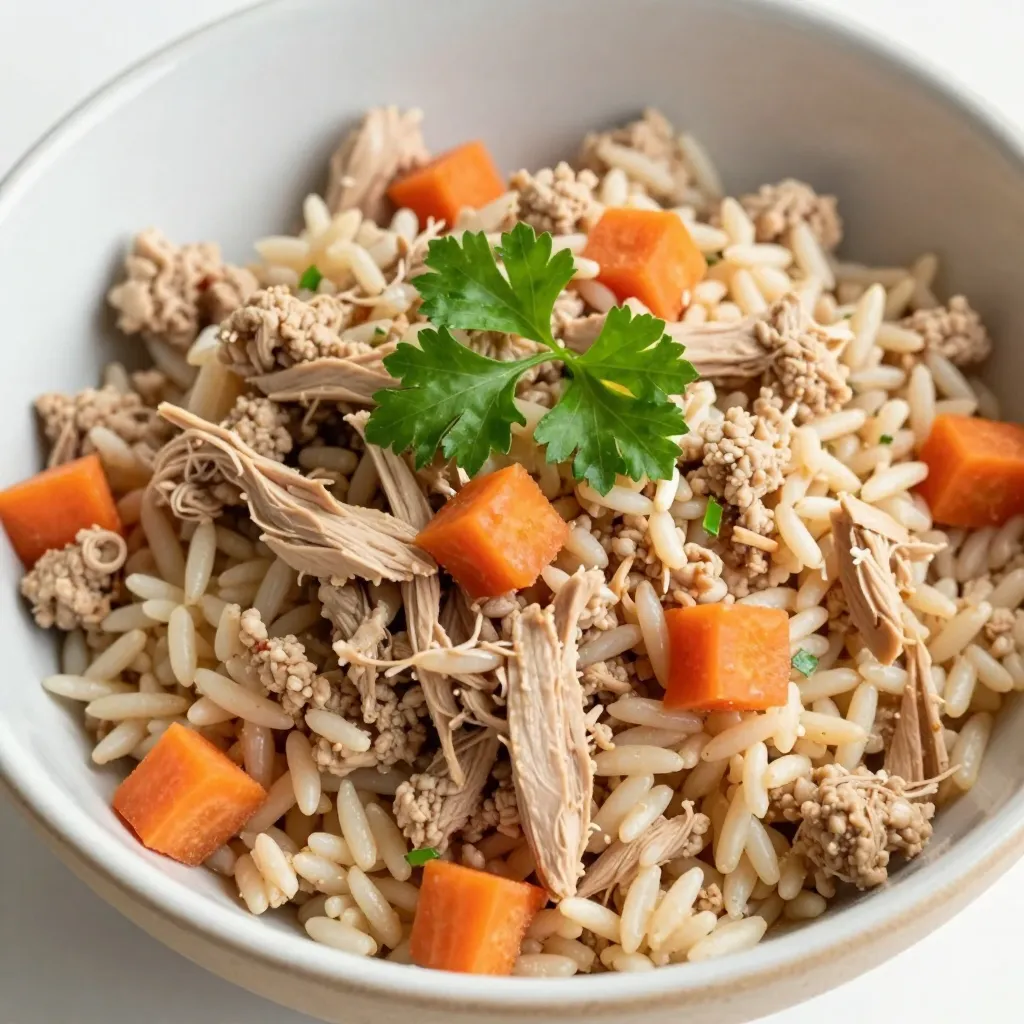
1. Lean Turkey and Brown Rice Bowl
This is a staple in my house. Turkey is a lean protein that helps maintain muscle without adding extra weight. Brown rice provides steady energy for active large dogs.
I cook one pound of ground turkey, then add two cups of cooked brown rice and a cup of steamed carrots. A splash of fish oil adds omega-3s for joint health.
Your dog will gobble this up, and it’s gentle on sensitive stomachs.
2. Beef and Sweet Potato Stew
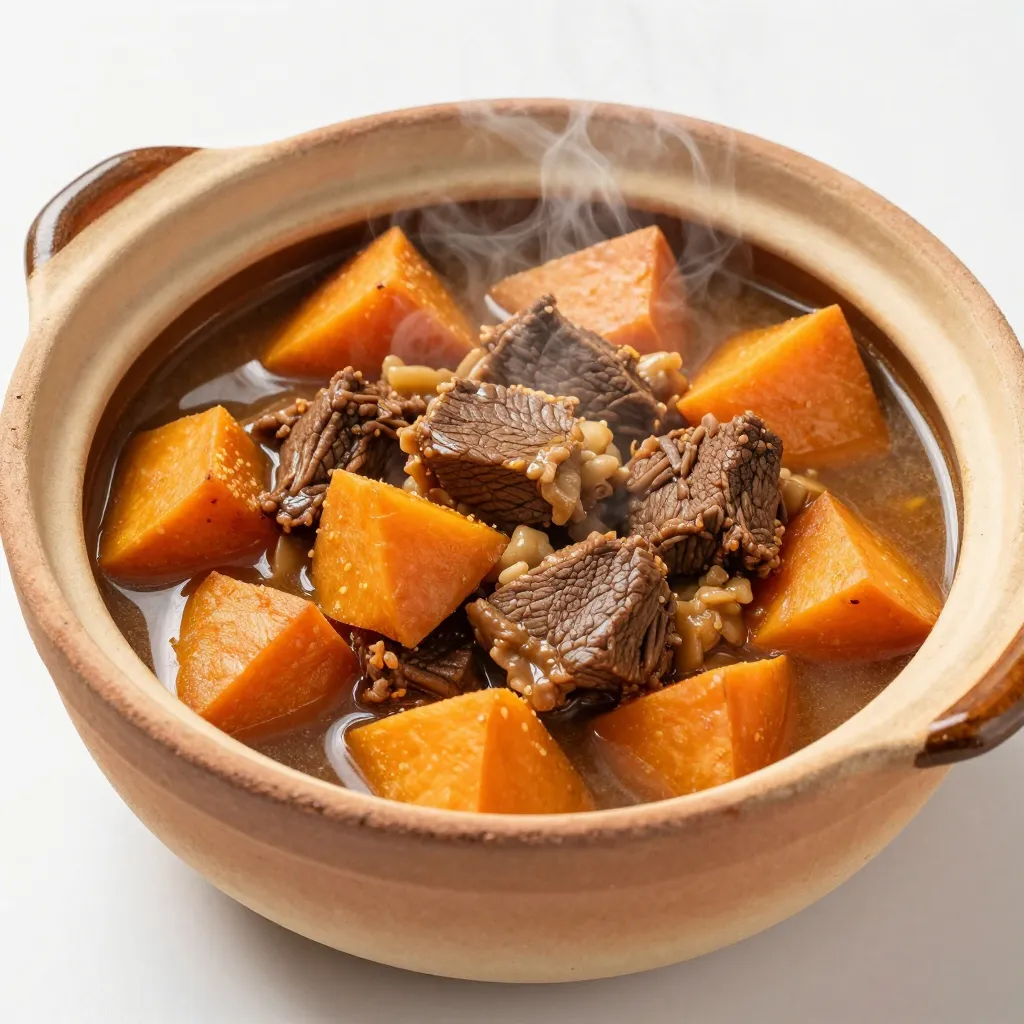
Large breeds need iron for healthy blood, and beef is a great source. Sweet potatoes offer fiber and vitamin A for good vision and immunity.
I brown one pound of lean ground beef, then simmer it with diced sweet potatoes, a little water, and a handful of green beans. Cook until the potatoes are soft.
This stew is hearty and filling. Perfect for cold days or after a long walk.
3. Chicken and Quinoa Power Meal
Quinoa is a complete protein, meaning it has all the amino acids dogs need. Combined with chicken, it’s a powerhouse for muscle repair.
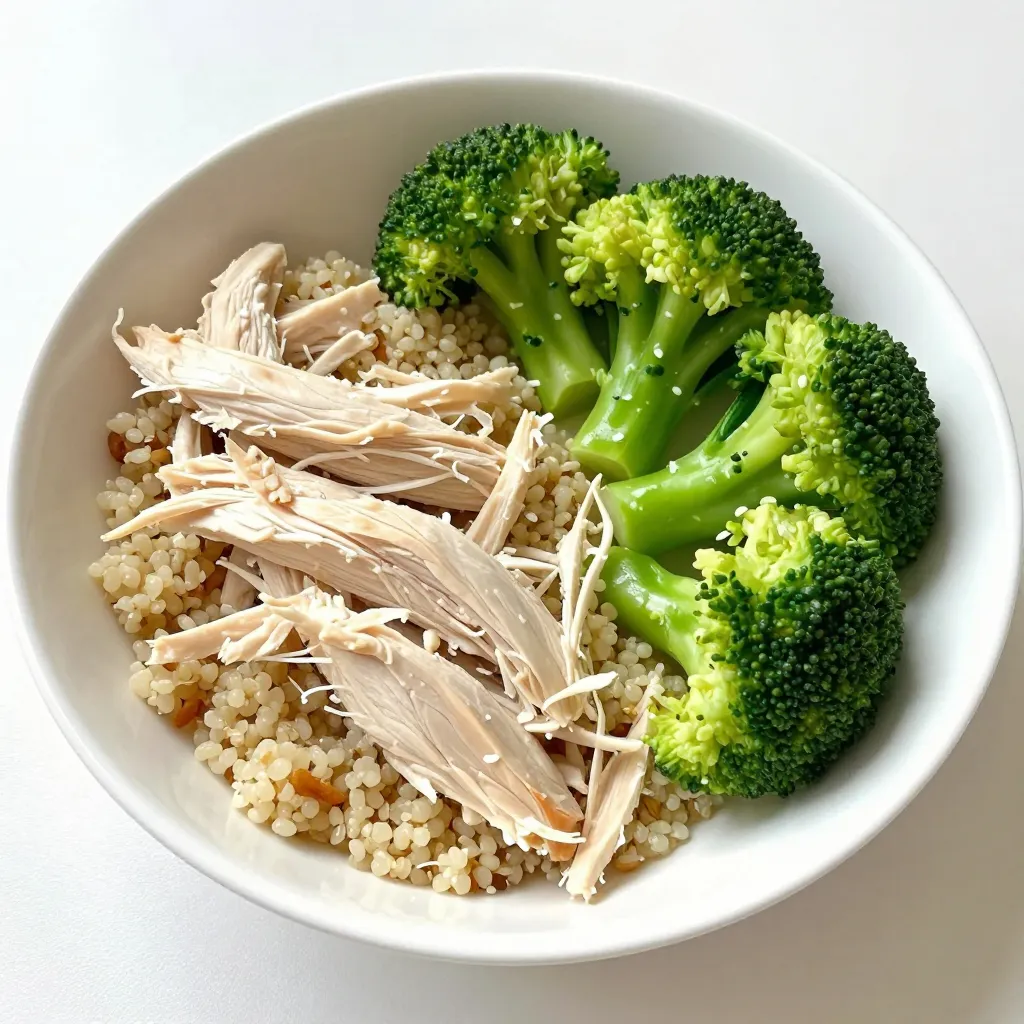
I boil boneless, skinless chicken thighs, shred them, and mix with cooked quinoa and steamed broccoli. A teaspoon of coconut oil adds healthy fats.
This recipe is great for dogs who need extra energy but not extra calories from grains.
4. Salmon and Pumpkin Blend
Salmon is loaded with omega-3 fatty acids that support skin, coat, and joint health. Pumpkin is fantastic for digestion, which is important for large breeds prone to tummy troubles.
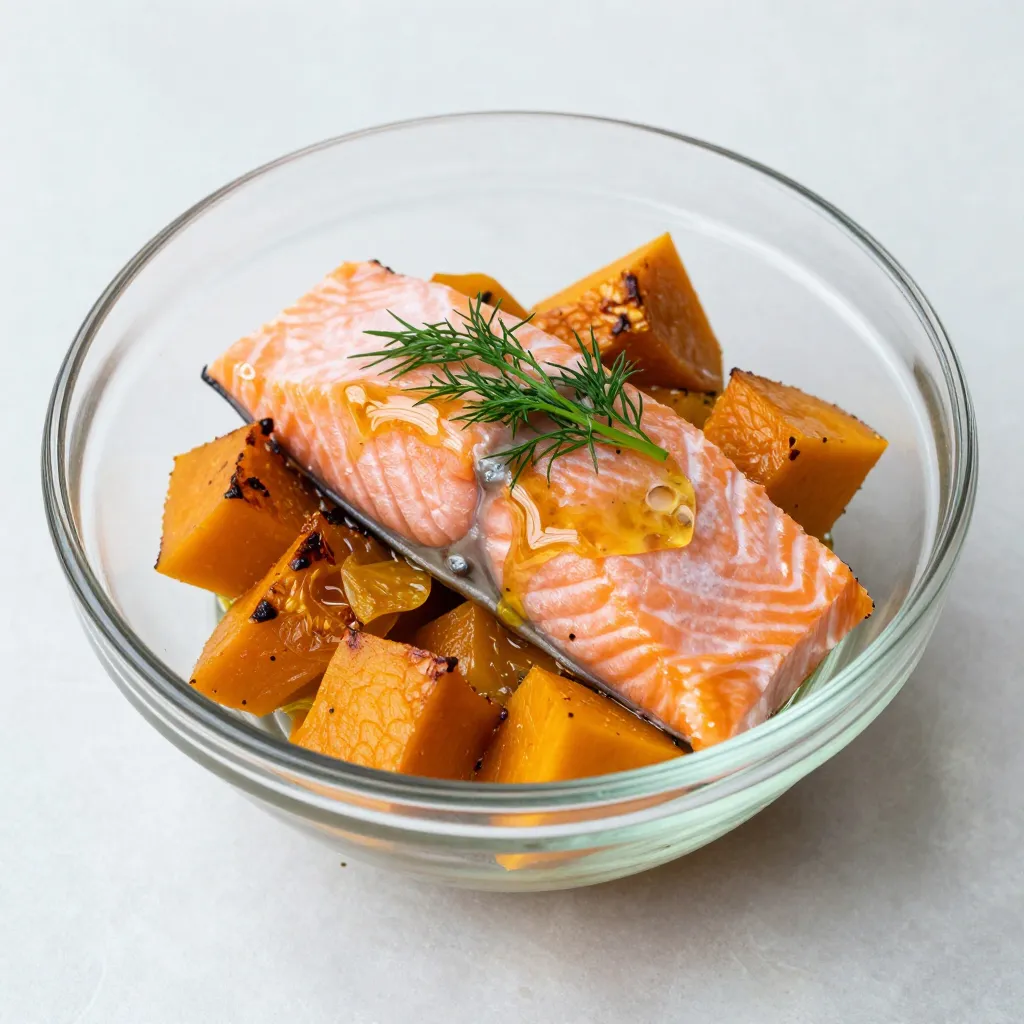
I bake a salmon fillet, flake it, and mix with canned pumpkin and a small amount of cooked oats. No salt or seasoning needed.
The smell alone will have your dog waiting by the bowl. It’s a favorite in our home.
5. Lamb and Barley Comfort Dish
Lamb is a novel protein, great for dogs with food sensitivities. Barley is a fiber-rich grain that helps keep bowel movements regular.
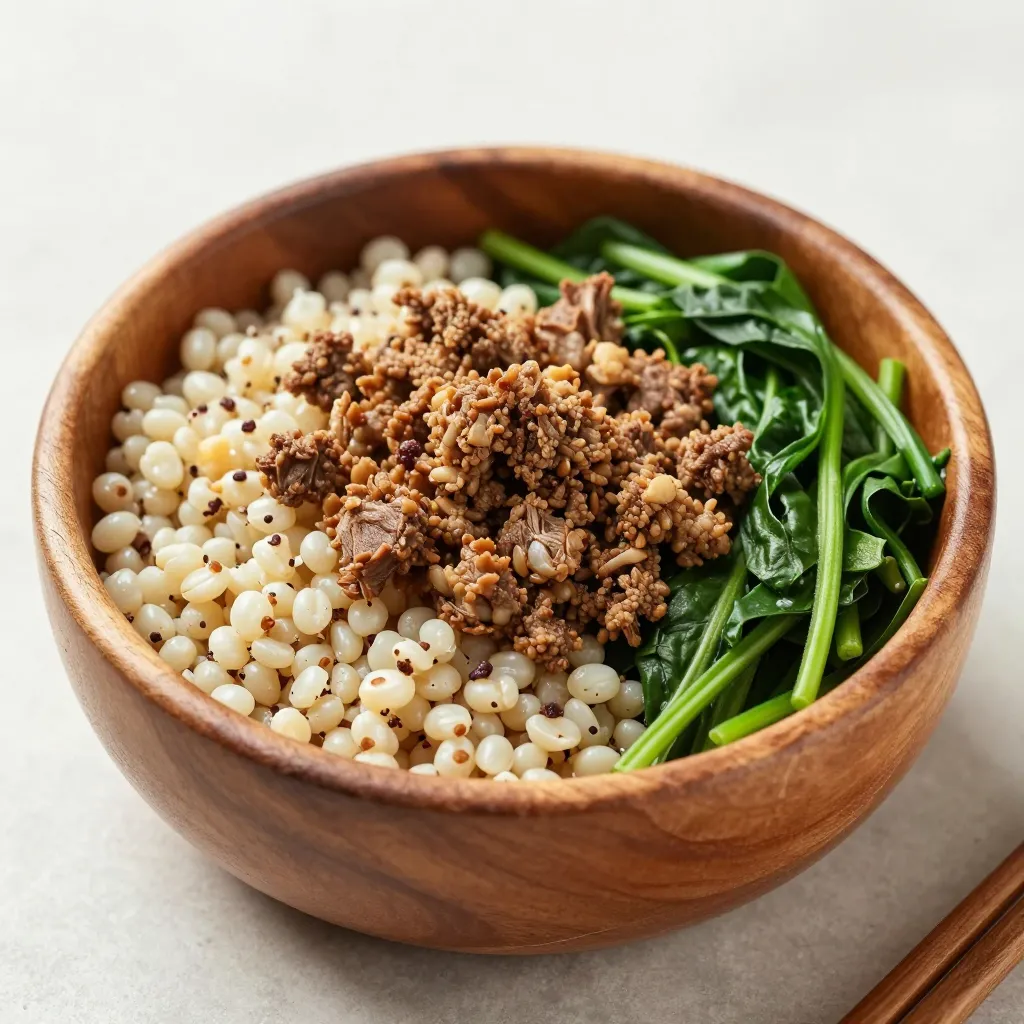
I simmer one pound of ground lamb with pearl barley and chopped spinach. Cook until the barley is tender and the spinach wilts.
This meal is gentle on the system and provides lasting energy. I serve it warm.
6. Pork and Butternut Squash Hash
Pork is a tasty, affordable protein. Butternut squash is packed with vitamins and adds natural sweetness that dogs love.
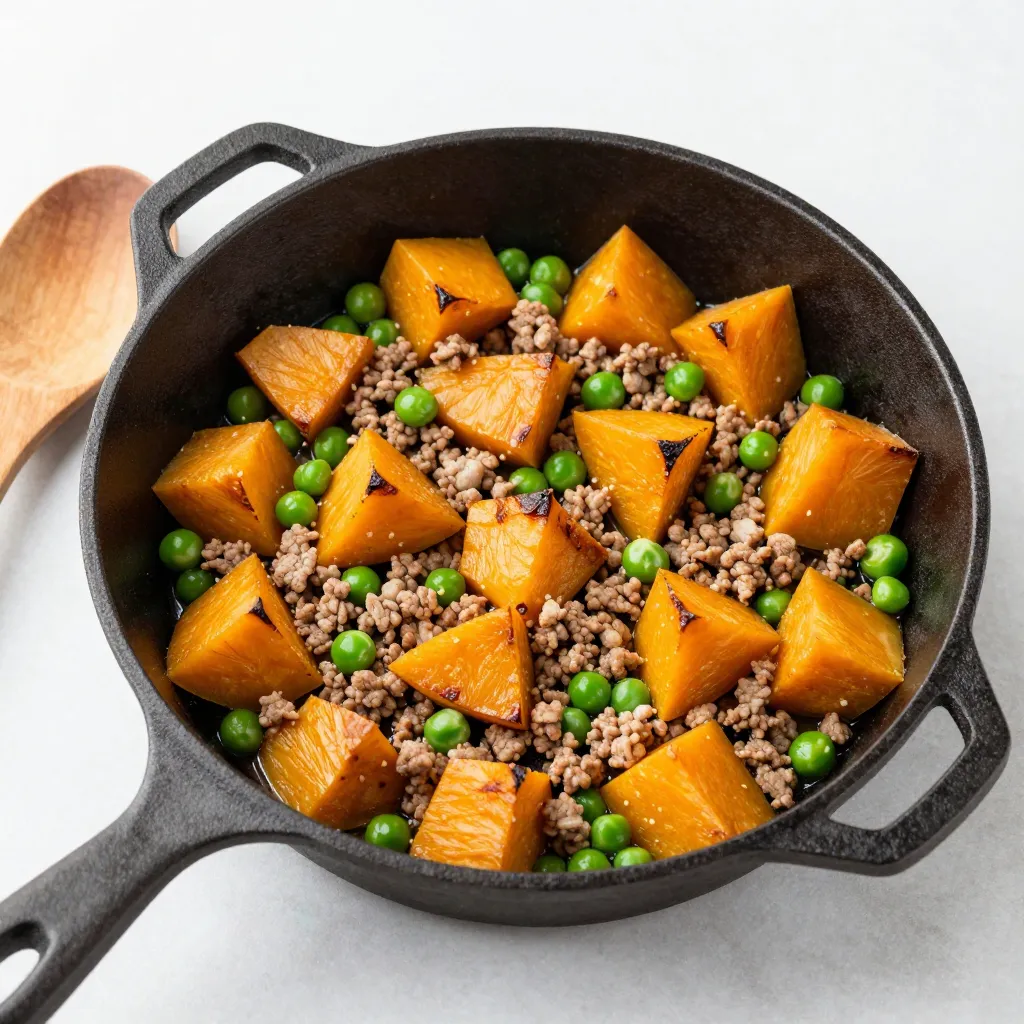
I cook ground pork, then add diced butternut squash and a little water. Cover and cook until the squash is soft. Stir in some chopped kale for extra nutrients.
This hash is colorful and full of flavor. It’s a great way to sneak in veggies.
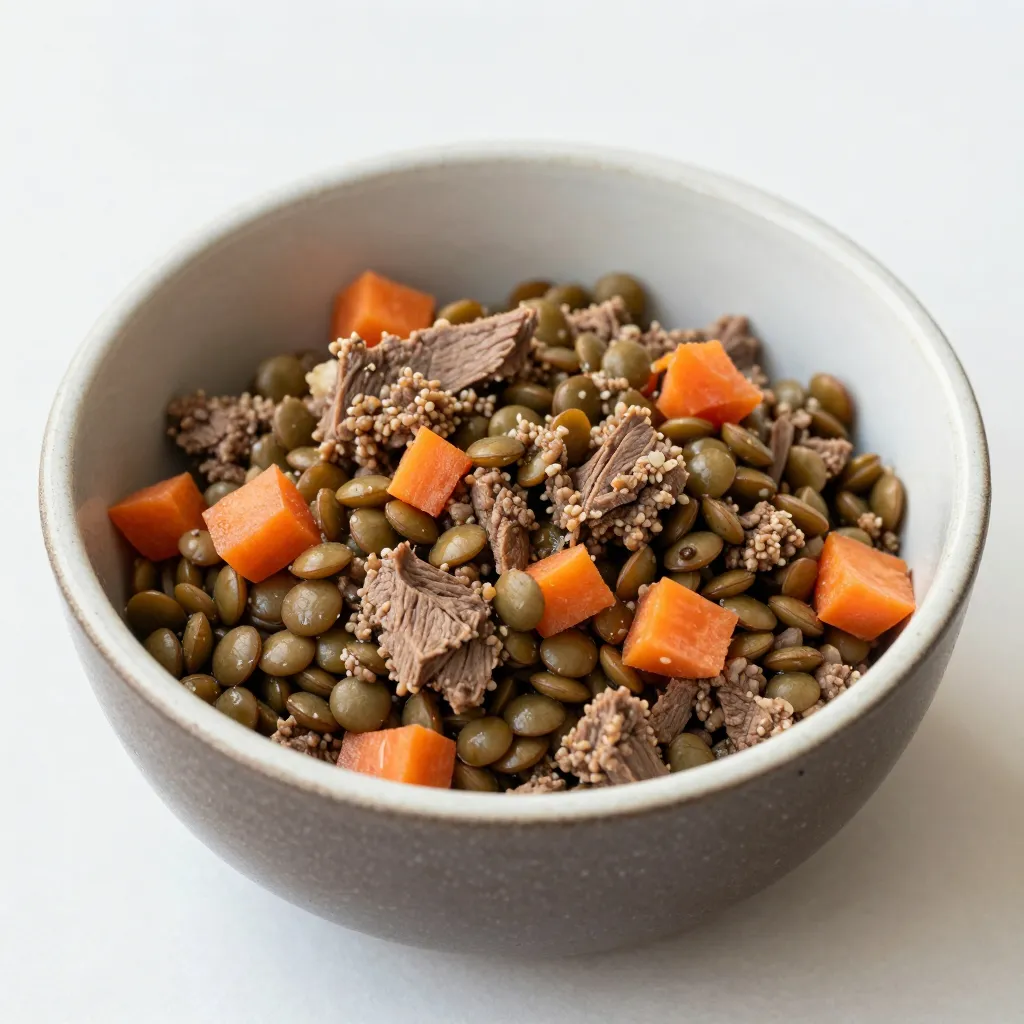
7. Venison and Lentil Bowl
Venison is very lean and rich in iron. Lentils provide plant-based protein and fiber, which helps large dogs feel full without overeating.
I brown ground venison, then add cooked lentils and a handful of frozen peas. A drizzle of olive oil adds healthy fat.
This is a great choice for dogs who need a lower-fat diet but still want a satisfying meal.
8. Duck and Millet Dinner
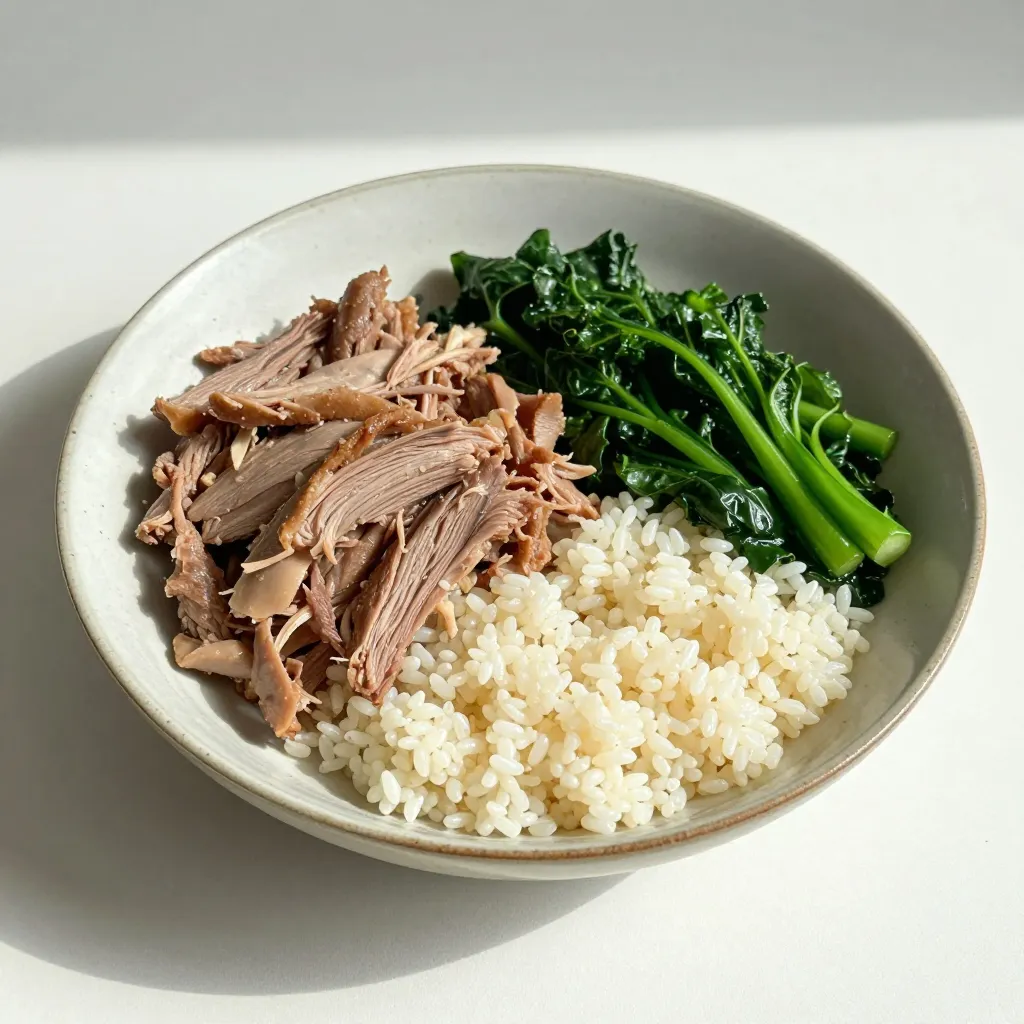
Duck is a rich protein that’s great for dogs with allergies. Millet is a gluten-free grain that’s easy to digest.
I roast duck breast, shred it, and mix with cooked millet and steamed carrots. A little bone broth (unsalted) adds moisture and flavor.
This meal feels special and is perfect for dogs who need a break from chicken or beef.
9. Beef Liver and Oatmeal Mix
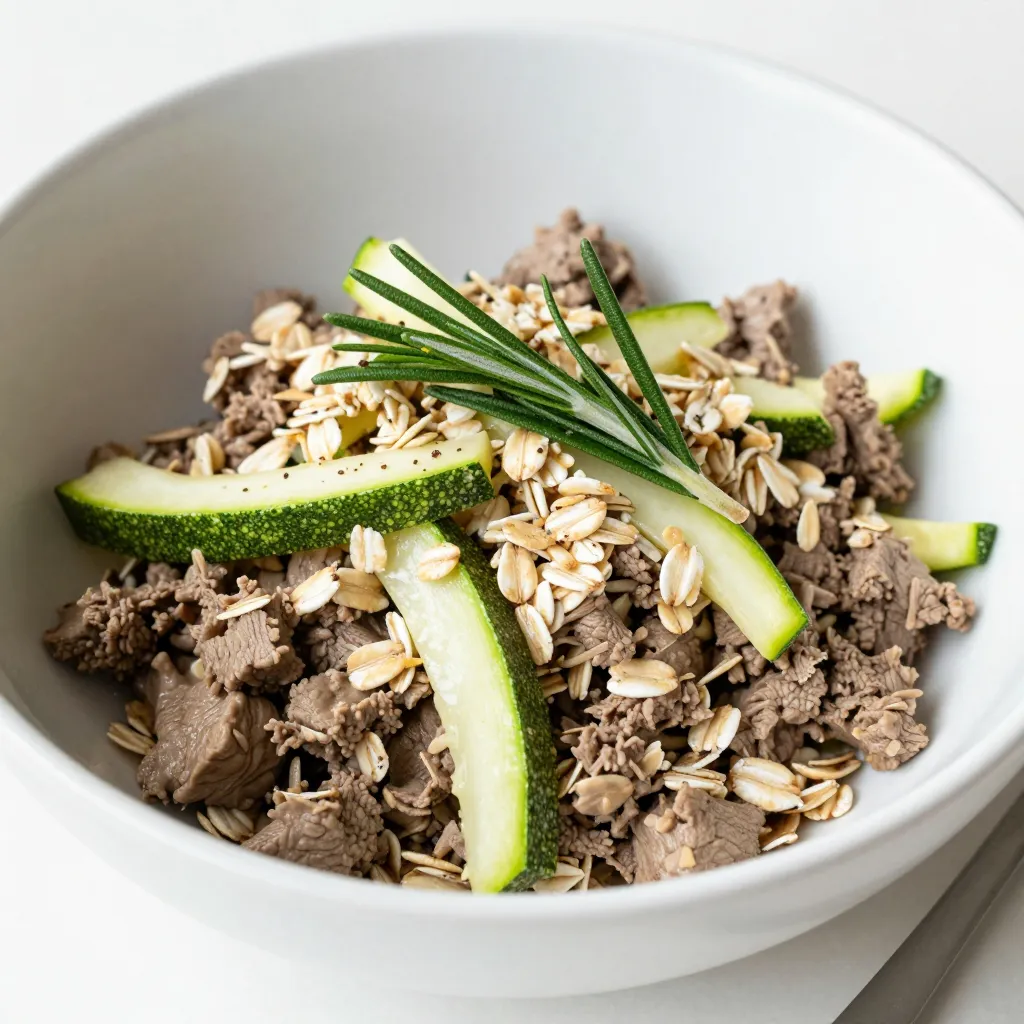
Beef liver is a powerhouse of vitamins A and B, plus iron. Oatmeal provides soluble fiber for heart health.
I cook a small amount of beef liver (don’t overdo it, liver is potent), then chop it finely. Mix with cooked oatmeal and a spoonful of plain yogurt for probiotics.
This is a nutrient-dense meal. I only serve it once a week because of the liver’s high vitamin content.
10. Fish and Zucchini Medley
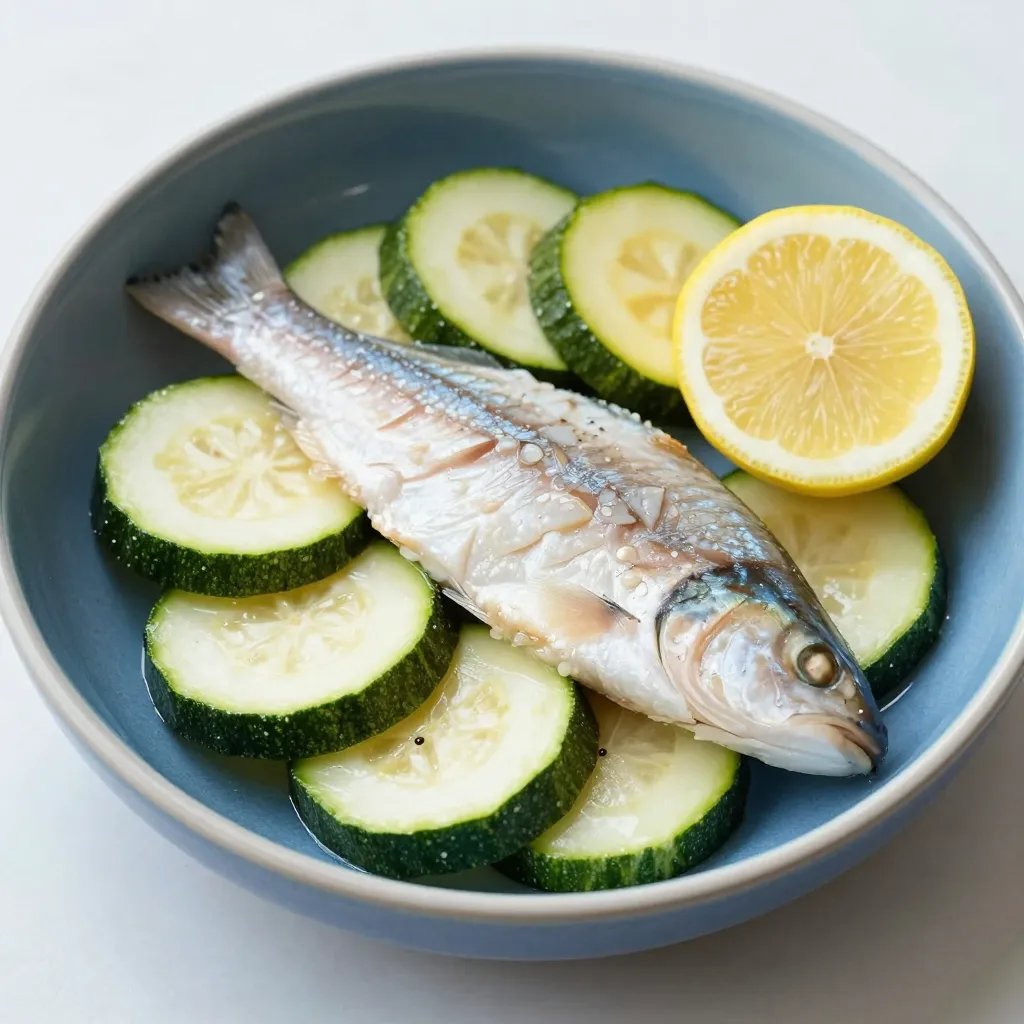
White fish like cod or haddock is low in fat and easy to digest. Zucchini adds moisture and crunch without many calories.
I poach fish fillets, flake them, and mix with sautéed zucchini and a little cooked quinoa. A sprinkle of parsley freshens breath.
This meal is light but satisfying. Great for senior large dogs who need fewer calories.
Conclusion
Cooking for your large breed dog doesn’t have to be complicated. These recipes use simple, whole ingredients that support their unique needs. Start with one recipe, see how your dog responds, and adjust portions based on their activity level.
Remember, every dog is different. What works for my Great Dane might need tweaking for your Labrador or shepherd. Always involve your vet in any diet changes, especially for large breeds prone to joint or heart issues.
Your dog will thank you with wagging tails and healthy energy. Happy cooking!
Frequently Asked Questions
Can I feed my large dog homemade food every day?
Yes, you can, but it must be balanced. Large breeds need specific ratios of protein, fat, and carbohydrates. Work with your vet to ensure you’re meeting all nutritional requirements, especially for calcium and phosphorus.
How much homemade food should I give my large dog?
It depends on your dog’s weight, age, and activity level. A general starting point is about 2-3% of their body weight per day. For a 70-pound dog, that’s roughly 1.4 to 2.1 pounds of food daily. Adjust as needed.
Do I need to add supplements to homemade dog food?
Often yes. Homemade diets can lack certain vitamins and minerals. Your vet might recommend a multivitamin or specific supplements like calcium, fish oil, or vitamin E. Never guess, always ask a professional.
Can I freeze these recipes?
Absolutely. Portion the meals into freezer-safe containers or bags. They’ll keep for up to three months. Thaw in the fridge overnight and serve at room temperature. Never microwave dog food.
What ingredients should I avoid for large breed dogs?
Avoid onions, garlic, grapes, raisins, chocolate, and xylitol. Also be careful with high-fat foods, as large breeds can be prone to pancreatitis. Stick to lean meats and safe vegetables. Always check with your vet.