7 Solid Dog Gates for Large Openings That Actually Look Good
If you live in a home with wide doorways, an open floor plan, or a staircase that’s more like a grand entrance, you already know the struggle. Standard dog gates barely cover half the gap, and the ones that do reach often wobble like they’re about to give up. I’ve been there—standing in the middle of a 48-inch opening, holding a gate that’s three sizes too small, wondering if my dog is going to just walk around it.
The good news? You don’t have to choose between safety and style anymore. After testing way too many gates (and returning a few that were total flops), I’ve rounded up seven solid options that handle wide spaces without looking like prison bars in your living room. Let’s dive into the best dog gates for large openings.
1. The Extra-Wide Pressure Mount Gate (No Drilling Needed)
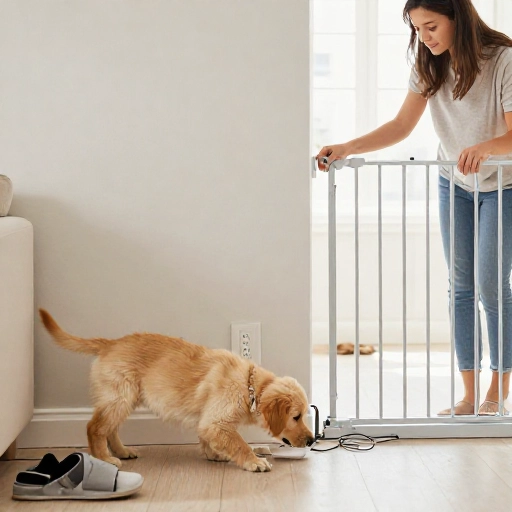
This is my go-to for renters or anyone who doesn’t want to put holes in their walls. Modern pressure mount gates now come in extra-wide versions that stretch up to 60 inches or more. They use tension from both sides to stay put, and the better ones have rubber pads that won’t scratch your trim.
What to look for: a metal frame (skip plastic for wide gaps—it flexes too much) and a walk-through door that swings both ways. That last feature is a game-changer when your hands are full of groceries or a sleepy puppy.
One tip: pressure gates work best on flat, even surfaces. If you have baseboards that stick out far, you might need to buy spacers or look for a gate with adjustable extensions.
2. The Heavy-Duty Freestanding Panel System
For really massive openings—think 8 feet or more—a single gate just won’t cut it. Freestanding panel systems are like modular fences that you can configure to fit your exact space. They don’t attach to walls at all, which means zero damage and total flexibility.
These are perfect for blocking off entire hallways, living room entrances, or even creating a safe zone around a fireplace. The panels lock together with simple connectors, and many come with feet that keep them stable on hardwood or carpet.
Downside? They take up a little floor space, and your dog might try to squeeze through gaps if the panels aren’t fully aligned. But for truly huge openings, this is the most reliable option I’ve found.
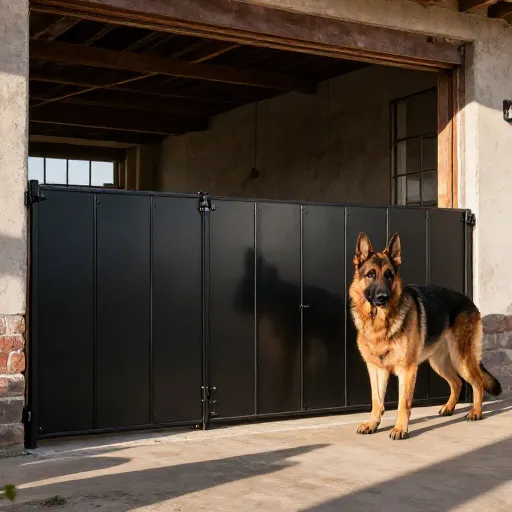
3. The Retractable Gate That Disappears
If you hate the look of a permanent gate but still need to block a wide doorway, a retractable mesh gate is your best friend. These mount to one side of the opening and pull across like a screen. When you don’t need it, just retract it into a compact case and stash it in a closet.
The mesh is strong enough to contain most dogs, but I’ll be honest—it’s not for determined chewers or big dogs that like to lean. For medium breeds and under, it’s fantastic. The best part? It can span openings up to 100 inches, which is way more than most fixed gates.
Just make sure you get one with a metal frame and a locking mechanism that’s easy for you but impossible for your pup to figure out.
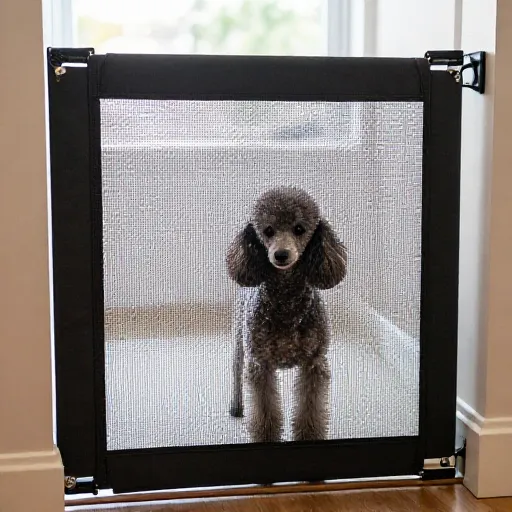
4. The Walk-Through Gate with a Real Door
This is the closest thing to a baby gate that feels like an actual door. Walk-through gates have a swinging panel that you open and close, so you don’t have to climb over or unclip anything. In a wide opening, they give you full control—open it wide when you want free movement, close it behind you when you don’t.
Look for one with a spring-loaded latch that self-closes. That way, you never accidentally leave it open. The best versions have a 180-degree swing so the door can rest flat against the gate on either side, which is super handy in tight hallways.
These gates need to be mounted to the wall or door frame for stability, so they’re not the most renter-friendly option. But they’re rock solid, and the convenience is unbeatable.
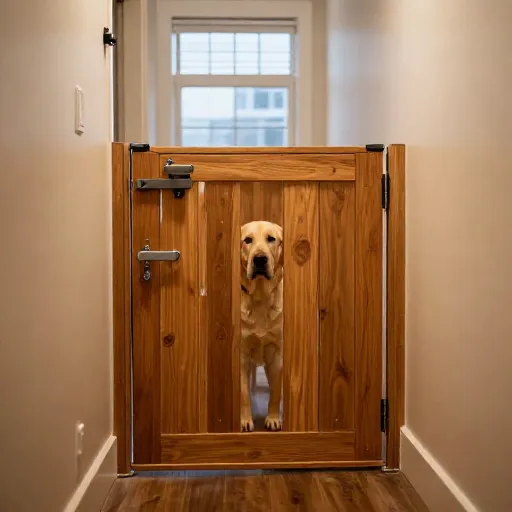
5. The Custom Wood Gate for a Built-In Look
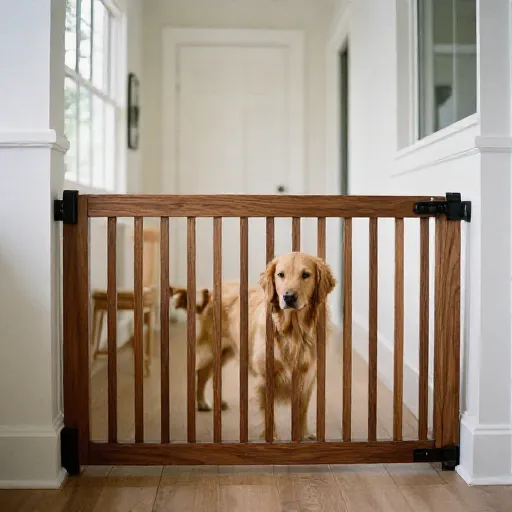
If you have a little DIY skill (or know a carpenter), a custom wood gate is the ultimate solution for large openings. You can match your trim, stain it to blend with your floors, and build it to fit your exact measurements. It looks like it was always meant to be there.
You can buy wooden gate kits that include all the hardware, then just add your own stain or paint. Or, if you’re handy, you can build one from scratch with a simple frame and vertical slats. The key is spacing the slats close enough that your dog can’t fit their head through.
This is the priciest and most time-consuming option, but it’s also the most beautiful. If your home’s aesthetic matters as much as your dog’s safety, this is the way to go.
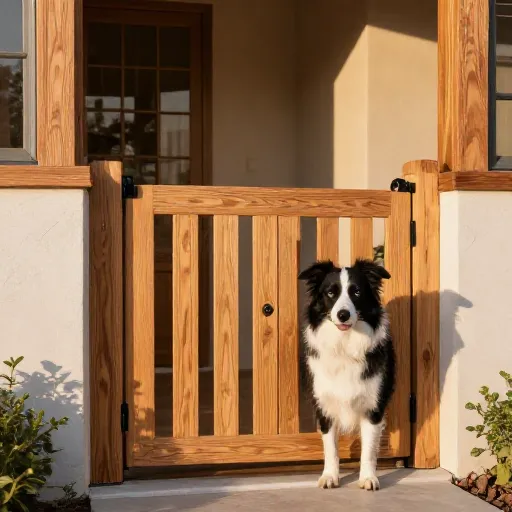
6. The Indoor/Outdoor Heavy-Duty Gate
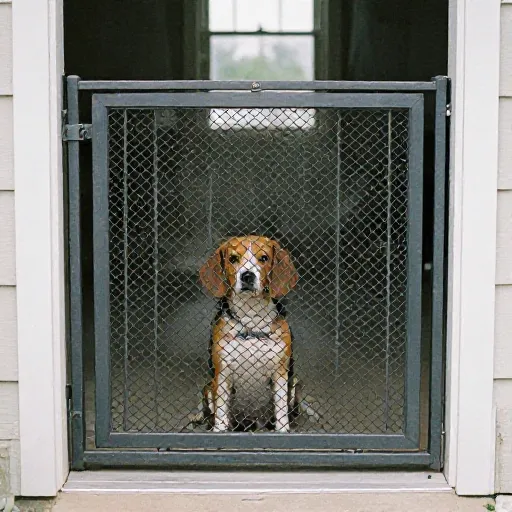
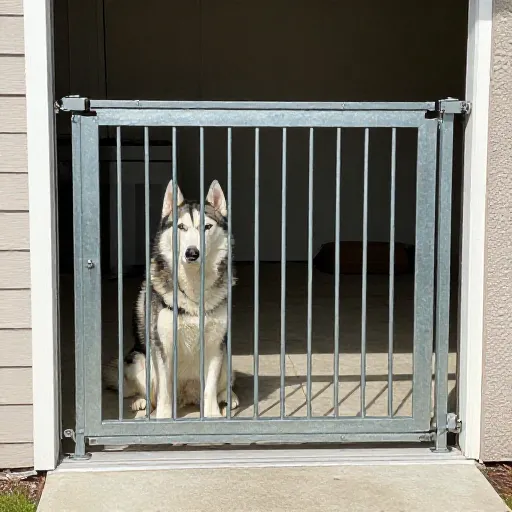
Some openings are just too big for indoor-only gates, especially if you’re dealing with a patio door or a double-wide entryway. That’s where heavy-duty gates designed for both indoor and outdoor use come in. They’re made from rust-resistant materials and can handle rain, sun, and a lot of wear and tear.
These gates are usually taller (around 36 to 40 inches) and have a more industrial look. They’re perfect for keeping your dog on the deck or out of the garage. The best ones have a latching system that requires two hands to open, which is great if you have a smart pup who’s figured out how to let themselves out.
Just check the weight capacity—some of these are rated for dogs up to 100 pounds, while others are lighter. You want one that’s sturdier than your dog, not just strong enough.
7. The Modular Gate with Extension Kits
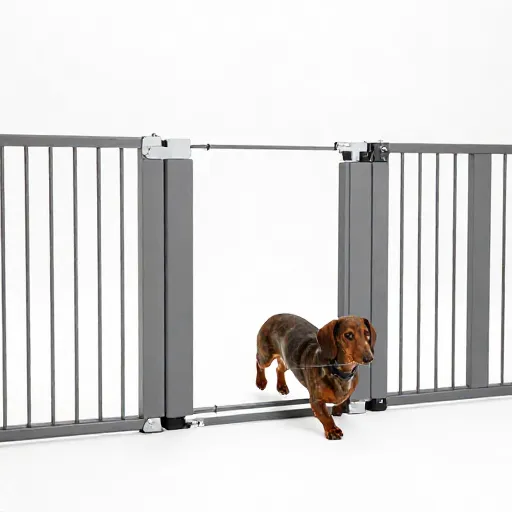
This is the “buy once, cry once” option. Modular gates come with a main gate unit, and you can buy extension panels separately to widen the total span. It’s perfect if you have a weird opening that’s not quite standard size, or if you might move to a different home someday and need to adjust.
Start with the base gate, measure your opening, and add as many extensions as you need. Most systems allow you to go from 30 inches all the way up to 70 or 80 inches. The connectors are usually tool-free, so you can reconfigure in minutes.
The best part is the flexibility. You can use it as a short gate in a narrow doorway today, then expand it for a wide opening next week. It’s the Swiss Army knife of dog gates.
Final Thoughts on Choosing a Wide Dog Gate
Before you hit “add to cart,” measure your opening twice—top, middle, and bottom. Widths can vary, especially in older homes. Then think about your dog’s size and personality. A tiny, calm dog might be fine with a retractable mesh gate, but a 70-pound lab who loves to jump? You need something with serious metal and a strong latch.
And don’t forget about your own convenience. If you walk through that opening dozens of times a day, a walk-through gate is a lifesaver. If it’s just for nighttime or when you’re away, a pressure mount or freestanding panel might be all you need.
Frequently Asked Questions
What is the widest dog gate I can buy?
Standard gates usually go up to about 48 inches. For wider openings, you’ll need extension kits, retractable gates (which can span up to 100 inches), or freestanding panel systems that you can configure to any size.
Are pressure mount gates safe for large dogs?
Yes, if you choose a heavy-duty metal one and install it correctly. Make sure the tension is tight enough that it doesn’t shift when your dog leans against it. For dogs over 50 pounds, look for gates with extra-wide rubber pads and reinforced frames.
Can I use a dog gate on stairs?
Yes, but you need one specifically designed for stairs. Pressure mount gates work best at the top or bottom of stairs, but you should always screw them into the wall for extra safety. Freestanding gates are not safe for stairs because they don’t attach securely.
How do I measure for a wide dog gate?
Measure the width of the opening at the floor, the middle, and the top. Use the narrowest measurement as your guide. Also check the height—some gates need to be taller if you have a dog that can jump.
What’s the best material for a dog gate?
Metal (steel or aluminum) is the most durable and best for large or strong dogs. Wood looks nicer but can get scratched and chewed. Plastic is light and cheap but flexes too much for wide openings.