Choosing a Large Dog Breed? Must-See Selection Tips
So, you’re thinking about welcoming a big dog into your life. That’s so exciting! There’s something special about the warm, heavy weight of a large pup leaning against your leg. But before you start picking out giant food bowls and extra-wide dog beds, let’s take a deep breath. Choosing a large breed is a wonderful adventure, but it’s also a big responsibility that deserves some real thought.
I’ve been there myself, standing in the middle of a pet store, overwhelmed by all the gear and questions. The truth is, “big dog” covers so many different personalities and needs. From the goofy, bouncy Golden Retriever to the calm, watchful Great Dane, each one brings something unique to the table. It’s not just about having enough space; it’s about finding the right match for your lifestyle, your energy, and your home.
Let’s walk through the most important things to think about together. This isn’t about finding the “perfect” dog, but about finding the perfect dog for you. We’ll talk about space, money, training, and all the little details that make life with a giant friend so amazing—and occasionally challenging. Ready? Let’s get into it.
1. Honestly Assess Your Living Space
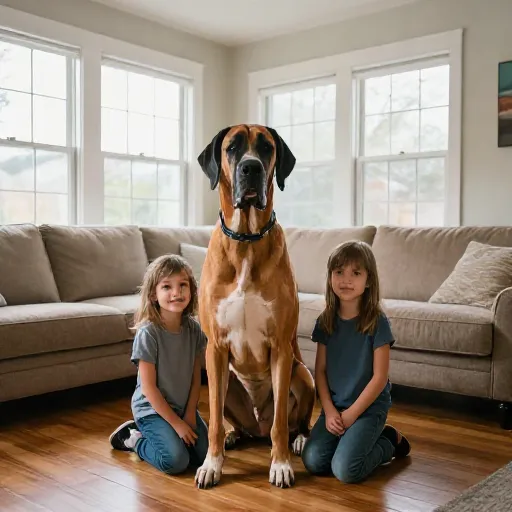
Let’s tackle the big elephant in the room—or the big dog in the apartment. You don’t need a mansion to have a large dog, but you do need to be realistic. A Great Dane in a tiny studio is a challenge, but a laid-back Greyhound can do just fine. It’s less about square footage and more about how you use it.
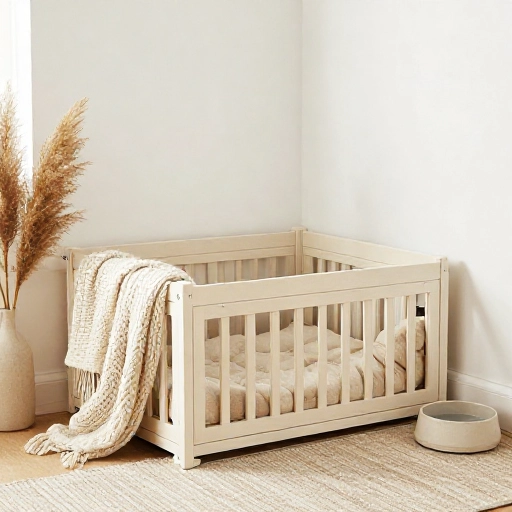
Think about the layout of your home. Is there a spot for a large crate? Do you have hard floors or wall-to-wall carpet? Big dogs track in a lot of mud and shed a surprising amount of fur. Also, consider the stairs. If you live on a third-floor walk-up, carrying a 70-pound puppy up and down for the first few months is serious work.
The real game-changer here is access to the outdoors. A fenced yard is a huge bonus for a large, energetic dog. It’s not a must-have if you’re dedicated to daily walks, but it makes life so much easier. And if you don’t have a yard, be prepared for lots of leash walks in all kinds of weather.
2. Look Beyond the Puppy Phase
Everyone loves a fluffy puppy. Those big paws and clumsy steps are adorable. But that cute puppy is going to grow—and fast. In just a few months, that little ball of fluff will be a strong, powerful adult. You need to picture the end result, not just the baby stage.
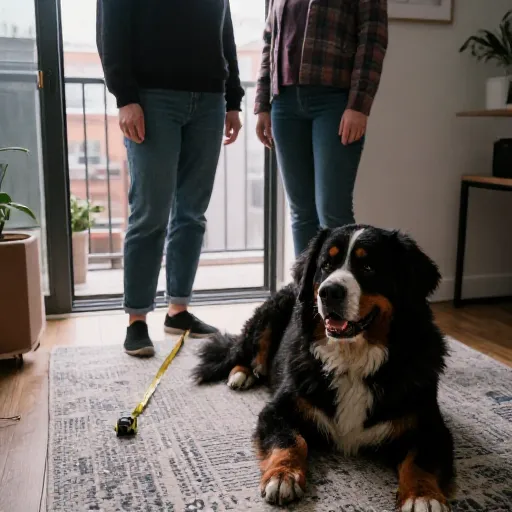
Ask yourself: can you physically handle this dog? A 100-pound dog that pulls on the leash can be a real hazard. If you’re not strong or confident, a determined large dog can easily drag you down the street. This is a serious safety consideration, especially if you have kids or elderly family members.
Also, think about the lifespan. Large dogs don’t live as long as small ones. It’s a heartbreaking truth. They age faster, and their senior years can come with mobility issues. You’re committing to caring for a big dog through all stages of life, from the rambunctious puppy years to the slow, gentle golden years.
3. Research the Breed’s True Energy Level
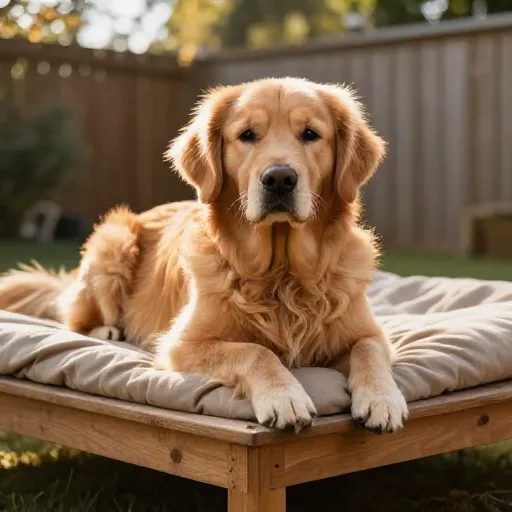
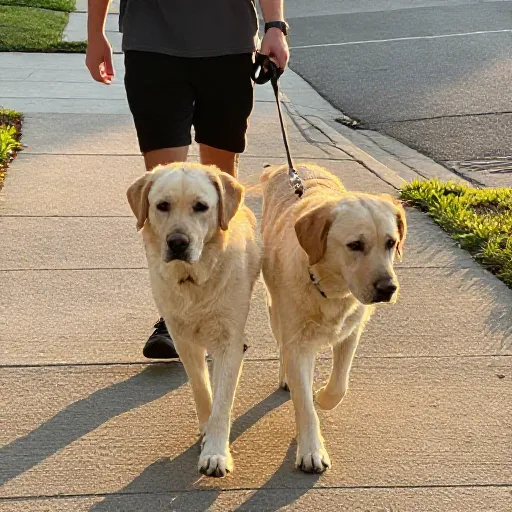
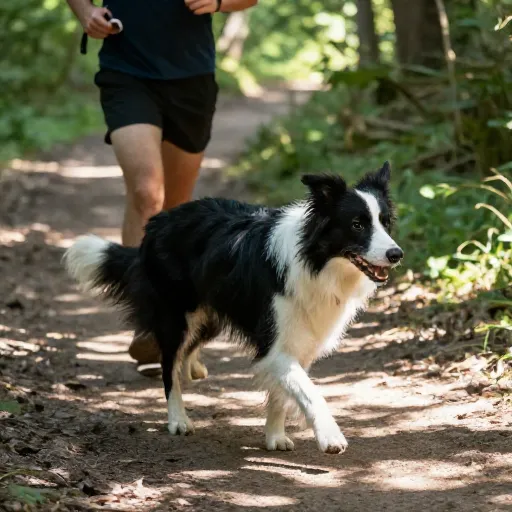
“Large” doesn’t automatically mean “hyper,” but it also doesn’t mean “couch potato.” Some big breeds, like the Bernese Mountain Dog, are happy to lounge around after a moderate walk. Others, like the Weimaraner or the Border Collie (if you get a large one), need hours of intense exercise every single day.
Think about your own activity level. Are you a marathon runner or a weekend stroller? A high-energy dog will quickly become destructive if they’re bored. They’ll chew your furniture, dig up your garden, and bark at everything. Matching your energy to theirs is one of the most important things you can do.
Don’t just trust the breed description you read online. Talk to real owners, visit a dog park, and watch how different breeds play. The difference between a working line and a show line can be huge. It’s worth the time to really understand what you’re signing up for.
4. Consider the Grooming and Shedding Reality
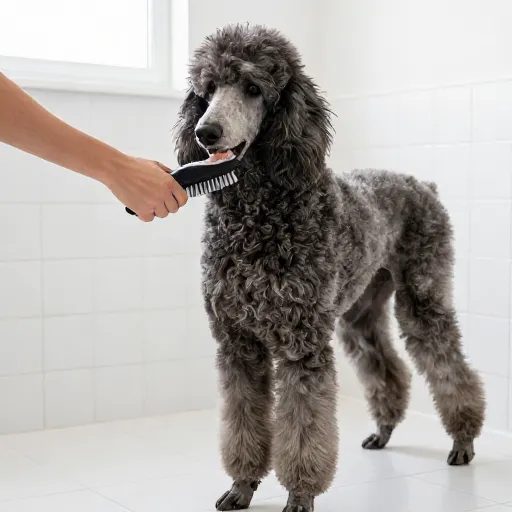
Let’s talk about fur. Big dogs have a lot of it. Some, like the Siberian Husky, have a thick double coat that blows out twice a year. You’ll have tumbleweeds of fur rolling across your floor. Others, like the Poodle or Portuguese Water Dog, are more hypoallergenic but need regular professional grooming.
Before you fall in love with a fluffy face, think about your tolerance for shedding. Are you okay with dog hair on your couch, your clothes, and yes, even in your coffee? If not, you might want to look at shorter-coated breeds or be prepared to vacuum every single day.
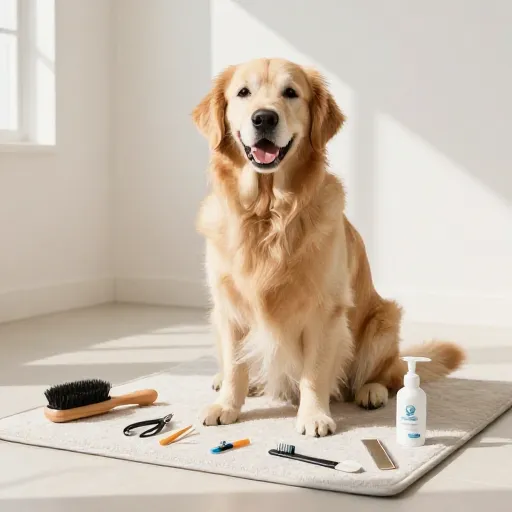
Grooming isn’t just about looks; it’s about health. Large dogs need their nails trimmed regularly, their ears cleaned, and their coats brushed to prevent mats. This is either a time commitment you make at home or a regular expense at the groomer. It’s a small thing, but it adds up.
5. Budget for the “Big Dog Tax”
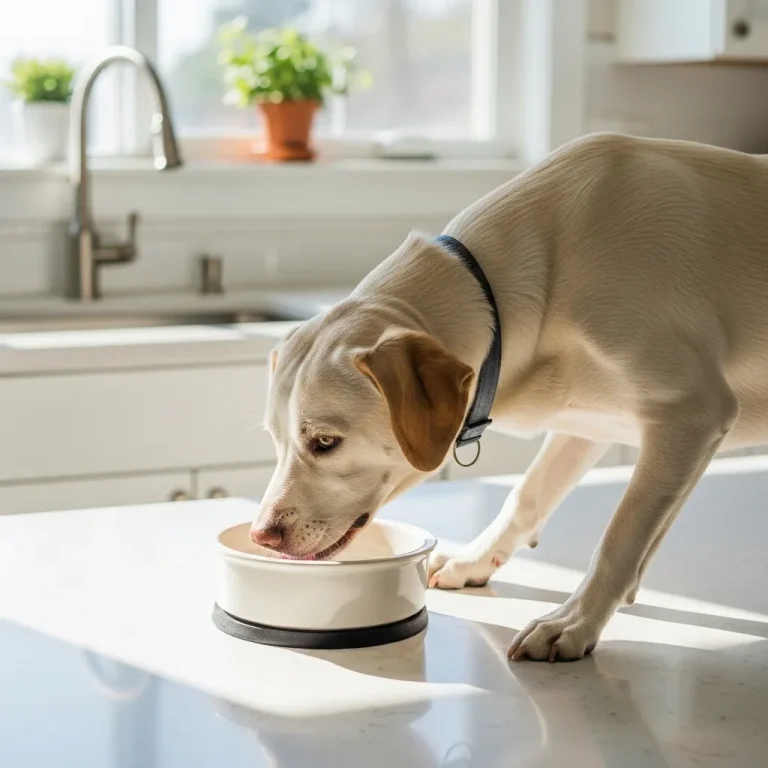
I like to call it the “big dog tax.” Everything is more expensive for a large breed. Food, medication, beds, crates, even toys need to be bigger and sturdier. A 50-pound bag of high-quality kibble disappears quickly when you have a 90-pound dog.
Vet bills are where the big dog tax really hits. Larger dogs often need higher doses of medication, which costs more. They’re also prone to specific health issues like hip dysplasia, bloat, and certain types of cancer. Pet insurance is something you should seriously consider to help with those unexpected costs.
Beyond the basics, think about the little things. Giant dog beds are pricey. A heavy-duty crate is an investment. Even a simple leash and collar need to be made with stronger materials. It’s not just about the initial adoption fee; it’s a long-term financial commitment.

6. Prioritize Early Training and Socialization
Training a 20-pound dog that pulls is a minor annoyance. Training a 100-pound dog that pulls is a serious problem. Early obedience training is non-negotiable for large breeds. You need a dog that walks nicely on a leash and comes when called, period.
Socialization is just as important. A small dog that’s scared of strangers can be picked up. A large dog that’s scared might react with aggression because they feel threatened. Getting your puppy out and about, meeting different people, dogs, and sounds, is crucial for building a confident, well-adjusted adult.
Don’t skimp on this. Even if you’re an experienced dog owner, a professional trainer can be a game-changer for a large breed. They can help you with leash reactivity, impulse control, and all the little things that make a big dog a joy to be around, rather than a handful.
7. Think About Kids and Other Pets
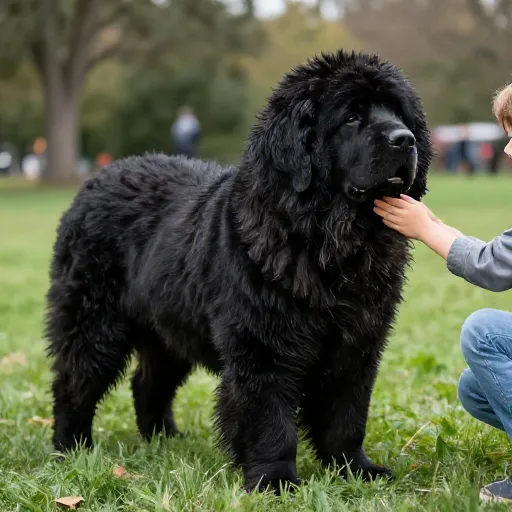
If you have kids, you need to choose a breed known for being gentle and patient. Some large breeds are fantastic family dogs, but others have a high prey drive or are too boisterous for small children. A clumsy, excited puppy can easily knock over a toddler.
It’s not just about the breed, though. It’s about the individual dog. If you’re adopting an adult dog, ask about their history with children. If you’re getting a puppy, be prepared to teach them boundaries. A big dog needs to learn that the kids are not littermates to wrestle with.
Consider your other pets, too. Some large breeds have a strong instinct to chase cats or small animals. It’s possible to have a harmonious multi-pet household, but it takes careful management and the right match. Don’t set yourself up for failure by choosing a breed with a high prey drive if you have a pet rabbit.
8. Prepare for the Food Bill
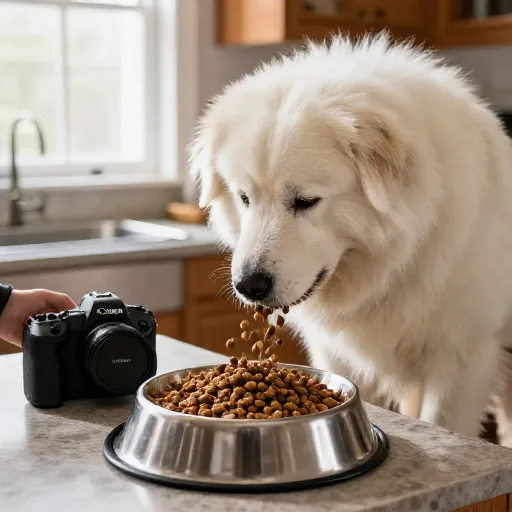
This deserves its own section because it’s a recurring cost that surprises many people. A large breed dog doesn’t just eat more; they need specific nutrition to support their growing bones and joints. That means buying high-quality, large-breed-specific dog food, which is more expensive.
You’ll be buying food in bulk. I’m talking 30 to 40-pound bags, sometimes more. And if you have a giant breed like a Mastiff or a Saint Bernard, you might go through that bag in a few weeks. It’s a constant trip to the store and a constant line item in your grocery budget.
Don’t forget the treats! Training treats, chew bones, and puzzle toys all add up. A big dog needs big chews to keep their jaws busy, and those are not cheap. It’s a small thing, but it’s part of the overall cost of caring for a large dog.
9. Choose Your Breeder or Rescue Wisely
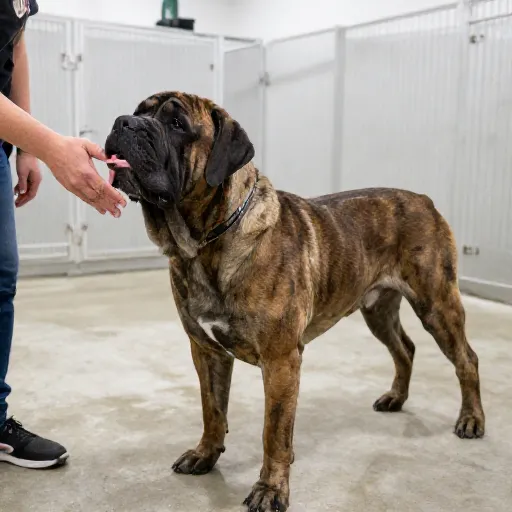
Where you get your dog matters a lot. If you’re going with a breeder, do your homework. A responsible breeder will health-test their dogs and be happy to show you the results. They’ll care about the breed’s future, not just making a sale. Avoid anyone who has puppies always available or won’t let you visit.
If you’re rescuing, this is an amazing option. There are so many wonderful large dogs looking for homes. But be honest about your experience level. A rescue dog might come with some baggage that needs a patient, confident owner. Ask the rescue staff about the dog’s temperament and any known issues.
Don’t be in a hurry. The right dog is out there, but you might have to wait. A good breeder might have a waiting list, and a good rescue might not have the perfect match right away. The wait is worth it to find a dog that fits your life and your heart.
10. Plan for the Lifespan and Senior Care
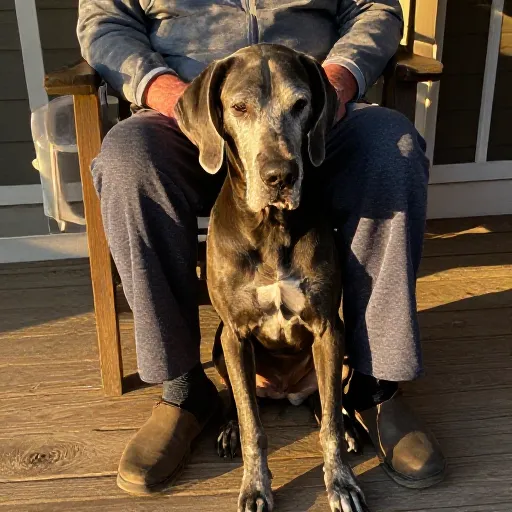
This is the hard part that nobody likes to talk about. Large dogs have shorter lifespans than small dogs. A Great Dane might only live 7 to 10 years, while a small Chihuahua can live 15 to 20. You need to be emotionally prepared for a shorter time together.
Senior large dogs have specific needs. They can develop arthritis, which makes it hard for them to get up and down. You might need ramps for the car, orthopedic beds, and special supplements. They might also need help with mobility and become incontinent. This is where your commitment really matters.
It’s a beautiful, heartbreaking journey. You’re giving them a wonderful life, and they give you everything in return. Just know that the end can come sooner than you expect. Make the most of every year, every walk, and every cuddle session. It’s worth it.
Final Thoughts
Choosing a large dog breed is a decision that will change your life in the best way. It’s a lot of work—the training, the cleaning, the cost—but the reward is a loyal, loving companion that fills your home and your heart. There’s nothing quite like the bond you share with a big dog.
Take your time, do your research, and be honest with yourself about what you can handle. If you put in the effort, you’ll be rewarded with years of slobbery kisses, warm cuddles, and the kind of unconditional love that only a big, goofy dog can give. You’ve got this!
Frequently Asked Questions
What is the best large dog breed for a first-time owner?
For a first-timer, you want a breed that’s eager to please and not too stubborn. Golden Retrievers, Labrador Retrievers, and Standard Poodles are great choices. They’re smart, trainable, and generally have wonderful temperaments.
How much exercise does a large dog really need?
It depends on the breed, but most large dogs need at least 1 to 2 hours of exercise a day. That’s a good mix of walks, playtime, and mental stimulation. High-energy breeds might need more, while more laid-back breeds might be fine with less.
Is it cruel to keep a large dog in an apartment?
Not necessarily. It’s more about the dog’s energy level than the size of your home. If you can provide enough daily exercise and mental stimulation, a large dog can be happy in an apartment. A fenced yard is a bonus, not a requirement.
What are the most common health issues in large dogs?
Large breeds are prone to hip and elbow dysplasia, bloat (a life-threatening stomach condition), and certain types of cancer. They can also have heart issues. Regular vet check-ups and a healthy lifestyle can help mitigate some of these risks.
Should I get pet insurance for a large dog?
I would strongly recommend it. Large dogs have higher vet bills, and the cost of treating a major issue like bloat or cancer can be thousands of dollars. Insurance can give you peace of mind and help you make decisions based on your dog’s health, not your wallet.