6 Tips to Discipline Your Dog: The Loving Way to Teach Respect

Discipline isn’t about punishment. It’s about communication, boundaries, and love. When you bring a dog into your life, you’re not just training them — you’re building a relationship. And like any strong relationship, it requires understanding, patience, and mutual respect. If you’re wondering how to discipline your dog in a way that strengthens your bond rather than damages it, you’re already on the right path.
Because the truth is, dogs don’t misbehave out of malice. They explore, react, and express themselves in the only way they know how. Your role isn’t to dominate — it’s to guide.
Discipline Begins with Understanding
Before you discipline your dog, you need to understand why they’re doing what they’re doing. Is your pup chewing the furniture? Maybe they’re bored. Barking constantly? They could be anxious or trying to alert you to something. Pulling on the leash? They’re just excited and haven’t learned the rules yet.
When you approach discipline with curiosity instead of frustration, you become a teacher instead of a tyrant. And dogs — like people — respond far better to guidance than fear.

Consistency is Key
Imagine trying to follow rules that change every day. One minute you’re allowed on the couch, the next you’re scolded for it. This kind of inconsistency confuses dogs and weakens your communication.
To effectively discipline your dog, you must be consistent in your responses. If jumping up on guests isn’t allowed, it can’t be allowed sometimes and punished others. Use the same cues, the same tone, and the same calm energy every time.
And remember — everyone in the household has to be on the same page. Dogs don’t do well with mixed messages.
Discipline is Not Yelling
Raising your voice might get your dog’s attention, but it won’t teach them anything. In fact, it may scare them or confuse them. Dogs don’t understand human anger — they understand body language, tone, and timing.
If you really want to discipline your dog in a way that makes sense to them, use a firm but calm tone. Interrupt the behavior with a cue word like “No” or “Ah-ah,” and then redirect their energy toward something positive — a toy, a command, or praise-worthy action.
You’re not punishing. You’re redirecting, and that small shift in mindset changes everything.
Positive Reinforcement Works Wonders
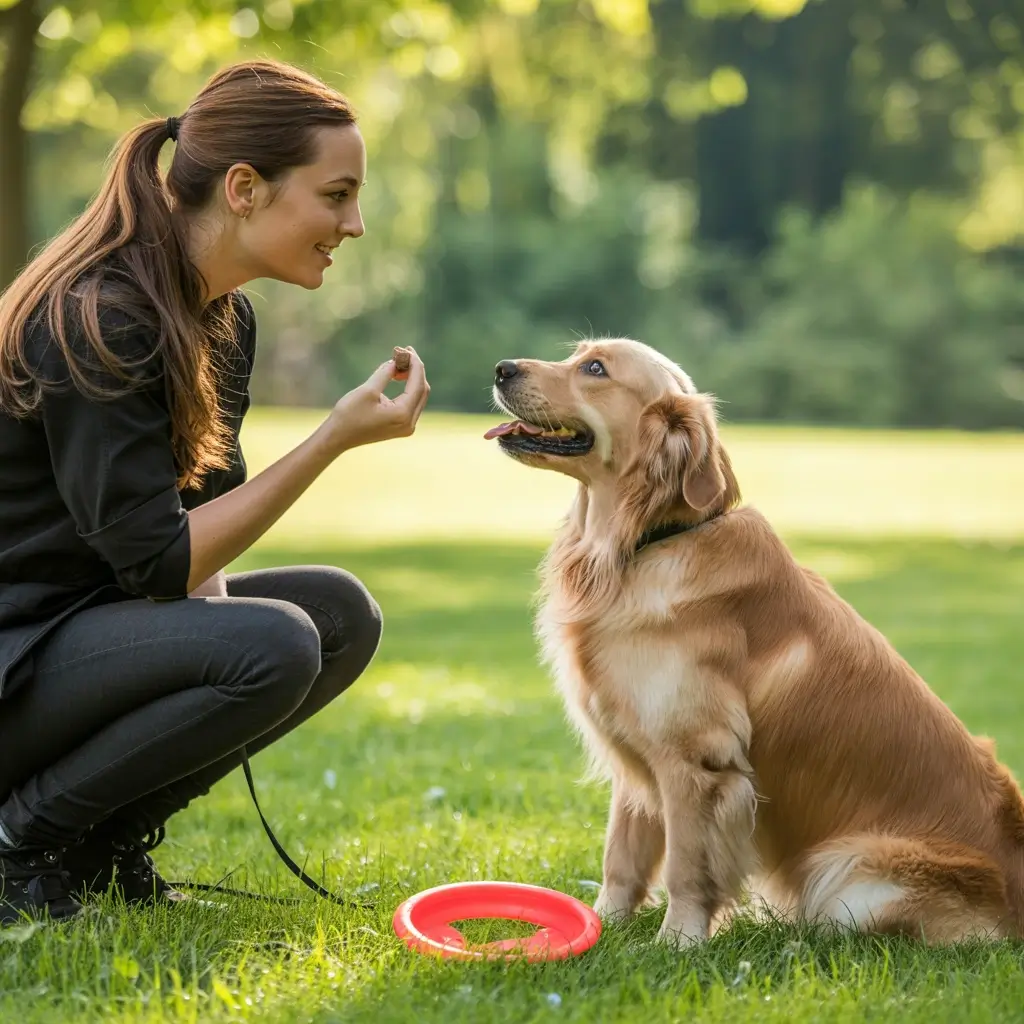
One of the most powerful ways to discipline your dog is actually by rewarding the good, not just correcting the bad. Praise them when they sit calmly. Offer a treat when they obey a command. Pet them when they stop barking on cue.
Dogs thrive on approval and affection. They want to please you — they just need to know what pleases you. The more you celebrate good behavior, the more you’ll see it.
Timeouts Work Better Than Fear
If your dog is being too wild, nipping too much, or just needs to reset, a short timeout works wonders. No yelling, no grabbing — just calmly remove them from the environment for a few minutes. This teaches them that certain behaviors mean losing access to attention or play.
It’s a clear, non-threatening consequence that helps dogs understand boundaries without damaging trust.
Discipline is a Form of Love
To discipline your dog effectively, you must believe this: setting boundaries is an act of love. You’re not doing it to control them — you’re doing it to protect them, to help them grow, to teach them how to live safely and happily in your world.
And when it’s done with kindness, consistency, and compassion, your dog doesn’t just learn commands — they learn to trust you. They look to you for guidance. They respect you not out of fear, but out of deep affection.
Final Thoughts
Learning how to discipline your dog is about more than obedience. It’s about building a language between two species — one rooted in respect, love, and patience.
Your dog isn’t trying to frustrate you. They’re trying to understand. And every time you respond with calm leadership instead of anger, you teach them more than rules — you teach them they’re safe with you.
Because in the end, discipline isn’t what pushes your dog away. When done with heart, it’s what brings them even closer.