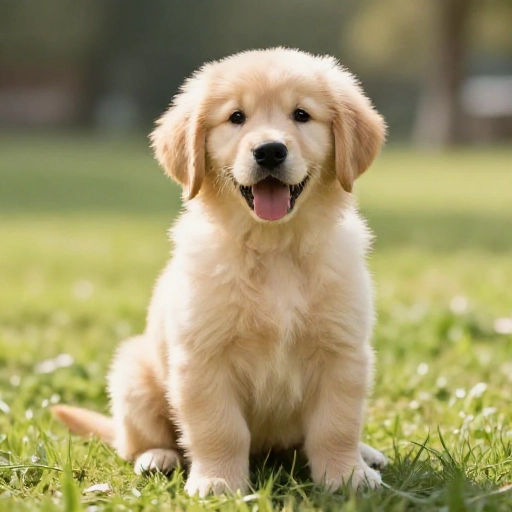
Dog Anxiety Symptoms and Solutions Guide From Real Life
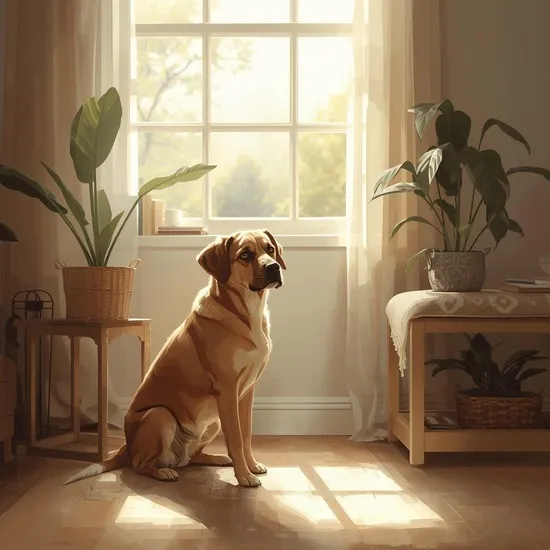
Understanding Dog Anxiety and Why It Happens
When I first noticed my dog acting differently, I didn’t realize anxiety could show up in so many quiet ways. Dog anxiety symptoms often start small, like restlessness, pacing, or following you everywhere. I learned that anxiety can come from changes in routine, loud noises, past trauma, or even boredom. Dogs thrive on predictability, so sudden shifts can really shake their confidence. Understanding the root of dog anxiety helped me stop blaming bad behavior. Instead, I began seeing fear behind the actions. That mindset change made all the difference for us.
As I dug deeper into dog anxiety symptoms and solutions, I realized my dog wasn’t being stubborn at all. He was overwhelmed and didn’t know how to cope. Separation anxiety, noise anxiety, and social anxiety all look different, but they share the same emotional stress. Dogs don’t have words, so their bodies do the talking. Once I accepted that anxiety was the problem, not obedience, I could finally help him. This awareness alone brought so much relief into our home.
Common Dog Anxiety Symptoms You Should Never Ignore
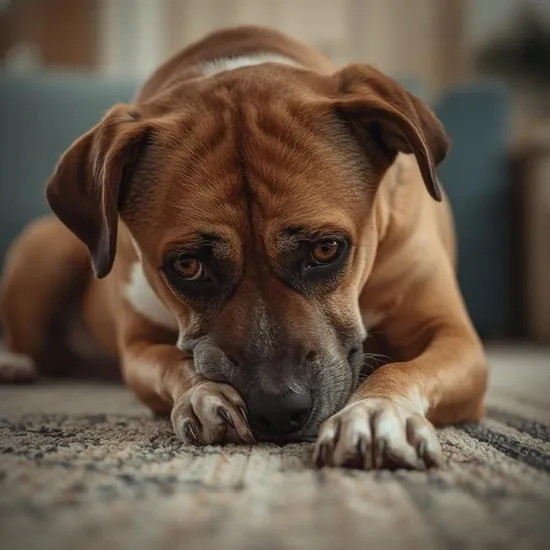
Some dog anxiety symptoms are obvious, while others are surprisingly subtle. Excessive barking, chewing furniture, or having accidents indoors were early red flags for us. My dog also yawned a lot, licked his paws, and avoided eye contact when stressed. These signs are easy to miss if you don’t know what to look for. Over time, I noticed trembling and hiding during storms or loud sounds. Recognizing these patterns helped me act sooner instead of reacting later.
One thing I learned the hard way is that ignoring dog anxiety symptoms only makes them worse. Anxiety doesn’t fade on its own when the cause is still present. Dogs may shut down emotionally or become destructive to release stress. That behavior isn’t rebellion, it’s communication. Paying attention early saved my dog from deeper emotional distress. It also saved our bond from unnecessary frustration.
Natural Solutions That Helped Calm My Anxious Dog
Finding gentle dog anxiety solutions became my main focus after understanding the symptoms. I started with simple changes like structured routines and daily walks at the same time. Physical exercise burned off nervous energy and improved his mood fast. I also created a safe space where he could retreat without being disturbed. Soft music and calming scents helped more than I expected. These small steps slowly rebuilt his sense of security.
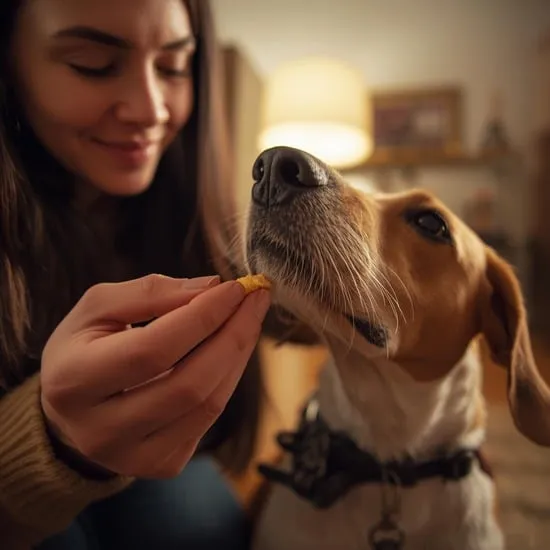
Positive reinforcement played a huge role in managing dog anxiety symptoms and solutions together. Rewarding calm behavior instead of correcting fear-based actions made him feel safe. I avoided punishment completely because it only increased stress. Mental enrichment like puzzle toys and training games boosted his confidence daily. Consistency mattered more than perfection. With patience, I saw real emotional healing happen.
When to Seek Extra Help and What Finally Worked
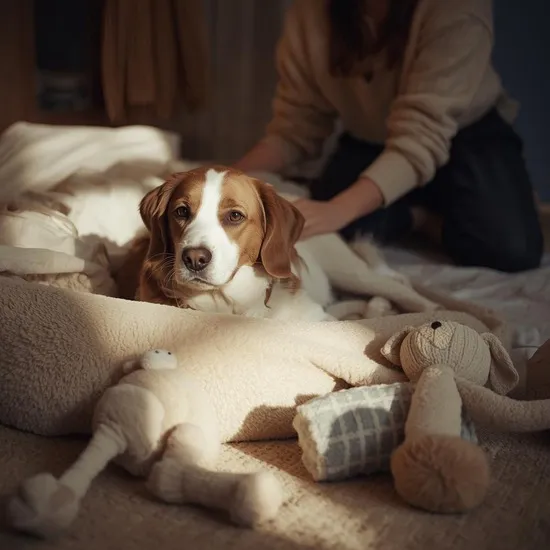
There came a point when home solutions weren’t enough on their own. Severe dog anxiety symptoms may need professional guidance, and that’s okay. A trainer helped me read my dog’s body language more clearly. We also spoke with a vet to rule out health issues that can worsen anxiety. Knowing support was available made me feel less alone. My dog responded better once his care was fully personalized.
The biggest lesson from this dog anxiety symptoms and solutions guide is that healing takes time. There was no overnight fix, but steady progress felt incredibly rewarding. Trust grew slowly, day by day, through understanding and compassion. My dog is calmer, happier, and more confident now. Most importantly, our bond is stronger than ever. Helping him through anxiety taught me patience I didn’t know I had.