Doggy Door Ideas for Large Dogs: Custom Solutions That Actually Work
Let’s be honest—when you have a big dog, nothing about your home is exactly “standard.” Doggy doors are no exception. The flimsy plastic flaps from the big-box store? They’re a joke to a 100-pound Lab. I learned this the hard way when my Great Dane mix, Moose, decided the “large” sized door was actually just a suggestion. He wedged himself through, looked at me like I was the problem, and then scratched the frame to splinters.
If you’re in the same boat, you know the struggle. You need a door that’s tall enough for a deep chest, wide enough for broad shoulders, and sturdy enough to survive a canine bulldozer. The good news? You don’t have to settle for a drafty, flimsy flap. There are some seriously smart, custom, and even stylish ways to give your big pup their independence without wrecking your home or your heating bill.
Here are ten custom doggy door solutions that are actually built for the big guys. No more squeezing, no more broken flaps—just a door that works as hard as your dog plays.
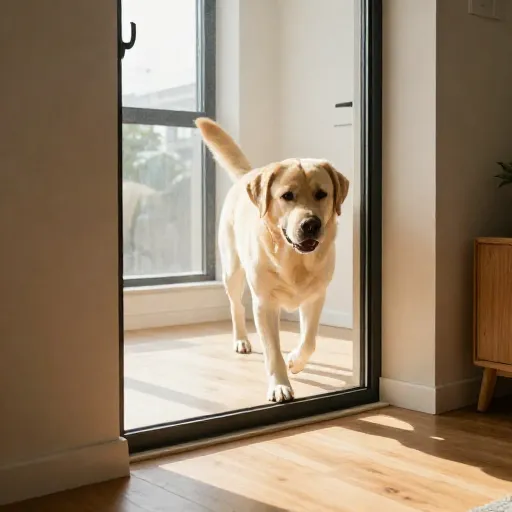
1. The Wall-Mounted Sliding Glass Panel Insert
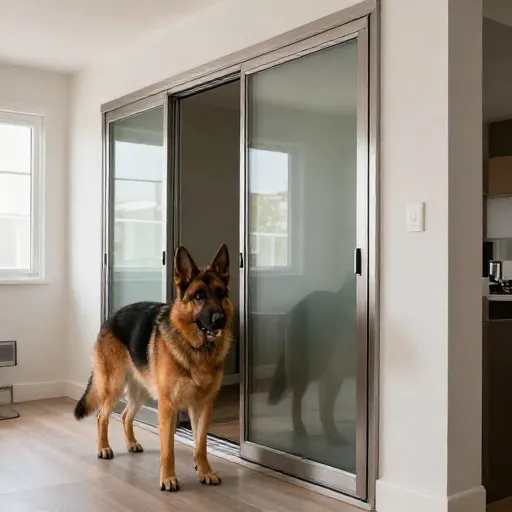
If you have a sliding patio door, this is the easiest upgrade you’ll ever make. Instead of cutting a hole in your wall or door, you replace the glass panel with a custom insert. These are basically a new pane of glass with a dog door built right into the bottom.
The best part? You can order them with a tall threshold and a wide flap. Most inserts come in aluminum or vinyl frames that match your existing sliding door. It’s a clean, professional look that doesn’t permanently alter your home—you can pull it out when you move.
I recommend looking for one with a “pet door” that swings both ways but has a magnetic seal. That keeps the weather out and prevents Moose from walking in with a gust of cold air.
2. The Custom-Framed Wall Cutout
For the truly permanent solution, a wall cutout is the gold standard. You pick the exact spot—usually in a mudroom, laundry room, or side wall—and have a contractor frame out the opening. This lets you choose the exact height and width, which is crucial for giant breeds.
For a large dog, you want the opening to be at least 12 inches wide and 18 inches tall, but honestly, I’d go bigger. Measure your dog from the floor to the top of their shoulders and add a few inches. The goal is to let them walk through without ducking their head.
Once the frame is in, you can install a heavy-duty aluminum or steel door. This is the “no-compromise” option. It’s expensive, but it’s also the most functional and secure thing you can do for a big dog.
3. The “Flap-Free” Door with a Vinyl Strip Curtain
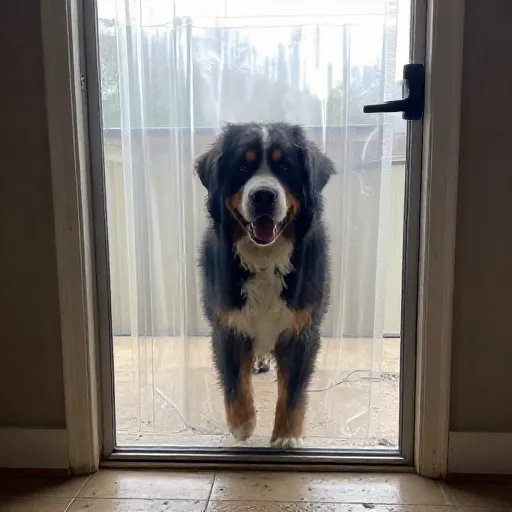
Some giant dogs are terrified of the plastic flap. I’ve seen it a hundred times. They stick their nose out, get bopped on the snout, and then refuse to use the door for a week. The fix? Ditch the flap entirely.
Instead, use a PVC strip curtain (the kind you see in commercial freezers) inside a framed opening. The strips are heavy-duty and split down the middle, so your dog just walks right through. There’s no resistance, no scary flap, and no noise.
This is a fantastic DIY option if you have a wall cutout or a large window frame you’re repurposing. You can buy the strips in bulk and cut them to length. The downside? It doesn’t seal perfectly, so it’s better for milder climates or garages.
4. The Electronic Microchip Door (With a Bigger Frame)
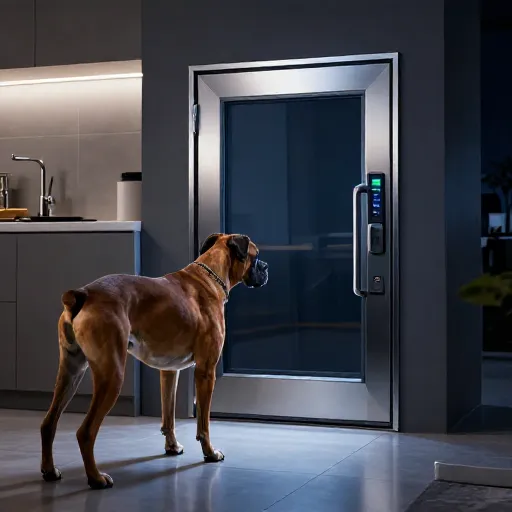
We all know the standard electronic doors are usually too small for a mastiff. But here’s the secret—you can buy the electronic sensor kit separately and install it into a larger custom frame. This gives you the security of a lockout feature with the size your dog needs.
You basically build or buy a large wooden or aluminum frame, then mount the smart sensor onto the side. The door stays locked until your dog’s microchip or collar tag triggers it. This is amazing if you have a dog who likes to wander and you want to keep them in at night.
Just be careful with the installation. The sensor needs to be aligned perfectly. But once it’s up, it’s the ultimate “smart home” feature for a big pup.
5. The Door-Mounted Aluminum Insert
If you have a standard wooden exterior door but don’t want to replace the whole thing, you can buy a heavy-duty aluminum panel that replaces the bottom of the door. This is different from cutting a hole in the door—you actually remove the lower section and bolt in a metal panel with a dog door.
This is a serious upgrade over the plastic “cut a circle” kits. The aluminum is insulated and won’t warp. Plus, it looks like it belongs there, not like a hack job. For a large dog, you can get a panel with a door that’s nearly 20 inches tall.
Installation is a bit tricky because you have to cut the door skin and fill the void, but any decent handyman can do it. It’s a great middle-ground between the cheap plastic and the full wall cutout.
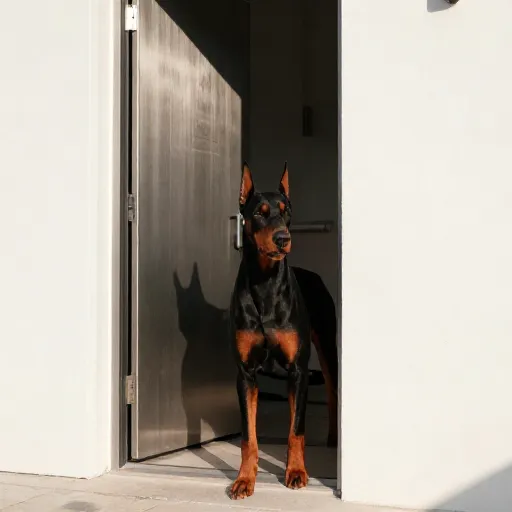
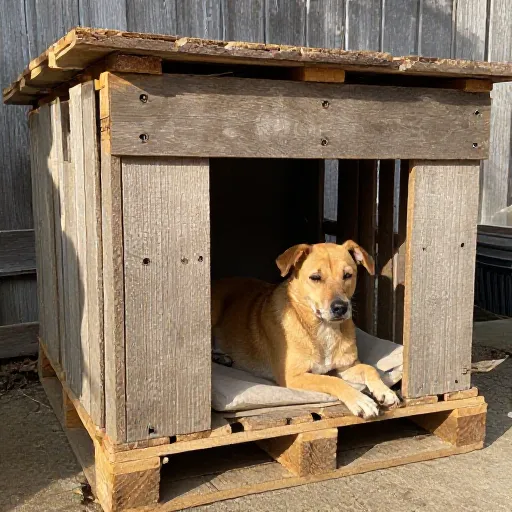
6. The DIY Plywood Tunnel with a Ramp
For dogs with mobility issues—like a senior Great Dane with hip problems—a step down through a door is painful. A custom tunnel solves this. You build a wooden box that extends from the inside floor to the outside ground, creating a flat, level tunnel.
This is a bigger project, but the payoff is huge. You’re essentially building a small doghouse passage that’s flush with the ground. You can insulate the walls and roof to keep the cold out. The inside is smooth, so your dog’s paws don’t get caught on anything.
It’s not pretty, but it’s functional. I’ve seen people make these look great by painting the wood to match the house and adding a small roof over the exterior opening to keep rain out.
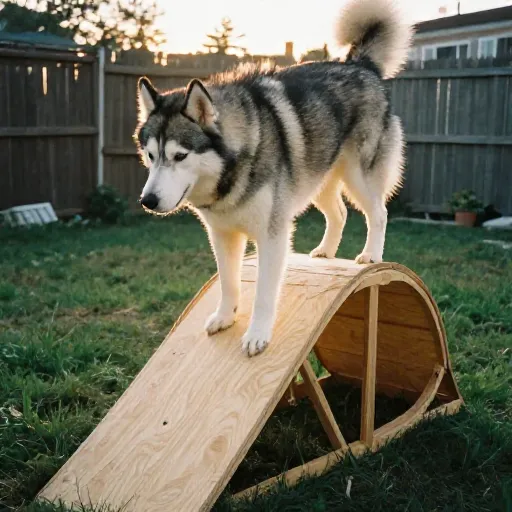
7. The Double-Flap Insulated System
Big dogs lose a lot of heat. If you live in a cold climate, a single flap is a draft machine. The custom solution is a two-flap system with an air gap between them. The dog pushes through the first flap, enters a small vestibule, and then pushes through the second flap.
You can buy these as pre-built units or build the vestibule yourself. The air pocket between the flaps acts as an insulator. It’s like an airlock for your house. I’ve seen a massive reduction in my heating bill since switching to this setup.
Make sure the flaps are heavy rubber, not thin vinyl. The heavy rubber bounces back quickly and seals tight, which is exactly what you need with a dog that barrels through at full speed.
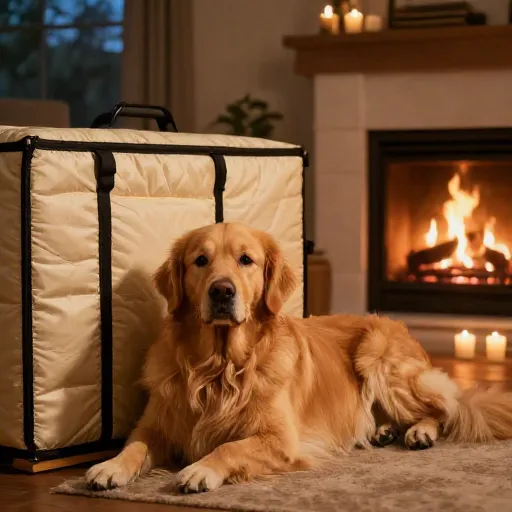
8. The Security-Reinforced Door with a Locking Bolt
Let’s talk about security. A big doggy door is an open invitation for wildlife—or worse. The custom solution is a door with a steel security plate and a manual locking bolt that slides into the frame. You want something that a raccoon or a burglar can’t just push open.
These doors usually have a clear plastic flap on the inside and a heavy steel grate on the outside. The grate swings with the flap, so your dog can push it, but a paw or a crowbar can’t get in. This is a must-have if you live near a wooded area.
I use one that has a key lock on the interior. When I go to bed, I slide the bolt closed. Moose knows that when the lock is on, he’s not going out until morning. It gives me total peace of mind.
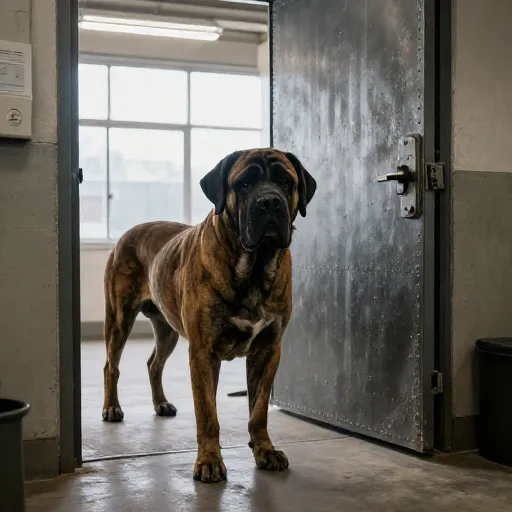
9. The Sliding Window Insert for Odd Heights
If your wall space is limited or your door is too narrow, look at your windows. A sliding window insert works just like the sliding glass door version, but it’s smaller. You can install it in a window that’s at ground level or on a raised deck.
This is a clever hack for elevated homes. You can place it in a side window that leads to a fenced area. You just need to make sure the height is accessible—build a small step or platform on the outside.
The key here is measuring the window track width, not the glass. The insert slides right into the track and locks in place. It’s a rental-friendly option because you can remove it and put the original window back.
10. The Custom Doggy Door with a “Draft Stopper” Brush Seal
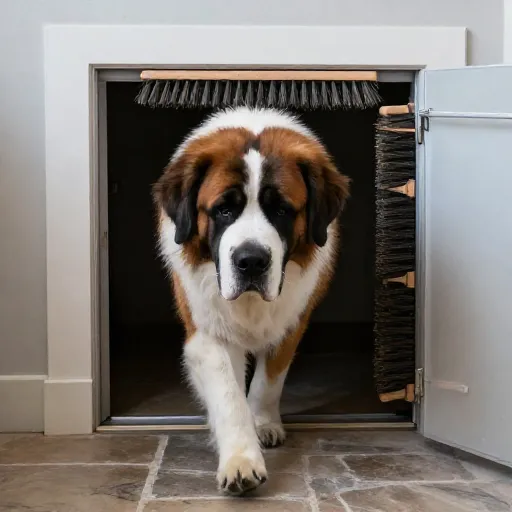
Finally, let’s talk about the finishing touch. Even a great door will leak air around the edges. The custom solution is to install brush seals around the entire frame. These are the same bristles you see on the bottom of commercial doors, but you can buy them in strips.
This is a simple DIY upgrade that makes a huge difference. The bristles flex as your dog walks through, but they spring back to block the gap. It stops drafts, dust, and bugs all at once.
Pair this with a heavy flap, and your doggy door will feel almost as tight as a closed wall. It’s the kind of detail that makes a custom door feel truly premium.
Conclusion
Finding the right doggy door for a large dog isn’t about buying the biggest one off the shelf. It’s about thinking about how your dog moves, how your house is built, and how much you value your heating bill. Whether you go for a full wall cutout, a smart microchip system, or a simple DIY tunnel, the goal is the same—give your big buddy freedom without sacrificing your home’s comfort.
Take the time to measure twice and think about the weather. A little bit of planning now will save you from a drafty house and a frustrated dog later. Your dog doesn’t care if it’s fancy or functional, but they will appreciate being able to come and go with dignity—no more squeezing through a door that’s clearly too small.
FAQ: Doggy Door Ideas for Large Dogs
Q: How do I measure my dog for a custom doggy door?
Measure from the floor to the top of their shoulders (withers) and add 2-3 inches for clearance. For width, measure the widest part of their chest and add 3-4 inches. Don’t measure their head; their chest is always wider.
Q: Is it better to put a doggy door in a wall or a door?
A wall cutout is better for very large dogs because you have more space to work with. A door-mounted insert is easier to install but might be too narrow for giant breeds. If you have a sliding glass door, the insert is the easiest and most reversible option.
Q: Will a big doggy door make my house cold?
It can, but it doesn’t have to. Look for doors with insulated flaps, magnetic seals, and brush seals around the edges. Double-flap systems or a vestibule design are best for cold climates. You can also add a curtain or a draft stopper on the interior side.
Q: Can I install a custom doggy door myself?
It depends on the type. Sliding door inserts and window inserts are very DIY-friendly. Wall cutouts and door replacements are better left to a contractor unless you’re very handy with framing and drywall. If you have a dog that’s over 80 pounds, I’d recommend paying a pro to ensure the frame is solid.
Q: How do I stop my large dog from being scared of the flap?
Prop the flap open with a piece of tape for the first few days. Let them walk through without touching it. Then, gradually lower it. For some dogs, it helps to remove the flap entirely and use a PVC strip curtain. Be patient and reward them with treats every time they go through.