Pee-Yew! How to Remove Pet Urine Smell Out of Carpet (For Good)
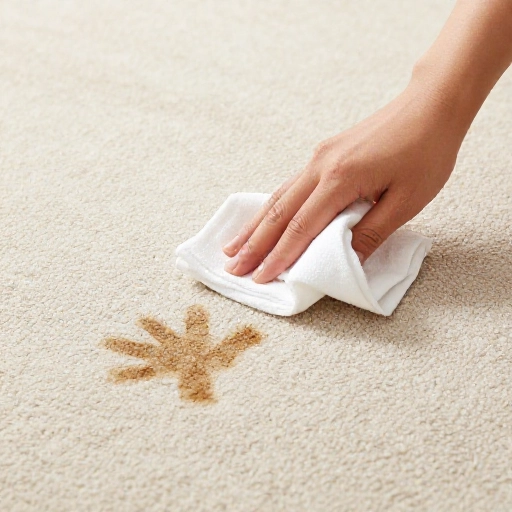
Let’s be real—being a pet parent is amazing until you walk into a room and get hit with that unmistakable, sour ammonia smell. You’ve scrubbed, you’ve sprayed, but that stubborn odor just lingers. It’s not just embarrassing when guests come over; it actually signals that your carpet fibers are holding onto tiny crystals of dried urine.
I’ve been there more times than I can count, and I’ve learned that simply masking the smell with Febreze or perfume only makes it worse (trust me, I tried). The trick is to break down the urine at a molecular level. Here are my 10 most effective, budget-friendly methods to banish that odor from your carpet for good. No fancy machines required, just a little patience and some common household ingredients.
1. Blot, Don’t Rub—The Emergency First Step
When you catch your pet in the act, your first instinct is to grab a rag and scrub. Stop right there. Rubbing pushes the urine deeper into the carpet pad and spreads the stain. Instead, grab a stack of old towels or paper towels, place them over the wet spot, and press down firmly.
Put your weight into it—stand on the towels if you have to. The goal is to absorb as much liquid as possible before it dries. Keep using fresh towels until the spot feels just damp, not soaking wet. This single step can cut the smell time in half.
Pro tip: For stubborn spots, place a heavy object like a book on top of the towels and let it sit for 15 minutes.
2. The Classic Baking Soda Overnight Soak
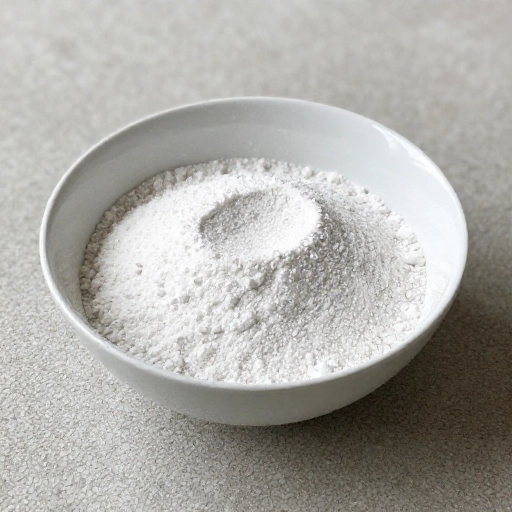
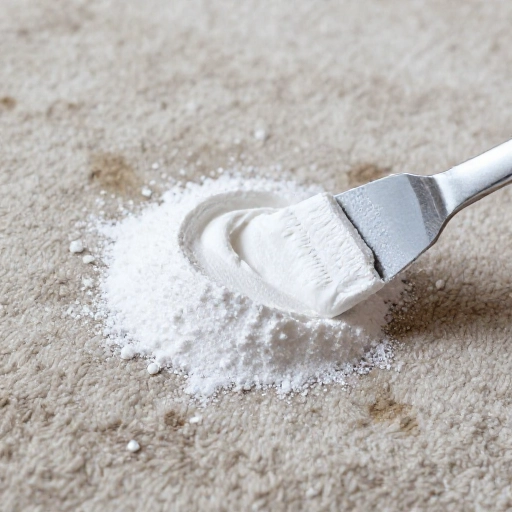
Baking soda is basically a magic eraser for smells. It’s cheap, non-toxic, and works by neutralizing odor molecules rather than covering them up. Once the urine spot is dry (or as dry as possible), generously sprinkle a thick layer of baking soda over the entire area.
Let it sit for at least 8 hours—overnight is best. The longer it sits, the more odor it absorbs. In the morning, vacuum it up thoroughly. You’ll be shocked at how much less the spot smells. For really old, set-in stains, you might need to repeat this twice.
Don’t skimp on the baking soda. Use enough to make a white, powdery mountain.
3. Vinegar and Water—The Simple Neutralizer
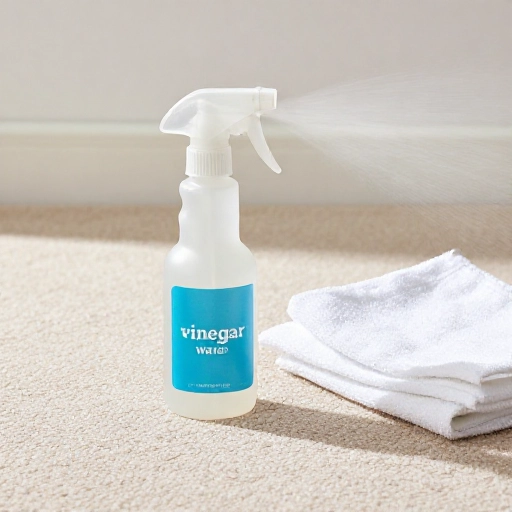
White vinegar is a powerhouse when it comes to breaking down the alkaline salts in dried urine. Mix one part white vinegar with one part warm water in a spray bottle. Mist the affected area lightly—don’t soak it. Let it bubble and fizz for about 5 minutes.
After that, blot the area with a clean cloth to lift the vinegar and dissolved urine residue. The vinegar smell might be strong at first, but it evaporates completely as it dries, taking the pet odor with it. This is my go-to for fresh accidents.
Always test a hidden carpet spot first to make sure the vinegar doesn’t discolor your carpet.
4. Hydrogen Peroxide + Dish Soap (The Heavy Hitter)
If the smell is stubborn, it’s time to bring out the big guns. In a spray bottle, mix 1 cup of 3% hydrogen peroxide with 1 teaspoon of mild dish soap (like blue Dawn). Shake gently to combine. Spray the mixture onto the stained area and let it sit for 10–15 minutes.
Hydrogen peroxide acts as an oxidizer, breaking down the organic compounds in urine. The dish soap helps lift the stain from the fibers. After 15 minutes, blot the area with a clean cloth. You’ll see the stain lift and the smell fade almost instantly.
Warning: Hydrogen peroxide can bleach some carpets, so always test in an inconspicuous spot first.
5. Baking Soda + Hydrogen Peroxide Paste for Old Stains
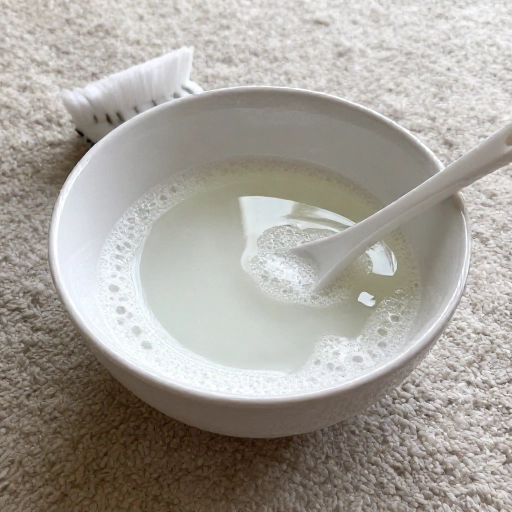
For those crusty, yellow, mystery stains you discovered under the couch, a paste works wonders. Make a thick paste by mixing baking soda with a small amount of hydrogen peroxide (just enough to make a spreadable consistency). Use a spoon or a gloved finger to spread the paste over the old stain.
Let it dry completely—this can take a few hours or even overnight. As it dries, it pulls the odor and stain up from deep within the carpet fibers. Once hard, vacuum up the dried paste. This method has saved carpets that I thought were a lost cause.
The paste will look like white clay when it’s ready to vacuum.
6. Enzymatic Cleaners—Nature’s Odor Eaters
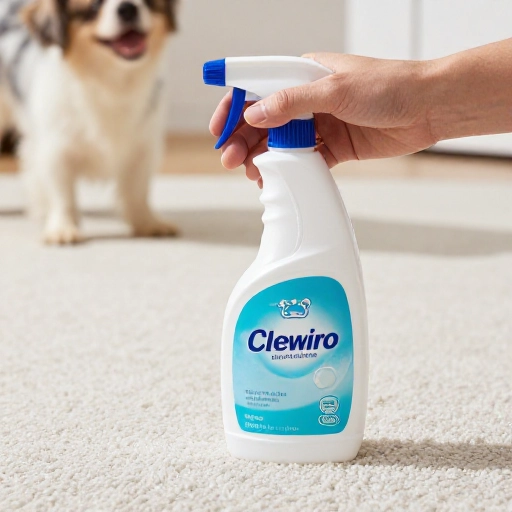
Sometimes, your nose needs a little science. Enzymatic cleaners contain beneficial bacteria that literally eat the urine proteins, breaking them down into harmless gases. They are the only thing that truly gets rid of the smell at its source, especially for cat urine.
Buy a good-quality enzymatic cleaner from the pet store (look for one that says “biological” or “enzymatic”). Saturate the stain, let it sit for 10–15 minutes according to the label, and then blot. Don’t rush the process—the enzymes need time to work.
These cleaners are especially good for sensitive noses and for preventing pets from re-marking the same spot.
7. Steam Clean Your Carpet (The Deep Clean Method)
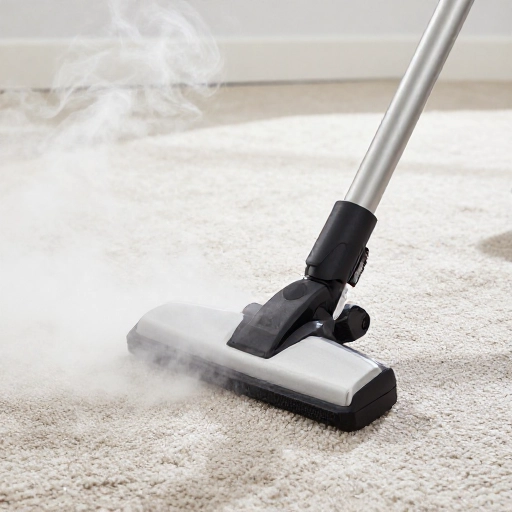
When topical sprays just aren’t cutting it, you need to go deep. A steam cleaner (or a rented carpet cleaner) uses hot water and cleaning solution to flush out urine that has soaked into the carpet pad. Fill the machine with hot water and a pet-specific carpet cleaning solution.
Go over the affected area slowly, making several passes. The machine will suck up the dirty, smelly water. Afterwards, run a few passes with just hot water to rinse out any soap residue (leftover soap can actually attract dirt). Let the carpet dry completely with fans or open windows.
This is the ultimate reset button for a carpet that has seen too many accidents.
8. The Power of Sunlight and Fresh Air
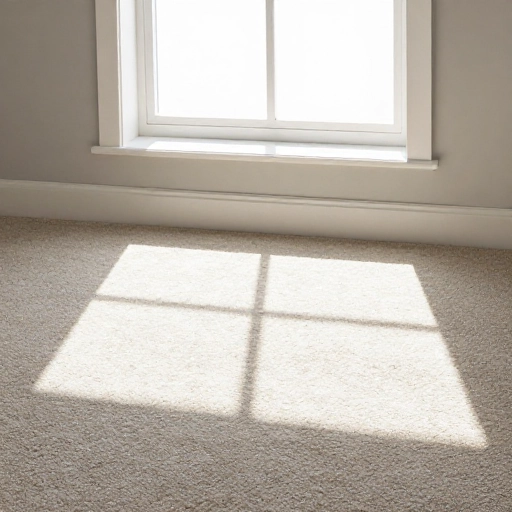
Never underestimate the power of good old UV rays. If the weather is nice and the carpet spot is in a removable rug or a section you can cut out, take it outside. Lay the rug flat in direct sunlight for a few hours. The sun naturally breaks down odor-causing bacteria and dries out moisture.
If it’s wall-to-wall carpet, open all your windows and doors to create a cross-breeze. Use a fan pointed at the damp spot. Air circulation is your best friend when it comes to drying and deodorizing. Smells love stagnant, humid air.
Sunlight is free, chemical-free, and surprisingly effective.
9. Essential Oils for a Fresh Scent (Use with Caution)
Once the urine smell is gone, you might want to leave behind a pleasant scent. Add 10–15 drops of pet-safe essential oil (like lavender or chamomile) to a spray bottle filled with water. Lightly mist the area after cleaning. Do not use tea tree, citrus, or peppermint oils, as they can be toxic to pets.
Avoid saturating the carpet with oils. A light spritz is all you need. This is purely for a final, refreshing touch—not a substitute for cleaning. I love using lavender because it’s calming for both me and my dog.
Always check with your vet before using any essential oils around your animals.
10. Prevent Future Accidents (The Long Game)
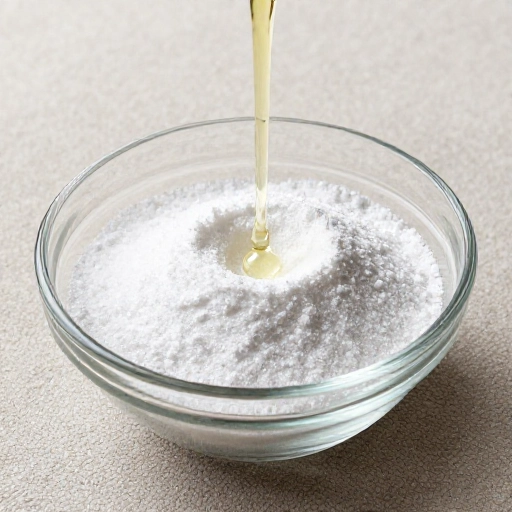
The best way to get rid of the smell is to stop it from happening again. Clean any new accidents immediately using the blot technique. Consider using a pet odor neutralizer spray on spots your pet frequents. Sometimes, a lingering smell is what makes them return to the same spot.
Also, take your pet outside more often, especially after meals and naps. If you have an older pet, consider washable pee pads. And if the carpet is beyond saving, replacing just the padding underneath can be a game-changer. Prevention is way easier than deep cleaning every week.
A clean carpet starts with a happy, well-exercised pet.
Conclusion
Getting rid of pet urine smell isn’t about magic, it’s about patience and the right technique. Start with simple absorption and baking soda, then move to vinegar or hydrogen peroxide if needed. For really stubborn odors, an enzymatic cleaner or a steam clean is your best bet. Remember, the quicker you act, the easier it is. Your nose—and your guests—will thank you. Now go enjoy that fresh-smelling home!
Frequently Asked Questions
Q1: Can I use bleach to remove pet urine smell from carpet?
No. Bleach does not neutralize urine odor and can damage your carpet fibers. It also reacts with ammonia in urine to create toxic fumes. Stick to vinegar, baking soda, or enzymatic cleaners.
Q2: Why does my carpet still smell after cleaning it with soap?
Soap often just masks the smell or leaves a residue that mixes with the urine. You need an acid (like vinegar) or an enzyme to break down the urine crystals. Rinsing thoroughly is also key.
Q3: How long does it take for an enzymatic cleaner to work?
Most enzymatic cleaners need at least 10–15 minutes of contact time to start breaking down proteins. For old stains, you might need to let it sit for 30 minutes or even overnight for best results.
Q4: Will the smell come back after I clean it?
If you don’t fully remove the urine from the carpet pad, the smell can return when humidity is high. Deep cleaning with a steam cleaner or soaking the area is often necessary for permanent removal.
Q5: Is it safe to use hydrogen peroxide on all carpet colors?
No. Hydrogen peroxide is a mild bleach. Always test it on a hidden spot first. It is generally safe for synthetic carpets but can lighten wool or natural fibers. When in doubt, use vinegar instead.