Homemade Love Cat Food Made Simple
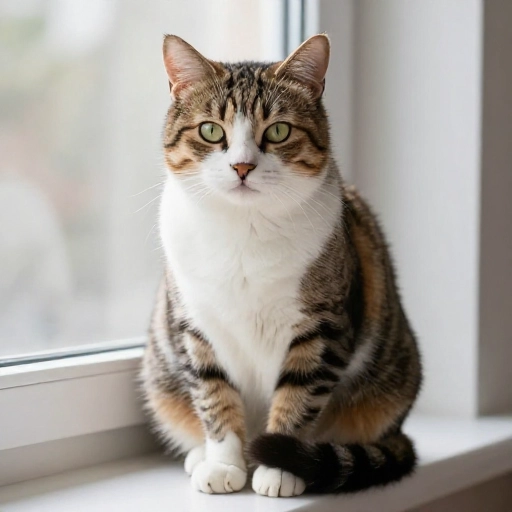
I used to watch my cat, Whiskers, stare longingly at my dinner plate while ignoring her own expensive kibble. It made me wonder: could I make something better? The idea of homemade cat food felt overwhelming at first—all those complex nutrient charts and scary warnings. But I discovered a simple truth: cooking for your cat is one of the purest forms of love. It’s about knowing exactly what goes into their bowl and seeing their health glow from the inside out.
This guide is for every cat parent who wants to try but doesn’t know where to start. We’re skipping the complicated science and focusing on simple, safe recipes you can make with confidence. You don’t need to be a chef or a nutritionist, just someone who wants to add a little homemade love to their cat’s life. Let’s make mealtime magical again.
Why Homemade Food is a Love Language
For me, preparing Whiskers’ food became our special ritual. It’s more than nutrition; it’s about connection. When you cook for your cat, you take control of their health. You eliminate mysterious by-products, excessive carbs, and artificial preservatives. I noticed her coat became silkier, her energy more playful, and even those dreaded hairballs decreased. It’s a proactive step in loving care.
It also lets you cater to their unique needs. Got a picky eater? You can adjust flavors. A cat with a sensitive stomach? You control the ingredients. This mindful approach transforms feeding from a chore into a heartfelt gift. Seeing that eager purr at mealtime is all the thanks I need.
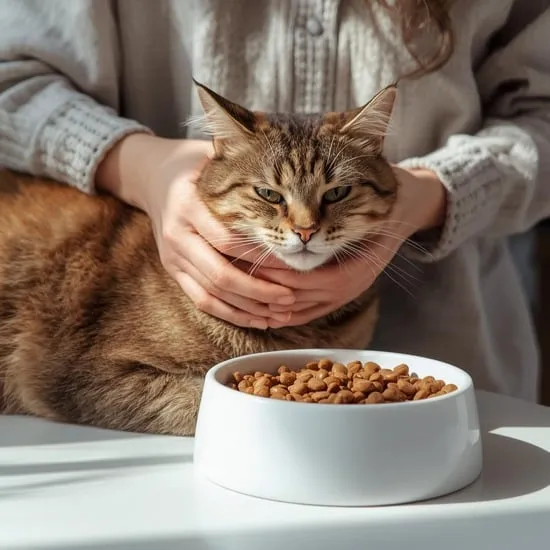
Golden Rules for Safe & Nutritious Meals
Safety is the most important ingredient. Cats have specific dietary needs that are non-negotiable. The biggest one is taurine, an essential amino acid they must get from their food. A deficiency can lead to serious heart and eye problems. Always include a high-quality taurine supplement, which you can find in pet stores.
Balance is key. A cat’s diet needs to be primarily animal-based protein with the right amount of fat and very few carbohydrates. Never use ingredients like onions, garlic, grapes, or chocolate, as they are toxic. And remember, homemade food should often be supplemented. I always mix in a pre-mixed vitamin and mineral powder designed for cats to ensure nothing is missing.
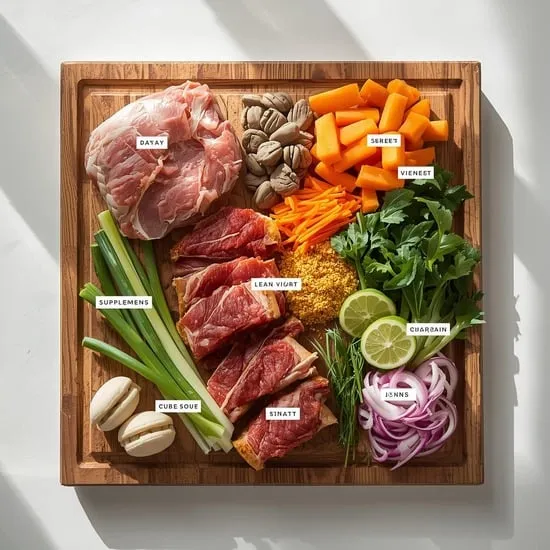
Your Simple Starter Shopping List
You don’t need a pantry full of exotic items. Start with these wholesome basics that form the foundation of many simple recipes.
- Proteins: Ground chicken, turkey, or beef (lean), chicken hearts or liver (for taurine and nutrients), canned sardines in water (no salt).
- Supplements: Taurine powder, cat-specific vitamin/mineral mix, salmon oil or fish oil (for omega fatty acids).
- Extras: Pumpkin puree (plain, for fiber), cooked egg yolk, a little water or low-sodium broth for moisture.
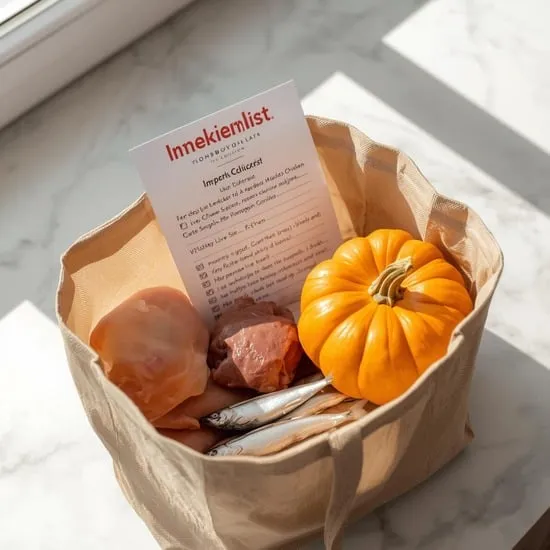
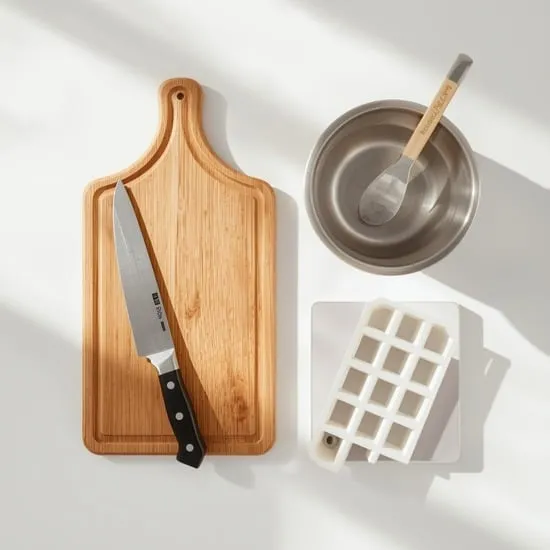
Essential Kitchen Tools You Already Own
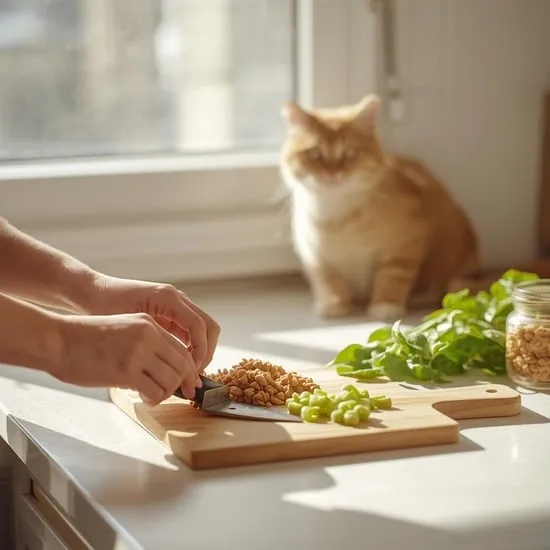
No fancy equipment required! My “cat food kitchen” consists of tools I use for my own cooking.
- A good cutting board and sharp knife.
- A digital kitchen scale for precise portions.
- A skillet or pot for cooking meat.
- A mixing bowl and a fork or potato masher to blend everything.
- Ice cube trays or small containers for easy freezing and portioning.
That’s really it! The process is as simple as cooking a basic meal for yourself.
My Go-To Simple Chicken & Liver Recipe
This is Whiskers’ absolute favorite and my weekly staple. It’s balanced, easy, and cats go crazy for it.
Ingredients:
- 1 lb ground chicken (thigh meat is great for fat content)
- 2 oz chicken liver
- 1 cup water
- 1/2 tsp taurine powder
- 1 tsp cat-specific vitamin/mineral supplement
- 1/4 cup cooked, mashed pumpkin (optional, for digestion)
How to Make:
In a skillet, cook the ground chicken and liver in the water until fully cooked through. Let it cool completely. Once cool, transfer everything (including the cooking liquid) to a bowl. Mash it finely with a fork or blend briefly for a pâté texture. Stir in the taurine, vitamin mix, and pumpkin if using. Portion into daily servings and freeze what you won’t use in 3 days.
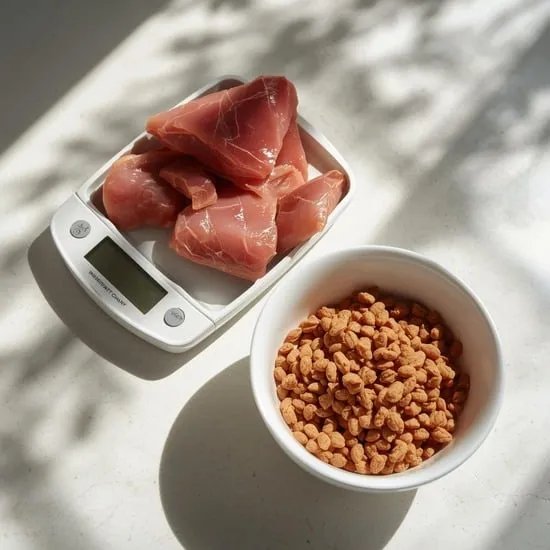
The Gentle Tummy Turkey & Pumpkin Blend
Perfect for seniors or cats with sensitive digestion, this recipe is mild and soothing.
Combine 1 lb of ground turkey with 1 cup of water and cook thoroughly. Drain, but reserve a bit of the liquid. In a bowl, mix the turkey with 1/4 cup of plain pumpkin puree, 1/2 tsp taurine, 1 tsp cat vitamin mix, and a teaspoon of salmon oil. Mash until it’s a consistent, soft mixture. The pumpkin provides gentle fiber that helps everything run smoothly.
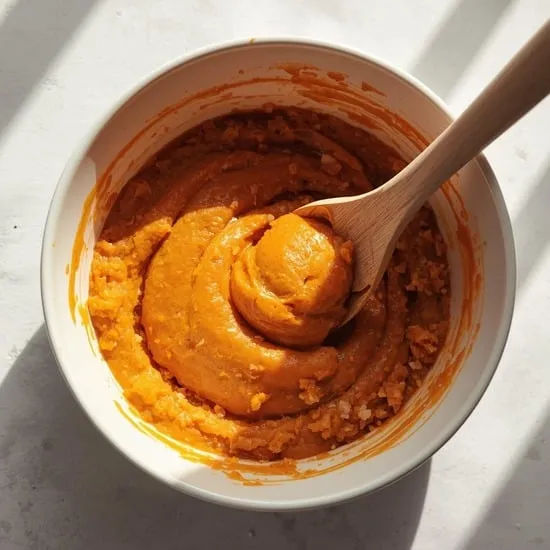
Fishy Feast: Sardine Surprise
For a special treat or to encourage a poor eater, this fish-based meal is a powerhouse of flavor and omega-3s.
Drain one can of sardines packed in water. Mash them thoroughly in a bowl, ensuring all tiny bones are soft and mashed (they are edible and a calcium source). Mix in one cooked, mashed egg yolk, 1/2 tsp taurine, and a sprinkle of the vitamin mix. Add a tablespoon of water to reach a moist consistency. Serve this as an occasional meal, not daily, due to mineral content.
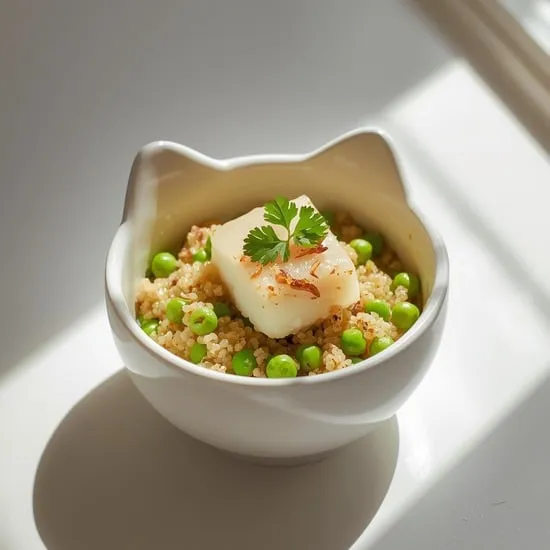
How to Transition to Homemade Food
Switching foods suddenly can upset your cat’s stomach. Patience is your best friend here. Start by mixing a very small spoonful of the new homemade food into their regular meal. Over 7-10 days, gradually increase the amount of homemade food while decreasing the old food.
Watch their reaction closely. Some cats dive right in, while others need time to trust the new food. If they turn their nose up at first, try warming the food slightly to enhance the aroma. Consistency is comforting, so try to feed at the same times each day during the transition.
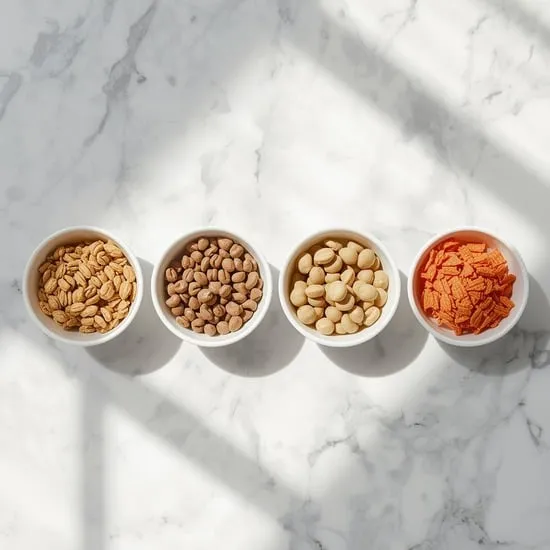
Portion, Store & Serve Like a Pro
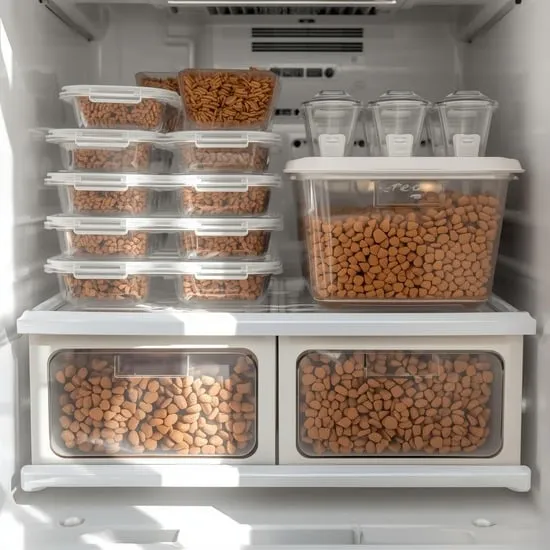
I use my kitchen scale to portion meals based on my cat’s ideal weight—usually about 2-3% of their body weight per day, split into meals. I immediately freeze portions in ice cube trays. Once frozen, I pop the cubes into a labeled freezer bag. Each night, I move the next day’s portions to the fridge to thaw safely.
Always serve food at room temperature or slightly warm. Discard any uneaten food after 30 minutes. This system makes “homemade” as convenient as opening a can, but so much more rewarding.
Celebrating the Signs of Success
Within a few weeks of consistent homemade meals, you’ll likely start to see beautiful changes. Look for a softer, shinier coat, brighter eyes, and more consistent energy levels. I saw Whiskers’ litter box habits become more regular and healthy-looking.
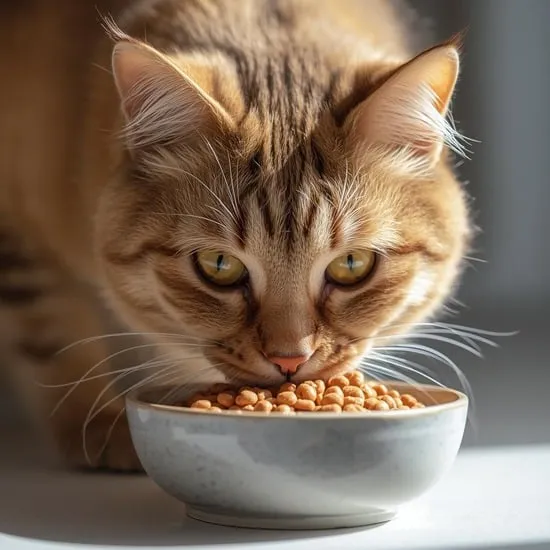
The biggest win? That moment of pure joy at mealtime. The head-butts, the purring, the clear vitality—it’s undeniable proof that your effort is filled with love. It connects you to your cat’s wellbeing in the most direct way possible.
Conclusion: Love in Every Bite
Making your own cat food isn’t about perfection; it’s about intention. It’s a simple act of love that says, “I care about what fuels you.” Start with one simple recipe, follow the safety rules, and be patient with yourself and your cat. The journey is just as rewarding as the destination, leading to a happier, healthier companion. Your homemade love, made simple, is the best gift your cat’s bowl will ever see.
Simple Homemade Cat Food FAQ
Q: Is it really cheaper to make my own cat food?
A: It can be comparable to high-quality canned food, especially if you buy proteins in bulk. The real “savings” are in potential vet bills from better long-term health.
Q: Can I just feed my cat cooked chicken and rice?
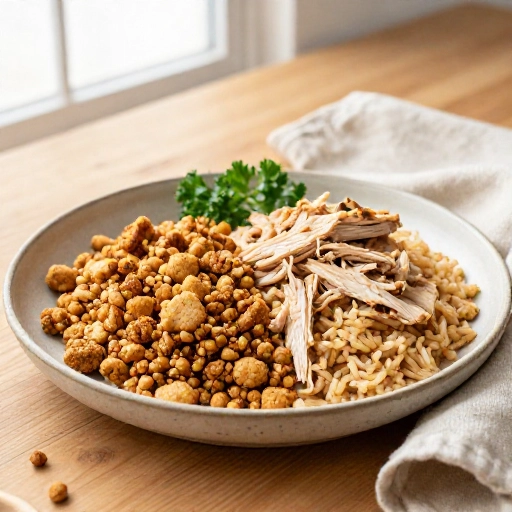
A: No. That diet is severely lacking in essential nutrients like taurine, certain vitamins, and fatty acids. It’s fine as a rare treat, but not a complete meal.
Q: How do I know if I’m supplementing correctly?
A: Use a pre-mixed supplement powder designed specifically for homemade cat diets. It takes the guesswork out and ensures a balanced meal every time.
Q: My cat is addicted to kibble. Will they ever eat homemade food?
A> Most will! The slow transition is key. You can also try topping the homemade food with a tiny sprinkle of their old kibble or a dusting of freeze-dried meat topper for familiarity.
Q: How long does homemade cat food last?
A> In the fridge, use within 3 days. In the freezer, it’s best within 3 months. Always thaw in the refrigerator, never on the counter.