5 Purr-fect Homemade Cat Food Recipes for Your Senior Cat
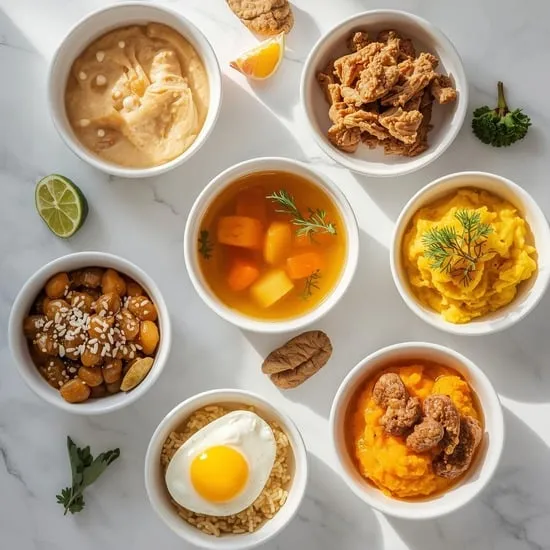
As my own cat has gotten older, I’ve noticed big changes in what she needs from her meals. She’s less active, a bit more finicky, and her digestion isn’t what it used to be. Commercial senior foods are great, but sometimes I want to give her something I made with my own hands, knowing exactly what’s in it.
Creating homemade food for a senior cat isn’t about fancy flavors; it’s about gentle nutrition, easy digestion, and supporting those aging joints and kidneys. It’s a wonderful way to show extra love to your lifelong friend. Always, always chat with your vet before making any diet changes, especially for a senior with specific health needs. These recipes are designed to be supplements or occasional meals, not necessarily a complete replacement for a vet-formulated diet.
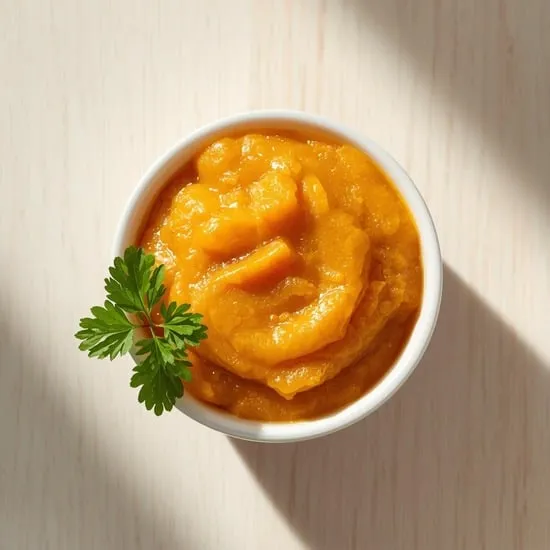
1. The Gentle Chicken & Pumpkin Puree
This is my go-all recipe for a sensitive senior tummy. Pumpkin is a fantastic source of fiber, which can help with both constipation and occasional loose stools, while the lean chicken provides easy-to-digest protein.
What You’ll Need:
- 1 cup boneless, skinless chicken breast, cooked and shredded
- 2 tablespoons plain, canned pumpkin (not pie filling!)
- 1/4 cup low-sodium chicken broth (no onions or garlic)
- A pinch of cat-safe vitamin supplement (consult your vet)
How to Make It:
Simply combine the shredded chicken, pumpkin, and warm broth in a bowl. Mash or blend it until it reaches a pate-like consistency that’s easy for your cat to lap up. Let it cool completely before serving. Store leftovers in the fridge for up to two days.
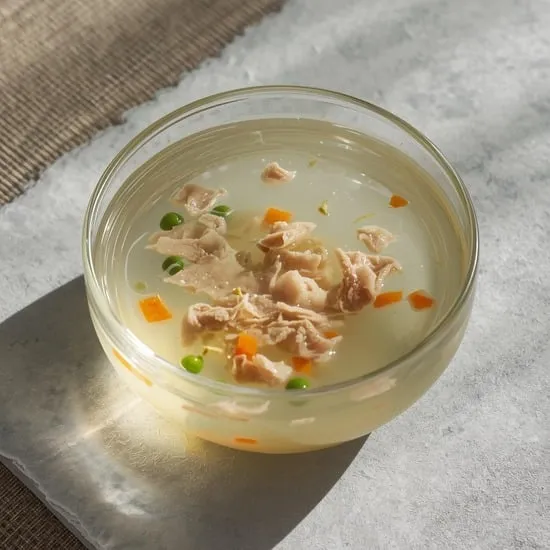
2. Hydrating Tuna & Broth “Soup”
Hydration is super important for senior cats, as their thirst drive often decreases. This recipe is more of a hydrating topper or a light meal that encourages fluid intake. The smell of tuna is usually irresistible!
What You’ll Need:
- 1 can of tuna in water (low-sodium), drained
- 1/2 cup warm water or low-sodium fish broth
- 1 teaspoon cooked, mashed sweet potato (optional, for extra vitamins)
How to Make It:
Flake the drained tuna finely in a bowl. Warm the water or broth and pour it over the tuna, mixing well. If using, mix in the mashed sweet potato. Serve immediately at a lukewarm temperature to maximize the aroma and appeal. This is best made fresh for each meal.
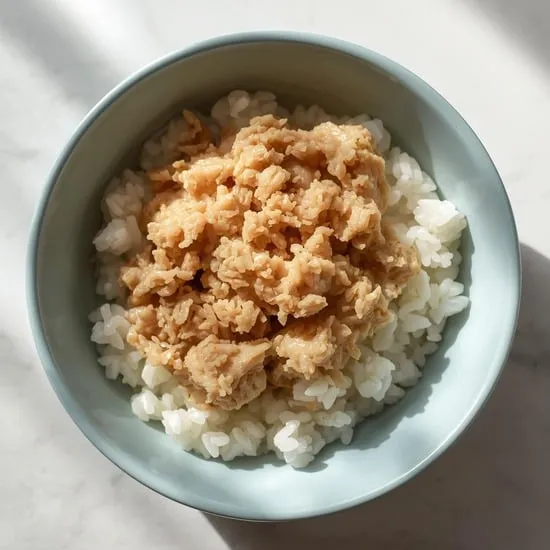
3. Simple Turkey & Rice Bowl
For the senior cat who needs a bland, soothing meal after a minor upset or who just prefers milder flavors, this combination is a winner. The white rice is easy on the digestive system.
What You’ll Need:
- 1/2 cup ground turkey, cooked thoroughly
- 1/4 cup cooked white rice
- 2 tablespoons water or turkey drippings (fat skimmed off)
- 1/4 teaspoon salmon oil (great for joints and coat)
How to Make It:
Cook the ground turkey until it’s completely browned and no pink remains. In a bowl, mix the cooked turkey with the rice and water/drippings. Drizzle the salmon oil over the top and mix gently. Ensure the meal has cooled to room temperature before offering it to your cat.
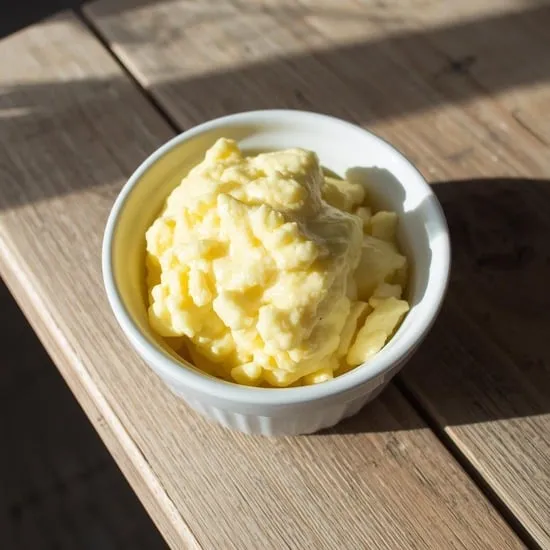
4. Egg & Cottage Cheese Scramble
This is a fantastic recipe for a protein boost without heavy meat. Eggs are a complete protein, and cottage cheese provides calcium and more protein in a soft, palatable form. Perfect for cats with dental issues.
What You’ll Need:
- 1 egg
- 1 tablespoon low-fat cottage cheese
- 1 teaspoon water
- No butter or oil needed!
How to Make It:
Scramble the egg with a teaspoon of water in a non-stick pan over low heat. As it begins to set, stir in the cottage cheese. Keep stirring until fully cooked and fluffy. Let it cool completely—it will be surprisingly soft and easy for your cat to eat.
5. Hearty Beef & Carrot Mash
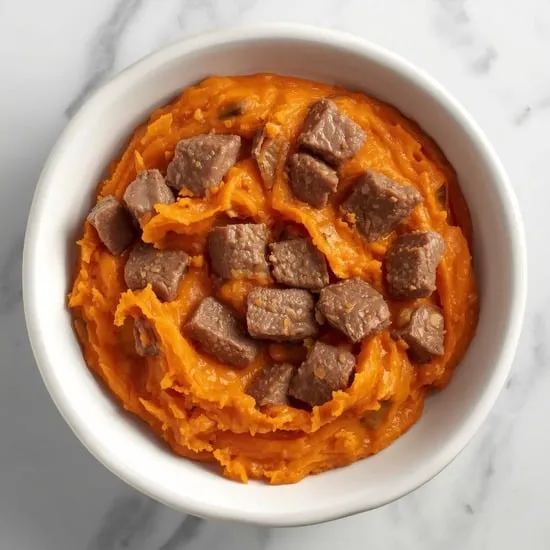
For the senior cat who still loves a richer flavor, this beef recipe provides iron and protein. The carrots add a touch of beta-carotene and are cooked until mushy for easy digestion.
What You’ll Need:
- 1/2 cup lean ground beef, cooked and drained of all fat
- 2 tablespoons cooked, mashed carrots
- 2 tablespoons beef broth (low-sodium, onion/garlic-free)
How to Make It:
Boil or steam carrot pieces until very soft, then mash them into a puree. Cook the ground beef thoroughly, draining away all the fat. Combine the beef, carrot puree, and broth in a bowl, mashing together. Serve once it’s fully cooled to a safe temperature.
Conclusion & Final Tips
Making food for my senior cat has become a special part of our routine. I get to see her excitement for a fresh meal, and I feel good knowing I’m supporting her golden years. Remember, these recipes are for supplementation. A complete and balanced diet for a senior cat often requires specific levels of vitamins and minerals, like taurine, which are hard to perfect at home.
Always introduce new food slowly, mixing a little with their current diet. Watch your cat’s weight and energy levels, and keep those vet check-ups regular. The best recipe is one that keeps your old friend happy, healthy, and purring at your feet.
FAQs: Homemade Food for Senior Cats
Q: Can I feed my senior cat only homemade food?
A: I don’t recommend it without direct vet guidance. It’s very difficult to get the nutrient balance perfect, especially for seniors with health issues. Use these as special toppers or occasional meals.
Q: Why is my vet concerned about homemade food?
A> Vets worry about deficiencies (like taurine, which is crucial for heart health) or excesses (like too much liver harming vitamin A levels). They want what’s safest for your cat’s specific health profile.
Q: My cat has kidney disease. Are these recipes safe?
A> Please be extra cautious. Cats with kidney issues need strictly controlled phosphorus and protein levels. These recipes are not formulated for that. Always follow your vet’s prescribed dietary plan.
Q: How do I store homemade cat food?
A> I store it in airtight containers in the fridge for up to 2 days. For longer storage, freeze individual portions in an ice cube tray, then pop out the cubes into a freezer bag.
Q: Can I use raw meat in these recipes?
A> I avoid raw meat for my senior cat. Their immune systems can be more vulnerable, and the risk of bacterial contamination (like Salmonella) is a serious concern for both you and your pet. Cooking meat thoroughly is safer.