Positive Reinforcement Techniques for Dogs That Truly Work
Why Positive Reinforcement Works for Every Dog
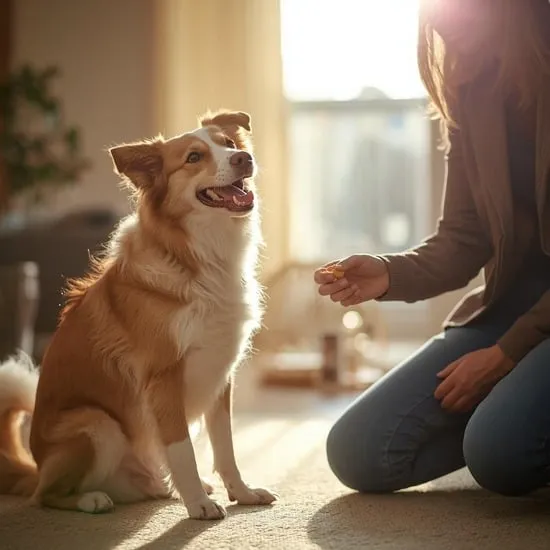
When I first started using positive reinforcement techniques for dogs, I noticed a huge shift in how my pup responded. Instead of feeling pressured or confused, he became excited to learn. This approach focuses on rewarding good behavior rather than punishing mistakes, making training feel like a fun bonding experience.
Positive reinforcement also helps dogs build confidence. They begin to understand exactly what earns praise, treats, or affection, and they naturally try to repeat those behaviors. It creates a trusting connection, which is especially important for nervous or rescue dogs who need extra reassurance.
Using Treat Rewards to Shape Good Behavior
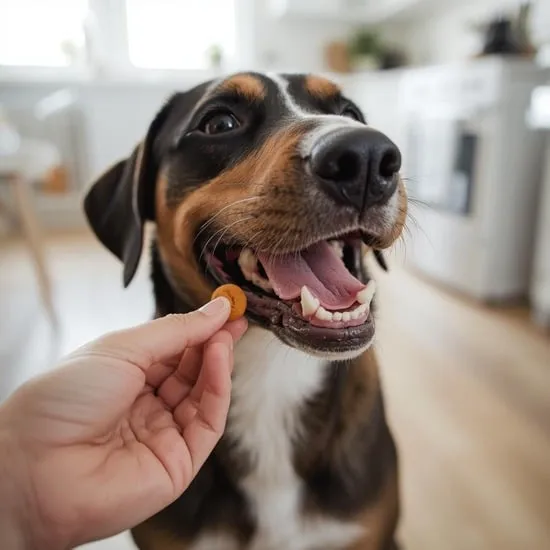
One of the easiest positive reinforcement techniques for dogs is using treats. High-value treats can turn any training session into an exciting game. I always keep small, soft treats on hand to reward my pup instantly when he follows a cue like sit, stay, or leave it.
But the secret is timing—rewarding within seconds of the desired behavior helps your dog understand exactly what they’re being praised for. Treat training is especially useful when teaching puppies or distracted dogs who need clear motivation.
Praise and Affection Go a Long Way
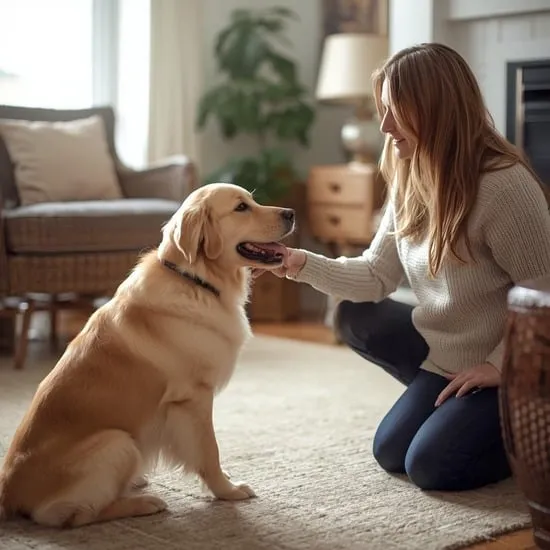
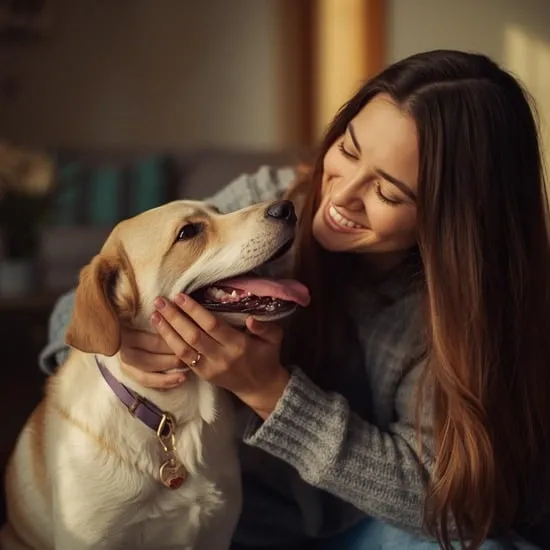
Not all rewards have to be food-based. Some dogs love verbal praise, belly rubs, or a quick play session with their favorite toy. When I started praising my dog enthusiastically for good choices, I noticed he lit up with pride and tried even harder during training.
Using affection as a reward helps strengthen your emotional bond. Many dogs respond to your tone of voice more than anything else, so even a cheerful “good job!” can become a powerful training tool that keeps your pup motivated long-term.
Clicker Training for Clear Communication
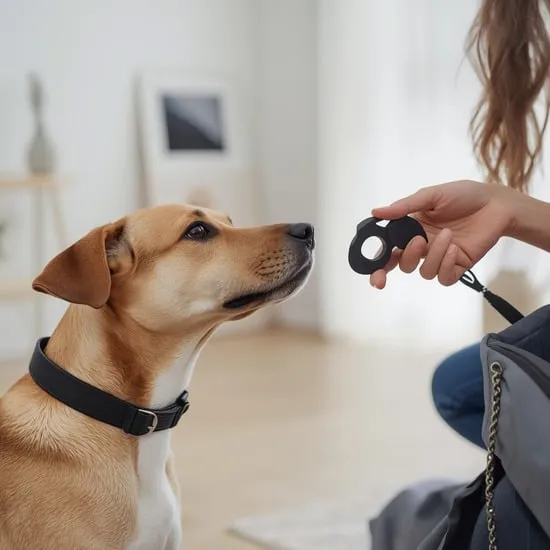
Clicker training is another positive reinforcement method that offers quick, precise communication. When I introduced a clicker to my dog, he immediately understood that the sound meant he did something right. It became almost like a language we shared.
The consistency of the click helps dogs learn new behaviors faster. It’s especially useful for shaping more complex commands, such as rollover, fetch specific items, or agility tricks. Pairing the click with a reward makes training incredibly effective.
Consistency Is the Key to Success
Positive reinforcement techniques for dogs only work well when you stay consistent. I learned that rewarding a behavior one day but ignoring it the next only confused my pup. Dogs thrive on predictable routines and clear expectations.
Make sure every family member uses the same cues and reward system. When everyone is aligned, your dog will learn faster and feel more secure. Over time, good behavior becomes a natural habit, not just a trained response.