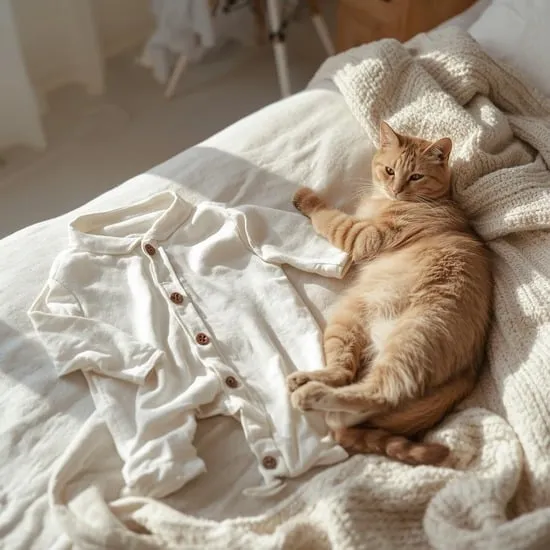
Safe and Comfortable Clothes for Cats Guide
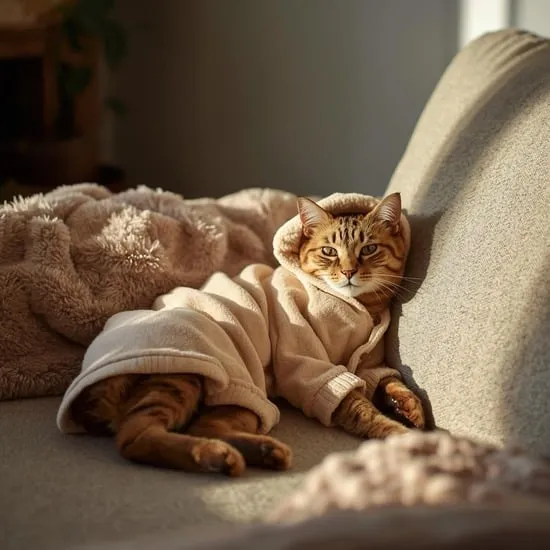
Safe and Comfortable Clothes for Cats Guide: Why I Tried It
I never thought I would look into a safe and comfortable clothes for cats guide until my cat had surgery and needed protection.
At first, I felt unsure about dressing her at all.
Cats are naturally independent and sensitive to change.
I worried she would feel stressed or restricted.
But the vet recommended a recovery suit instead of a cone.
That moment made me research safe cat clothing carefully.
I realized clothes are not about fashion first, they are about comfort and safety.
Choosing the right material and fit makes all the difference.
Not every cat needs clothing, but some situations require it.
Understanding when and why helped me feel more confident.
That’s how this journey began for me.
While exploring a proper safe and comfortable clothes for cats guide, I learned that fabric choice matters most.
Breathable cotton or soft stretch fabric works best.
Anything too tight can cause stress or restrict movement.
Loose clothing can create tripping hazards.
Finding the perfect balance is essential.
I introduced the outfit slowly to avoid overwhelming her.
Positive reinforcement helped her adjust calmly.
Watching her walk comfortably made me feel relieved.
Comfort should always be the priority over appearance.
Some cats may never tolerate clothing, and that is okay.
Listening to your cat’s reaction is crucial.
When Cats May Need Safe Clothing
According to the safe and comfortable clothes for cats guide I followed, clothing can serve practical purposes.
Recovery suits are helpful after surgery or spaying procedures.
They prevent licking and protect healing wounds.
Hairless breeds may need warmth during cold weather.
Senior cats sometimes benefit from extra insulation.
Medical conditions can also require protective garments.
These situations focus on comfort rather than decoration.
Seasonal sweaters can help in colder climates.
But constant supervision is important.
Cats should never wear clothing unattended for long periods.
Monitoring behavior ensures safety.
As I learned more through my safe and comfortable clothes for cats guide research, I realized timing matters.
Short supervised sessions help cats adapt gradually.
Clothing should never interfere with eating or litter box use.
Freedom of movement is essential for feline confidence.
Watch for signs of discomfort like freezing or hiding.
If your cat seems distressed, remove the clothing immediately.
Each cat has a unique tolerance level.
Respecting their boundaries builds trust.
Clothing is optional, not mandatory.
Comfort and well-being always come first.
That mindset kept me grounded.
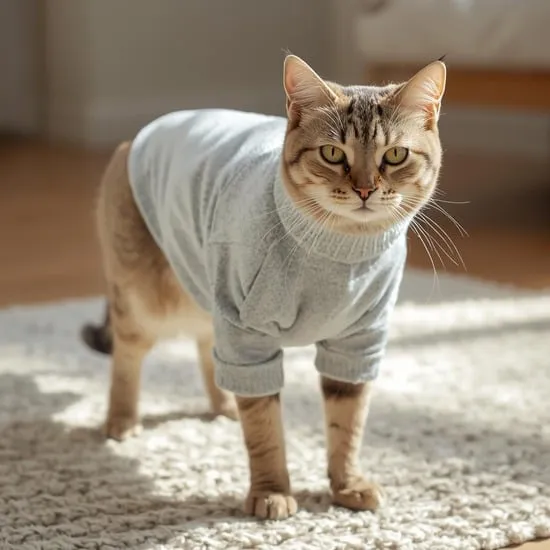
Choosing the Right Size and Material
Finding the correct size became a major focus in my safe and comfortable clothes for cats guide experience.
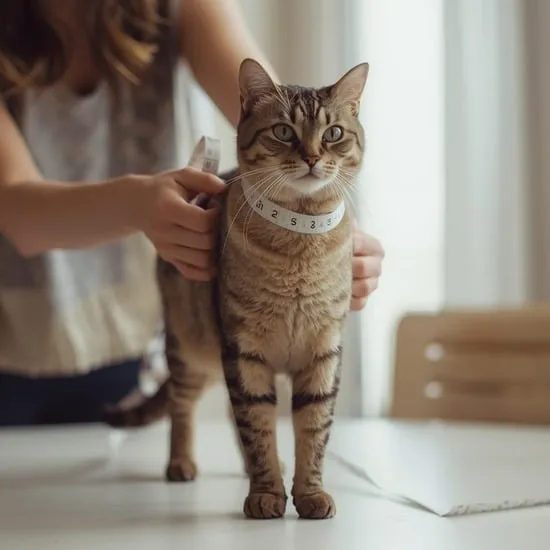
I measured her neck, chest, and length carefully.
Size charts vary between brands.
A snug but not tight fit prevents slipping.
Soft seams reduce skin irritation.
Stretchy fabric allows natural movement.
Avoid buttons, zippers, or small decorations.
These can pose choking hazards.
Lightweight materials prevent overheating.
Cats regulate temperature differently than humans.
Proper fit ensures safety and comfort.
Through trial and error, my safe and comfortable clothes for cats guide journey taught me patience.
The first outfit I bought was slightly too tight.
She walked stiffly and looked uncomfortable.
I immediately switched to a softer design.
Gradual introduction made the second attempt smoother.
Rewarding her with treats built positive association.
Observing body language helped guide my decisions.
A relaxed tail and smooth walking meant she felt okay.
Comfort should always be visible in their posture.
Never force clothing if resistance is strong.
Trust your instincts and your cat’s signals.
Balancing Style With Safety
While browsing options during my safe and comfortable clothes for cats guide research, I saw many adorable outfits.
But I reminded myself that safety outweighs style.
Simple designs are usually the best choice.
Overly elaborate costumes can restrict breathing or movement.
Clothing should allow full range of motion.
Check regularly for skin irritation or rubbing.
Remove garments daily to inspect fur and skin.
Hygiene matters as much as comfort.
Wash clothes frequently with pet-safe detergent.
Clean fabric prevents allergies and irritation.
Practical decisions protect your pet’s health.
Looking back, following a thoughtful safe and comfortable clothes for cats guide changed my perspective.
I no longer see cat clothing as just a cute trend.
It can be helpful when used responsibly.
The key is moderation and supervision.
Some cats may never enjoy wearing anything.
Others adjust surprisingly well with patience.
Every decision should prioritize their comfort.
Listening to their behavior builds trust.
Safety always comes before fashion.
When chosen carefully, clothing can serve a purpose.
And that peace of mind makes all the difference.