Why Is My Cavalier King Charles Spaniel So Small?
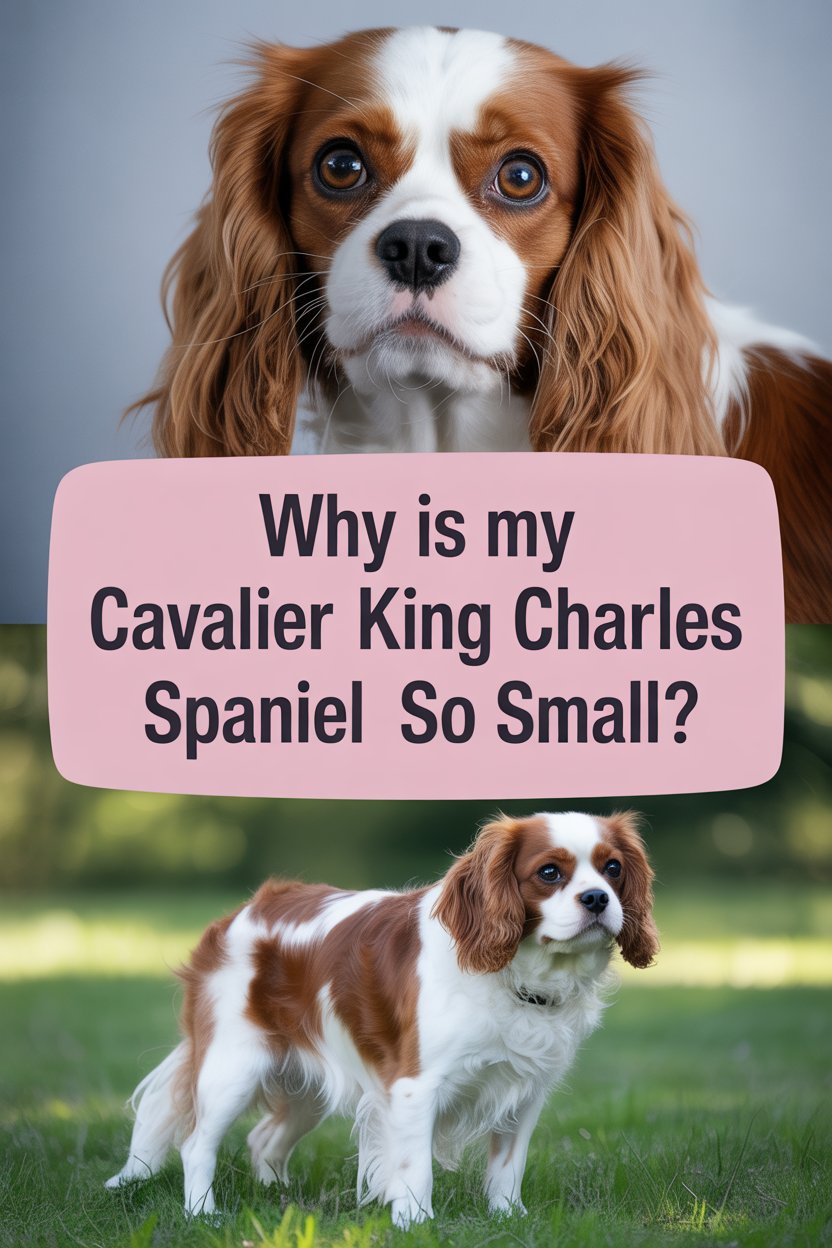
Are you looking at your adorable Cavalier King Charles Spaniel and wondering, “Why is my Cavalier so small?” Whether you have a petite puppy or a tiny adult Cavalier, it’s completely natural to be curious — and even a little worried. Cavaliers are known for their delicate features, but some dogs are noticeably smaller than others, leading many pet parents to search for answers.
The good news? There are several harmless reasons why your Cavalier might be on the smaller side. But in some cases, size can point to health or genetic factors worth paying attention to. Let’s explore what’s normal, what’s not, and how to support your sweet pup’s growth.
What Is the Normal Size for a Cavalier King Charles Spaniel?
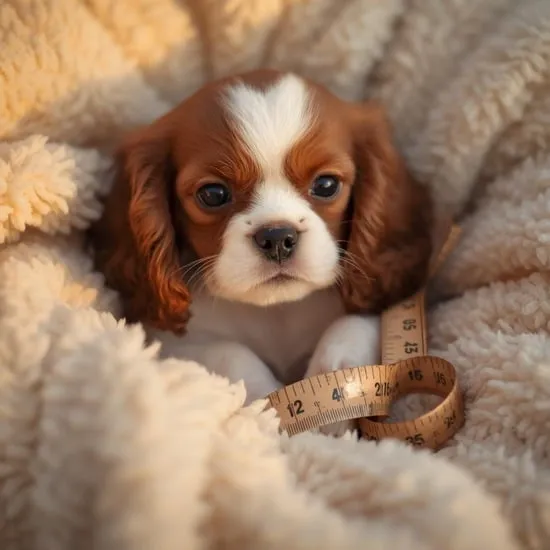
Before worrying, it helps to understand the typical size range for this breed. Adult Cavaliers generally weigh:
- 13–18 pounds (5.9–8.1 kg)
- 12–13 inches tall at the shoulder
But these are averages — Cavaliers can naturally fall a bit above or below these numbers and still be perfectly healthy. Just like people, they come in different shapes and sizes.
Common Reasons Your Cavalier May Be Small
If your Cavalier seems smaller than expected, one or more of these factors may be the cause:
1. Genetics
Some Cavaliers are simply born small. If the mother or father is on the petite side, their puppies may take after them. This is the most common — and most harmless — reason for a small Cavalier.
2. The “Runt of the Litter” Factor
Every litter has a smallest puppy. These runts often grow normally but may remain smaller than their siblings throughout life. Many runt Cavaliers grow into strong, healthy, incredibly sweet adults.
3. Slower Growth Rate
Just like human children, puppies grow at different speeds. Some Cavaliers take longer to fill out physically and mentally and may reach their adult size closer to 18–24 months.
4. Nutrition Issues
Puppies need nutrient-dense, high-quality food to grow properly. If your Cavalier had poor nutrition early in life — especially before adoption — they may stay smaller. Switching to a balanced, high-protein diet can help, but some growth delays are permanent.
5. Parasites
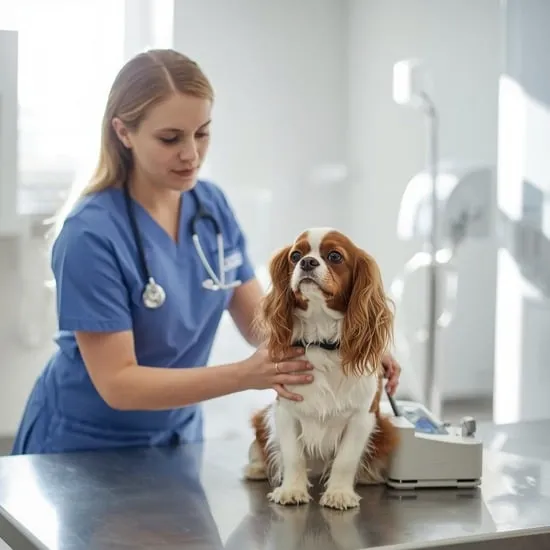
Intestinal parasites like worms can stunt growth by stealing essential nutrients. If your dog is small, has a potbelly, or has inconsistent stools, parasites might be the culprit. Fortunately, a simple vet treatment usually resolves the issue.
6. Underlying Health Conditions
Conditions such as heart issues, liver shunts, or metabolic disorders may slow growth in severe cases. Cavaliers are prone to certain hereditary problems, so monitoring your dog’s health and energy levels is important.
7. Early Weaning
Puppies who are separated from their mother too early may miss important nutrients from milk and early-stage care. This can sometimes influence growth and development.
Is a Small Cavalier Something to Worry About?
Size alone doesn’t always indicate a problem. If your Cavalier is active, playful, eating well, and has shiny fur, a smaller size is usually nothing to worry about. Many small Cavaliers live long, healthy lives and pack just as much love into their tiny frames.
However, it’s worth consulting your vet if you notice:
- Sudden weight loss
- Persistent lethargy
- Poor appetite
- Digestive issues
- Signs of pain or weakness
These symptoms may indicate an underlying issue that needs professional attention.
How to Support Healthy Growth
If your Cavalier is still growing or you want to help them reach their healthiest potential, here are simple steps you can take:
1. Feed a High-Quality Puppy or Adult Food
Choose formulas rich in protein, healthy fats, antioxidants, and DHA. Cavaliers benefit from foods designed for small breeds.
2. Maintain a Consistent Feeding Schedule
Regular meals help promote stable growth and healthy digestion.
3. Schedule Routine Vet Check-Ups
Regular visits ensure early detection of any health issues that may affect growth.
4. Deworming and Parasite Prevention
Keeping parasites under control supports proper nutrient absorption and weight stability.
5. Provide Gentle Exercise
Daily walks and light play help build muscle without overexertion. Cavaliers don’t need intense workouts — just consistent, loving activity.
Do Small Cavaliers Live Normal Lives?
Absolutely. Being small does not prevent a Cavalier King Charles Spaniel from living a full, joyful, and healthy life. Many petite Cavaliers are perfectly proportioned, energetic, and emotionally thriving. As long as your dog receives proper care, good nutrition, and vet oversight, a small size is simply part of who they are.
Final Thoughts
If your Cavalier King Charles Spaniel is smaller than average, don’t panic — in many cases, it’s completely normal and even part of their charm. Genetics, early growth patterns, or simple individuality can all explain a petite frame. What matters most is that your dog is happy, loved, and healthy.
Your Cavalier’s size doesn’t define their heart — and these little dogs have hearts bigger than just about any breed. With proper care and attention, your small Cavalier can enjoy a beautiful, thriving life right by your side.