Your Complete German Shepherd Care Guide: Tips for New Owners
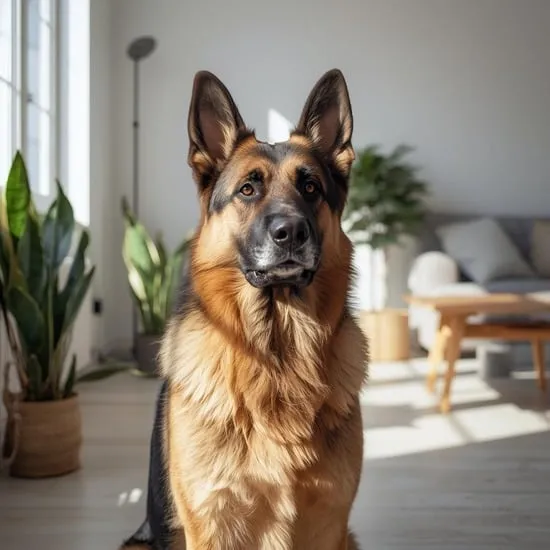
Bringing home a German Shepherd is an exciting adventure. I remember the mix of joy and nervousness when my first shepherd, Max, padded into my life. These dogs are incredibly smart, loyal, and full of energy, but they do have specific needs to truly thrive.
This guide is the one I wish I’d had from day one. It’s packed with practical, real-life tips to help you build a happy, healthy life with your new best friend. Think of it as your roadmap for navigating the wonderful world of German Shepherd ownership.
1. Start with the Right Gear
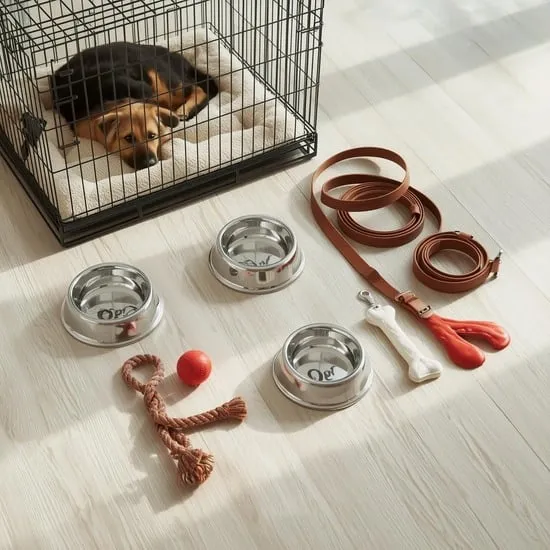
Before your pup arrives, set up their space. A sturdy crate becomes their safe den for house training and quiet time. Skip the flimsy beds—get a durable, orthopedic one to support their joints.
For walks, a well-fitted harness is kinder on their neck and gives you better control than a collar alone. Stock up on tough chew toys like Kongs to satisfy their natural urge to gnaw and save your shoes!
2. Master Nutrition & Feeding
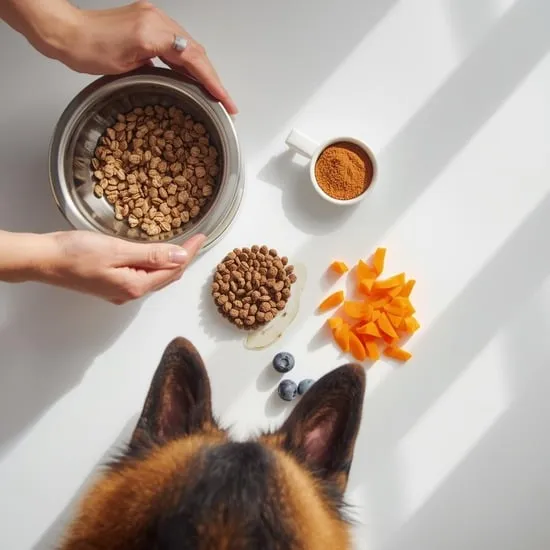
Feeding a high-quality, large-breed puppy or adult formula is non-negotiable. It supports their rapid growth and helps prevent joint issues later. I measure meals carefully to keep my shepherd at a lean, healthy weight.
Establish a consistent feeding schedule, usually twice a day for adults. Avoid vigorous exercise right before or after eating to reduce the risk of bloat, a serious condition in deep-chested breeds.
3. Create a Training Foundation
Training starts the moment you bring them home. German Shepherds are brilliant and eager to work, so use positive reinforcement. Reward good behavior with treats, praise, or play—it builds trust and makes learning fun.
Focus on the basics first: sit, stay, come, and loose-leash walking. Short, daily sessions are far more effective than long, sporadic ones. Consistency from everyone in the household is key.

4. Prioritize Early Socialization
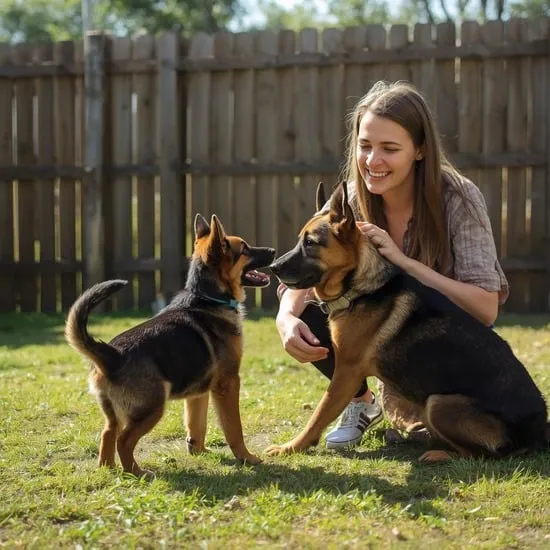
Socialization isn’t just about meeting other dogs. It’s about exposing your shepherd puppy to the world in a positive way. Think different people, sounds, surfaces, and experiences before they’re about 16 weeks old.
Take it slow and keep it happy. A positive introduction to the vacuum cleaner, car rides, and friendly strangers will help shape a confident, well-adjusted adult dog.
5. Commit to Daily Exercise & Mental Work
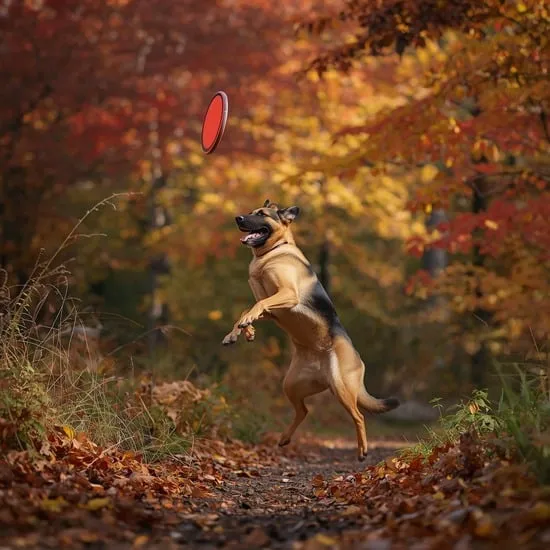
A tired shepherd is a happy shepherd. These are working dogs who need both physical and mental challenges daily. Our routine includes long walks, fetch sessions, and off-leash runs in a secure area.
Don’t forget brain games! Food puzzles, scent work, and learning new tricks tire them out just as much as a run. Boredom can lead to destructive chewing or barking.
6. Establish a Grooming Routine
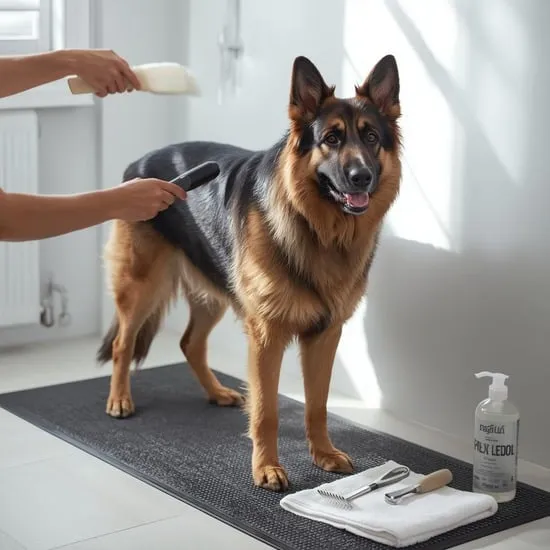
That beautiful double coat needs regular attention. I brush my shepherd at least twice a week with an undercoat rake to manage shedding and prevent painful mats. During shedding seasons, daily brushing is a lifesaver.
Bathe them only every few months or when truly dirty to avoid stripping natural oils. Regularly check and clean their ears, trim their nails, and brush their teeth for complete care.
7. Understand Their Health Watchlist
Being proactive about health is crucial. German Shepherds can be prone to certain conditions like hip and elbow dysplasia. I keep my dog at a lean weight and use joint supplements recommended by my vet.
Stay on top of regular vet check-ups, vaccinations, and parasite prevention. Know the signs of common issues like bloat (restlessness, unproductive retching) and seek immediate vet care if you suspect it.

8. Provide Proper Puppy Proofing & Safety
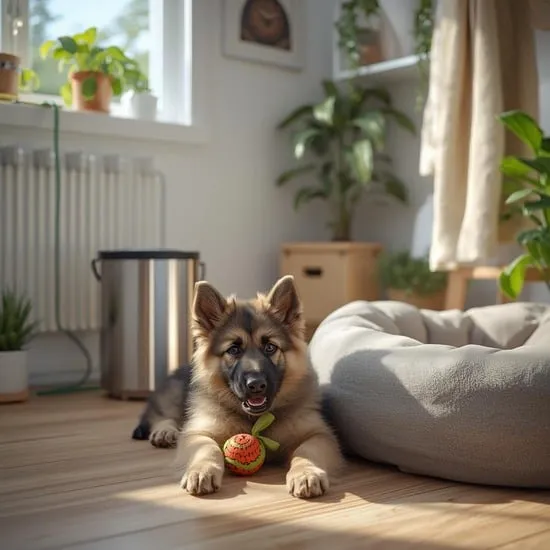
Shepherd puppies are curious and mouthy. Puppy-proof your home by securing electrical cords, removing toxic plants, and keeping small objects off the floor. A playpen can give them safe space when you can’t watch directly.
Ensure your yard fencing is secure and tall—these dogs can be impressive jumpers. Always have ID tags on their collar and consider microchipping as a permanent backup.
9. Navigate Adolescence with Patience
Around 6-18 months, your sweet puppy may test boundaries. This is normal! Stay patient and consistent with training. They’re not being stubborn; they’re figuring out their place in the world.
Double down on exercise and mental stimulation during this phase. Continue socialization to reinforce good manners with other dogs and people. This phase passes, I promise.
10. Build a Lifelong Bond
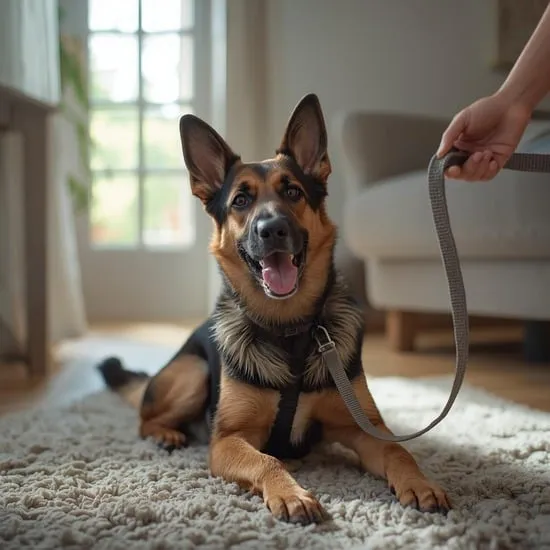
The ultimate goal is a deep, trusting partnership. Spend quality time together that isn’t just about commands. Quiet cuddles, gentle grooming, or simply relaxing nearby strengthens your connection.
Learn to read your dog’s body language. Respect their need for downtime. A German Shepherd isn’t just a pet; they’re a devoted companion who will give you a lifetime of loyalty in return for your thoughtful care.

Your Journey Starts Here
Welcoming a German Shepherd is a commitment, but it’s one of the most rewarding experiences. There will be chewed slippers and muddy paw prints, but also unmatched loyalty and endless love. Take it one day at a time, trust the process, and enjoy every step of building a life with your incredible dog.
German Shepherd Care FAQ
Q: How much exercise does a German Shepherd really need?
A: At least 1-2 hours of combined physical and mental activity daily. A simple walk isn’t enough—they need to run, play, and think.
Q: Are German Shepherds good with kids?
A> They can be wonderful family dogs when properly socialized and trained from puppyhood. Always supervise interactions and teach children how to respectfully interact with the dog.
Q: Why is my German Shepherd shedding so much?
A> They have a dense double coat that “blows” or sheds heavily typically twice a year. Regular brushing is the best way to manage the fur tumbleweeds in your home.
Q: Can I leave my German Shepherd alone during the workday?
A> Adults can often handle 6-8 hours if properly exercised before and after, but puppies need more frequent breaks. They are social dogs and can develop separation anxiety if left alone too much too soon.
Q: When should I start training my German Shepherd puppy?
A> Start immediately! Basic manners and socialization can begin as soon as they come home. Puppy kindergarten classes are a great option after their first round of vaccinations.