10 Adorable Boutique Pet Shop Concepts to Launch Your Dream Business in 2024
Have you ever dreamed of turning your love for animals into a thriving business? I have. For years, I pictured a cozy little shop filled with wagging tails, purring kittens, and pet parents finding the perfect treats. Not a generic pet store, but something special—a boutique that feels more like a community hub.
The good news is that the pet industry is booming, and people are spending more than ever on their furry family members. But here’s the secret: they’re not just buying products. They’re looking for experiences, personal touches, and a place that truly understands their pets. That’s where a boutique concept shines.
In this article, I’m sharing ten unique boutique pet shop ideas that are perfect for standing out in a crowded market. Whether you’re just starting to brainstorm or ready to sign a lease, these concepts will spark your imagination and help you build something truly adorable.
1. The Rustic Charm Pet Boutique
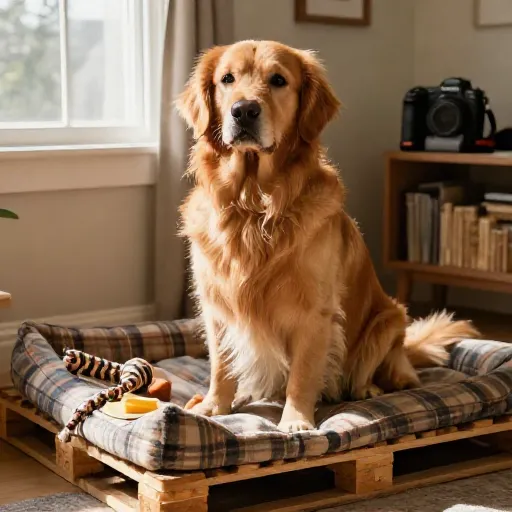
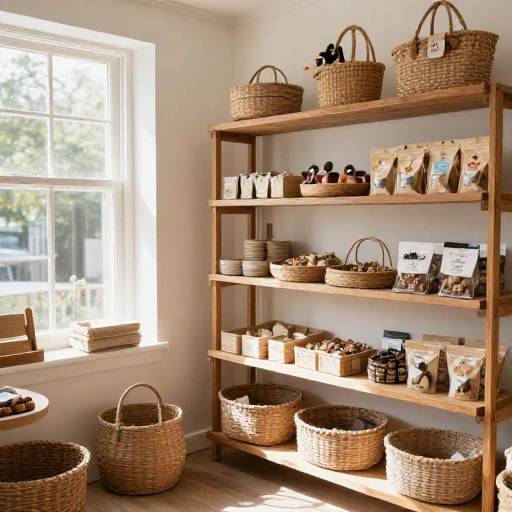
Imagine walking into a shop that smells like fresh cedar and honey. Exposed brick walls, wooden crates as display shelves, and soft plaid blankets draped over cozy beds. This concept leans into farmhouse aesthetics with a modern twist.
Stock handmade collars, natural chew toys, and organic treats sourced from local farms. Offer custom engraved ID tags and personalized feeding mats. The key is making every item feel handcrafted and timeless.
Your customers will be the kind of people who love farm-to-table dining and appreciate quality craftsmanship. They’ll snap photos of your displays for their Pinterest boards, which means free marketing for you.
2. The Modern Minimalist Pet Studio
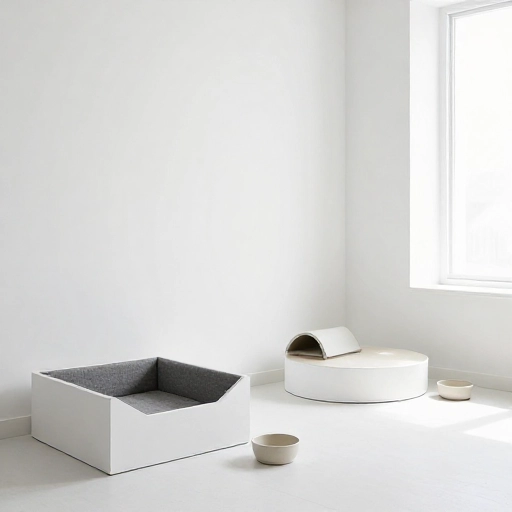
This is for the city dweller who wants their pet accessories to match their clean, Scandinavian-inspired apartment. Think white walls, sleek metal shelving, and pops of muted pastels. Everything is curated, nothing is cluttered.
Focus on high-end, design-forward products: leather leashes in neutral tones, geometric cat trees, and minimalist food bowls. Offer a small selection of hypoallergenic grooming products in refillable containers.
The vibe is quiet and intentional. You’ll attract young professionals who treat their pets like design accessories (in the best way) and want their home to stay picture-perfect.
3. The Eco-Conscious Pet Haven
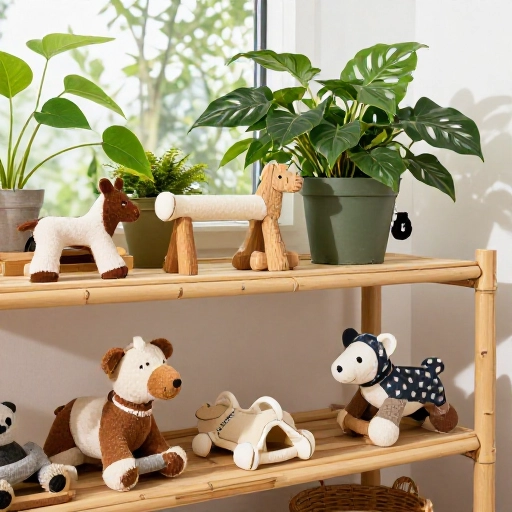
Sustainability isn’t just a trend—it’s a lifestyle. This boutique concept is all about reducing paw prints on the planet. Use recycled materials for your shelving, compostable bags at checkout, and LED lighting throughout.
Stock biodegradable poop bags, hemp collars, plant-based litter, and toys made from recycled ocean plastics. Partner with local shelters to host adoption events and donate a portion of every sale.
Your customers are passionate about the environment and want their purchases to align with their values. They’ll appreciate seeing clear labels about sourcing and materials.
4. The Pet Café & Boutique Combo
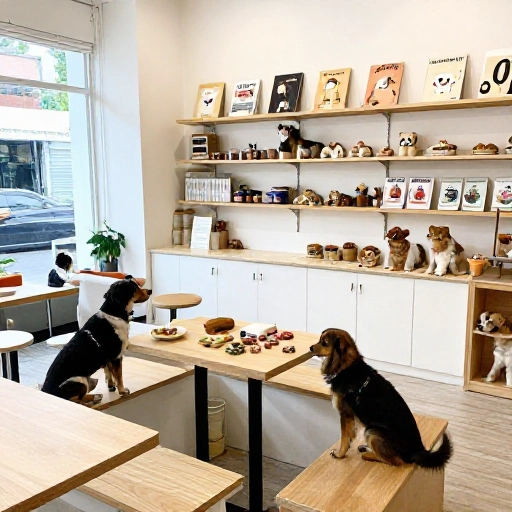
Who doesn’t love a place where you can sip a latte while your pup enjoys a pupcup? This concept combines a small coffee bar with a retail space. The smell of fresh espresso mingles with the sight of colorful bandanas and plush toys.
Serve organic dog-friendly treats alongside your regular menu. Sell coffee mugs with paw prints, travel bowls, and matching owner-pet apparel. Host “yappy hours” on Friday evenings with discounted drinks.
This is a social space. People will come for the coffee and stay for the community. It’s perfect for neighborhoods with lots of young families and dog owners.
5. The Luxury Pet Spa & Boutique
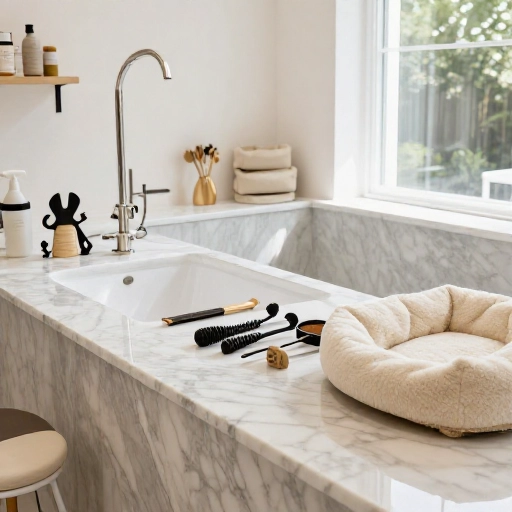
Think of this as a day spa for pets, with a retail component. Offer professional grooming, pawdicures, and aromatherapy baths using natural, gentle products. The boutique section sells luxury items like cashmere sweaters, crystal-encrusted collars, and gourmet treats.
Create a serene atmosphere with soft music, calming scents, and plush seating for waiting pet parents. Offer membership packages for regular grooming clients.
This appeals to pet owners who spare no expense for their companions. Your price point will be higher, but your service and product quality will justify it.
6. The Travel-Ready Pet Shop
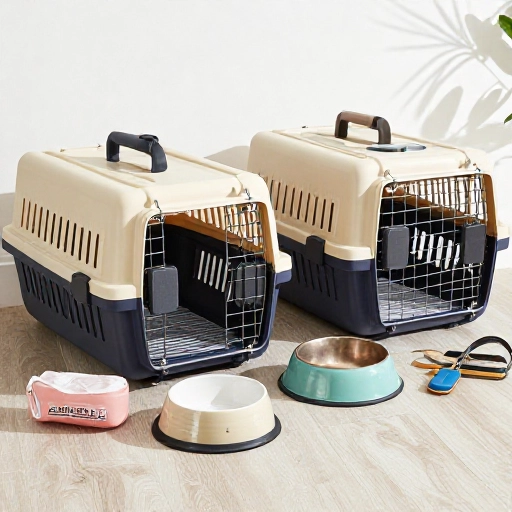
For the adventurous pet parent who takes their furry friend everywhere. This boutique specializes in travel gear: crash-tested car harnesses, airline-approved carriers, portable water bottles, and collapsible bowls.
Stock adventure vests, GPS trackers, and first-aid kits designed for dogs. Sell lightweight, packable beds and travel-sized grooming kits. Offer a map on your wall where customers can pin their pet’s travel destinations.
Your customers are active, outdoorsy people who hike, camp, and road trip with their pets. They need durable, functional gear that looks good too.
7. The Vintage-Inspired Pet Emporium
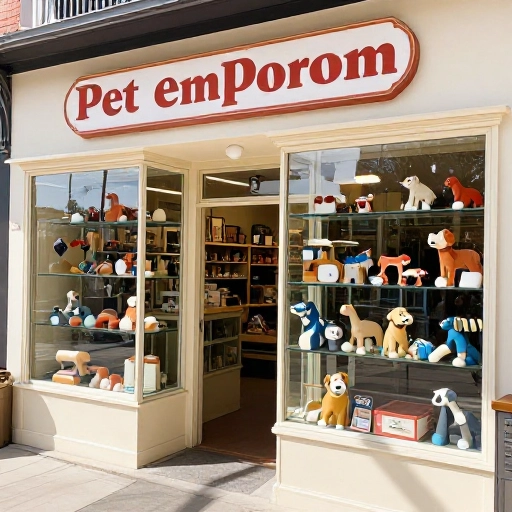
Step back in time with a shop that feels like your grandmother’s attic, but for pets. Mismatched vintage furniture displays, antique crates, and retro signage. Sell classic-style collars with brass hardware, old-fashioned plush toys, and treats in glass jars.
Offer custom portrait sessions with a vintage backdrop. Stock reproduction items like retro feeding dishes and canvas beds with floral prints.
This concept attracts nostalgic pet owners and those who love one-of-a-kind finds. It’s perfect for a historic downtown location.
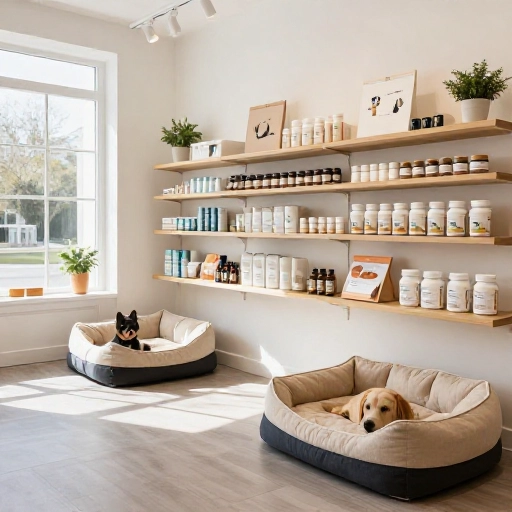
8. The Wellness-Focused Pet Boutique
Pet parents are increasingly looking for holistic health options for their animals. This boutique focuses on natural wellness products: herbal supplements, CBD treats for anxiety, organic food, and calming essential oil blends.
Partner with a local holistic vet or pet nutritionist to host workshops. Stock joint support chews, dental health products, and probiotics. Offer a “wellness bar” where customers can sample different foods.
Your customers are proactive about their pet’s health and willing to invest in preventive care. They value education and transparency.
9. The Small & Mighty Pet Shop
Specialize in products for small breeds and pocket pets. Think tiny harnesses for teacup dogs, hamster wheels, ferret hammocks, and guinea pig hideouts. Everything is scaled down and adorable.
Stock premium food for small animals, bedding, and enrichment toys. Offer a “small pet adoption corner” partnering with local rescues for rabbits, guinea pigs, and rats.
This niche concept fills a gap because most pet stores cater to medium and large dogs. Small pet owners will travel miles to find a shop that truly understands their needs.
10. The DIY Pet Workshop Boutique
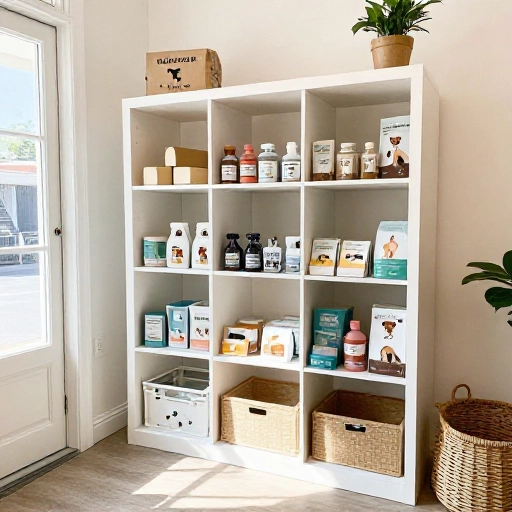
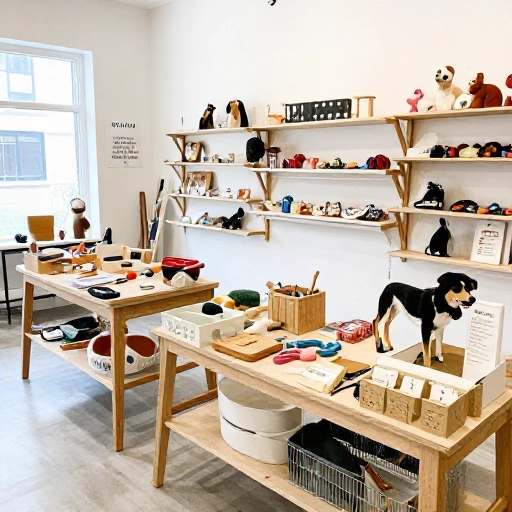
This is an interactive concept where customers can create their own pet products. Host workshops for making homemade dog biscuits, sewing custom bandanas, or crafting catnip toys. Sell the supplies and charge for the class.
Your retail side includes all the raw materials: fabrics, treats ingredients, essential oils, and tools. Offer take-home kits for customers who want to craft at home.
This is perfect for building a loyal community. People love the hands-on experience and will return for new workshops and supplies.
Conclusion: Your Perfect Pet Boutique Awaits
Starting a pet boutique is about more than selling products—it’s about creating a space where pets and their people feel welcomed, understood, and inspired. Each of these concepts has its own personality and target audience. The key is choosing the one that fits your location, your passion, and the community you want to serve.
Remember, you don’t have to do everything at once. Start with a clear concept, curate your inventory thoughtfully, and build relationships with your customers. Your dream pet shop is absolutely possible. Now go make it happen.
Frequently Asked Questions
1. How much does it cost to open a boutique pet shop?
Costs vary widely based on location, size, and concept. A small boutique can start around $30,000 to $50,000 for inventory, lease deposits, and basic renovations. A larger concept with a café or spa could be $100,000 or more. Start small and grow gradually.
2. Do I need a business license to sell pet products?
Yes, you’ll need a general business license and likely a sales tax permit. If you sell food or treats, check with your local health department. Grooming or boarding may require additional permits and inspections.
3. How do I find reliable suppliers for my boutique?
Start by attending pet industry trade shows like Global Pet Expo or SuperZoo. You can also search for wholesale pet product directories online. Always order samples first to check quality before committing to bulk orders.
4. What’s the best way to market a pet boutique?
Social media is your best friend, especially Instagram and Pinterest. Post cute photos of pets in your shop. Partner with local dog walkers, groomers, and vets. Host events like adoption days or birthday parties for dogs. Word of mouth is powerful in the pet community.
5. Can I run a pet boutique from home?
In many areas, you can start as an online-only boutique from home. Check your local zoning laws for home-based businesses. Some concepts like grooming or a café require a commercial space, but retail-only can often begin online and grow into a physical store later.