Yeast Infection in Dogs: Causes, Symptoms, and Care

Few things are more heartbreaking than seeing your dog scratch, lick, or shake in discomfort. If your furry friend can’t stop itching, has red irritated skin, or a strange odor, they might be suffering from a yeast infection in dogs. Though common, it can be uncomfortable for your pup — but with love, patience, and the right care, recovery is absolutely possible.
Let’s explore what causes yeast infections, how to recognize them early, and the best ways to bring your dog relief while strengthening your bond through care and compassion.

What Is a Yeast Infection in Dogs?
A yeast infection in dogs happens when there’s an overgrowth of yeast — a naturally occurring fungus found on the skin. In small amounts, it’s harmless, but when yeast multiplies too quickly, it can cause irritation, itching, and inflammation. The most common yeast species is Malassezia pachydermatis, which thrives in warm, moist areas of your dog’s body.
It often affects the ears, paws, armpits, belly, or folds of skin — anywhere moisture and warmth combine. If left untreated, it can lead to discomfort and even secondary infections, so early attention is key.
Common Causes of Yeast Infections
There are several reasons why your dog may develop a yeast infection:
- Allergies: Environmental or food allergies can trigger skin inflammation that encourages yeast growth.
- Moisture buildup: Dogs that love swimming or live in humid areas are more prone to yeast infections.
- Weakened immune system: Illness, poor diet, or medications can disrupt the natural balance of bacteria and yeast.
- Hormonal changes: Conditions like hypothyroidism can make yeast infections more likely.
Understanding the root cause helps you treat not just the symptoms, but the reason behind them — ensuring your pup feels better long-term.
Signs and Symptoms to Watch For
Recognizing the signs of a yeast infection early can make all the difference. Keep an eye out for:
- Persistent scratching or licking
- Red, irritated, or oily skin
- A musty or “cheesy” odor
- Hair loss or scaly patches
- Dark discharge from the ears or constant head shaking
- Brown discoloration between the paws
Your dog might also seem more tired or grumpy than usual due to discomfort. Listening to these small signs and responding with care is one of the most loving things you can do as a pet parent.
How to Treat Yeast Infections in Dogs
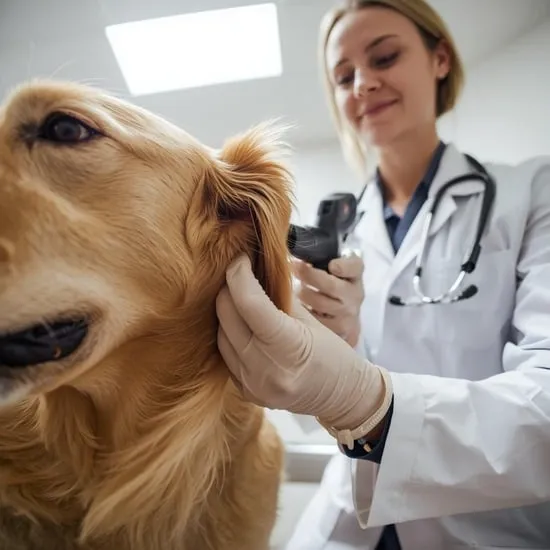
Treating yeast infections takes time and consistency, but with the right approach, you can help your dog heal and feel comfortable again. Always start by visiting your veterinarian for a proper diagnosis — they’ll identify whether it’s truly a yeast issue or something else like bacteria or mites.
Treatment may include:
- Topical treatments: Medicated shampoos, sprays, or creams that kill yeast and soothe irritation.
- Oral medications: Antifungal pills may be prescribed for more severe infections.
- Ear cleaning solutions: For ear infections, vet-approved cleansers help remove buildup and prevent recurrence.
- Diet adjustments: A healthy, low-carb, and allergen-free diet can help control yeast growth from the inside out.
Grooming and cleanliness play a big role too. Keep your dog’s coat dry after baths, and trim long fur around moist areas to improve air circulation.
IMG03
Natural Remedies and Home Care
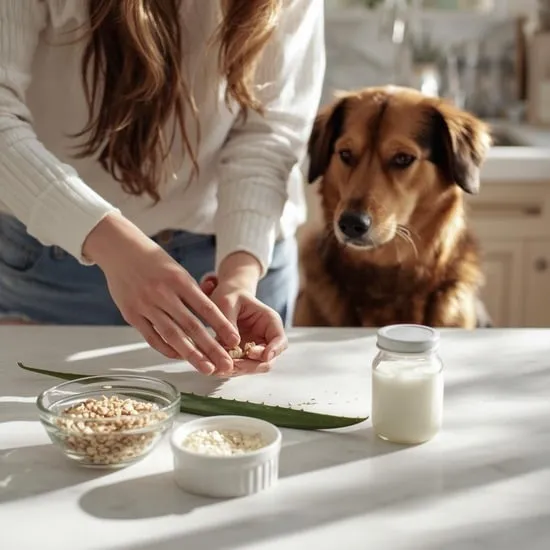
While medical treatment is essential, you can also support healing at home with gentle, natural care. Rinsing with diluted apple cider vinegar (1 part vinegar to 2 parts water) can help balance skin pH and fight yeast. Coconut oil can soothe irritation, and probiotics may boost your dog’s immune system.
Always consult your vet before trying home remedies, especially if your dog has open sores or sensitive skin. Gentle, holistic care paired with professional treatment can make all the difference in their recovery.
Preventing Future Yeast Infections
Prevention is the best cure. To keep your dog healthy and comfortable:
- Dry your dog thoroughly after baths or swimming.
- Feed a balanced, vet-approved diet.
- Clean ears weekly using gentle, dog-safe cleaners.
- Brush regularly to keep their skin and coat healthy.
- Monitor for early signs of irritation or odor.
When you care consistently, you’re not just preventing yeast infections — you’re nurturing your dog’s overall health and happiness.
Final Thoughts
Dealing with a yeast infection in dogs can be tough, but remember — your love and attention mean everything to them. With gentle care, proper treatment, and a bit of patience, your dog will soon be back to their playful, tail-wagging self.
Every scratch you soothe and every moment you comfort them builds trust and love that lasts a lifetime. Because to your dog, you’re more than their caregiver — you’re their whole world.