12 Ragdoll Cat Facts for New Owners
When I first brought my Ragdoll home, I honestly didn’t know what to expect. I had read that they were beautiful, but I quickly learned that their personality is what truly steals your heart. If you’re thinking about welcoming one of these fluffy bundles into your life, or if you just brought one home, there are a few things that will make your life (and theirs) so much easier.
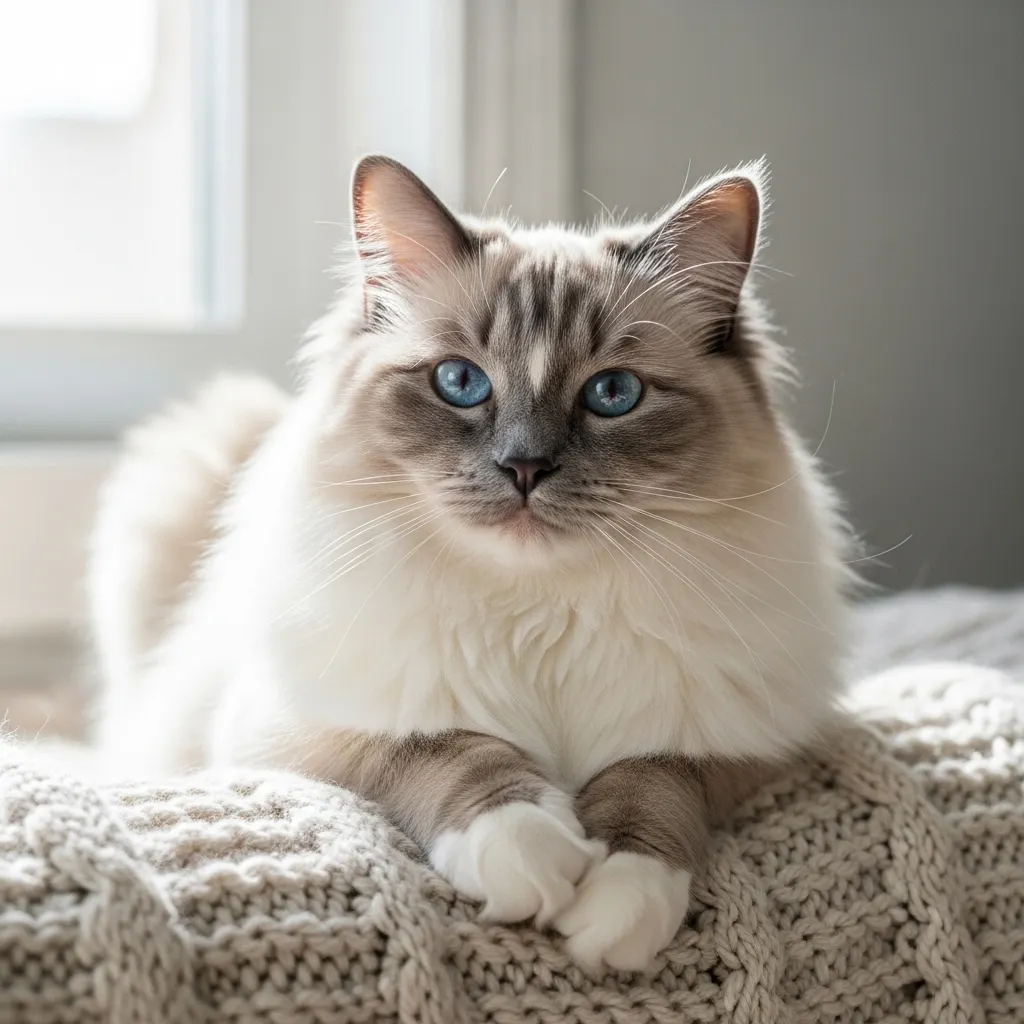
Ragdolls are not like other cats. They are known for their striking blue eyes, silky coats, and a temperament that often reminds people of a loyal dog. But they also have some unique needs that surprise new owners. Let me walk you through the twelve most important facts I wish I had known from day one.
From their distinct history to their quirky habits, here’s everything you need to know about living with a Ragdoll cat. Trust me, knowing these facts will help you build a stronger bond with your new feline friend.
1. They Are a “Floppy” Breed by Nature
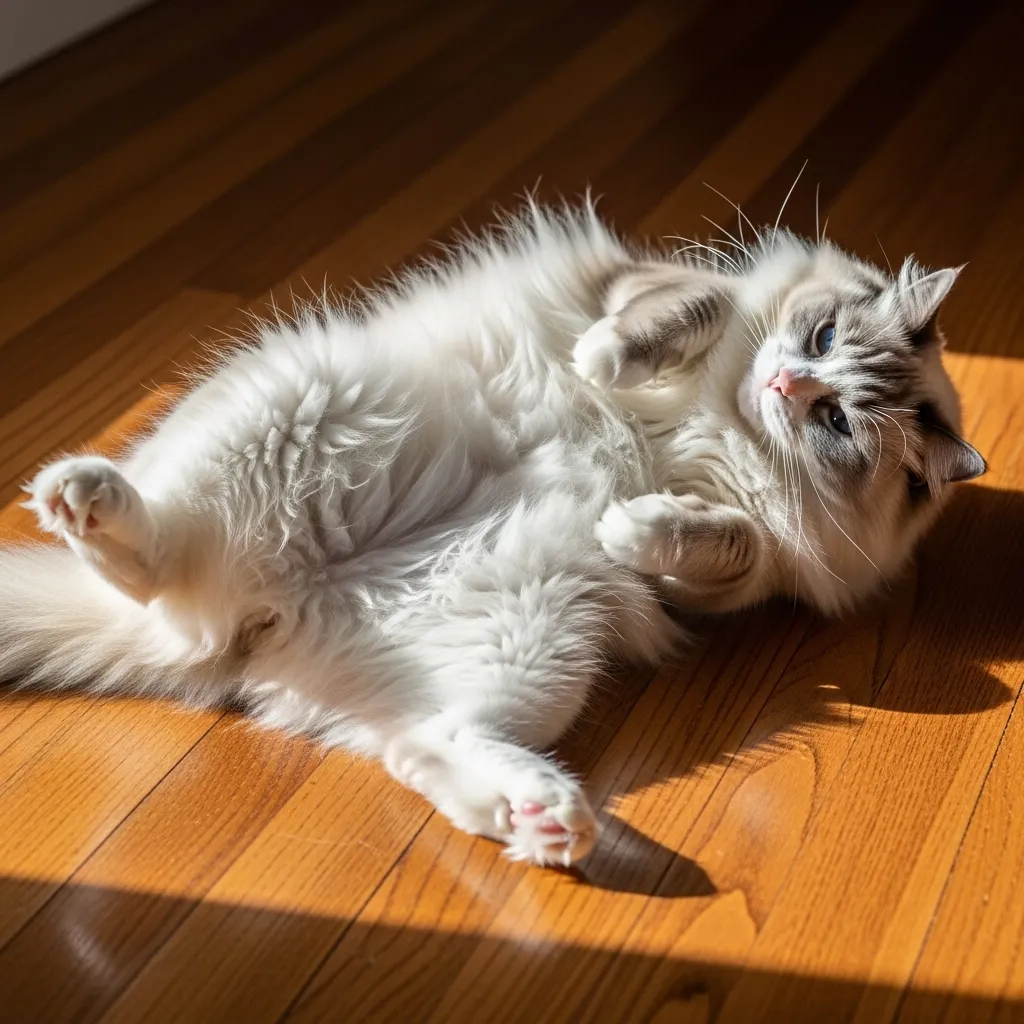
The name Ragdoll isn’t just for show. These cats have a unique trait where they go completely limp and relaxed when you pick them up, just like a child’s rag doll. This is a sign of trust and deep comfort.
Not every Ragdoll does this, but most do. It makes them wonderful lap cats, but it also means you need to be extra careful when holding them. Always support their back legs and bottom so they feel secure.
This floppiness is a key part of their charm, but it also means they are very trusting. They rarely struggle or try to escape, so you are responsible for their safety during cuddles.
2. Their Coat Is Surprisingly Low-Maintenance
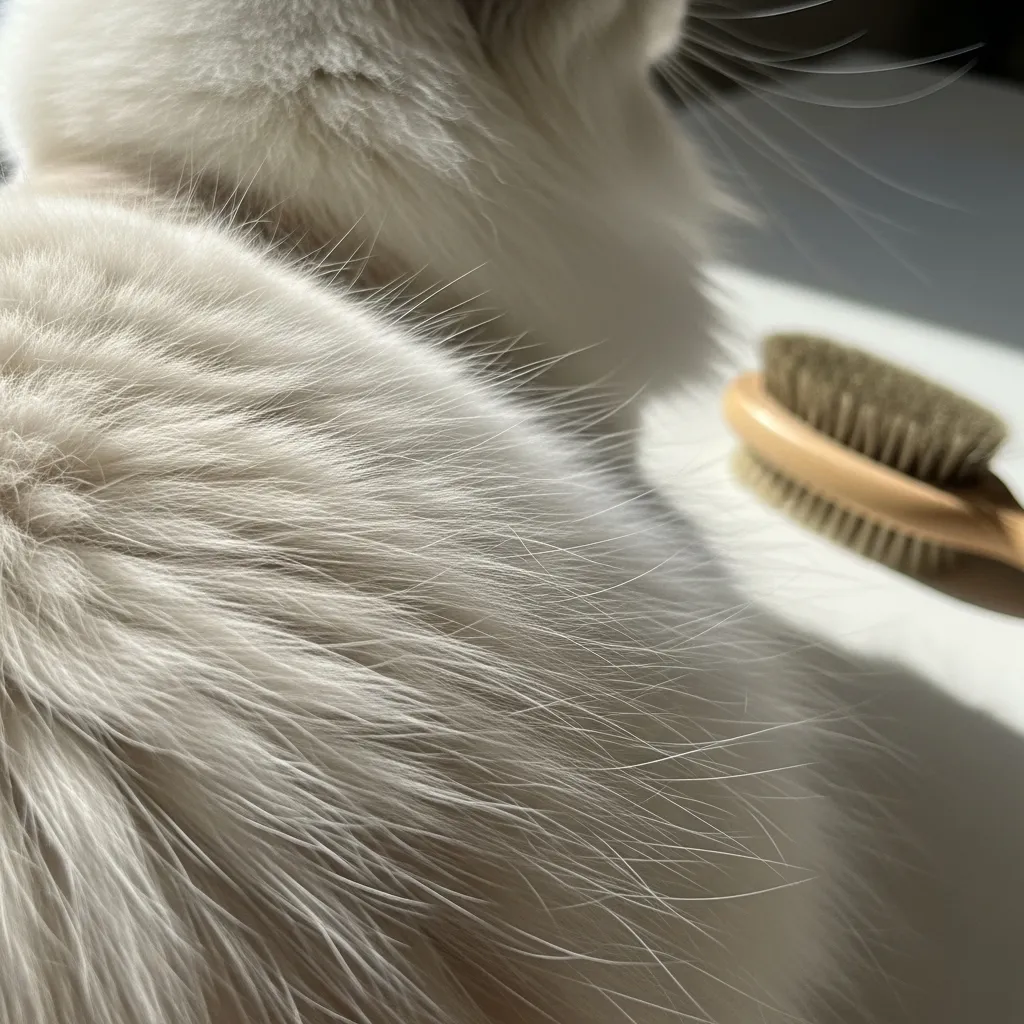
When I first saw my Ragdoll’s long fur, I panicked. I thought I would need to brush her every single day. The truth is much nicer. Their coat is silky and doesn’t mat as easily as other long-haired breeds.
A good brushing twice a week is usually enough to keep their fur smooth and free of tangles. They don’t have a thick, woolly undercoat, which also means they shed less than you might expect.
Focus on the areas behind their ears and their fluffy britches (the fur on their back legs). A metal comb works wonders here. Keep it up, and you’ll have a happy, tangle-free cat.
3. They Are a Slow-Maturing Breed
Ragdolls are big cats, but they take their sweet time getting there. Most don’t reach their full size or weight until they are three to four years old. Your kitten will look like a teenager for quite a while.
This slow growth means their nutritional needs change over time. A high-quality kitten food is important for the first year. After that, you can slowly transition to an adult formula.
Males often grow much larger than females, sometimes reaching up to 20 pounds. Enjoy the long kitten phase—it’s a wonderful time to build good habits and watch their personality bloom.
4. They Have a Dog-Like Personality
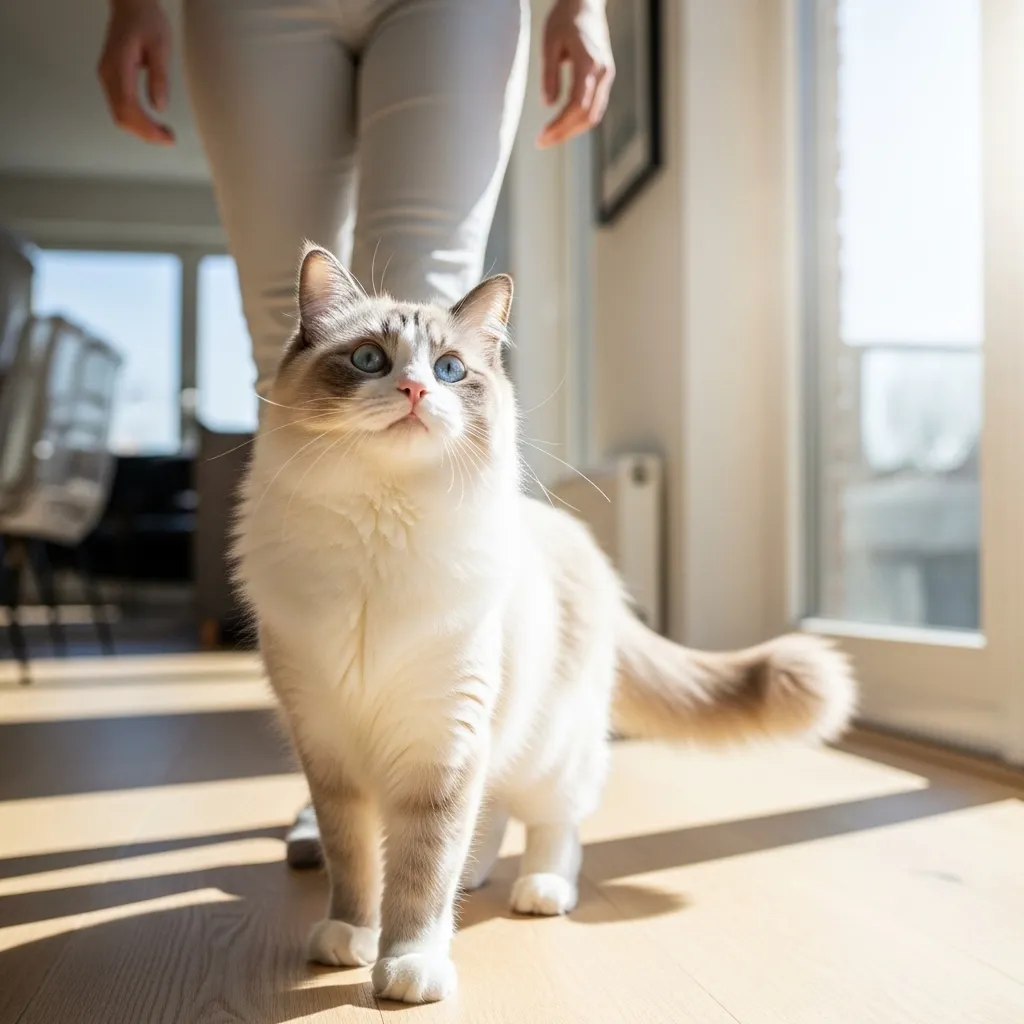
This is probably the most famous fact about Ragdolls, and it’s completely true. My Ragdoll follows me from room to room, waits by the door when I’m gone, and comes running when I call her name. It’s not a trick—it’s just how they are.
They love being involved in whatever you are doing, whether it’s folding laundry or reading a book. They are not the type to hide under the bed when guests come over. They want to be part of the action.
Because of this, they can suffer from separation anxiety if left alone for long periods. If you work long hours, consider getting two Ragdolls or another pet to keep them company.
5. They Are Vocal, But Not Annoyingly So
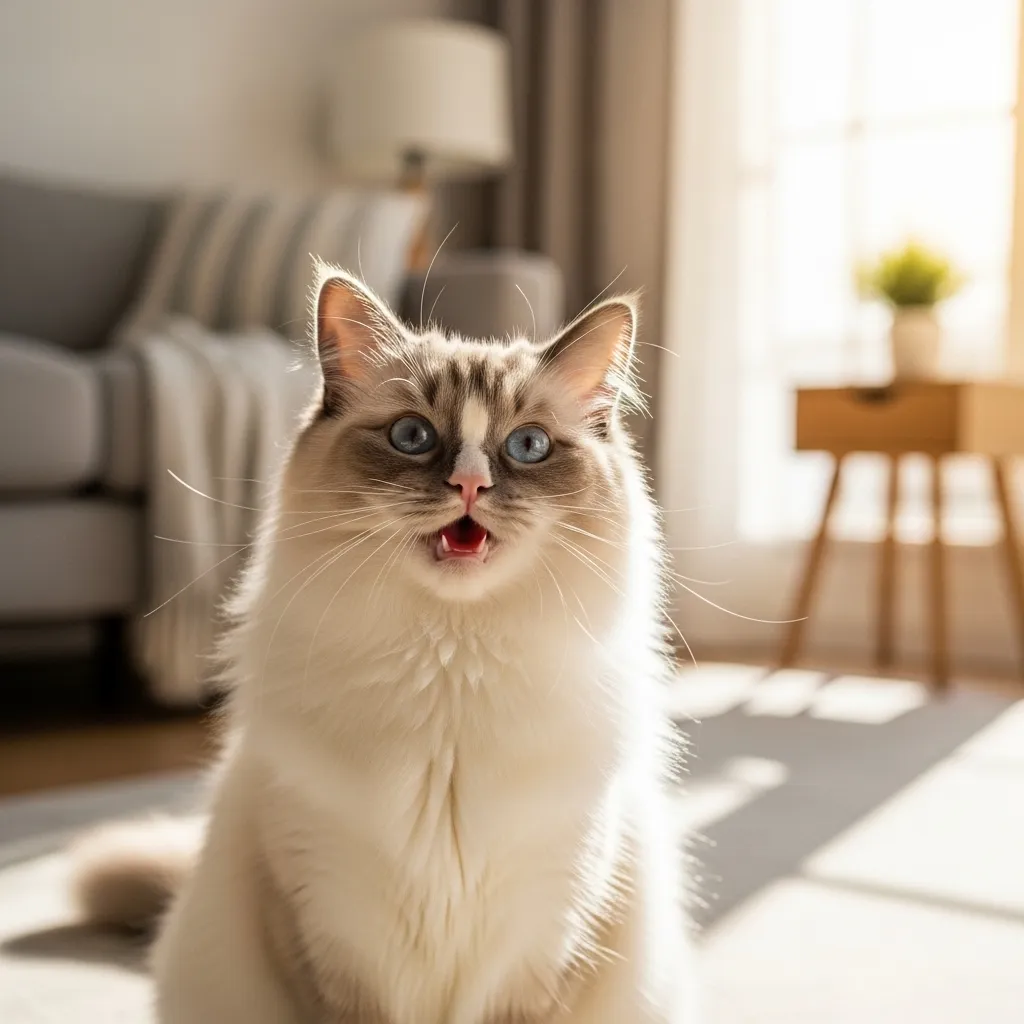
Ragdolls have a soft, sweet voice. They don’t yowl like some breeds, but they will chirp, trill, and meow to communicate with you. It’s a very gentle sound that feels more like a conversation than a demand.
They talk to you when they are hungry, when they want a cuddle, or just to say hello. It’s one of my favorite things about them. You’ll quickly learn to tell the difference between their “I’m hungry” meow and their “pet me” meow.
This gentle vocalization makes them great for apartments or homes where you want a quiet, but still interactive, companion.
6. They Are Indoor Cats, Through and Through
Ragdolls are simply too trusting and friendly to be outdoor cats. They don’t have the street smarts to deal with cars, other animals, or dangerous situations. Their docile nature makes them an easy target.
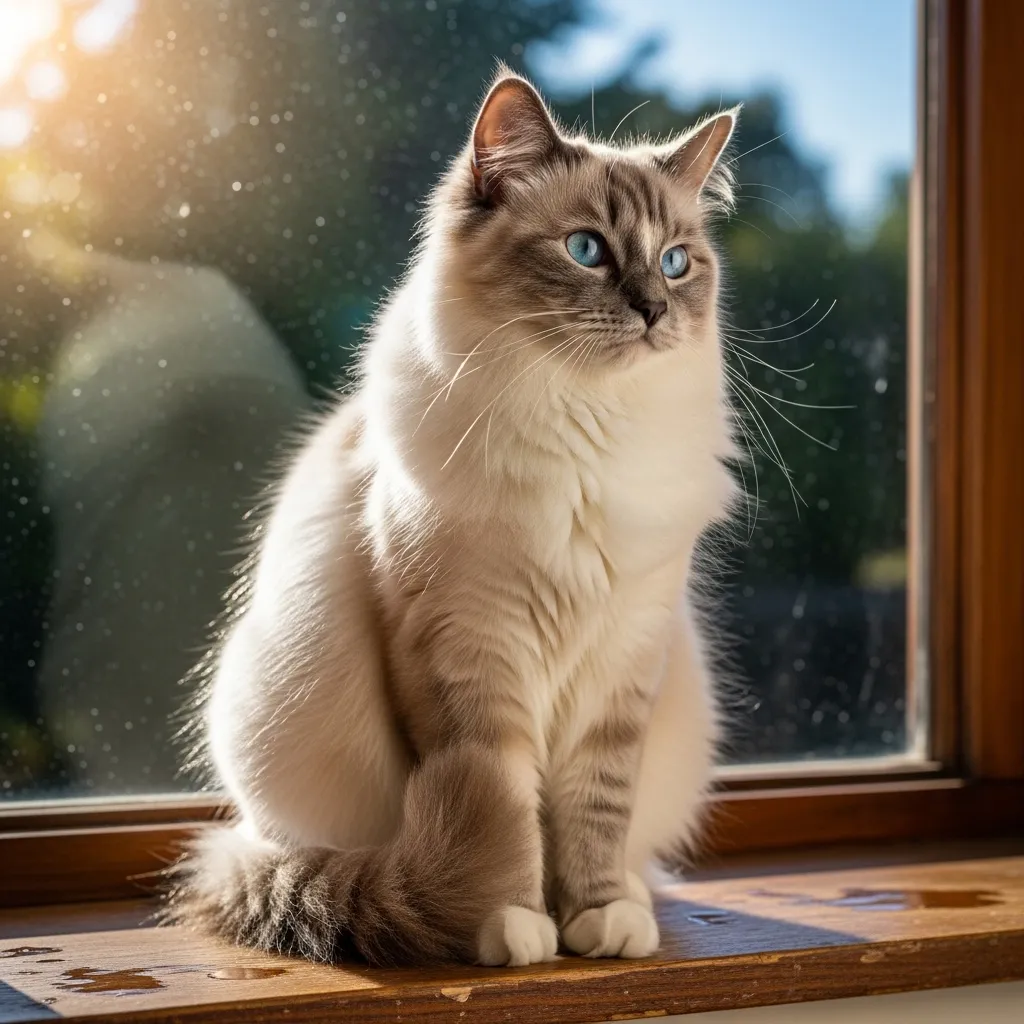
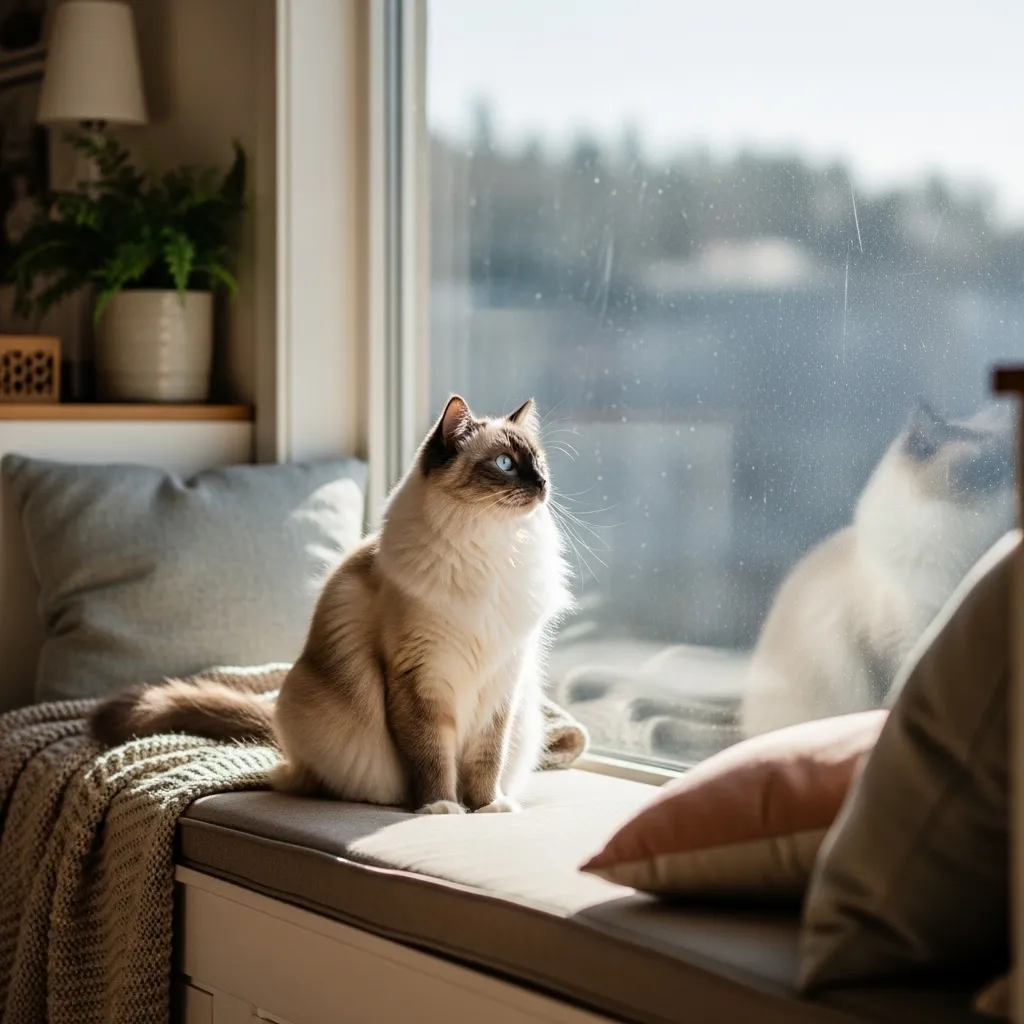
Keeping them inside is the safest and happiest choice for them. They don’t have a strong prey drive, so they are perfectly content watching birds from a sunny window sill.
Make sure your home is a safe, enriching environment. Cat trees, window perches, and interactive toys will keep your indoor Ragdoll healthy and entertained for years.
7. They Are Social Butterflies
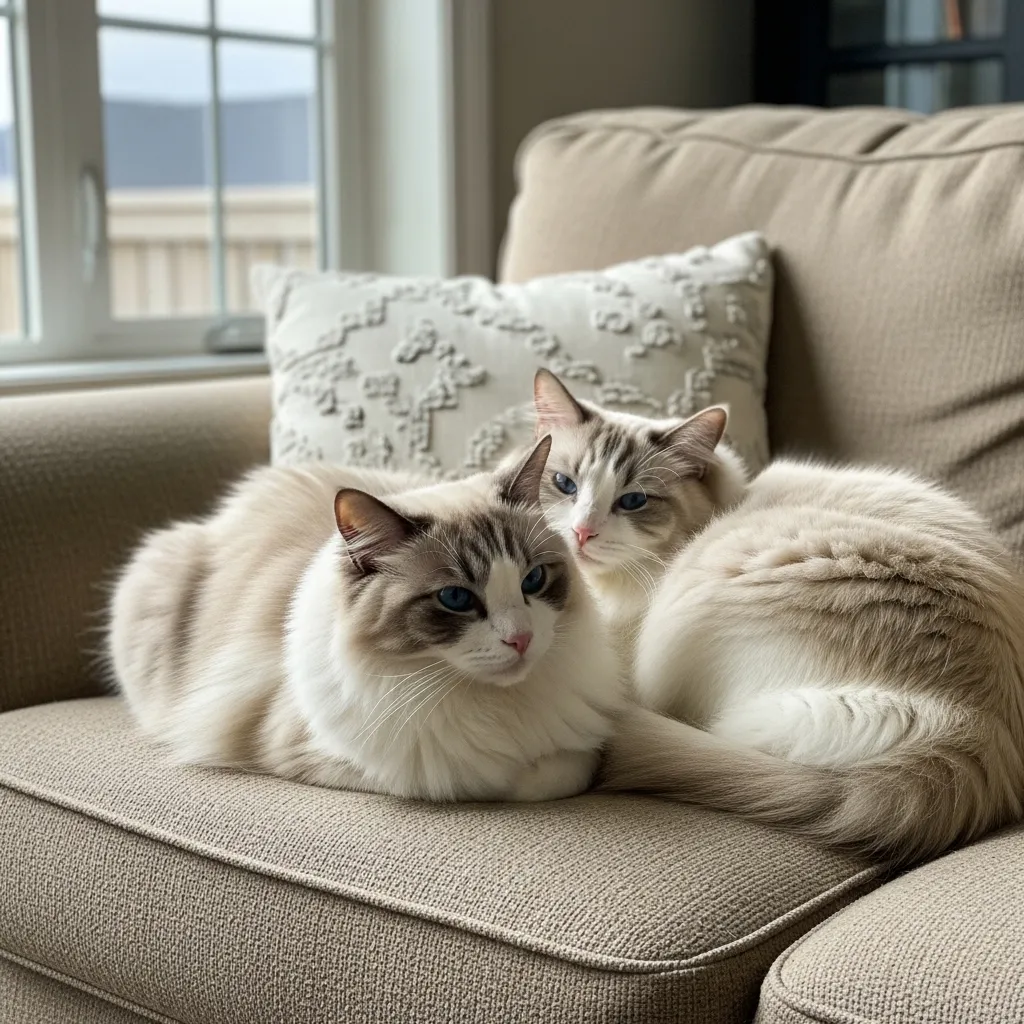
Your Ragdoll will want to be friends with everyone. They are not one-person cats. They usually get along well with children, other cats, and even cat-friendly dogs. Their gentle nature makes them a perfect family pet.
If you are introducing a Ragdoll to a home with other pets, take it slow. Give them a safe space to retreat to at first. Once they feel comfortable, they will likely become the peacemaker of the group.
They thrive on companionship. A lonely Ragdoll is a sad Ragdoll. If you have a busy household, they will love all the attention and chaos.
8. Their Blue Eyes Are Stunning, But Require Care
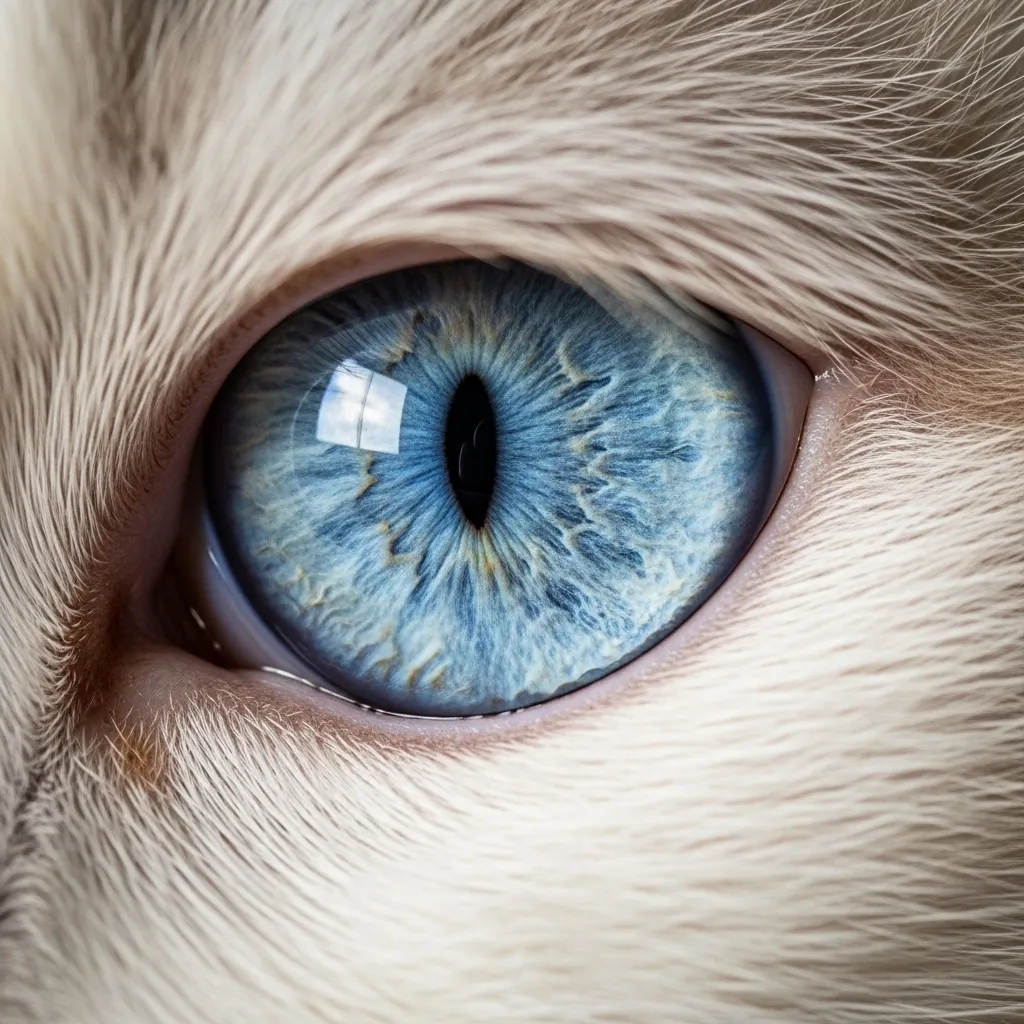
Those deep, brilliant blue eyes are a hallmark of the breed. They are truly gorgeous, but they can be prone to a few issues. Tearing is common, especially in lighter-colored cats.
Keep a soft, damp cloth handy to gently wipe away any tear stains. This is mostly a cosmetic thing, but it keeps them comfortable and looking their best. If you notice excessive redness or discharge, a quick vet visit is a good idea.
Regular check-ups will help keep their beautiful eyes healthy for a long life. It’s a small price to pay for those loving, sapphire stares.
9. They Are Not as Hyper as Other Breeds
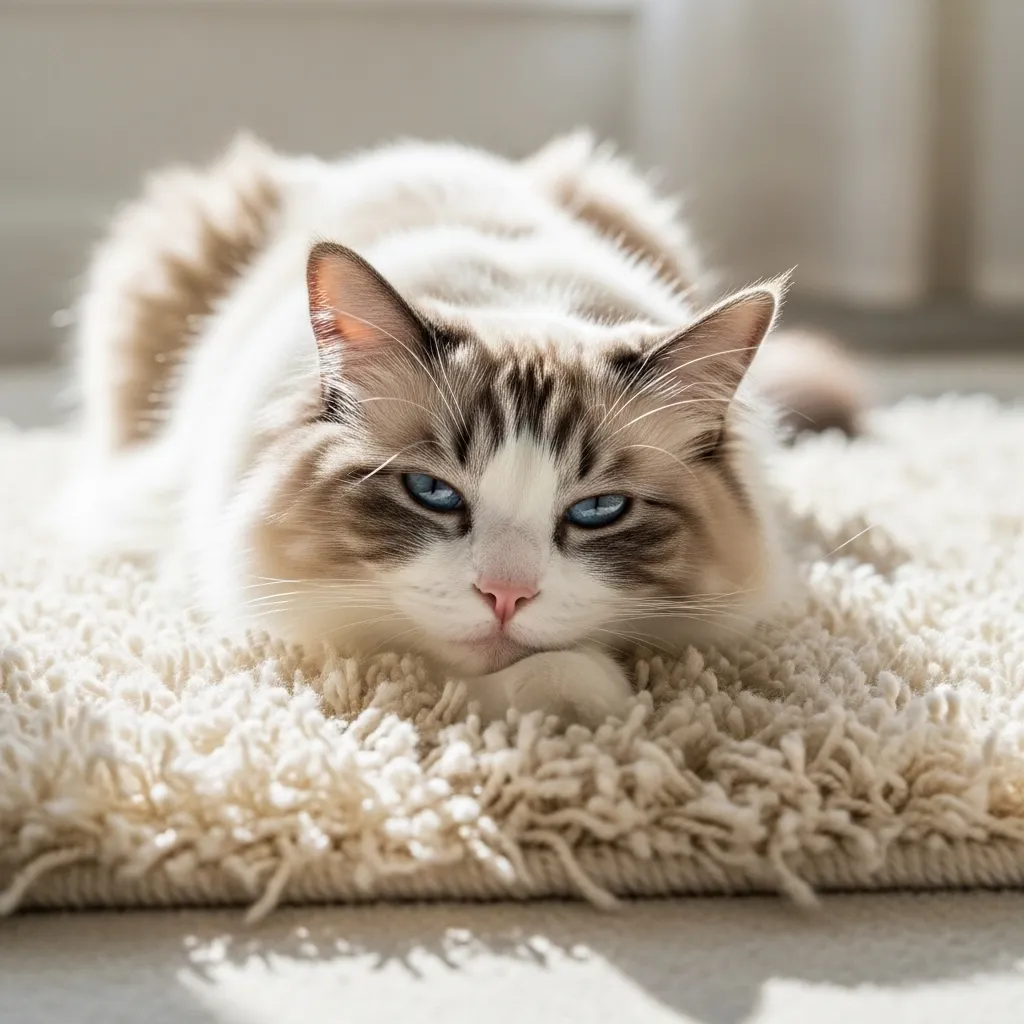
Ragdolls are not known for being wild, high-energy cats. They have playful moments, especially in the morning and evening, but they are generally calm and relaxed. They prefer a good cuddle over a frantic game of chase.
This doesn’t mean they are lazy. They still need playtime and stimulation. A few short sessions with a wand toy or a puzzle feeder will keep them happy and healthy without wearing you out.
Their calm demeanor makes them excellent therapy cats and perfect for people who want a peaceful, loving home companion.
10. They Need a Proper Scratching Post
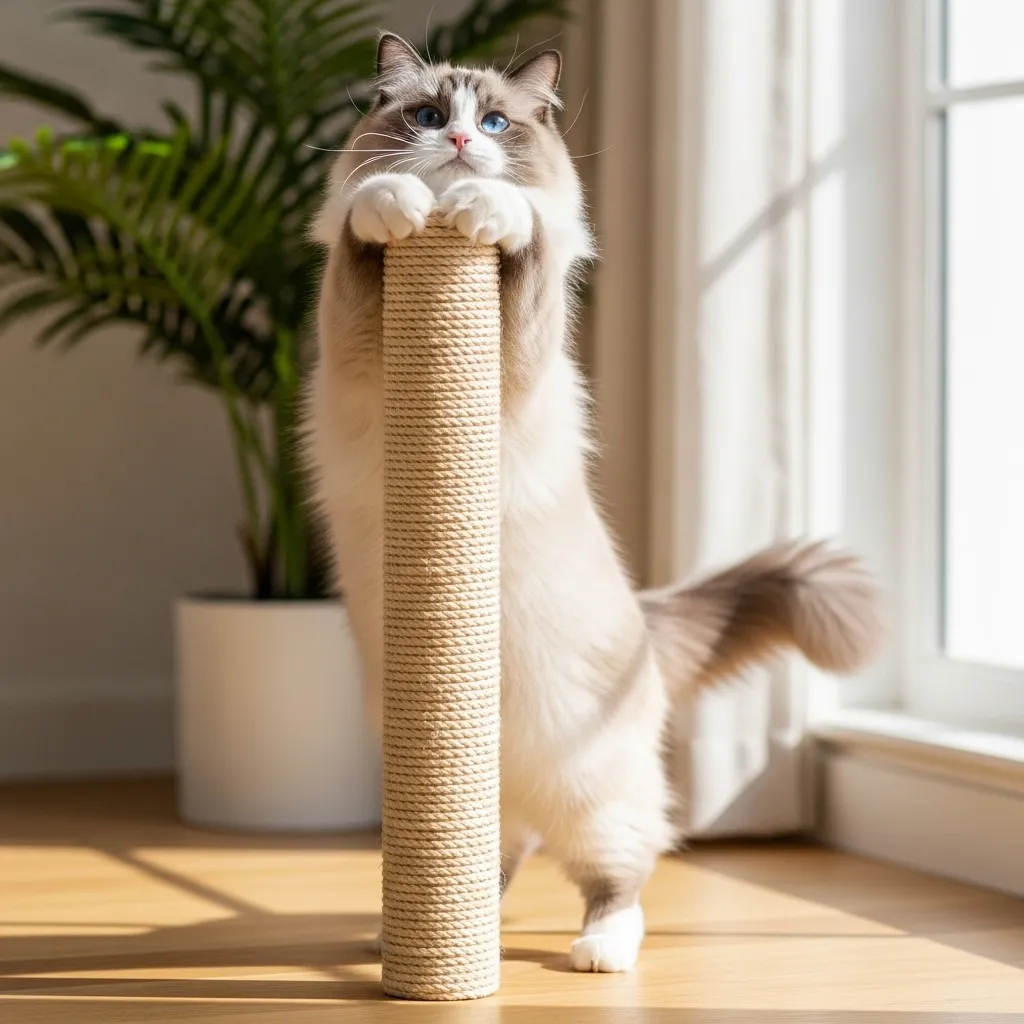
Like all cats, Ragdolls need to scratch. But because they are so big and fluffy, they need a tall, sturdy scratching post. A small, flimsy one will tip over and frustrate them.
Look for a post that is at least 32 inches tall so they can fully stretch. Sisal rope is the best material. Place it in a spot where they like to hang out, not hidden in a corner.
If you provide a good outlet for scratching, your furniture will thank you. It’s a simple investment that pays off in peace of mind.
11. They Are Prone to a Specific Health Issue
The most common health concern for Ragdolls is Hypertrophic Cardiomyopathy (HCM), a form of heart disease. It’s a serious condition, but responsible breeders screen for it. Always ask to see health clearances for the parents.
Beyond HCM, they are generally a healthy breed. Regular vet check-ups and a good diet are essential. Keeping them at a healthy weight is also important since they can be lazy eaters.
Knowing about this risk upfront allows you to be proactive. Early detection makes a huge difference in managing the condition.

12. They Are Worth Every Bit of Fluff
Living with a Ragdoll is a unique, wonderful experience. They are not just pets—they are true companions who will sit with you through the good days and the bad. Their gentle, loving nature is a gift.
They have their quirks, like following you into the bathroom or sleeping on your pillow. But these little habits are what make them so endearing. You’ll find yourself laughing at their silly antics every day.
If you are ready for a loyal, beautiful, and incredibly sweet cat, a Ragdoll is an amazing choice. They will fill your home with warmth, purrs, and so much love.

Conclusion
Bringing a Ragdoll cat into your home is a decision you won’t regret. They are truly special animals with hearts as big as their fluffy bodies. By understanding their unique needs—from their social nature to their slow growth—you can give them the best life possible.
Take the time to bond with your new friend. Play with them, talk to them, and let them be part of your daily life. The love they give back is immeasurable. Welcome to the wonderful world of Ragdoll ownership!
Frequently Asked Questions
Are Ragdoll cats hypoallergenic?
No, no cat is truly hypoallergenic. However, because Ragdolls have a single-layer coat and produce less of the Fel d 1 protein than some breeds, some people with mild allergies find them easier to live with. It really depends on the individual person.
How much do Ragdoll cats cost?
Ragdolls are a popular breed, so they are not cheap. From a reputable breeder, you can expect to pay between $800 and $2,500. The price depends on the cat’s lineage, color, and location. Always choose a breeder who prioritizes health over profit.
Do Ragdoll cats like water?
Generally, no. Most Ragdolls are not fans of water. They will avoid baths if they can. However, some individual cats might be curious about a dripping faucet. It’s best to keep them away from open water sources for their safety.
How long do Ragdoll cats live?
With proper care, a healthy diet, and regular vet visits, Ragdolls typically live between 12 and 17 years. Some have been known to live into their early 20s. Good genetics and a loving home are key factors.
Do Ragdoll cats need a lot of attention?
Yes, they do. They are very social and bond deeply with their humans. If you are away from home for long hours every day, a Ragdoll might not be the best fit unless you have another pet to keep them company. They thrive on interaction and love.