12 Ways to Help Your Overweight Indoor Cat
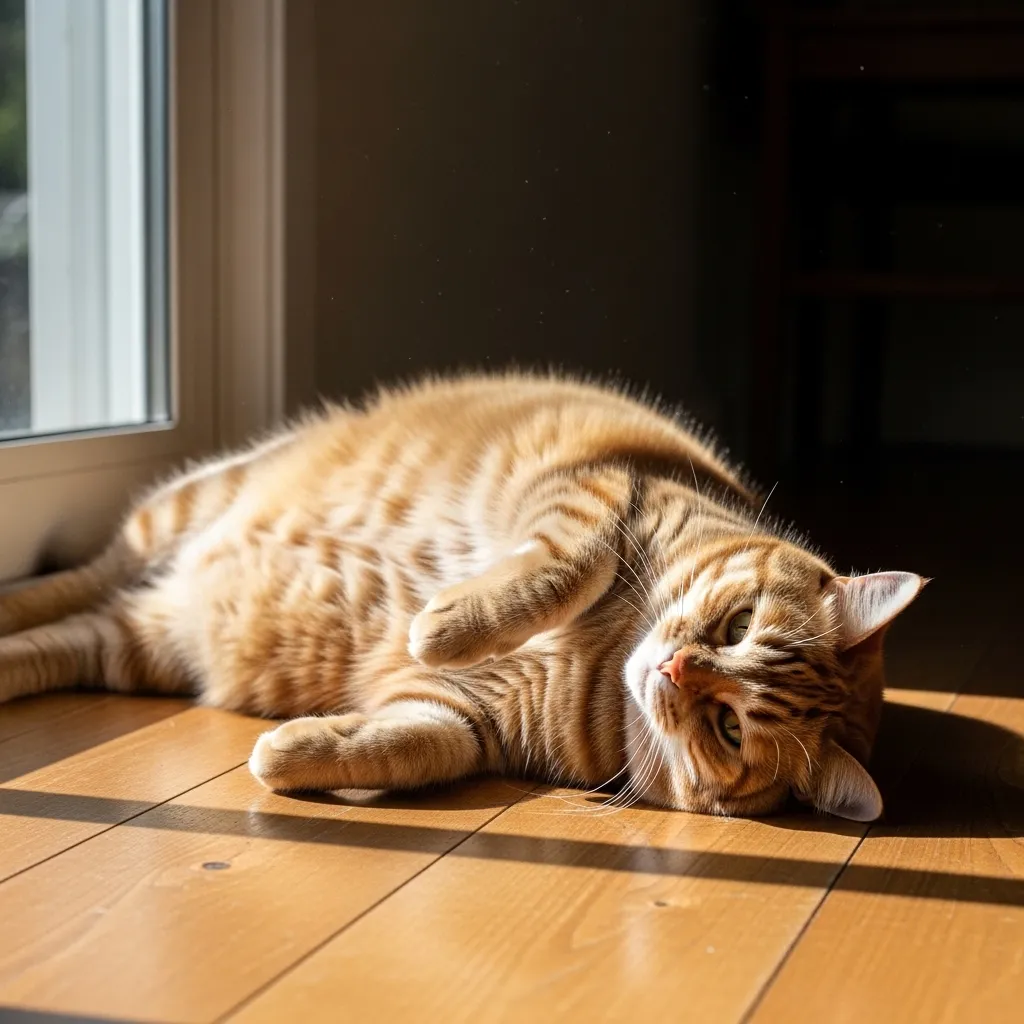
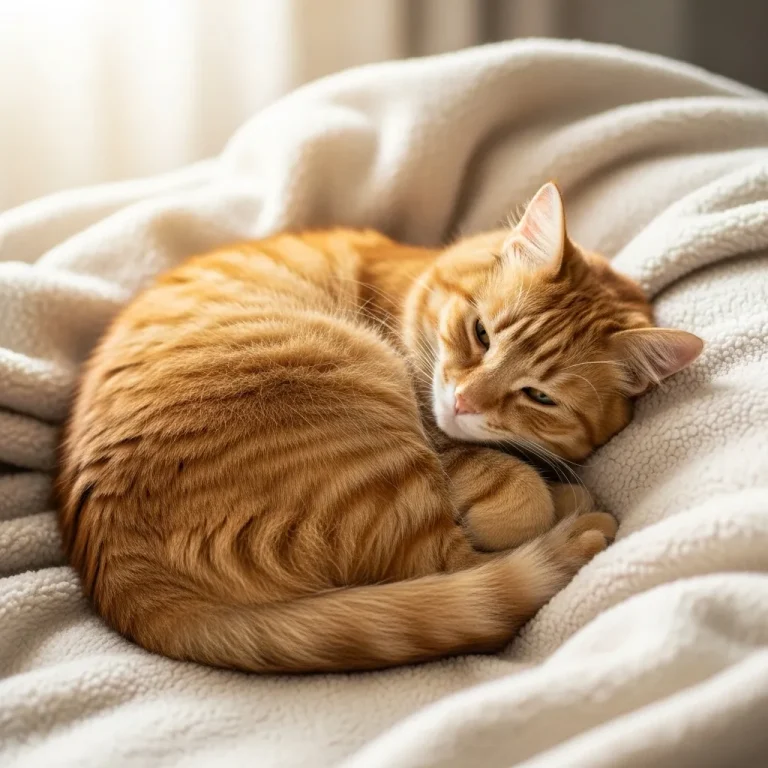
I never thought my sweet tabby, Mochi, would become a chunky kitty. But one day, I looked at her lounging on the cat tree and realized she had turned into a little potato with legs. Indoor cats are prone to weight gain. They sleep a lot, move little, and food is always just a meow away.
Helping your cat lose weight isn’t about starving her. It’s about small, loving changes that make a big difference. I’ve tried many things with Mochi—some worked, some didn’t. Here are the 12 strategies that actually helped us trim down together.
1. Switch to a Scheduled Feeding Routine
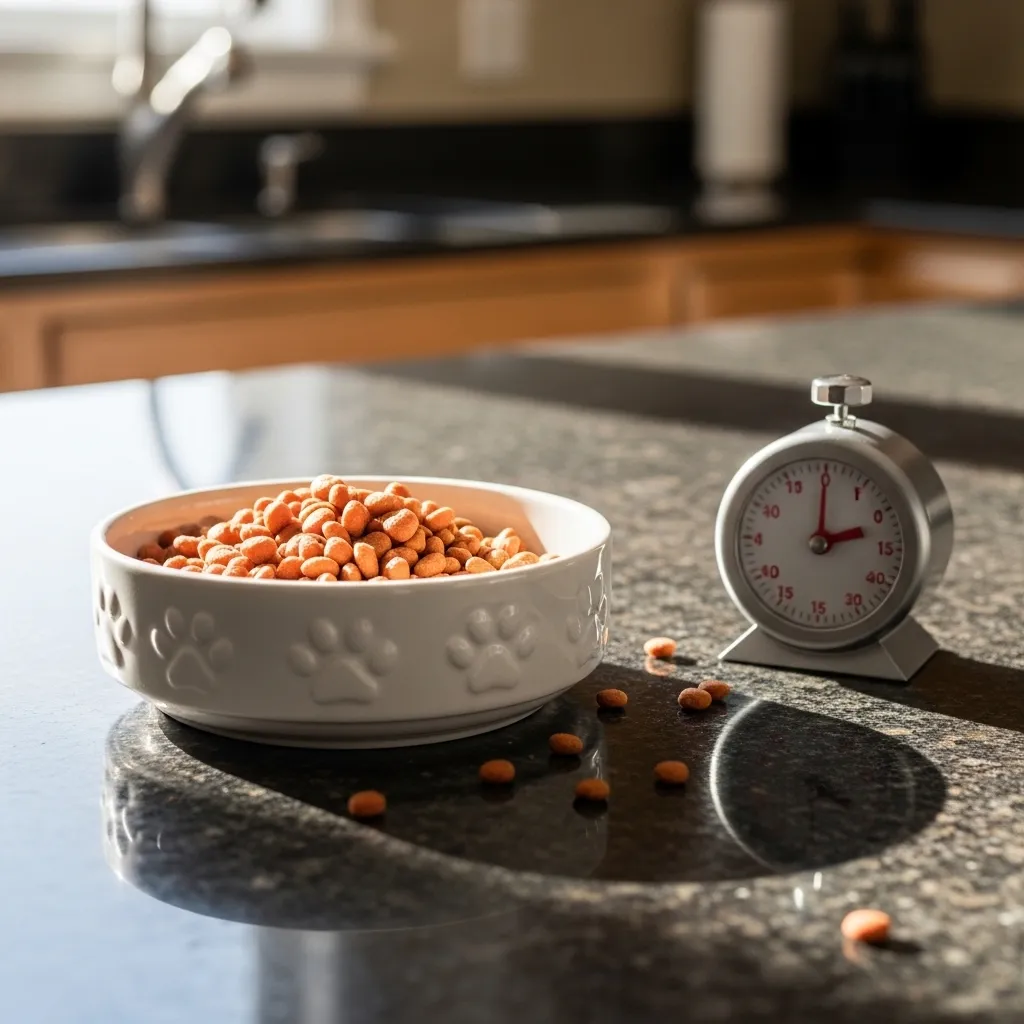
Free feeding is the number one culprit for chubby cats. I used to leave a full bowl out all day. Mochi ate out of boredom, not hunger. Now, I feed her twice a day—morning and evening. She eats her portion in 15 minutes, and the bowl goes away.
Cats thrive on routine. A scheduled feeding also helps you control portions. Talk to your vet about how much your cat really needs. You might be surprised how little it is.
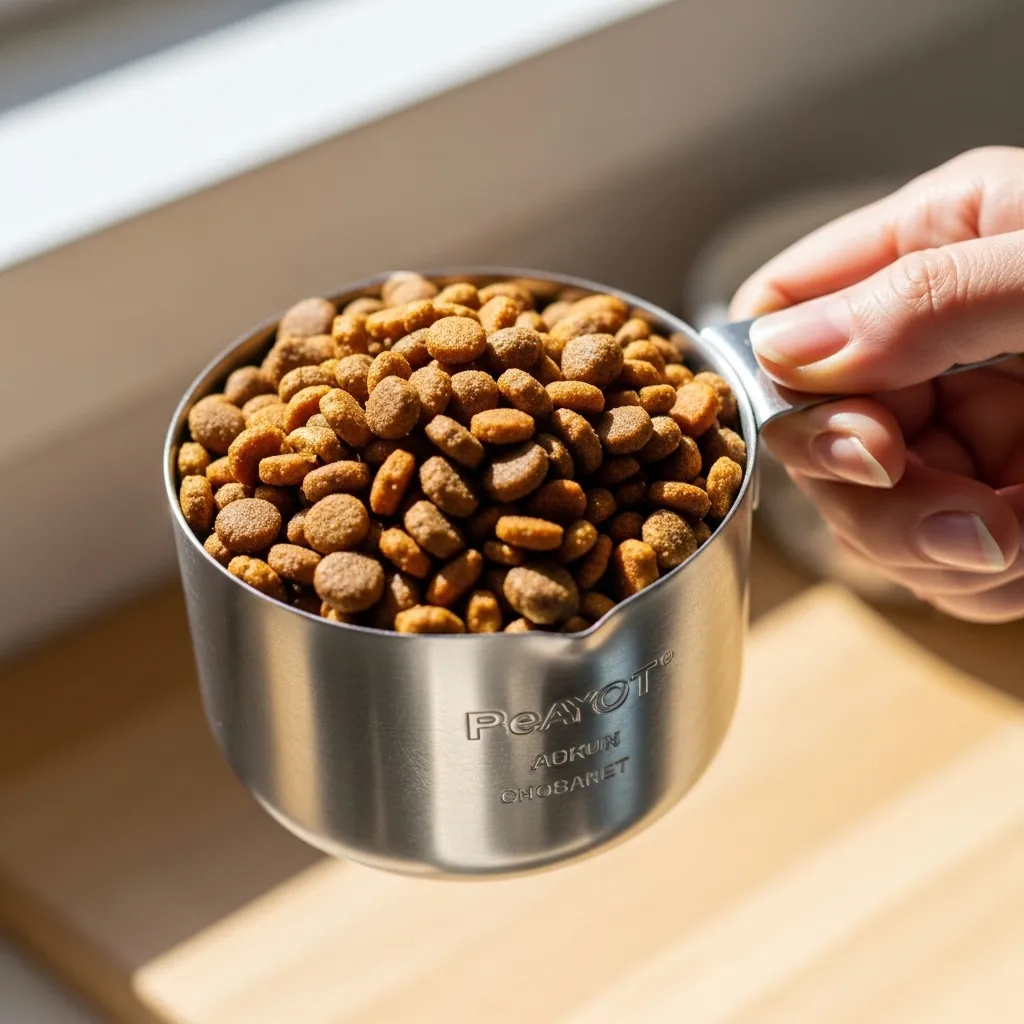
2. Use a Measuring Cup for Every Meal
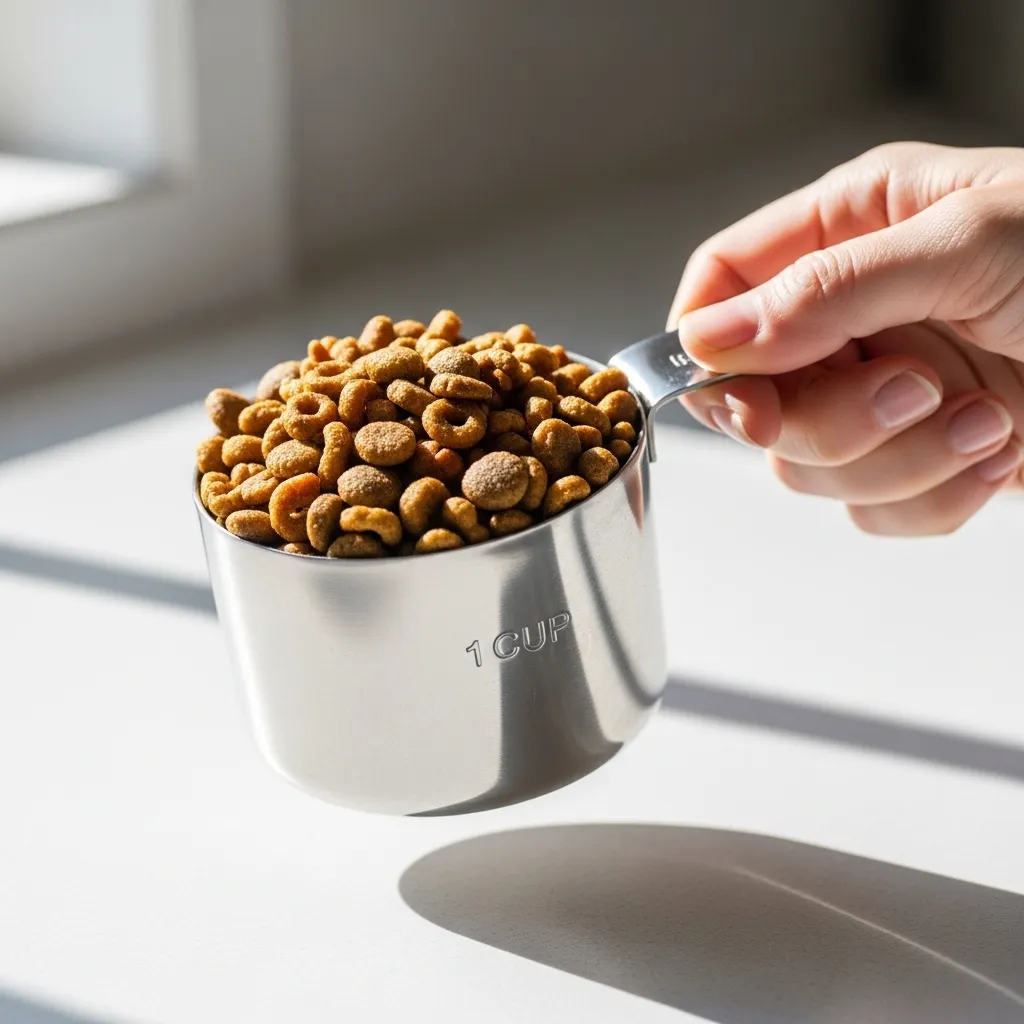
I used to eyeball the kibble. Big mistake. A quarter cup can look different every time. Now I use a small measuring cup or a kitchen scale. This simple change alone helped Mochi lose half a pound in a month.
Even treats count. If you give treats, subtract them from her daily food allowance. A single treat might be 10% of her daily calories.
3. Make Her Work for Her Food
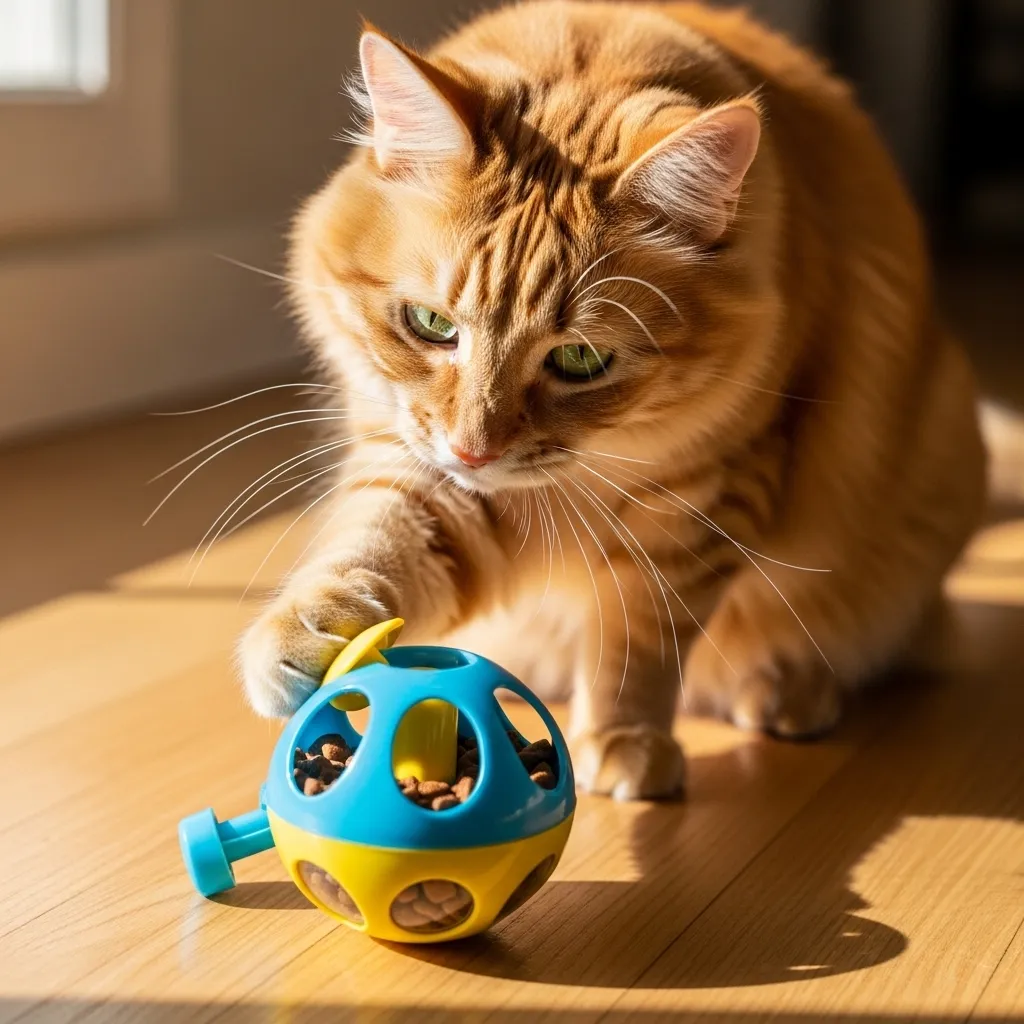
Food puzzles are a game changer. I bought a simple plastic ball that dispenses kibble when Mochi bats it around. She has to chase, nudge, and figure it out. It slows down her eating and burns energy.
You can also hide small portions of kibble around the house. Under a rug, on a low shelf, or inside a cardboard box. It turns mealtime into a little adventure.
4. Replace Some Kibble with Wet Food
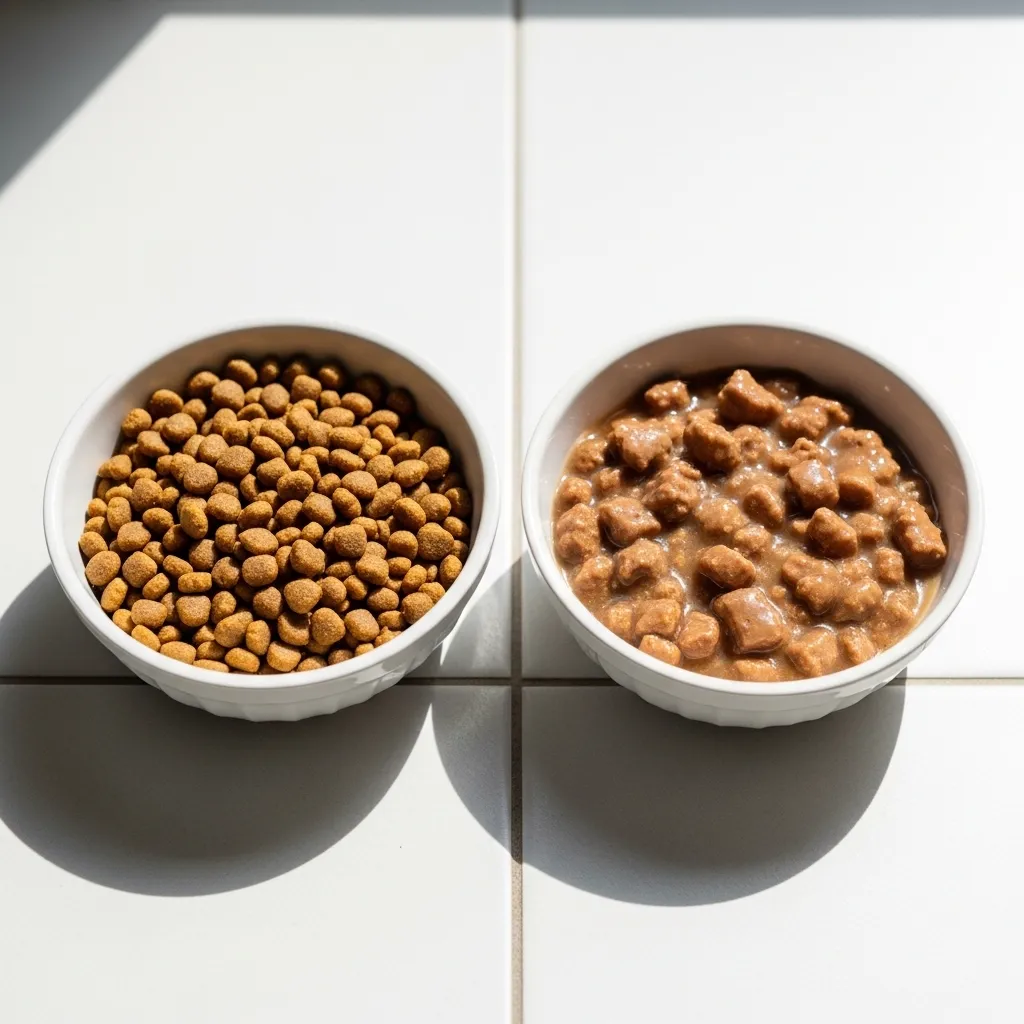
Dry food is calorie-dense and low in moisture. Wet food has more water and fewer calories per serving. I swapped one dry meal for a small can of high-quality wet food. Mochi feels fuller with fewer calories.
Wet food also helps with hydration. Indoor cats often don’t drink enough water. This switch helped Mochi’s digestion and her waistline.
5. Create a Daily Play Habit
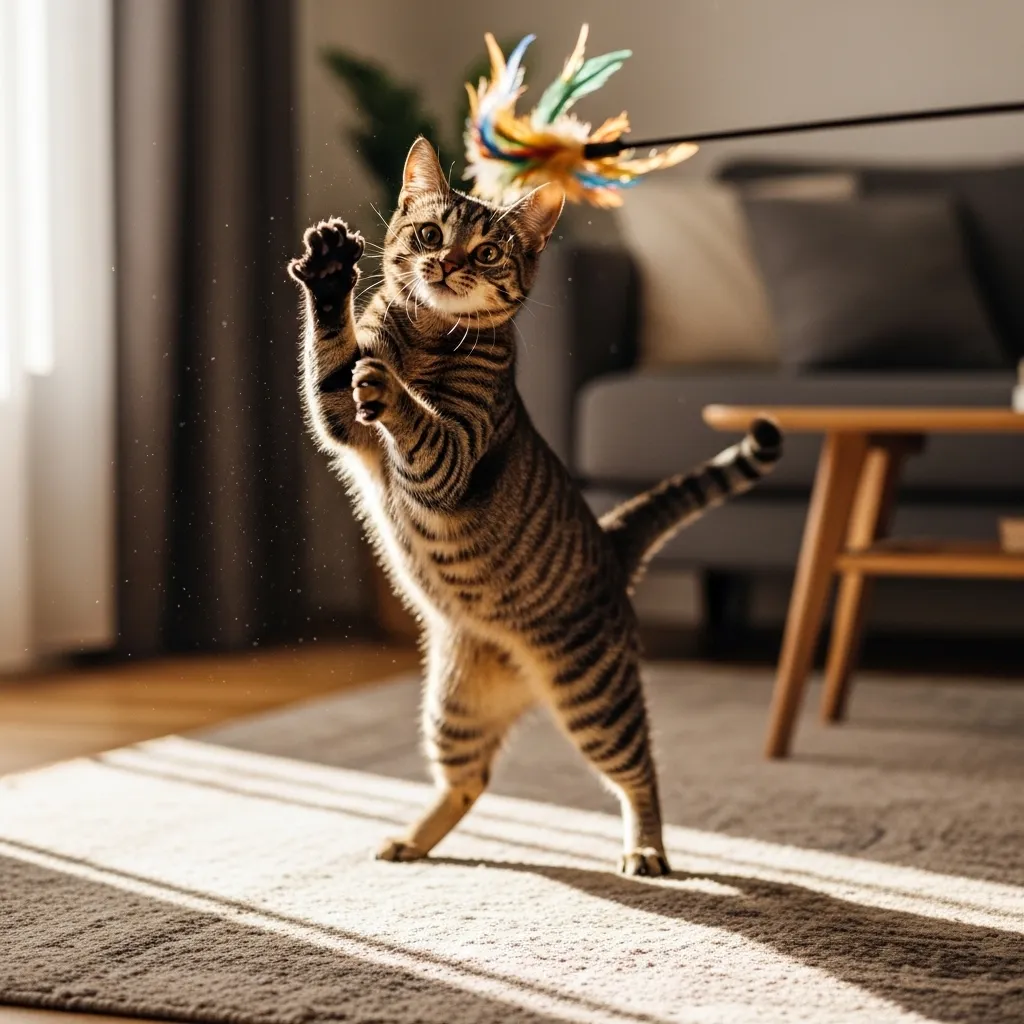
I used to think playtime was optional. Now I schedule two short sessions each day—just 5 to 10 minutes. A wand toy with feathers or a laser pointer gets Mochi running and jumping. She loves it, and I love seeing her active.
Don’t overdo it at first. Start slow and let your cat build stamina. Consistency matters more than intensity. Even a few minutes of play every day adds up.
6. Use Treats Strategically, Not Casually
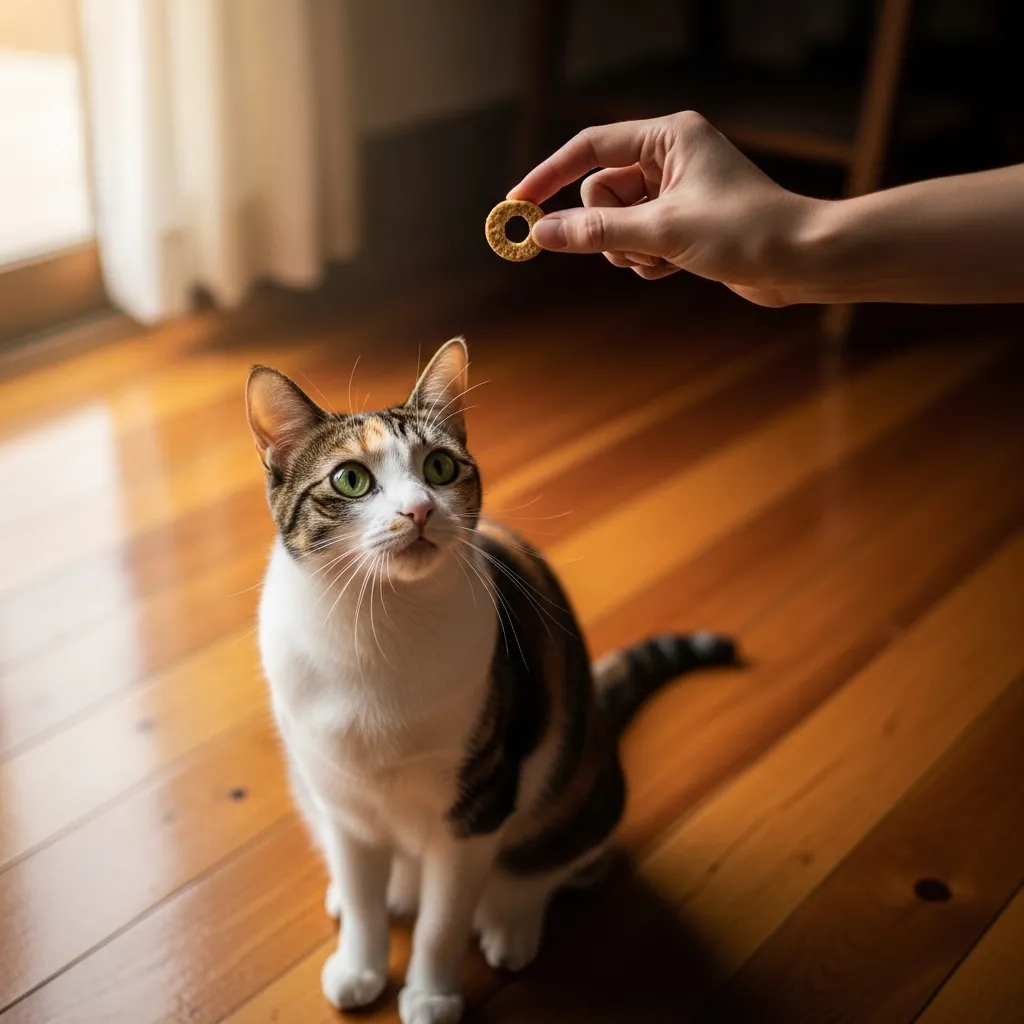
I used to give Mochi a treat every time she looked cute. That was a lot of treats. Now I only give treats for playtime rewards or after a good grooming session. She earns them.
You can also break treats into smaller pieces. One treat can become three tiny rewards. Your cat won’t know the difference, and you’ll cut calories without her feeling cheated.
7. Add Vertical Space to Your Home
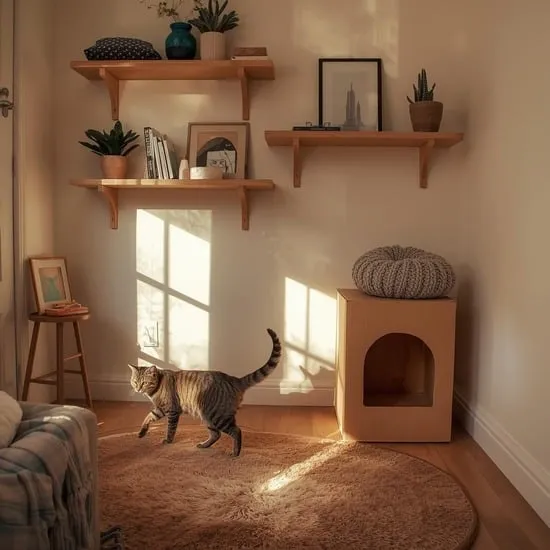
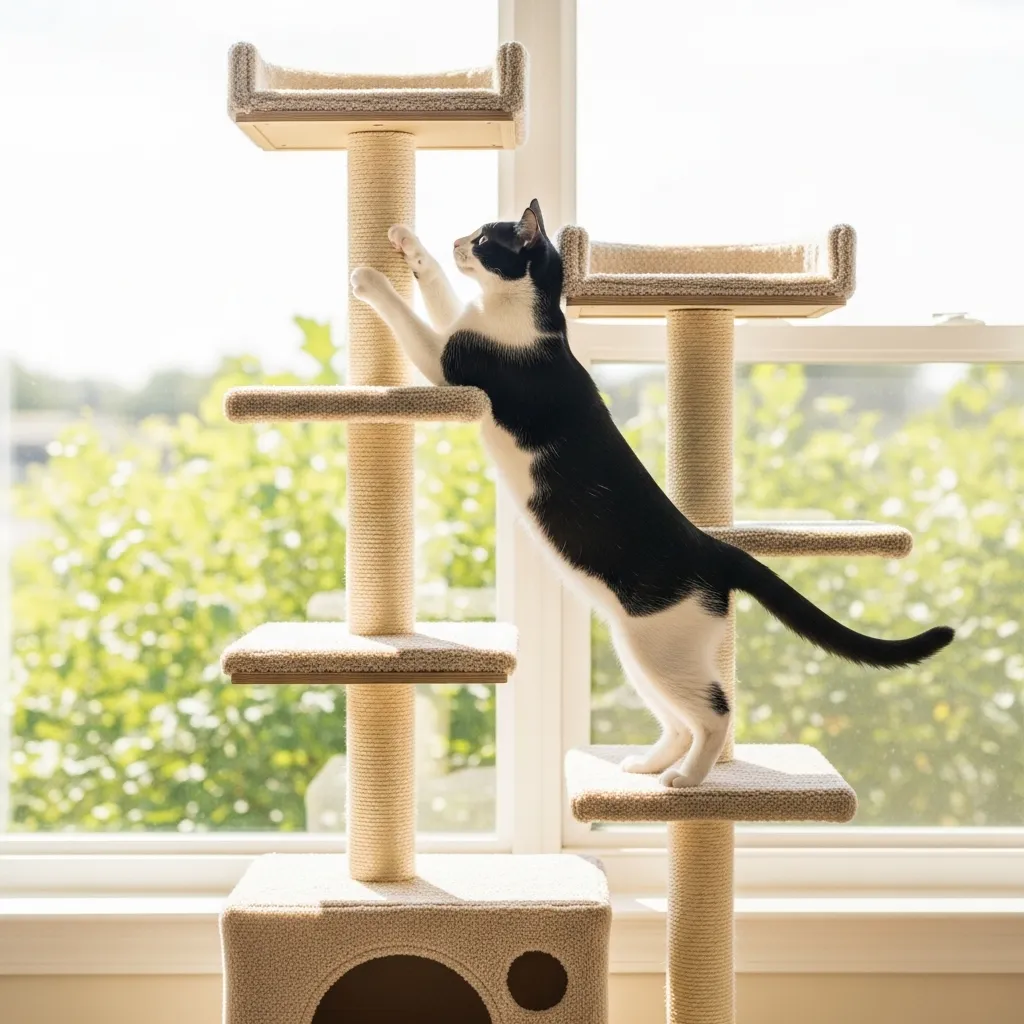
Indoor cats need ways to move in three dimensions. I added a tall cat tree near a window and a few wall shelves. Mochi now climbs, jumps, and stretches throughout the day. It’s like having a tiny jungle gym.
Vertical space also reduces stress. A happy cat is more likely to be active. Plus, watching her leap from shelf to shelf is pure entertainment.
8. Slow Down Her Eating
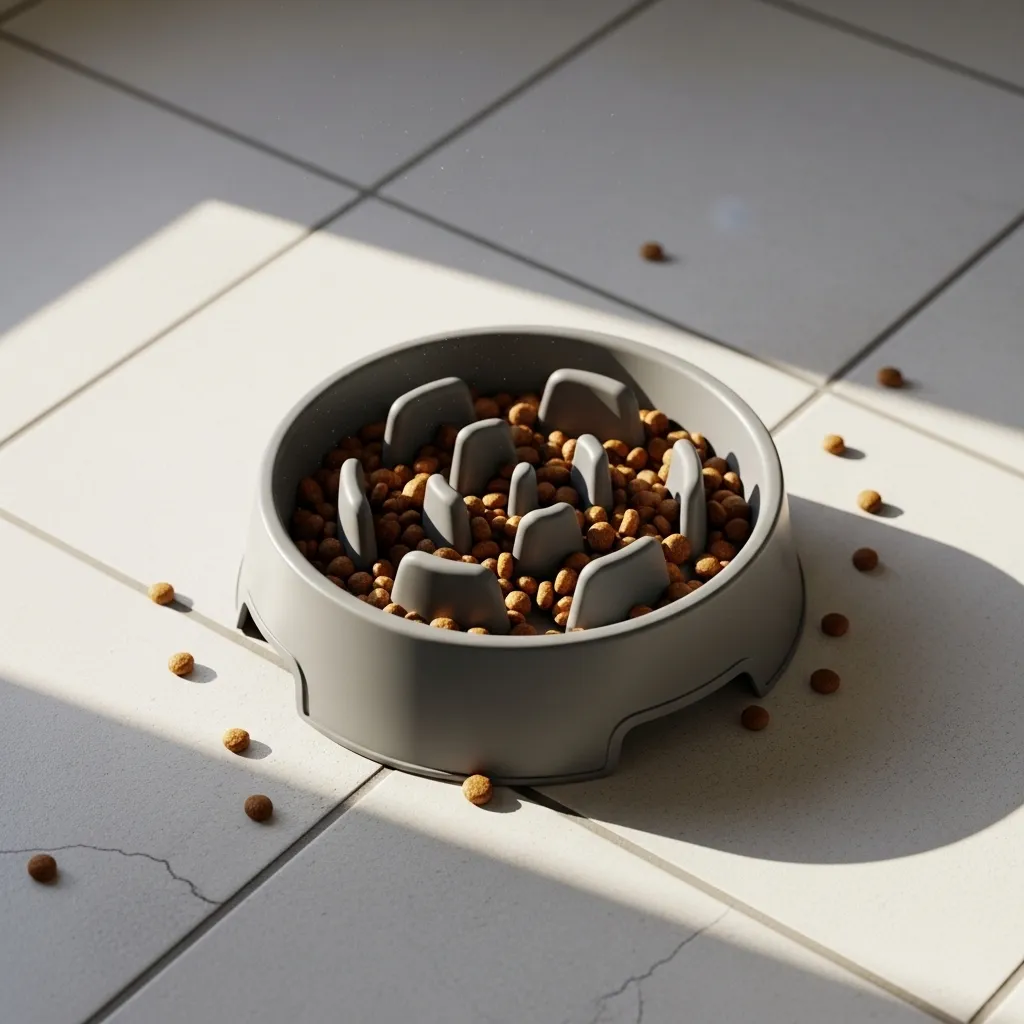
Some cats inhale their food in seconds. That can lead to overeating and vomiting. I bought a slow feeder bowl with raised ridges. It forces Mochi to pick around the bumps. She eats slower and feels full with less food.
You can also spread food on a flat plate. It makes her work a little harder. A simple change like this can help regulate appetite.
9. Keep Her Water Bowl Fresh and Moving
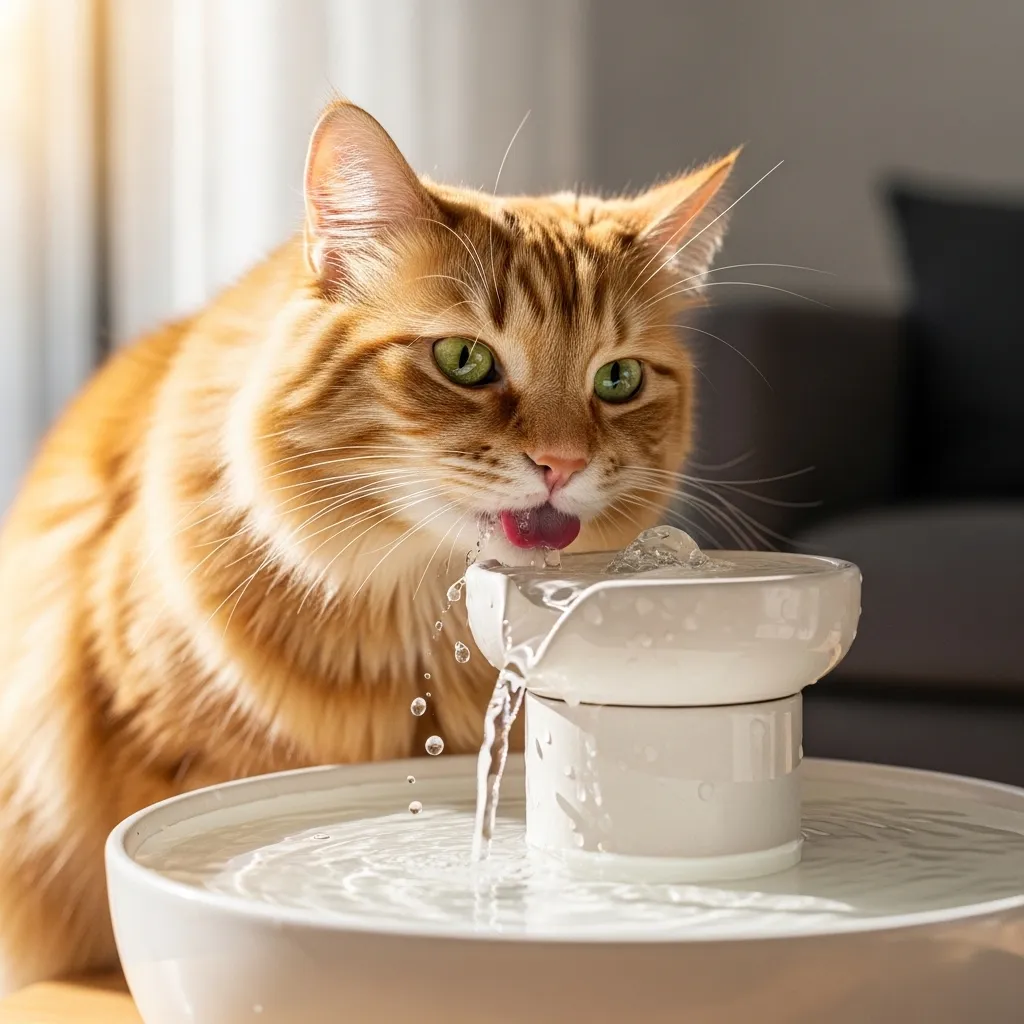
Dehydration can make a cat feel sluggish. A sluggish cat moves less and gains weight. I switched to a small cat water fountain. The moving water encourages Mochi to drink more. She’s more energetic now.
Place the fountain away from her food bowl. Cats prefer not to drink near where they eat. A fresh, cool drink helps her metabolism stay active.
10. Limit Access to High Places She Can’t Reach
It sounds backwards, but limiting access to certain areas encourages more movement. I used to keep Mochi’s food bowl in the kitchen. Now I place it on a low shelf in the living room. She has to walk across the house to eat.
You can also put her water bowl upstairs and food downstairs. She’ll burn extra calories just by moving between them. Every little bit helps.
11. Weigh Her Regularly at Home
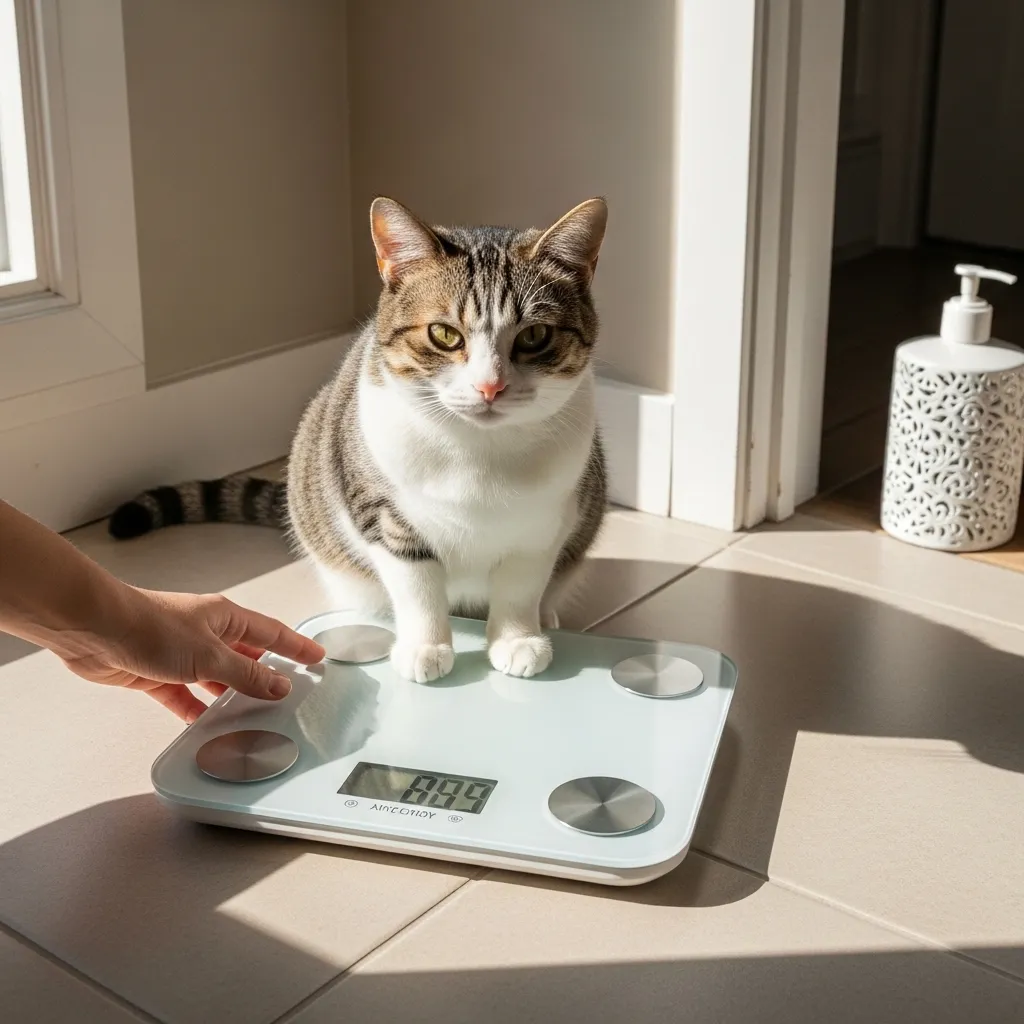
I bought a simple digital baby scale. Every two weeks, I weigh Mochi in the morning before breakfast. Seeing the numbers go down is motivating. If she stalls, I adjust her portions or playtime.
Don’t obsess over daily changes. Weight loss in cats is slow and steady. Aim for about half a pound per month. Celebrate small victories.
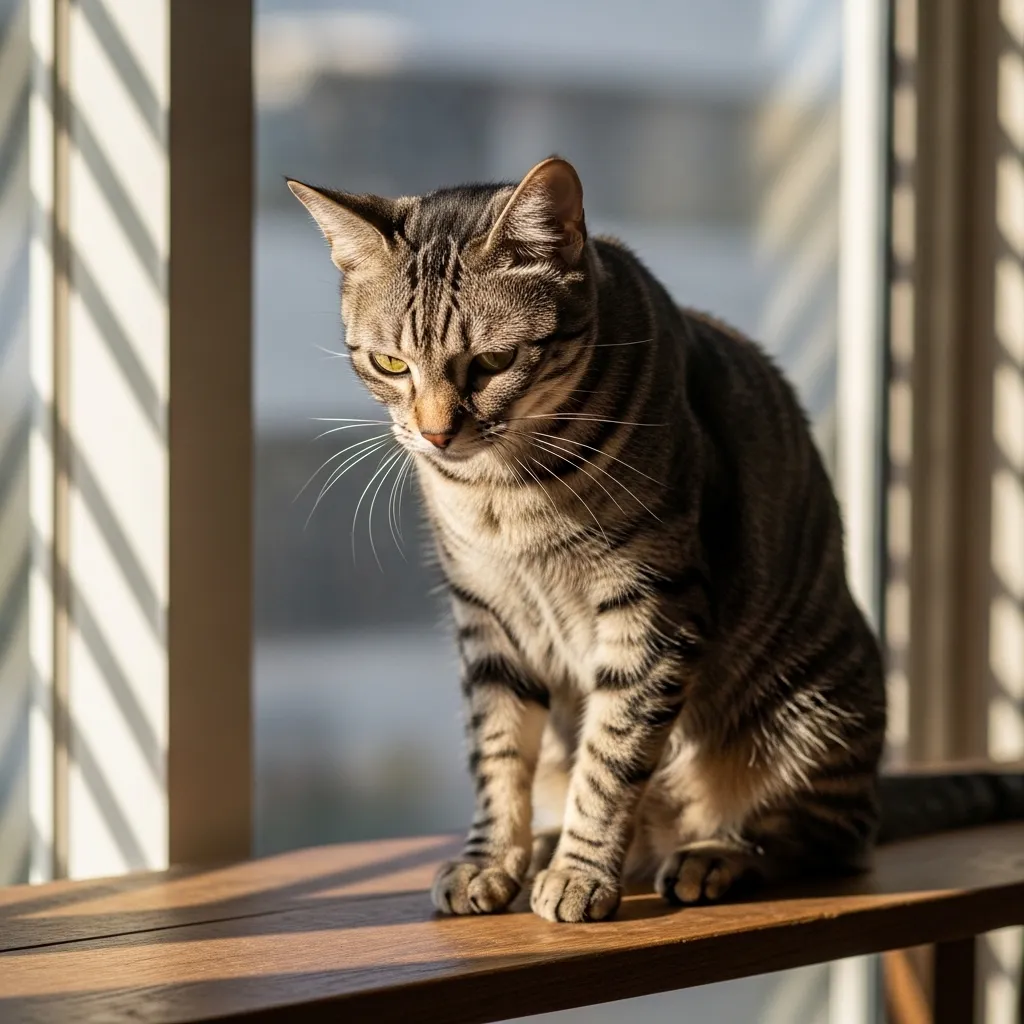
12. Get a Vet Check Before Starting
Before making any big changes, I took Mochi to the vet. Some health issues can cause weight gain or make weight loss hard. My vet ruled out thyroid problems and gave me a target weight. It made everything safer and more effective.
Your vet can also recommend a specific diet or calorie goal. Don’t guess. Professional guidance ensures your cat loses weight the right way—without losing muscle or energy.
Conclusion
Helping an overweight indoor cat is a journey, not a quick fix. I won’t pretend it was easy. There were days Mochi gave me the saddest eyes, begging for more kibble. But seeing her scamper up the cat tree now, instead of waddling, makes it all worth it.
Start with one or two ideas from this list. Small changes add up. Your cat will thank you with more energy, better health, and more years of cuddles by your side.
Frequently Asked Questions
How much weight should my indoor cat lose per week?
A safe rate is about 0.5 to 1 percent of body weight per week. For a 10-pound cat, that’s roughly 1 to 2 ounces per week. Slow and steady is best for cats.
Can I put my cat on a diet without a vet?
It’s not recommended. A vet can check for underlying health issues and recommend a safe calorie target. Sudden weight loss can be dangerous for cats.
What are the best low-calorie treats for cats?
Freeze-dried chicken or fish pieces are great. You can also use small bits of cooked plain chicken. Avoid treats with fillers or added sugars.
How do I know if my cat is overweight?
You should be able to feel her ribs with a light touch. If you can’t feel them, she may be overweight. Also check for a sagging belly or difficulty grooming her back end.
Will my cat be hungry on a diet?
She might feel hungry at first. But high-protein, low-calorie foods help her feel full. Slow feeders and food puzzles also make meals last longer. Most cats adjust within a week or two.