10 Creative Backyard Dog Potty Area Ideas
Let’s be real—keeping your yard looking good while your dog does their business can feel like a losing battle. I’ve been there. You want a space that’s easy to clean, doesn’t smell, and actually blends in with your garden. Not a mud pit or a yellow patch of grass.
After trying a few different setups myself and seeing what works for my friends, I’ve gathered some ideas that are both practical and pretty. These aren’t just boring patches of gravel. They’re functional spots that make cleanup simple and keep your outdoor space enjoyable for everyone. Whether you have a tiny city yard or a big suburban lawn, there’s a solution here for you.
1. The Hidden Gravel Patch
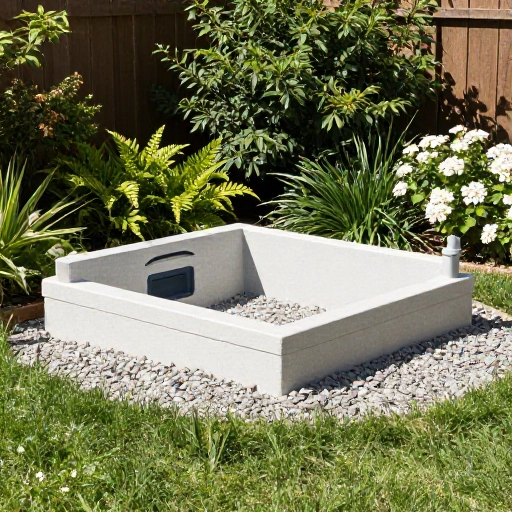
This one is my go-to for a reason. Instead of dedicating a whole section of your lawn to a dirt patch, use a shallow border of small, smooth pebbles. Pick a corner that’s out of direct view from your patio.
Dig down about three inches, lay down a weed barrier, and fill it with pea gravel. It drains fast, doesn’t hold smells, and the rocks are gentle on paws. Plus, it looks intentional—like a dry creek bed.
Just rake it once a week and hose it down. It’s almost zero maintenance.
2. Raised Planter Box with Dog-Safe Grass
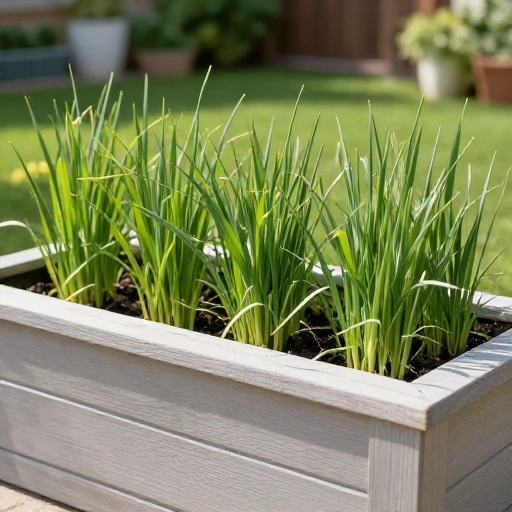
If your dog is a small breed or a senior, a raised potty box is a game-changer. Build or buy a low wooden planter box—about knee height—and fill it with sod or dog-safe artificial turf.
Place it on your deck or along a fence line. It keeps your dog off the main lawn and gives them a clear surface to aim for. You can train them to use it in just a few days.
I love that it doubles as a planter. Add some pet-friendly herbs like mint or rosemary around the edge, and it actually looks cute.
3. A Mulched Pathway to Nowhere
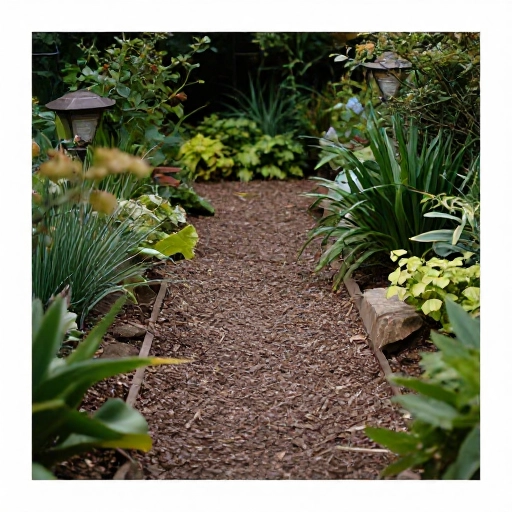
Turn a muddy trail into a purposeful potty area. Dogs naturally follow paths, so create a short mulched walkway that ends in a small, designated spot. Use cedar or pine mulch—it smells nice and absorbs moisture.
Place a simple wooden marker or a small boulder at the end. Your dog will learn that’s their stop. It works especially well if you have a long, narrow yard.
Replace the mulch every few months. It’s cheap and keeps the area fresh.
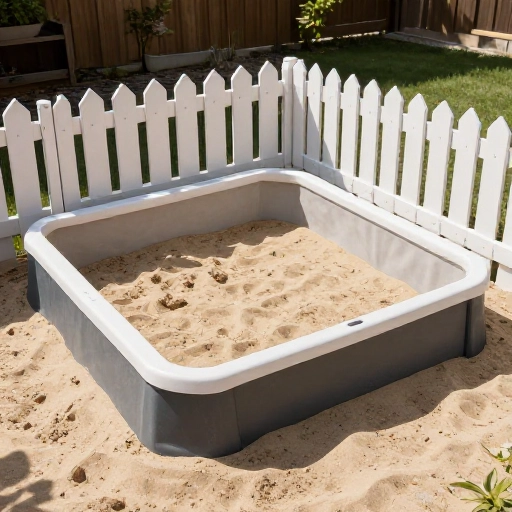
4. The Sandbox Solution
Remember playing in sandboxes as a kid? Turns out, dogs love them too. Build a small, open sandbox in a sunny spot. Use play sand (not construction sand) because it’s cleaner and softer.
Add a small ramp or a low step if your dog is older. The sand absorbs urine and makes solid waste easy to scoop. You can even cover it with a fitted tarp when it rains to keep it dry.
Just sift it once a month to keep it fresh. It’s oddly satisfying.
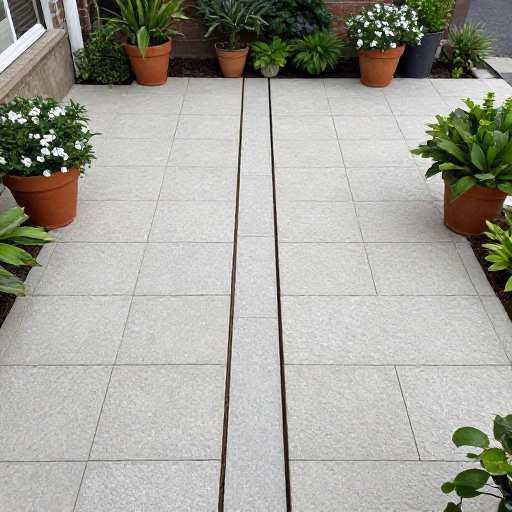
5. A Stone Patio with a Drainage Core
For dogs that hate walking on grass, a hard surface can be a blessing. Install a small flagstone or concrete slab area, but add a slight slope and a gravel-filled trench underneath.
This setup lets urine drain away instead of pooling. You can hose it right into the trench, and it won’t smell. It’s also easy to see and clean.
I added a few large potted plants around mine to soften the look. Now it feels like a modern patio feature.
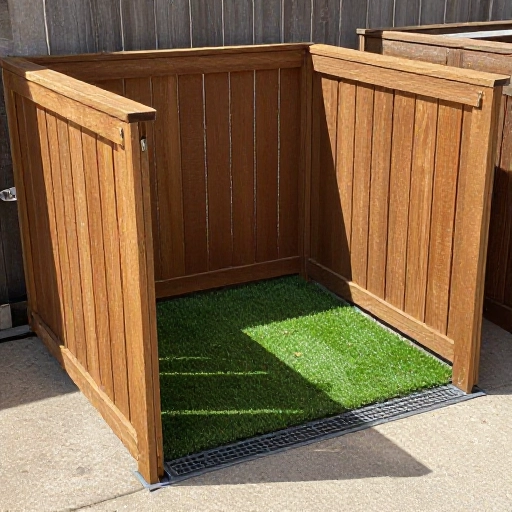
6. The Privacy Screen Potty Zone
Some dogs (and owners) prefer a little privacy. Use a wooden lattice, a tall planter, or a bamboo fence to create a small enclosure in a corner. Add a soft flooring like rubber mulch or artificial turf.
This gives your dog a calm, quiet spot away from street noise or neighbors. It also hides the area from view. Train them to go there by leading them inside every time.
It’s like a little dog bathroom. I added a small bench outside it for sitting while they do their thing.
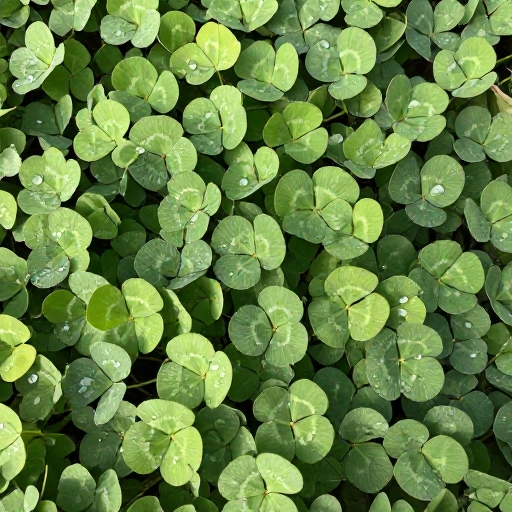
7. A Patch of Clover Instead of Grass
If you hate brown spots, swap grass for microclover. It’s hardy, stays green even with dog urine, and requires way less water. It also feels soft under paws.
Just reseed a corner of your yard with clover. It grows fast and doesn’t need mowing as often. Plus, it attracts bees—which is nice if you like pollinators.
My clover patch has survived two summers with my golden retriever. No yellow spots at all.
8. The DIY Urine Drip Tray
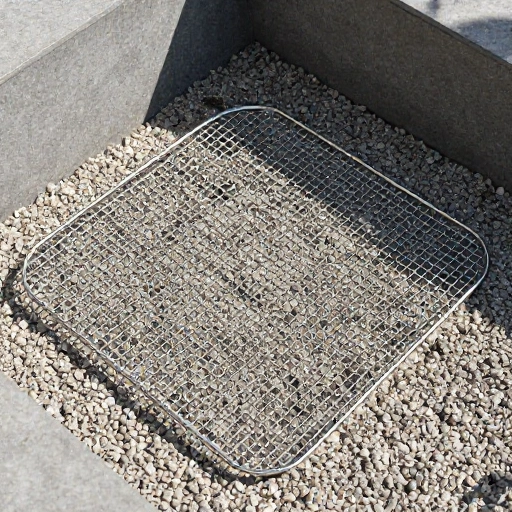
For apartment dwellers with a small balcony or patio, this is brilliant. Get a large plastic tray (like a boot tray or painting tray). Fill it with a layer of gravel or artificial turf pads.
Place it in a corner and train your dog to use it. The tray catches everything, and you can dump it into a bucket or hose it down. It’s portable, cheap, and doesn’t ruin your floor.
Add a small fake plant next to it so it looks like a mini landscape. No one will guess it’s a potty.
9. A Fire Pit Ring Turned Potty Zone
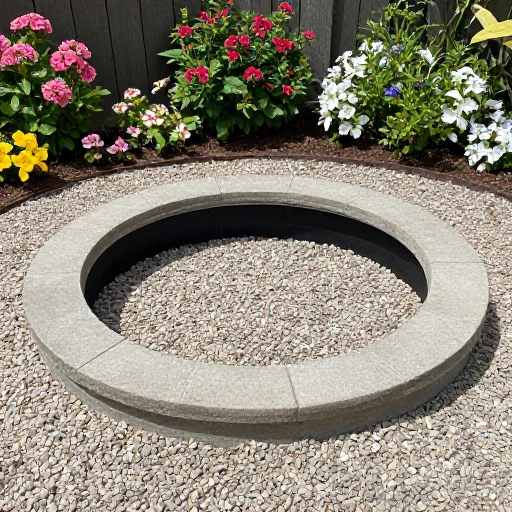
If you have an old fire pit ring you don’t use, repurpose it. Line the ring with gravel or sand, and place a large flat rock in the center. The ring keeps your dog focused on one spot.
It also prevents the area from spreading. You can even add a small trellis behind it for some greenery. It becomes a unique focal point.
My friend did this, and it’s now her dog’s favorite spot. She calls it the “throne.”
10. A Living Wall with a Drainage Base
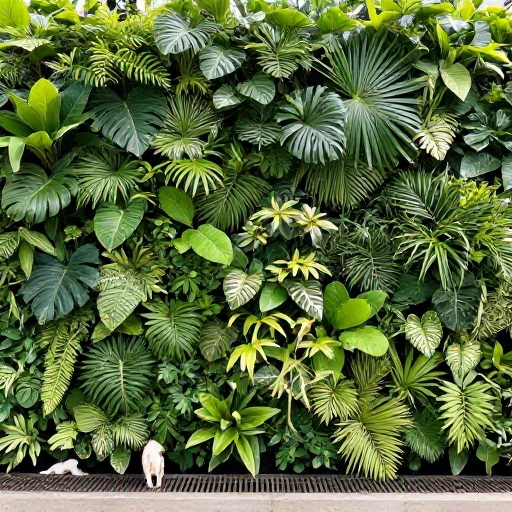
This is for the ambitious gardener. Build a vertical planter wall (like a wooden frame with pockets for plants). Below it, create a small gravel basin. The plants absorb moisture, and the gravel handles waste.
Choose dog-safe plants like spider plants, ferns, or herbs. The wall looks beautiful, and the base is functional. It’s a conversation starter.
You’ll need to water the plants regularly, but it’s worth it for the aesthetic. My neighbor has one, and it smells like fresh mint.
Conclusion
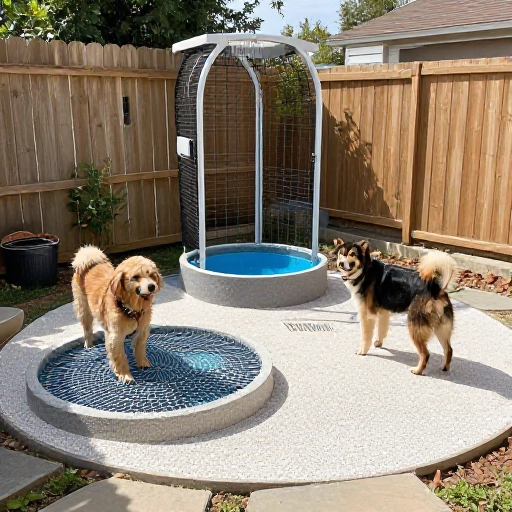
Your backyard doesn’t have to be a war zone between your dog and your garden. A designated potty area can actually make your space more enjoyable for both of you. Start small—maybe with a gravel patch or a raised box—and see what your dog prefers.
The key is consistency. Pick a spot, train your dog to use it, and stick with it. Over time, it becomes second nature. And your lawn will thank you.
Frequently Asked Questions
How do I train my dog to use a designated potty area?
Start by taking them to the spot on a leash every time they need to go. Use a command like “go potty” and reward them immediately. Be patient—it can take a week or two for them to catch on.
What’s the best surface for a dog potty area?
It depends on your dog. Gravel and artificial turf drain well and are easy to clean. Sand is soft but needs more maintenance. Grass or clover is natural but may need replacing over time.
How do I keep the area from smelling?
Hose it down regularly, especially after rain. Use a pet-safe enzyme cleaner to break down urine. For gravel or sand, rake and sift it weekly. Adding a layer of baking soda can help too.
Can I use artificial turf for a potty area?
Yes, but choose turf with drainage holes. Rinse it with water often to prevent odors. Some brands have built-in antimicrobial layers. It’s a great low-maintenance option for small yards.
How big should the potty area be?
For small dogs, a 3×3 foot area is enough. Larger dogs need about 4×4 feet. If you have multiple dogs, go bigger. The goal is to give them enough space to turn around and feel comfortable.