When Is It Too Cold to Walk a Dog?
When Is It Too Cold to Walk a Dog?
Winter walks with your furry friend can be magical — the crisp air, the crunch of snow under paws, and that wagging tail full of excitement. But as temperatures drop, it’s natural to wonder: when is it too cold to walk a dog? Just like humans, dogs can feel the chill, and sometimes those frosty strolls can do more harm than good. The key is knowing how cold is too cold and how to keep your pup safe and cozy when the weather turns icy.
Here’s everything you need to know about walking your dog in cold weather, including safe temperature ranges, signs of discomfort, and heartwarming tips to make winter walks enjoyable for both of you.
How Cold Is Too Cold for Dogs?
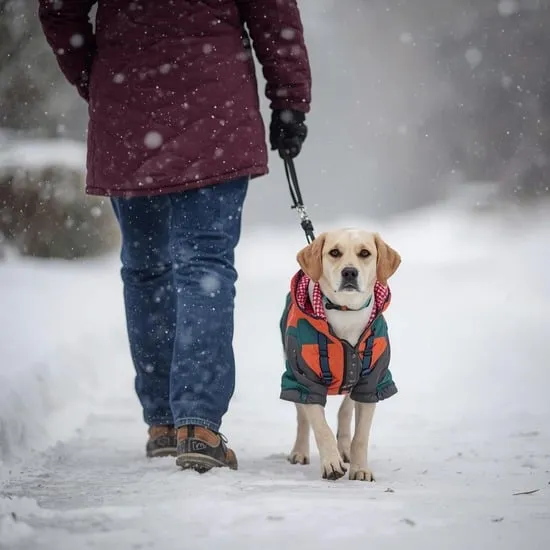
Every dog is different, but as a general rule, temperatures below 45°F (7°C) can start to feel uncomfortable for some breeds, while anything below 20°F (-6°C) can be dangerous for most dogs. Factors like breed, size, coat type, and age all play a big role in how well your dog tolerates the cold.
For example, Huskies, Malamutes, and other northern breeds are built for winter with thick double coats that insulate them naturally. On the other hand, small dogs, short-haired breeds, puppies, and senior dogs are far more sensitive to chilly weather. When the temperature drops below freezing, always take extra precautions.
Signs Your Dog Is Too Cold
Dogs can’t tell us when they’re uncomfortable, but their body language speaks volumes. Watch for these common signs that your dog may be too cold:
- Shivering or trembling
- Lifting their paws off the ground
- Whining or slowing down during walks
- Looking for shelter or refusing to move
- Cold ears, tail, or nose to the touch
If you notice any of these symptoms, it’s time to head home, warm them up, and give them some extra cuddles. Hypothermia and frostbite can set in quickly during freezing temperatures, so always trust your instincts.
How to Keep Your Dog Warm During Winter Walks
Winter doesn’t mean you have to skip walks entirely. It’s all about preparation and protection. Here’s how to keep your pup cozy and safe outdoors:
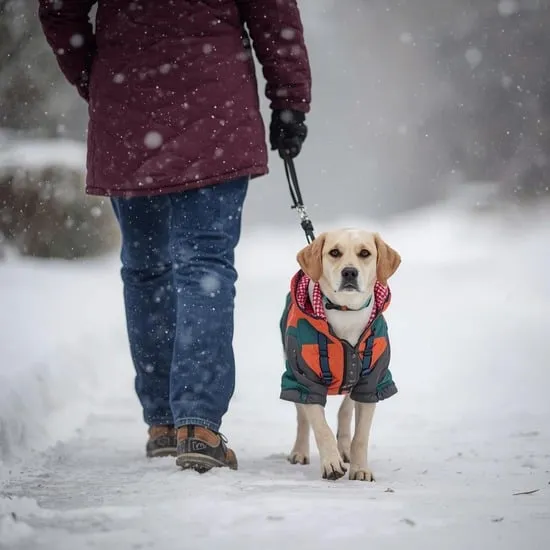
- Bundle up: Small or short-haired dogs benefit from dog coats or sweaters. Choose one that fits snugly without restricting movement.
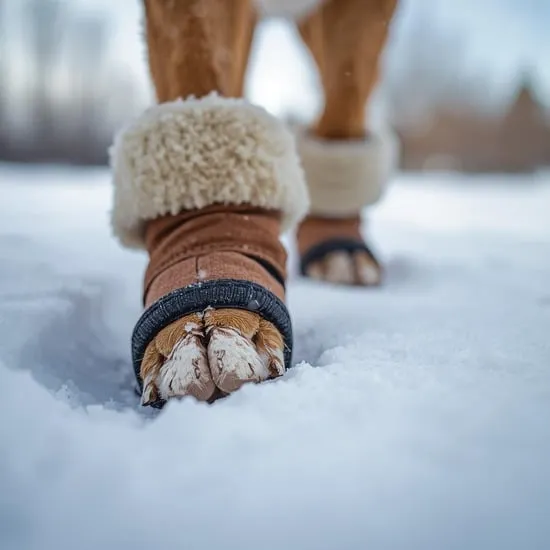
- Protect their paws: Ice, salt, and chemicals can irritate paw pads. Use dog booties or apply paw balm before walks.
- Stay dry: Wet fur loses insulation quickly, so avoid slushy areas or snowbanks. Dry your dog thoroughly after walks.
- Limit outdoor time: In extreme cold, keep walks short — 10 to 15 minutes is often enough for exercise and potty breaks.
- Walk during daylight: Midday is usually the warmest part of the day, so plan walks when the sun is out.
These small steps make a big difference in keeping your dog warm, happy, and healthy during winter months.
Tips for Indoor Exercise on Cold Days
If it’s too cold to go outside, there are plenty of ways to keep your dog active indoors. Try playing fetch down a hallway, using puzzle toys, or teaching new tricks. Even a game of tug-of-war or hide-and-seek can help burn off energy and strengthen your bond. Mental stimulation is just as important as physical exercise — especially when outdoor adventures are limited by weather.
Special Considerations by Breed
Some dogs are naturally more tolerant of cold than others. Here’s a quick guide:
- Cold-tolerant breeds: Siberian Huskies, Samoyeds, Bernese Mountain Dogs, and Saint Bernards thrive in chilly weather but still need paw protection.
- Cold-sensitive breeds: Chihuahuas, Greyhounds, Dachshunds, and French Bulldogs should always wear extra layers and avoid long exposure.
- Senior dogs: Older pups can struggle to regulate body temperature. Short, gentle walks are best for them.
Understanding your dog’s breed and individual needs is the best way to determine safe walking conditions.
Final Thoughts
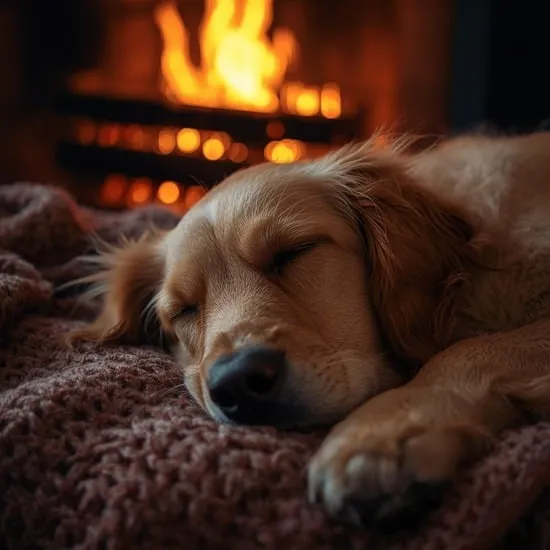
So, when is it too cold to walk a dog? The answer depends on your furry friend’s size, coat, and comfort level — but when in doubt, err on the side of caution. Trust your instincts, watch their body language, and prioritize warmth and safety over routine. After all, your dog would rather spend a cozy night curled up by your side than face freezing winds.
Winter walks can still be full of joy, as long as you take care. Bundle up, keep it short, and reward your pup with a warm blanket and a treat when you get home. Because nothing warms the heart faster than a happy dog who knows they’re loved — no matter how cold it gets outside.