10 Game-Changing Steps to Master Dog Grooming at Home (Even If You’re a Total Beginner)
Let’s be real—professional grooming appointments are getting pricier, and sometimes your pup just needs a quick freshen-up between visits. Plus, there’s something so special about bonding with your furry best friend in your own bathroom. I remember the first time I tried to trim my golden retriever’s paw fur; let’s just say it looked like a tiny explosion of fluff. But after lots of practice (and a few hilarious mishaps), I’ve figured out a simple routine that keeps my dog looking fabulous and feeling calm.
Whether you have a fluffy Pomeranian or a short-haired beagle, mastering home grooming is totally doable. It’s not about being perfect—it’s about keeping your dog comfortable, healthy, and happy. So grab your brushes, put on some soft music, and let’s dive into the ten steps that will transform you into your dog’s favorite personal stylist.
1. Gather the Right Tools Before You Even Start
You wouldn’t bake a cake without a whisk, right? Same goes for dog grooming. Having the correct tools on hand makes the whole process smoother and safer. Trust me, trying to use a human hairbrush on a thick double coat is a recipe for frustration and sore wrists.
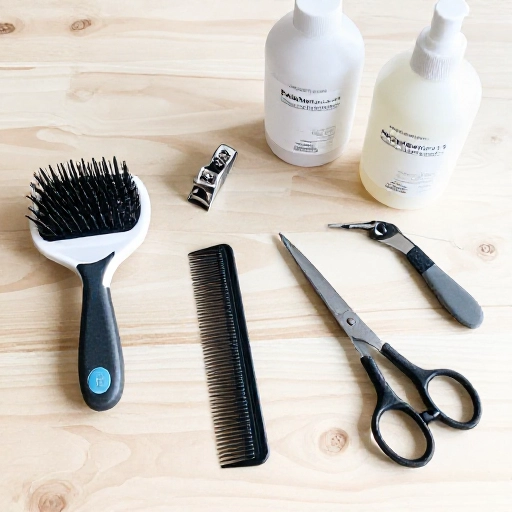
The essentials you’ll need include a slicker brush for removing loose fur, a metal comb for detangling, blunt-tipped scissors for trimming around the face and paws, and nail clippers that are appropriate for your dog’s size. Don’t forget dog-specific shampoo and conditioner—our human formulas can mess with their skin’s pH balance.
Invest in a good grooming table or just a non-slip mat for the bathroom floor. A nervous dog on a slippery surface is a recipe for disaster. Keep everything within arm’s reach so you never have to turn your back on your wiggly friend.
2. Make Brushing a Daily Positive Habit
I know, daily sounds like a lot. But honestly, five minutes of brushing prevents mats, spreads natural oils, and cuts down on the amount of dog hair decorating your sofa. It’s also the absolute best way to check for ticks, bumps, or anything unusual on their skin.
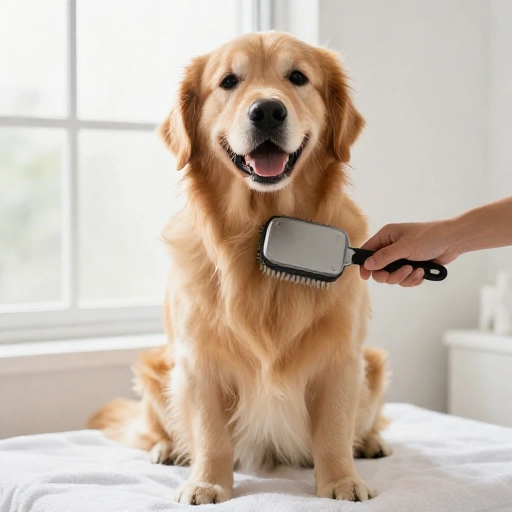
Start with a gentle, slow approach. Use the slicker brush to work in sections, starting from the legs and working your way up to the body. Always brush in the direction of hair growth, but for long-haired dogs, you’ll want to gently lift the hair and brush from the roots to avoid painful tugging.
Make it a bonding ritual. I like to give my dog a tiny treat after each successful brushing session. Now, the moment he sees the brush, his tail starts wagging because he knows good things are coming.
3. Master the Art of Detangling (Without the Tears)
Mats are the enemy of every dog owner. They trap moisture, pull on the skin, and can even hide parasites. If you find a tangle, never, ever try to yank it out with a brush. That’s a surefire way to make your dog hate grooming forever.
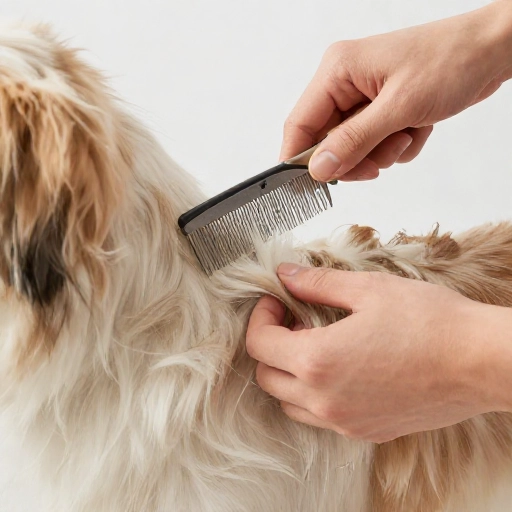
Reach for your detangling spray or a mixture of water and a little conditioner. Spray the mat lightly, then use your fingers to gently pull it apart as much as possible. Follow up with a slicker brush or a dematting tool, working from the edges of the mat toward the center.
If a mat is too tight or close to the skin, it’s time to use your scissors carefully. Slide a comb underneath the mat to keep the blade away from your dog’s skin, and snip it out. When in doubt, leave it to a professional—cutting skin is a definite trip to the vet.
4. The Perfect Bath: Water Temperature and Lather Matters
Bath time doesn’t have to be a wrestling match. The trick is preparation. Brush your dog thoroughly *before* the bath to remove loose hair and mats. Wetting a matted coat makes the mat tighter and harder to remove.
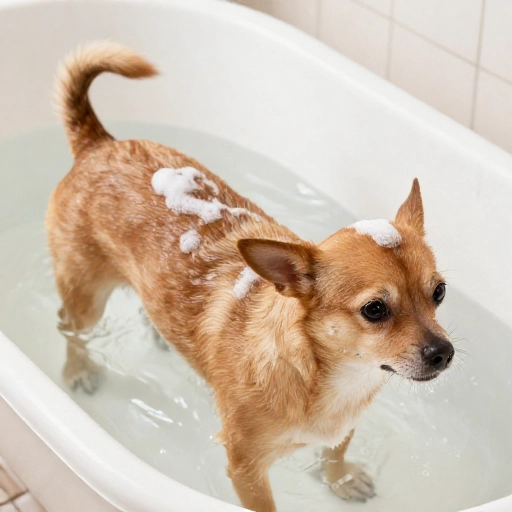
Use lukewarm water—not hot, not cold. A handheld showerhead is a lifesaver for getting down to the skin, especially for thick coats. Start at the back and work your way forward, avoiding the face until the very end. Soap up with dog-specific shampoo, working it into a rich lather. A good lather means the shampoo is actually doing its job of lifting dirt and oil.
Rinsing is the most critical step. Shampoo residue can cause itching and dryness. I rinse, then rinse again, and then do a final squeeze of the coat to make sure no suds are hiding. For extra softness, follow with a conditioner, letting it sit for a minute before rinsing.
5. The Drying Game: Why You Should Never Skip It
Letting your dog air-dry might seem natural, but it’s actually a bad idea. Moisture trapped against the skin can lead to hot spots and fungal infections. Plus, a damp coat mats up faster than you can say “walkies.”
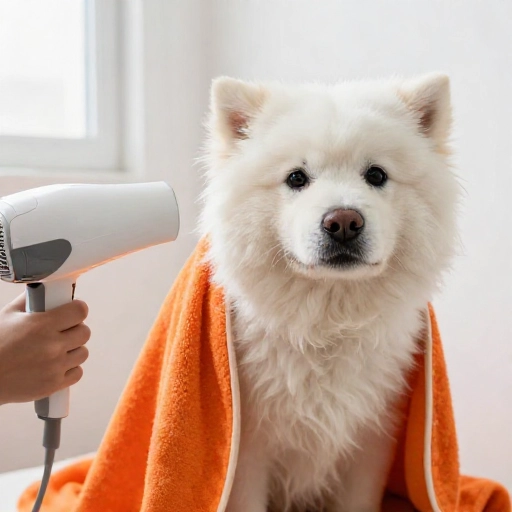
Start by gently squeezing excess water out of the coat with a towel. Don’t rub—rubbing causes tangles. For short-haired dogs, a towel might be enough, but for long or fluffy breeds, you’ll need a blow dryer. Set it on a low heat and low speed setting. Introduce the noise gradually, especially if your dog is sensitive to it.
Hold the dryer a few inches away from the skin and keep it moving. You can use a slicker brush while drying to fluff the hair and prevent tangles. It takes a little time, but a fully dry dog is a happy, healthy dog.
6. Trimming Nails Without the Panic
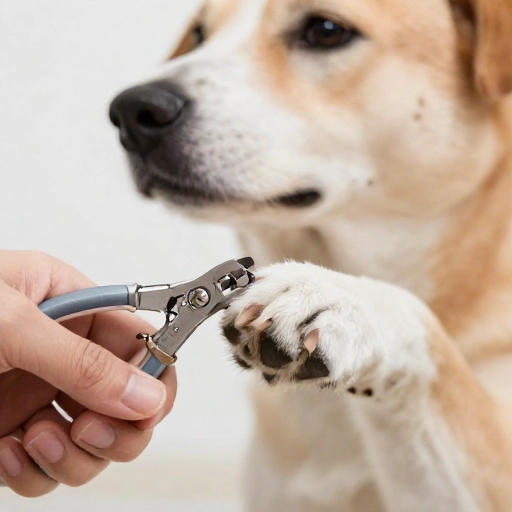
Nail trimming is the scariest part for most owners, but it doesn’t have to be. The goal is to trim the tip of the nail, avoiding the pink “quick” inside. If you have clear nails, you can easily see it. For dark nails, trim tiny slivers at a time until you see a grayish circle in the center of the cut.
Get your dog used to having their paws handled early. Touch their feet gently while watching TV, and give them treats. When you’re ready to clip, have styptic powder or cornstarch on hand in case you nick the quick. It happens to everyone—don’t panic.
Take it slow. One nail a day is better than a stressful marathon. If it’s too stressful for both of you, don’t be a hero. A professional or your vet can handle it, but keep practicing with paw handling at home to build trust.
7. Keeping Those Ears Clean and Infection-Free
Ears are often forgotten until they smell bad, which is usually a sign of an infection. A weekly wipe-down can prevent a lot of discomfort. Dogs with floppy ears are especially prone to moisture buildup and need extra attention.
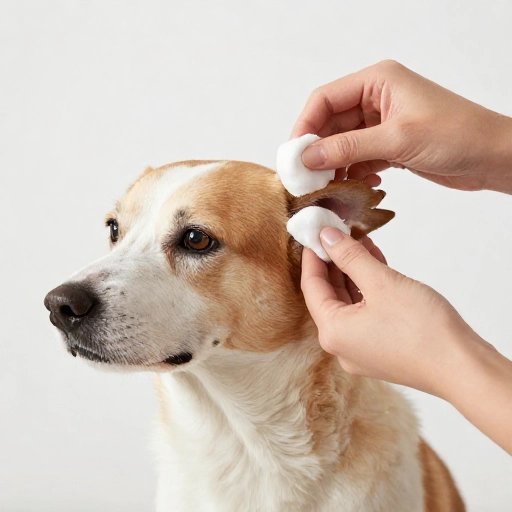
Use a cotton ball or pad with a vet-approved ear cleaning solution. Never use Q-tips—they can push wax and debris deeper into the ear canal. Gently lift the ear flap and wipe the inside of the ear visible to you.
If you see redness, a lot of dark wax, or smell something yeasty, that’s a call to the vet. Don’t try to treat it yourself. Regular cleaning is about prevention, not curing existing problems.
8. Face, Eyes, and Tear Stains: The Delicate Details
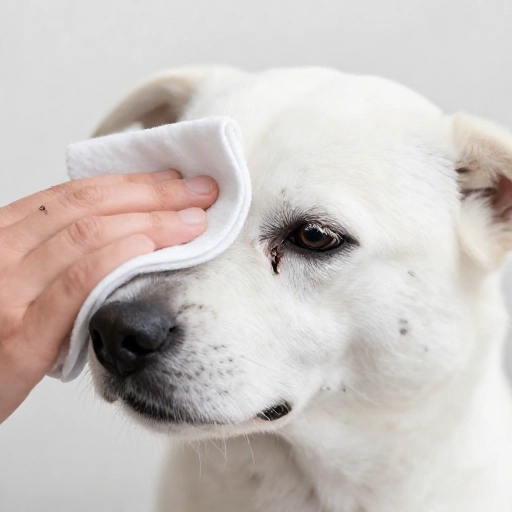
The face is delicate, so we use extra care here. Start with the eyes. Using a damp, soft cloth, gently wipe away any sleep crusties or discharge. Always wipe from the inner corner outward to avoid getting anything in their eye.
For tear stains on white dogs, a dog-specific eye wipe or a little bit of a gentle eye solution can help. Never use hydrogen peroxide or any harsh chemical near the eyes. Regular wiping is your best defense against staining.
Trim the hair around the eyes with blunt-tipped scissors, being extra careful. I like to hold the hair up and away from the eye and snip in small, gentle cuts. A little bit of patience here goes a long way in preventing eye irritation.
9. The Paw Pad and Sanitary Trim
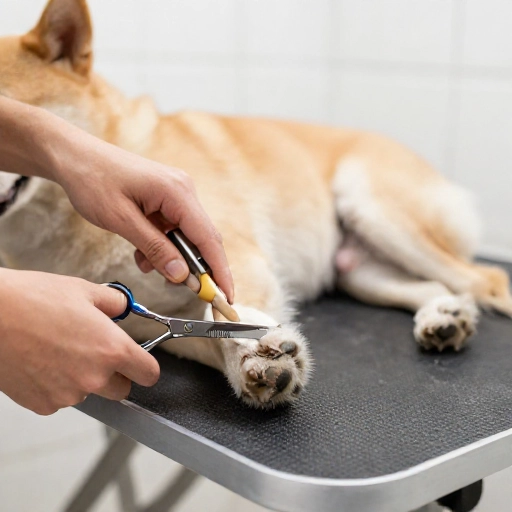
Hair grows everywhere, including between your dog’s toes and around the pads. Long hair here can make it hard for them to grip the floor and can trap dirt and ice. This is a part of the grooming routine that makes a huge difference in their comfort.
Use your blunt-tipped scissors to trim the hair that sticks out from between the pads. You want the paw to be flat and clean, so the pads are visible. Also, trim the hair around the edges of the paw so it looks neat and round.
The sanitary area is just as important. Keeping the hair short around the genitals and anus helps keep it clean and free of feces. This is a sensitive spot, so go slowly. A dog that feels clean is a happy dog.
10. The Final Touch: Brushing the Teeth
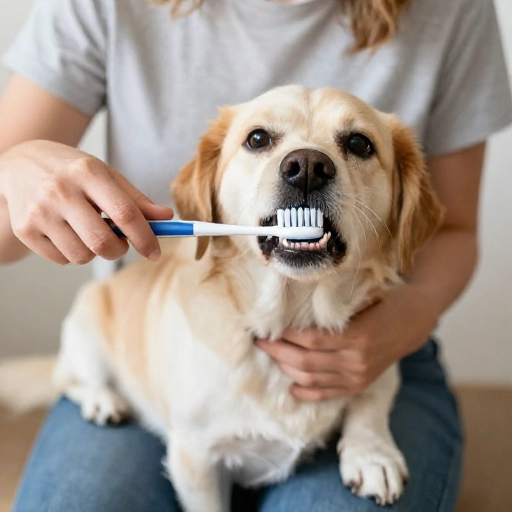
Oral health is a huge part of overall grooming that often gets skipped. Dental disease can lead to heart, liver, and kidney issues. Starting a brushing routine is one of the best gifts you can give your dog.
Use a dog-specific toothbrush and toothpaste. Human toothpaste is toxic to dogs. Start by letting your dog taste the toothpaste from your finger, then gently lift their lip and rub the toothpaste on their teeth and gums with the brush.
Don’t stress about brushing every single tooth perfectly. Focus on the outer surfaces where plaque builds up most. Even a few seconds of brushing a few times a week is better than nothing. It takes practice, but your dog’s vet will thank you.
Wrapping Up: Your Journey to Grooming Pro
Mastering dog grooming at home is a journey, not a destination. There will be messy baths and the occasional awkward haircut, but every session is a chance to bond with your dog and learn more about their body. You’re not just making them look good—you’re keeping them healthy and comfortable.
Start small, be patient, and always end each grooming session with praise and a treat. Before you know it, you’ll have a routine that works for both of you, and you’ll save a ton of money in the process. Happy grooming!
Frequently Asked Questions
Q: How often should I actually bathe my dog?
A: It depends on the breed and coat. Generally, once a month is a good rule of thumb for most dogs. Over-bathing can strip natural oils, so aim for every 4-6 weeks unless your dog gets into something stinky!
Q: What if my dog absolutely hates the blow dryer?
A: Try a quieter dryer or one with a lower setting. You can also try desensitizing them by turning it on in another room and giving them treats. If they still panic, a very absorbent towel and air-drying in a warm, draft-free room is your backup plan.
Q: Is it okay to use human shampoo on my dog?
A: I strongly advise against it. Human shampoo has a different pH level that can disrupt your dog’s skin barrier, leading to dryness and itching. Always use a shampoo formulated specifically for canines.
Q: How do I stop my dog from biting the brush?
A: This usually means they’re uncomfortable. Check for tangles you might be pulling on. Try a softer brush, and use a lick mat smeared with peanut butter to distract them during grooming sessions.
Q: My dog’s coat is still shedding a lot even after brushing. What am I doing wrong?
A: You’re probably not brushing deep enough! For double-coated dogs, you need to brush down to the undercoat. Use an undercoat rake or a slicker brush that reaches the skin to remove the loose, dead fur hiding below the topcoat.