11 Simple Dog Tricks With a Step-by-Step Training Guide (Easy Enough for Beginners!)
I still remember the first time my dog actually sat on cue. Not because I waved a treat in front of his nose, but because he heard the word and did it. That little moment hooked me on training, and I’ve been teaching tricks ever since.
Here’s the good news: you don’t need a fancy training background or hours of free time. Most of these tricks take just five to ten minutes a day, a handful of tiny treats, and a whole lot of patience.
Below are 11 simple dog tricks with a step-by-step guide for each one. Start with the first few, then work your way down. Short sessions, happy voice, and always end on a win.
1. Sit — The Trick That Starts Everything
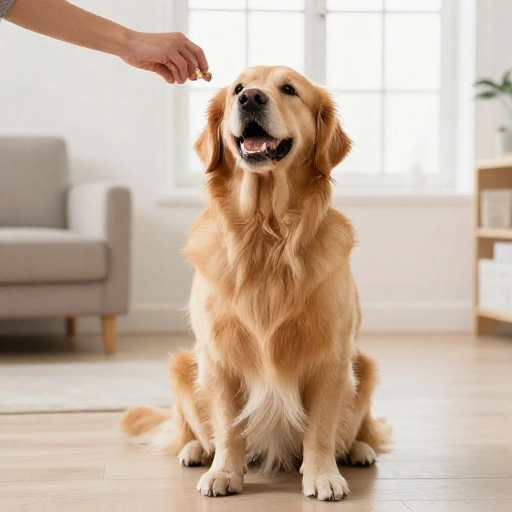
Sit is the foundation for almost every other trick, so it’s worth getting solid before you move on. I always teach this one first because it’s easy for the dog to succeed.
- Hold a small treat right at your dog’s nose.
- Slowly move it up and slightly back over their head.
- The moment their bottom hits the floor, say “yes!” and reward.
- Add the word “sit” once they’re doing it reliably.
Keep sessions to about five minutes. If your dog jumps up or backs away, you’re probably moving the treat too fast. Slow down and make it easier to win.
2. Shake Paw — A Crowd-Pleasing Classic
Once your dog knows sit, “shake” comes together fast. It looks adorable and it’s genuinely useful for wiping muddy paws at the door.
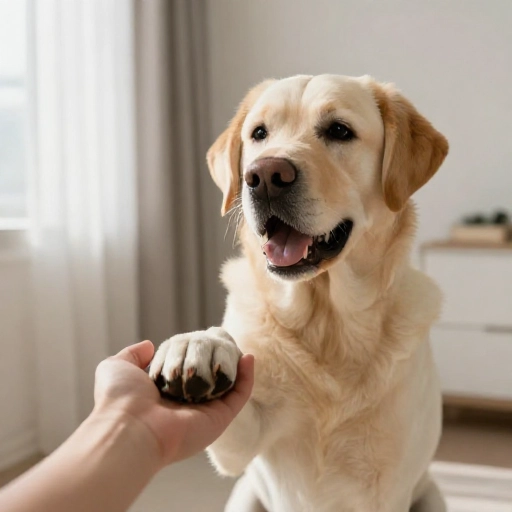
With your dog sitting, hide a treat in your closed fist and hold it near the floor. Most dogs will paw at your hand trying to get it. The second that paw touches you, open your hand and reward.
Repeat a few times, then start saying “shake” right before you offer your hand. After a week or so, you can hold out an empty hand and get a polite little paw shake.
3. Down — Teaching a Relaxed Position
Down is great for calming an excited dog and it opens the door to tricks like roll over and play dead. Some dogs find it harder than sit, so go slow.
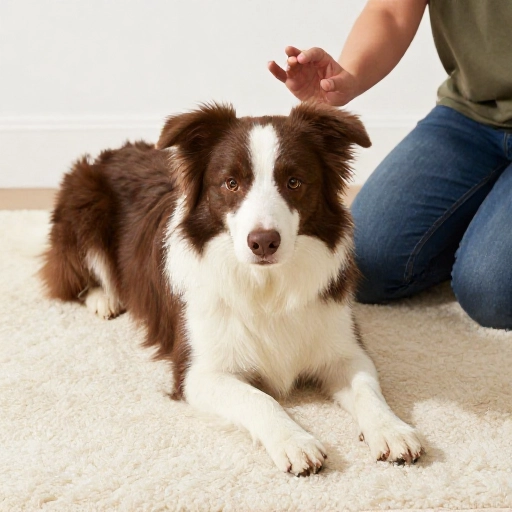
Start with your dog sitting. Take a treat and lower it straight down to the floor between their front paws, then drag it slowly away from them along the ground. Their elbows should fold and their belly should touch the floor.
If they pop back up, that’s normal. Reward the split second their elbows touch, even if they stand right after. Reward the try, not the finished product.
4. Stay — Building Real Patience
Stay is the trick that saves you from chasing your dog across the park. It’s also one of the most misunderstood ones, because people ask for too much too soon.
- Ask for a sit or down.
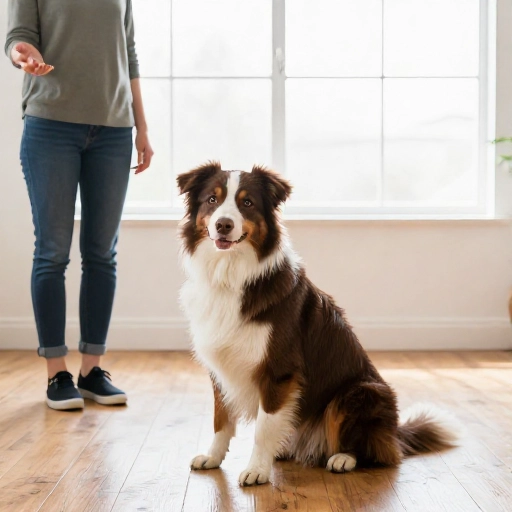
- Show your open palm and say “stay.”
- Wait just one second. Reward.
- Gradually build to three seconds, then five, then ten.
Only add distance after duration is solid. If your dog breaks the stay, don’t scold—just reset and make it easier next time. I like to step away one foot at a time and return to reward.
5. Come When Called — The Most Important One
I know, it’s not a flashy trick. But a reliable recall keeps your dog safe, and it’s the one I practice almost every single day.
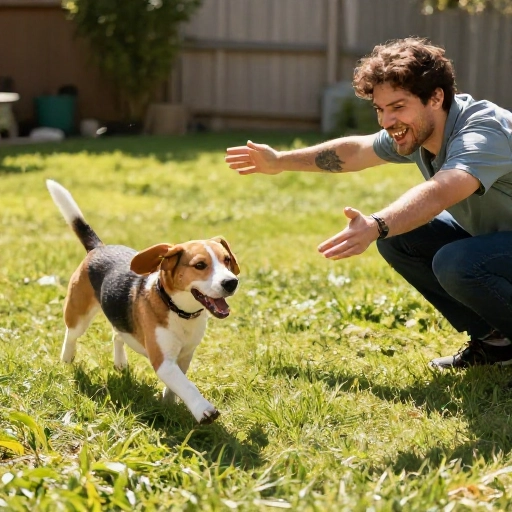
Start indoors with zero distractions. Say your dog’s name plus “come” in a bright, happy voice, then back away a few steps. When they reach you, reward big—several treats, one after another.
Never call your dog to do something they hate, like a bath or nail trimming. You want “come” to mean good things happen. Practice in the yard, then on a long line, then out in the real world.
6. Spin — A Fun Trick That Burns Energy
Spin is silly, quick to teach, and a sneaky way to get a little energy out of a restless dog. It also looks great in photos, which is a bonus for us Pinterest people.
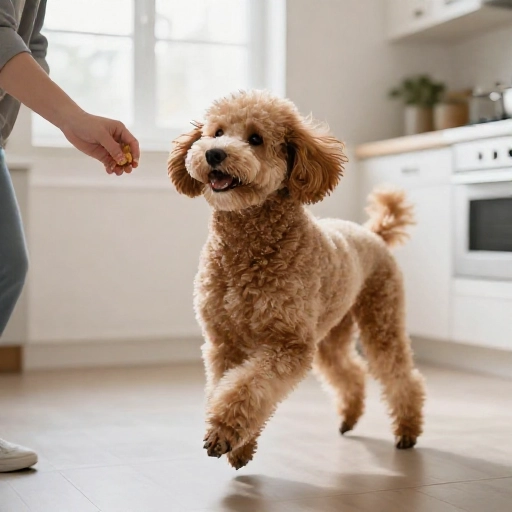
Hold a treat at your dog’s nose and lure them in a full circle. Right hand lures one direction, left hand the other. Mark and reward the second they complete the circle.
Once they’re following the lure smoothly, add the word “spin” as they turn. After that, try it with just a hand signal. Most dogs pick this up in two or three short sessions.
7. Roll Over — Easier Than It Looks
Roll over builds on down, so make sure your dog is comfortable lying flat before you start. If they’re stiff or uncomfortable on their back, skip this one—it’s not worth pushing.
From a down position, take a treat and lure their nose toward their shoulder, then up and over. Their body should follow. Keep the motion smooth and reward the moment they finish the roll.
Some dogs need the movement broken into two halves: nose to shoulder, reward, then nose over the back. That’s totally fine. Break it down and celebrate each piece.
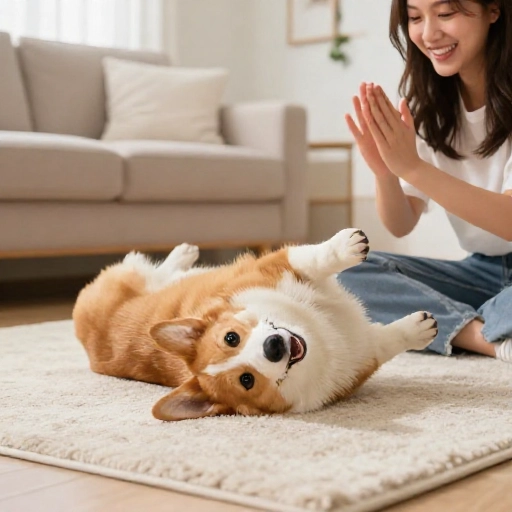
8. Speak — Training the Bark on Cue
Speak is a little ironic because we usually spend months teaching dogs not to bark. But when it’s on cue, it’s actually easier to control.
Wait for a moment your dog naturally barks—doorbell, squeaky toy, whatever sets them off. The instant they bark, say “yes” and reward. Repeat until the bark is predictable.
Then add the word “speak” just before the trigger. Over time you can drop the trigger and just use the cue. One tip: teach “quiet” alongside it, or you’ll have a dog who barks for treats forever.
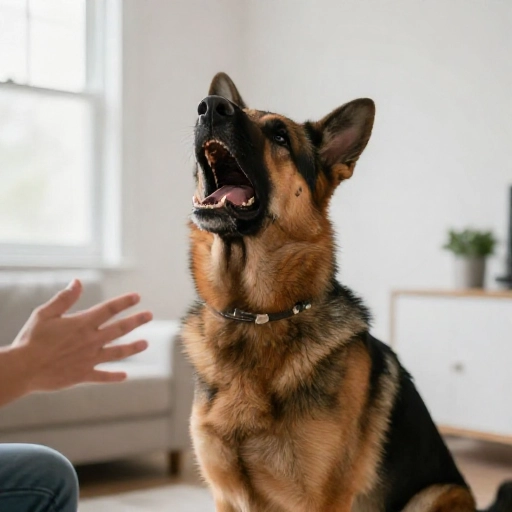
9. High Five — Shake’s Fancier Cousin
High five is basically shake with a taller target, and it makes people smile every time. If your dog already knows shake, you’re halfway there.
Hold your palm flat and slightly higher than you would for a shake. Wait for your dog to lift their paw to meet it. Reward the contact, even if it’s clumsy at first.
Keep your hand steady and don’t push into their paw. Let them reach for you. Once it’s smooth, you can chain it after shake for a fun little routine.
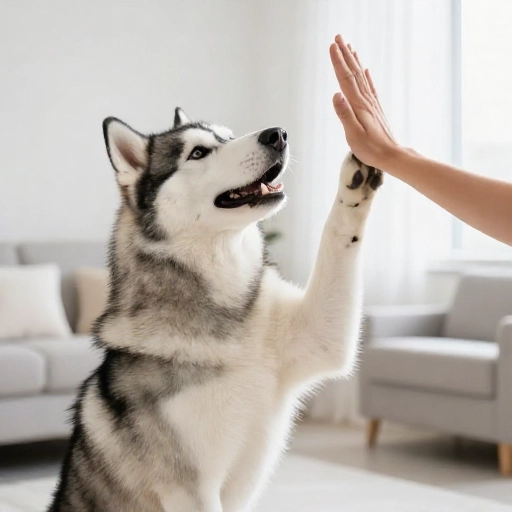
10. Fetch and Drop It — Two Tricks in One
Fetch is really two skills: going to get the toy, and giving it back. The giving part is where most people get stuck, so I teach “drop it” separately.
- Toss a toy a short distance and say “fetch.”
- When they pick it up, praise, then show a treat near their nose.
- Say “drop it” and reward the moment the toy leaves their mouth.
- Throw it again right away so giving it up doesn’t end the fun.
If your dog plays keep-away, use two identical toys instead. Throw one, then trade for the other. It teaches the same lesson without a wrestling match.
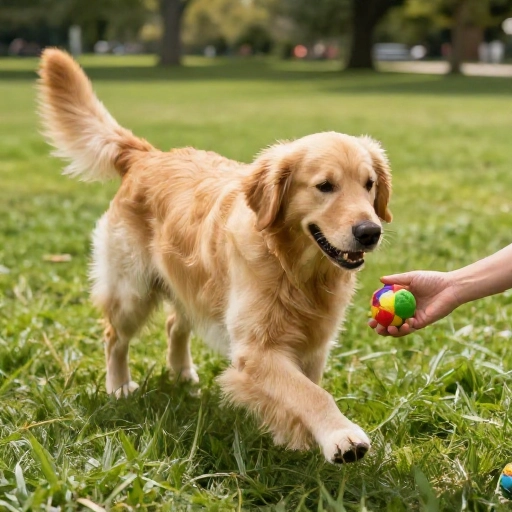
11. Play Dead — The Grand Finale
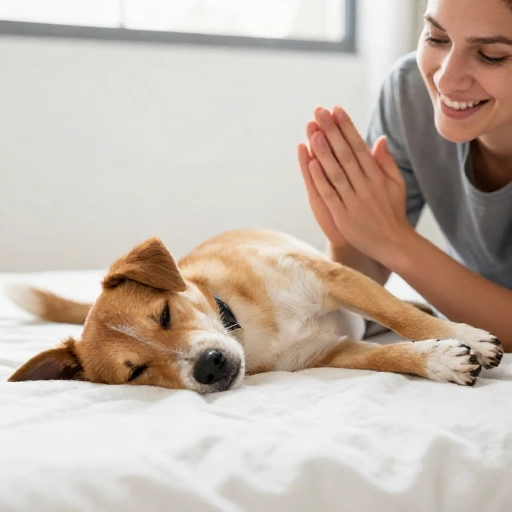
This one looks impressive, but it’s just down plus roll over plus a little drama. It’s my favorite to show off at family gatherings.
Ask your dog to lie down. Then lure their head to the side so they flop onto one hip, keeping their head on the floor. Reward and hold the position for a second.
Build up to a few seconds of stillness, then add your cue word and a “bang” hand gesture. Keep it light and fun—no loud noises that startle your dog. End with lots of praise, because they earned it.
Final Thoughts on Teaching Dog Tricks
You don’t need to teach all 11 tricks this month. Pick two or three, practice for five minutes, and stop while your dog still wants more. That’s the secret nobody tells you.
Keep treats tiny so you’re not filling them up, use a happy voice, and always finish on a success. A dog who thinks training is a game will learn faster than one who thinks it’s a chore.
FAQ: Dog Trick Training Questions
How long does it take to teach a dog a new trick?
Simple tricks like sit or shake often take a few days of short sessions. Bigger ones like roll over or play dead might take a couple of weeks. Consistency beats long training marathons every time.
What treats work best for training?
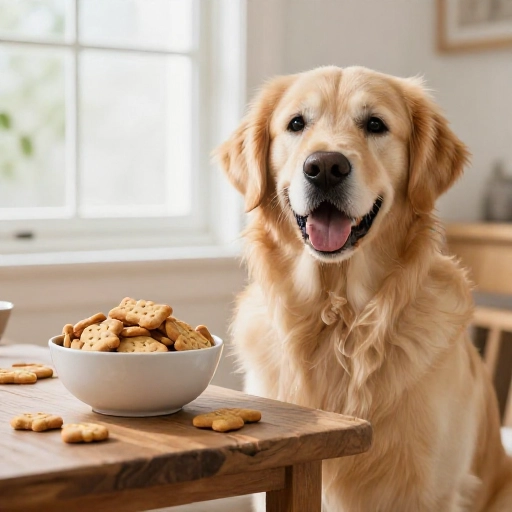
Small, soft, smelly treats are the winners. They’re quick to eat so your dog doesn’t lose focus. I like to keep a mix of everyday treats and a few high-value ones for tricky moments.
Can I train an older dog to do tricks?
Absolutely. Older dogs learn just fine—sometimes even faster because they’re calmer. Just keep sessions shorter and check with your vet if your dog has joint issues before tricks like roll over.
What if my dog ignores me during training?
That usually means the environment is too distracting or the step is too hard. Move somewhere quieter, break the trick into smaller pieces, and reward anything close to the right move.
How many times a day should I practice?
Two or three short sessions of three to five minutes each is plenty. Little and often works far better than one long session, and it keeps your dog excited to train.